
When dealing with a sports injury, it's crucial to explore the various recovery techniques available to help you get back to the activities you love. As a local chiropractor, I want to emphasize the importance of considering natural healing methods alongside traditional approaches like R.I.C.E. (Rest, Ice, Compression, Elevation). While these time-tested methods have their place, newer options such as cryotherapy and regenerative medicine are gaining popularity for their potential to enhance recovery.
However, it's essential to understand how these techniques compare and what they can offer you. Chiropractic care, for example, focuses on restoring proper function and alignment to your body, which can significantly impact your recovery. Unlike some methods that merely address symptoms, chiropractic care aims to tackle the root cause of your injury, promoting overall healing.
As you weigh your options, consider factors such as the nature of your injury, your overall health, and how each method aligns with your personal recovery goals. By exploring the nuances of these recovery techniques, you may uncover a more effective and holistic path to healing than you initially thought. Remember, every individual's journey is unique, and I'm here to guide you in making informed decisions about your recovery.
Traditional Recovery Methods
As a local chiropractor, I often see athletes who are recovering from sports injuries, and I want to share some traditional recovery methods that can greatly aid in your healing process. Many of you may have heard of the R.I.C.E. protocol, which stands for Rest, Ice, Compression, and Elevation. These straightforward techniques have been around for a long time and are surprisingly effective in managing pain and minimizing swelling.
First and foremost, rest is crucial. Your body needs time to heal naturally, so it's important to listen to what it's telling you. Pushing through pain can lead to more significant injuries, which is the last thing we want.
Ice is another vital tool in your recovery arsenal. It helps to numb the area and can prevent excessive swelling. I recommend applying an ice pack for about 15-20 minutes at a time, which can significantly enhance your recovery.
Compression wraps provide essential support and help limit swelling, but make sure that the wrap is snug without being too tight, as maintaining proper circulation is important.
Elevation is often overlooked but plays a key role in recovery. Keeping the injured area elevated above heart level can reduce swelling and expedite the healing process.
In addition to the R.I.C.E. protocol, many athletes find benefit from heat therapy after the initial swelling has gone down. Heat can help relax and loosen tissues, enhance blood flow, and promote healing.
Combining these traditional methods with patience and self-care can lay a strong foundation for a successful recovery.
However, I want to emphasize that while these techniques are effective, they should always be incorporated alongside professional medical advice tailored to your unique injury and needs. As your chiropractor, I'm here to support you on your journey to recovery and help you explore the natural healing options that complement these methods.
Physical Therapy Techniques
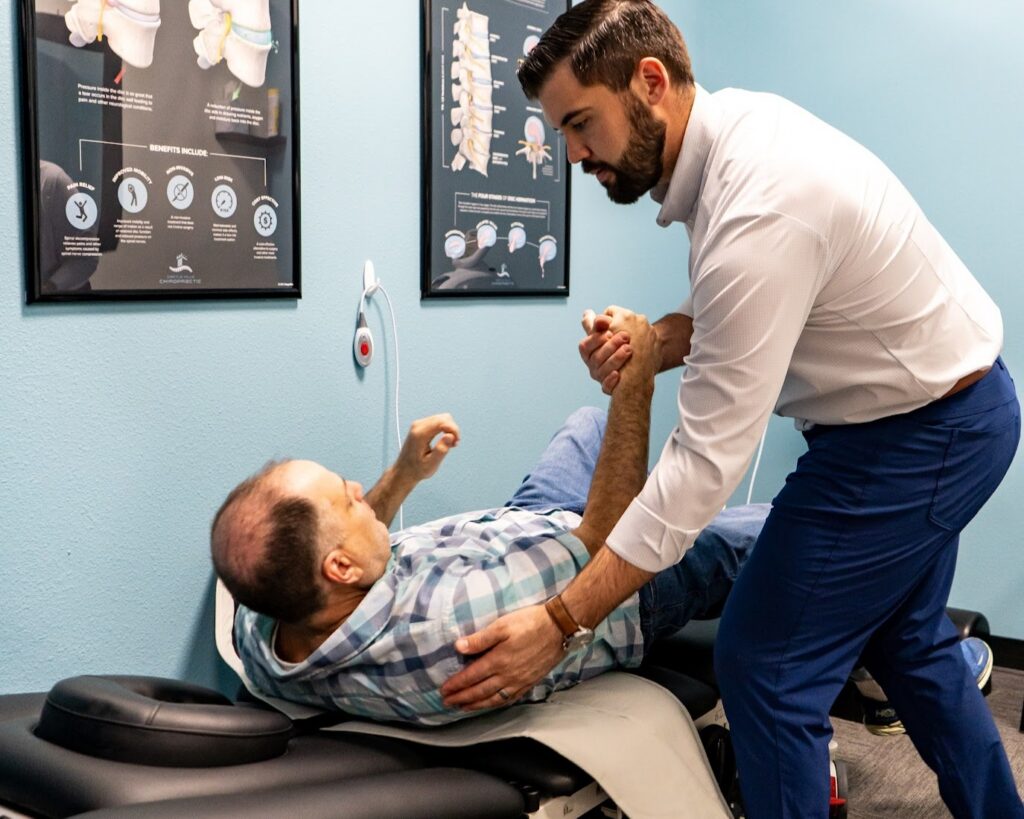
While traditional recovery methods like R.I.C.E. are important, incorporating chiropractic techniques can significantly enhance your recovery from sports injuries. Chiropractic care focuses on restoring proper alignment, mobility, and function, making it a vital part of your rehabilitation plan.
One valuable technique you may encounter in chiropractic care is therapeutic exercise. Tailored to your specific injury, these exercises are designed to strengthen the muscles surrounding the affected area, thereby improving stability and helping to prevent future injuries.
Additionally, we often emphasize stretching exercises, which can enhance flexibility and range of motion—critical components for returning to your sport safely.
Another beneficial approach is manual therapy, a hands-on technique where a chiropractor uses their hands to manipulate your spine and joints. This can alleviate pain, reduce swelling, and improve circulation, all of which are essential for the healing process.
You might also benefit from various modalities we use in our practice, such as ultrasound and electrical stimulation. Ultrasound employs sound waves to promote tissue healing, while electrical stimulation can help manage pain and strengthen muscles.
These modalities work in harmony with your active recovery efforts.
Lastly, it's crucial to understand the importance of education and self-management strategies. As your chiropractor, I'll guide you on how to modify your activities, use proper techniques, and implement injury prevention strategies.
This knowledge empowers you to take control of your recovery journey and minimize the risk of future injuries.
Incorporating these chiropractic techniques into your recovery plan can greatly expedite your healing process and help you return to your sport stronger and more resilient than before.
Cryotherapy Benefits
As a local chiropractor, I want to share some valuable insights about the benefits of cryotherapy, especially for those of you recovering from sports injuries.
This treatment can significantly reduce inflammation, which in turn helps alleviate pain and discomfort you may be experiencing.
Moreover, many of my patients have reported a noticeable improvement in their recovery speed, allowing them to return to their favorite activities and sports much sooner.
Embracing cryotherapy as part of your recovery plan can be a natural and effective way to support your healing process.
Reduced Inflammation Effects
As a local chiropractor, I want to introduce you to the incredible benefits of cryotherapy for reducing inflammation and aiding in recovery. Many athletes have discovered how effective this treatment can be in addressing pain and swelling.
When your body is exposed to extreme cold, it triggers a natural response that constricts blood vessels, helping to minimize inflammation in injured areas. This can lead to faster relief from discomfort.
During a cryotherapy session, the cold temperatures lower metabolic activity in your tissues, which helps to decrease the release of substances that promote inflammation. As a result, you may find yourself experiencing less pain, allowing you to concentrate more on your training and overall recovery.
Moreover, cryotherapy encourages the production of anti-inflammatory proteins, which further assist in reducing swelling and discomfort. This technique can be particularly advantageous after intense workouts or injuries, as it helps your body manage its natural inflammatory response effectively.
If you're interested in exploring cryotherapy as a natural healing method, I'd love to discuss how it can complement your chiropractic care and support your journey to better health.
Enhanced Recovery Speed
How quickly can you recover from an injury? As a local chiropractor, I want to share an exciting recovery method that may help you bounce back faster—cryotherapy. This innovative approach involves exposing your body to extremely cold temperatures for a brief period, which can trigger a variety of physiological responses that promote healing.
When you experience cryotherapy, your blood vessels constrict, effectively reducing inflammation and swelling. This reduction in inflammation is crucial for helping you feel better more quickly.
Additionally, the cold exposure stimulates your body's natural healing processes. After the treatment, your blood vessels dilate, which enhances blood flow and delivers essential oxygen and nutrients to the injured area. This increased circulation can significantly speed up your recovery time, helping you return to your activities sooner.
Another benefit of cryotherapy is its ability to reduce pain. The numbing effect can alleviate discomfort, making it easier for you to engage in rehabilitation exercises without being hindered by excessive pain.
Incorporating cryotherapy into your recovery routine can truly transform your healing experience. Many of my patients have noticed quicker recovery times, less muscle soreness, and improved overall performance.
If you're serious about recovering from an injury, I encourage you to consider adding cryotherapy to your recovery toolkit. It could be just the boost you need to get back on track!
Regenerative Medicine Approaches
As a local chiropractor, I want to take a moment to educate you about some exciting advancements in sports injury recovery that you may not be familiar with.
Regenerative medicine approaches, such as stem cell therapy and platelet-rich plasma (PRP), are becoming increasingly popular due to their potential to accelerate the healing process. These therapies harness the body's natural healing abilities to promote recovery.
Additionally, advancements in tissue engineering are paving the way for innovative solutions to restore damaged tissues.
These techniques not only aim to heal injuries more effectively but also focus on enhancing overall health and wellness. By incorporating these regenerative methods into your recovery plan, we can work together to optimize your healing journey and get you back to the activities you love.
Let's explore how these natural healing approaches can benefit you!
Stem Cell Therapy
As a local chiropractor dedicated to educating my patients about natural healing, I want to share with you the exciting advancements in stem cell therapy, particularly in the realm of sports injury recovery. This innovative approach brings renewed hope for athletes who are often faced with lengthy rehabilitation periods after injuries.
Stem cell therapy harnesses the body's own incredible ability to heal itself. By using stem cells, we can promote the repair of damaged tissues and support a more effective healing process. If you're considering options for recovery, you should know that stem cell therapy has the potential to significantly speed up your recovery time.
By injecting stem cells directly into the injured area, many individuals have experienced a reduction in inflammation and a boost in tissue regeneration. This is especially beneficial for common injuries like tendon tears, cartilage damage, and muscle strains, which can otherwise keep you sidelined for an extended period.
What's also fascinating about stem cell therapy is that it can be tailored to meet your individual needs. Stem cells can be sourced from various tissues in your body, including bone marrow or adipose (fat) tissue. While there are many success stories from athletes who've undergone this treatment, it's essential to consult with a healthcare professional to evaluate whether this therapy is appropriate for you.
As research in this field continues to progress, I believe that stem cell therapy could transform the way we approach injury recovery. It may provide athletes with a more efficient path back to their peak performance levels, allowing them to get back to doing what they love sooner.
If you're interested in exploring natural healing options, I'm here to help guide you through the possibilities.
Platelet-Rich Plasma
As a local chiropractor dedicated to promoting natural healing, I want to share information about a cutting-edge technique that's gaining popularity in the realm of sports injury recovery: Platelet-Rich Plasma (PRP) therapy. This innovative treatment aligns perfectly with our holistic approach to health and healing.
PRP therapy begins with a simple process: we draw a small amount of your blood and then process it to concentrate the platelets. This concentrated plasma, rich in growth factors, is then injected directly into the area of injury. The remarkable aspect of PRP is its ability to accelerate healing, reduce inflammation, and promote tissue regeneration, making it a powerful ally in recovery.
This therapy may be especially beneficial for conditions such as tendonitis, ligament injuries, and muscle strains. The procedure itself is relatively straightforward and typically involves minimal downtime, which many athletes and active individuals find appealing.
It's an excellent natural alternative that can enhance recovery without resorting to surgery or extensive rehabilitation. However, it's important to understand that results can vary from person to person.
That's why I encourage you to consult with a qualified healthcare professional, like myself, to determine if PRP therapy is the right choice for your specific needs. Together, we can evaluate your injury and discuss the potential benefits and risks involved.
By considering PRP therapy as part of your recovery plan, you're taking an important step toward a faster and more effective healing process, helping you return to your activities with confidence.
Let's work together to explore how this advanced treatment can support your health and well-being.
Tissue Engineering Advances
As a local chiropractor, I want to share some fascinating advancements in tissue engineering that are transforming the landscape of regenerative medicine, particularly for those of you who are athletes or simply active individuals.
These innovations are paving the way for more natural and effective healing methods, helping you recover from injuries and get back to your favorite activities more quickly.
Let's explore some key developments that can benefit you:
- Biodegradable Scaffolds: Think of these as supportive structures that encourage your body's cells to grow and regenerate damaged tissues. They naturally dissolve as your new tissue forms, promoting a more organic healing process.
- Stem Cell Therapies: Utilizing your own stem cells can significantly enhance the healing process. This approach harnesses your body's natural ability to repair itself, often resulting in a quicker recovery time.
- 3D Bioprinting: This cutting-edge technology allows for the creation of tissues that are specifically designed for your unique injuries. By tailoring the tissue to your needs, we can improve both the compatibility and functionality of the healing process.
- Growth Factor Delivery Systems: These systems gradually release vital proteins that are crucial for healing. By stimulating your body's natural healing processes and promoting cell growth, these systems can further accelerate recovery.
Understanding these advancements can empower you to make informed decisions about your health and recovery strategies.
As your chiropractor, I'm here to guide you on your journey to optimal healing and wellness!
Active Recovery Strategies
As a local chiropractor, I want to share with you the importance of active recovery strategies in your healing journey after a sports injury. Rather than staying completely inactive, incorporating low-intensity activities can significantly enhance your recovery process. Gentle exercises such as walking, swimming, or cycling can improve circulation, decrease muscle soreness, and promote healing while allowing you to maintain mobility without placing excessive strain on the affected area.
One of the effective techniques I encourage my patients to consider is dynamic stretching. This involves moving your joints and muscles through their full range of motion, which not only boosts flexibility but also increases blood flow to the injured tissues.
Additionally, practices like yoga and Pilates can be beneficial. These methods focus on controlled movements and breathing, aiding in relaxation and reducing stress, which is vital for recovery.
You might also want to explore methods like foam rolling or using a massage tool. These techniques can alleviate muscle tightness and enhance blood circulation, which can help speed up your recovery. If you're working with a physical therapist or me, we can customize specific exercises that target your injury while ensuring you avoid overexertion.
It's crucial to listen to your body during this process. While active recovery can be incredibly beneficial, it's essential to respect your limits. If you experience pain or discomfort, it's important to ease off and consult with a healthcare professional.
Striking a balance between activity and adequate rest is key to a successful recovery. By incorporating these active recovery strategies, you can enhance your healing process and return to your sport stronger and more resilient than ever before.
Nutritional Support for Healing
As a local chiropractor, I want to emphasize the vital role that nutritional support plays in your recovery from sports injuries. Understanding how the right nutrients can aid in your healing process is crucial for a successful recovery. By focusing on a balanced diet, you can significantly enhance your body's ability to heal.
Here are some essential nutritional components you should consider incorporating into your recovery plan:
- Protein: This is a key macronutrient that supports muscle repair and growth. I recommend prioritizing lean sources such as chicken, fish, beans, or tofu. Ensuring you get enough protein daily is critical to rebuilding any damaged tissues.
- Omega-3 Fatty Acids: These healthy fats are known for their anti-inflammatory properties, which can help reduce swelling and promote healing. Adding foods like salmon, walnuts, and flaxseeds to your diet can be beneficial.
- Vitamins and Minerals: Essential vitamins, particularly A, C, and D, along with minerals like zinc and magnesium, play a significant role in supporting your immune function and tissue recovery. Incorporating a variety of fruits, vegetables, nuts, and dairy products can help you meet these nutritional needs.
- Hydration: Staying properly hydrated is fundamental during your recovery journey. Water is essential for transporting nutrients throughout your body and managing inflammation. I recommend aiming for at least eight glasses of water a day, and adjusting this amount based on your activity levels.
By focusing on these nutritional elements, you can empower your body to heal more effectively and support your overall recovery process.
Psychological Aspects of Recovery
As a local chiropractor, I want to emphasize that understanding the psychological aspects of recovery is as crucial as the physical healing process, especially when dealing with sports injuries. Your mindset can have a significant impact on how well you heal and your ability to return to your sport.
It's vital to recognize the emotional toll an injury can take; feelings of frustration, anxiety, or even depression can surface as you work through your recovery. You may find yourself experiencing a wide range of emotions during this time. It's completely normal, and acknowledging these feelings is key to maintaining your motivation for rehabilitation.
Cultivating a positive mindset can enhance your recovery journey. Techniques such as visualization, setting achievable goals, and using positive affirmations can help you maintain focus. When you visualize your success, you're not just dreaming about getting back on the field; you're actively preparing your mind for the challenges that lie ahead.
Having a supportive network of coaches, teammates, and friends is also essential. Their encouragement can lift your spirits and provide a sense of community during this difficult time.
Additionally, I encourage you to consider speaking with a sports psychologist who can provide tailored strategies to help you navigate the psychological challenges of your recovery. Remember, chiropractic care can also play a role in your healing process, addressing the physical aspects while you work on the mental side of recovery.
Together, we can create a holistic approach to get you back to doing what you love.
Conclusion
As a local chiropractor, I want to emphasize the importance of a comprehensive approach to recovering from sports injuries. It's crucial to combine traditional recovery methods like R.I.C.E. (Rest, Ice, Compression, Elevation) with innovative treatments such as cryotherapy and regenerative medicine. These advanced techniques can significantly accelerate your healing process.
Additionally, incorporating active recovery into your routine is vital. This means engaging in gentle movements that promote circulation and flexibility without overexerting yourself. Proper nutrition also plays a key role in supporting your body's recovery; fueling yourself with the right nutrients helps repair tissues and reduce inflammation.
Don't overlook the mental aspect of recovery, either. Addressing any psychological barriers can enhance your overall performance and resilience. By adopting a holistic approach that includes chiropractic care, you can ensure that you recover not just quickly, but also stronger and healthier than before. Let's work together to get you back on your feet and back to doing what you love!