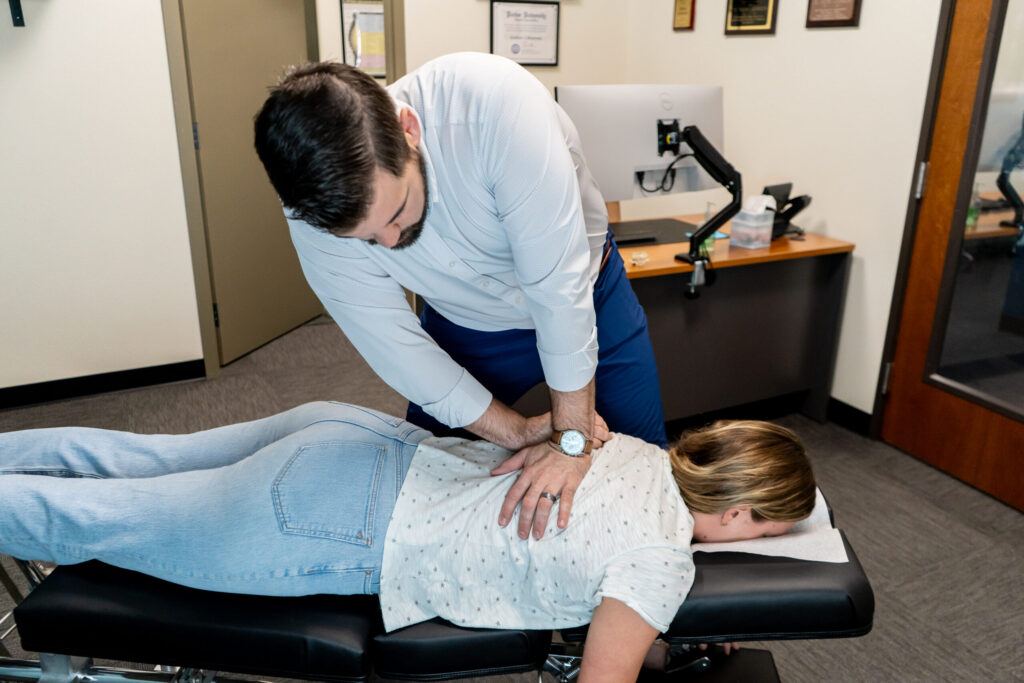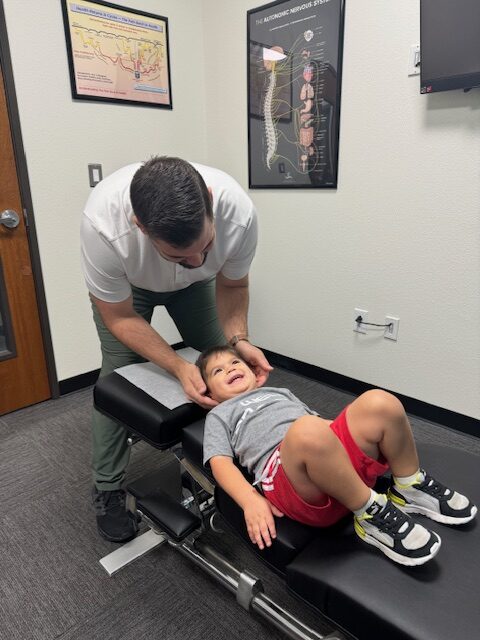

If you're dealing with back pain, I want you to know that you're not alone, and finding effective relief can sometimes feel daunting. As a local chiropractor, I've seen many patients who are unfamiliar with the benefits of chiropractic care and natural healing methods, but I assure you, there are various techniques that can help. From simple stretching exercises to more advanced chiropractic adjustments, each approach has its own unique advantages that can cater to your individual needs and lifestyle.
It's important to understand that combining these techniques may be the key to not only alleviating your current pain but also preventing future discomfort. If you're curious about which strategies might be most effective for you, let's dive into the top ten methods that could transform your approach to back health. Together, we can work towards a pain-free life, enhancing your overall well-being through natural and holistic practices.
Stretching Exercises
As a local chiropractor, I want to share how incorporating stretching exercises into your daily routine can greatly benefit those dealing with back pain. Stretching is a natural way to improve flexibility, reduce muscle tension, and alleviate discomfort without the need for fancy equipment or a gym membership. All you need is a little time and space.
Let's start with some gentle stretches that can be particularly helpful. One effective stretch is the cat-cow pose. Begin on your hands and knees, and alternate between arching your back and rounding it. This motion warms up your spine and helps release built-up tension.
Another beneficial stretch is the child's pose. By sitting back on your heels and extending your arms forward, you can stretch your lower back and often find immediate relief. Aim to hold each stretch for at least 30 seconds, and remember to focus on your breathing for enhanced relaxation.
The spinal twist is another excellent addition to your routine. Whether sitting or lying down, bring one knee across your body to the opposite side, allowing your spine to gently rotate. This stretch not only alleviates tension but also helps improve your mobility.
Additionally, don't overlook hamstring stretches, as tight hamstrings can contribute to back pain. You can perform this stretch by sitting on the floor with one leg extended and reaching toward your toes.
As you engage in these stretches, it's essential to listen to your body. If you experience pain, ease off and adjust your movements. Consistency is crucial; I recommend aiming to stretch daily, especially after long periods of sitting or standing.
Over time, you may notice improvements in your back pain, along with enhanced overall flexibility and mobility. Keep it simple, and you'll likely feel the benefits in your everyday life.
Strengthening Workouts
As your local chiropractor, I want to emphasize the importance of strengthening workouts in addition to stretching exercises. While stretching is beneficial for improving flexibility and relieving tension in your muscles, strength training is crucial for supporting your spine and preventing future discomfort. By focusing on targeted strength exercises, you can build the muscles that surround your spine, leading to enhanced support and stability. This proactive approach not only alleviates your current pain but also helps you avoid potential injuries in the future.
To begin your journey towards a stronger back, I recommend focusing on core exercises that target your abdominal, back, and pelvic muscles. Movements such as planks, bridges, and bird-dogs are excellent options. These exercises engage multiple muscle groups, which promotes better balance and coordination in your body. Aim for 2-3 sets of 10-15 repetitions of each exercise, and gradually increase the intensity as your strength improves.
It's also essential to strengthen your legs, as strong leg muscles contribute to overall body stability—a key component for maintaining a healthy back. Incorporating exercises like squats and lunges will effectively work your quadriceps, hamstrings, and glutes. When these muscles are well-developed, they play a significant role in supporting proper body mechanics during your daily activities.
Additionally, you may want to consider using resistance bands or light weights to further challenge your muscles. Just remember to maintain proper form throughout each movement to prevent any strain on your back.
Building strength takes time and consistency, so I encourage you to be patient with yourself. Set realistic goals and celebrate your achievements along the way. By committing to regular strengthening workouts, you won't only experience relief from back pain but also cultivate a stronger, more resilient body that can better handle the demands of everyday life.
If you have any questions about how to integrate these exercises into your routine or how chiropractic care can complement your strengthening efforts, feel free to reach out. Your health and well-being are my top priorities!
Proper Posture Techniques
As a local chiropractor, I want to emphasize the importance of maintaining proper posture in preventing and alleviating back pain. Many people underestimate how much their daily habits can impact their overall well-being.
By setting up an ergonomic workspace, ensuring your sitting alignment is correct, and following guidelines for standing tall, you can significantly enhance your comfort throughout the day.
Let's delve into these techniques together. An ergonomic desk setup helps to reduce strain on your spine while you work, which is crucial for long-term health.
Proper alignment while sitting—keeping your back straight and feet flat on the floor—can prevent discomfort and support your body's natural posture. Additionally, when standing, it's essential to distribute your weight evenly on both feet and engage your core muscles.
By incorporating these simple yet effective techniques into your daily routine, you can experience a noticeable difference in how you feel.
As your chiropractor, I'm here to help guide you on your journey to better posture and overall wellness.
Ergonomic Desk Setup
As a chiropractor, I believe that an ergonomic desk setup is crucial for preventing back pain and enhancing your overall well-being.
It's important to start with your chair: adjust it so that your feet rest flat on the ground or on a footrest. Your knees should ideally be at or just below hip level, which facilitates proper circulation and reduces strain on your lower back. Selecting a chair that offers support for your lower back is key, as it promotes the natural curve of your spine, which is vital for maintaining spinal health.
Next, let's talk about your computer monitor. Position it at eye level and about an arm's length away. This will help keep your neck in a neutral position, minimizing strain that can lead to discomfort or pain. If you're using a laptop, I recommend utilizing a stand or a separate keyboard to achieve this optimal height.
Your keyboard and mouse should be easily accessible, enabling smooth and effortless movements without causing strain. Using a wrist rest can help ensure your wrists are properly aligned, reducing the risk of injuries like carpal tunnel syndrome during extended typing sessions.
Lastly, don't overlook the importance of lighting in your workspace. Adequate lighting can significantly reduce eye strain, allowing you to focus better without discomfort.
By incorporating these ergonomic principles into your daily routine, you can create a workspace that not only supports your body but also promotes healing and comfort throughout your day.
Sitting Alignment Tips
As a local chiropractor dedicated to your well-being, I want to share some essential sitting alignment tips that can significantly improve your comfort and reduce back pain. Many people overlook how their sitting posture can impact their overall health, but with a few adjustments, you can make a world of difference.
First, let's talk about your feet. It's crucial to have them flat on the floor or resting on a footrest, with your knees bent at a 90-degree angle. This alignment helps distribute your weight evenly and minimizes strain on your lower back, which is often a source of discomfort for many.
Next, focus on your chair. Your back should be fully supported by the lumbar area, so sit back comfortably and avoid slumping or leaning forward. This position helps maintain the natural curve of your spine, which is vital for preventing injury and discomfort.
Keep your shoulders relaxed and your elbows close to your sides, forming another 90-degree angle at your elbows to help reduce tension.
Now, let's address your computer screen. It's important to position it at eye level. This prevents you from tilting your head up or down, which can lead to neck and back issues over time.
Lastly, I can't stress the importance of taking breaks enough. Stand up, stretch, and take a brief walk every hour. This simple practice relieves pressure on your spine and promotes better circulation, enhancing your overall well-being.
By incorporating these sitting alignment tips into your daily routine, you're not only creating a more supportive environment for your back but also empowering yourself to enhance your productivity and health.
If you have any questions or need further guidance, feel free to reach out to my office. Your journey to better health starts here!
Standing Posture Guidelines
As a local chiropractor, I want to emphasize the importance of good standing posture for your overall health and well-being. Proper alignment can significantly reduce back pain and enhance your body's natural healing abilities.
Here are three essential guidelines to help you maintain optimal posture while standing:
- Feet Position: Start by placing your feet shoulder-width apart. This stance allows for balanced weight distribution between both feet, which is crucial for minimizing strain on your back and legs. Remember, stability begins at your foundation!
- Knees and Hips: It's beneficial to keep a slight bend in your knees. This simple adjustment can alleviate pressure on your lower back. Additionally, ensure your hips are level, avoiding any forward or backward tilt. This alignment helps maintain a neutral spine, which is vital for proper function and comfort.
- Shoulders and Head: Focus on rolling your shoulders back and down, away from your ears. This action opens up your chest and promotes a healthier spinal alignment. Keep your head in a neutral position, ensuring your ears are aligned over your shoulders. This will help you avoid the common issue of forward head posture, which can lead to discomfort and pain.
By incorporating these guidelines into your daily routine, you can support your body's natural ability to heal and function optimally.
If you have any questions or would like personalized advice, don't hesitate to reach out for a consultation. Your health is worth it!
Heat Therapy
As a local chiropractor dedicated to helping you understand natural healing methods, I want to highlight the benefits of heat therapy for alleviating back pain. This simple yet effective approach can provide significant relief by applying warmth to the affected area, which promotes blood circulation, relaxes tight muscles, and eases discomfort.
Whether you're facing chronic pain or a muscle strain, incorporating heat therapy into your routine can truly be transformative.
There are various ways to apply heat, and I encourage you to explore which method works best for you. A heating pad is a popular option, providing consistent warmth for targeted relief. Just remember to use it on a low setting to avoid any risk of burns.
Alternatively, you can opt for a hot water bottle or wrap a warm towel around the area; both methods can offer similar benefits. For a more immersive experience, soaking in a warm bath can be incredibly soothing for your back while also helping you relax mentally.
When it comes to timing, I recommend using heat therapy for about 15 to 20 minutes. This duration allows your muscles to relax effectively without the risk of overheating. It's important to listen to your body—if the warmth feels too intense or uncomfortable, don't hesitate to adjust the temperature or remove the heat source.
To maximize the benefits of heat therapy, consider integrating it into your daily routine. You might use it before workouts to loosen up your muscles or after a long day to relieve tension.
Just keep in mind that heat therapy is particularly effective for muscle-related pain. If you suspect that you have an injury or are dealing with inflammation, I advise consulting with your healthcare provider before starting any heat treatment.
With regular use, many of my patients find that heat therapy becomes an essential component of their overall strategy for managing back pain naturally.
Cold Therapy
As a local chiropractor dedicated to helping you understand natural healing methods, I'd like to share the benefits of cold therapy in managing back pain. While many people are familiar with heat therapy for muscle relaxation, cold therapy plays a crucial role in addressing back pain by targeting inflammation and sharp discomfort.
When you apply cold to your back, it constricts blood vessels, which can significantly reduce swelling and alleviate acute injuries. Here are three essential benefits of cold therapy that you should consider incorporating into your pain relief routine:
- Reduces Inflammation: Using ice packs or a cold compress can effectively minimize swelling around any injuries. This is especially beneficial if you've recently strained a muscle or experienced a minor injury, as it helps to control the inflammatory response.
- Numbs Sharp Pain: The cold temperature works to temporarily block pain signals from reaching your brain, offering immediate relief from sharp or stabbing sensations. This can be particularly useful during those moments when back pain becomes overwhelming.
- Improves Recovery: Integrating cold therapy into your recovery routine can accelerate healing. After physical activity, applying cold can prevent soreness and stiffness, allowing you to maintain your mobility and comfort.
To use cold therapy safely and effectively, wrap a cold pack in a cloth and apply it to the affected area for about 15-20 minutes. Be sure to take breaks between applications to avoid frostbite.
Cold therapy is most effective when used immediately after an injury or during flare-ups, making it a valuable tool for quick relief.
As your chiropractor, I encourage you to consider this natural approach to managing back pain and to reach out if you have any questions about how to best incorporate cold therapy into your care plan.
Massage Therapy
As a local chiropractor, I want to share how chiropractic care can significantly aid in relieving back pain.
We utilize a variety of natural healing techniques tailored to your individual needs. It's essential to understand the benefits of chiropractic adjustments and the importance of finding a qualified practitioner who can guide you on your recovery journey.
Let's delve into how chiropractic care can alleviate your discomfort and promote your overall well-being. By addressing the root causes of your pain, we can help restore balance to your body and enhance your quality of life.
Types of Massage Techniques
As a local chiropractor, I want to share some valuable insights into how various massage techniques can significantly alleviate back pain and improve your overall well-being.
Understanding these techniques is essential, especially if you're new to chiropractic care and natural healing. Each method targets different areas of muscle tension and discomfort, making it important to find the one that suits your needs.
Here are three widely recognized massage techniques that can help ease your back pain:
- Swedish Massage: This gentle technique involves long, flowing strokes and kneading to relax your muscles. It's particularly effective for reducing overall tension and promoting a sense of relaxation throughout your body. This can be an excellent complement to your chiropractic adjustments.
- Deep Tissue Massage: If you're dealing with chronic pain or persistent tension, deep tissue massage focuses on the deeper layers of muscle and connective tissue. It's designed to relieve tightness in specific areas of your back, making it an effective option for those of you with localized discomfort.
- Trigger Point Therapy: This technique zeroes in on specific points of muscle tightness, often referred to as "knots." By applying targeted pressure to these areas, trigger point therapy helps release tension and can be particularly beneficial for localized pain. This method can also aid in restoring your range of motion, enhancing the benefits of your chiropractic care.
Incorporating these massage techniques into your wellness routine can work wonders for your back pain and overall health.
If you have any questions or would like personalized recommendations, don't hesitate to reach out. Your journey to healing and wellness is important to me!
Benefits for Back Pain
As a local chiropractor, I understand that finding relief from back pain can sometimes feel overwhelming. One effective method I often recommend to my patients is incorporating massage therapy into their wellness routine. This approach offers a multitude of benefits that can significantly aid your healing journey.
First and foremost, massage therapy is excellent for reducing muscle tension and promoting relaxation. By focusing on specific areas of discomfort, it can effectively alleviate tightness and enhance your overall flexibility. This is particularly important as flexibility plays a crucial role in maintaining a healthy spine.
Moreover, massage boosts blood circulation, which is vital for the healing process. Enhanced circulation ensures that more oxygen and nutrients reach your muscles, facilitating recovery. You'll also benefit from a natural increase in endorphins—your body's own painkillers—which can improve your mood and help relieve stress.
Another key advantage of regular massage therapy is its ability to improve posture. By helping to realign your body and teaching you to carry yourself more healthily, massage can prevent the recurrence of back pain in the future.
Additionally, many patients find that massage fosters a deeper mind-body connection, allowing them to become more aware of where they carry tension and stress.
Incorporating massage therapy into your routine not only addresses your current discomfort but also promotes overall wellness. It's an invaluable tool in your journey toward effective back pain relief.
As a chiropractor, I encourage you to consider this holistic approach to enhance your healing process and improve your quality of life.
Finding a Therapist
When looking for a qualified chiropractor to help with back pain, it's essential to consider their credentials and experience. Chiropractors specialize in understanding the spine and its relationship to overall health, which allows them to tailor their treatments to your unique needs.
Here are three important factors to keep in mind when choosing your chiropractor:
- Qualifications: Ensure that the chiropractor has completed an accredited program and holds the necessary licenses and certifications. This ensures they possess the foundational knowledge to provide effective care and understand the complexities involved in treating back pain.
- Experience: Ask about their experience specifically related to back pain. A chiropractor who's treated many patients with similar issues will be more adept at applying the appropriate techniques and adjustments that can help relieve your discomfort.
- Specializations: Some chiropractors may focus on particular techniques, such as spinal manipulation, soft tissue therapy, or rehabilitation exercises. It's important to find a practitioner whose methods align with your health goals and pain relief needs.
Don't hesitate to ask for recommendations from friends or family, or to read online reviews. Your comfort and confidence in the chiropractor are crucial for a positive treatment experience.
Once you find the right fit, you'll be on the path to alleviating your back pain and embracing the benefits of natural healing through chiropractic care.
Chiropractic Adjustments
As a local chiropractor dedicated to supporting our community's health, I want to share how chiropractic adjustments can be a natural and effective way to alleviate back pain and enhance your overall mobility.
When you come to see me, I'll take the time to assess your posture, movement patterns, and any specific areas where you might be experiencing discomfort. This thorough evaluation allows me to pinpoint the misalignments, or subluxations, that may be affecting your spine.
During a chiropractic adjustment, I apply controlled force to the affected joints, guiding them back into their proper position. You may hear a quick pop or crack, which is a normal part of the adjustment process. This manipulation can help release tension in the surrounding muscles, improve blood circulation, and promote better nerve function.
Many patients feel immediate relief after their first session, but it's important to follow any recommended treatment plan to ensure lasting results.
Regular chiropractic adjustments play a crucial role in maintaining spinal alignment, preventing future issues, and enhancing your overall well-being. I may also provide you with personalized advice on stretches and exercises that are tailored to your specific needs, empowering you to take charge of your recovery and health journey.
If you're new to chiropractic care, I encourage you to choose a licensed practitioner who's experienced in treating back pain. Open communication about your symptoms and any past injuries is key to receiving the best possible care.
With consistent chiropractic adjustments, you can effectively manage your back pain, restore function, and improve your quality of life. Don't wait any longer—take the first step toward a pain-free back by scheduling an appointment with me today!
Mindfulness and Meditation
As a local chiropractor, I want to share the often-overlooked benefits of mindfulness and meditation in managing back pain. These holistic practices can help you develop a deeper awareness of your body and mind, making it easier to navigate discomfort.
By grounding yourself in the present moment, you can significantly reduce stress—one of the key factors that can amplify pain. Here's how you can integrate mindfulness and meditation into your daily routine for better back health:
1. Breath Awareness: Begin by finding a comfortable position, whether sitting or lying down. Close your eyes and concentrate on your breathing. Inhale deeply through your nose, allowing your abdomen to rise, and then exhale slowly through your mouth.
This simple practice not only grounds you but also promotes relaxation, which can help alleviate tension in your back.
2. Body Scan: Once you feel comfortable with breath awareness, you can try a body scan meditation. Start at your toes and gradually shift your focus upward. Pay attention to any areas of tension or discomfort you may be experiencing.
Recognize these sensations without judgment and allow them to soften and release with each breath. This technique fosters a stronger connection to your body and can promote healing.
3. Guided Meditation: I recommend utilizing apps or online resources that offer guided meditations specifically aimed at pain relief. These sessions often incorporate visualization techniques that can distract you from your pain and help cultivate a sense of calm.
By incorporating mindfulness and meditation into your routine, you may enhance the effectiveness of your chiropractic treatments and improve your overall well-being.
Ergonomic Changes
As a chiropractor dedicated to enhancing your health and well-being, I want to emphasize the significant impact that ergonomic changes in your workspace can have on reducing back pain and improving your overall comfort.
Let's start with something as fundamental as your chair. It's essential that your chair provides adequate support for your lower back, allowing your feet to rest flat on the floor. If your chair lacks adjustability, I recommend using a cushion for additional support or investing in a new chair that adheres to ergonomic standards.
Next, let's talk about desk height. For optimal posture, your elbows should be at a 90-degree angle while typing, with your wrists remaining straight. If your desk is either too high or too low, it can create unnecessary strain on your body. You might need to adjust your chair height or consider a keyboard tray to ensure everything is at the right level for you.
Another critical factor is monitor placement. Your screen should be positioned at eye level, approximately an arm's length away. This alignment helps prevent neck strain and promotes better posture. If you're using a laptop, think about elevating the screen and using a separate keyboard to create a more ergonomic setup.
It's also vital to incorporate regular breaks into your work routine. I encourage you to set a timer to remind yourself to stand up, stretch, and walk around every hour. This simple habit can help prevent muscle stiffness and improve circulation, ultimately supporting your spinal health.
Finally, consider the organization of your workspace. Keep frequently used items within easy reach to avoid awkward twisting or stretching that can lead to discomfort.
Professional Treatments
As a local chiropractor, I want to share how professional treatments can significantly enhance your comfort and help you address persistent back pain. While ergonomic adjustments are a great start, sometimes you need a more specialized approach to find lasting relief. That's where chiropractic care comes into play.
Chiropractic care focuses on the alignment of your spine and overall musculoskeletal health. Here are three key benefits of seeking chiropractic treatment:
- Spinal Alignment: Through precise manual adjustments, I can help realign your spine, relieving pressure on nerves and restoring mobility. Many patients experience immediate pain relief and a greater range of motion after just a few sessions.
- Holistic Approach: Chiropractic care isn't just about treating symptoms; it's about understanding the root cause of your discomfort. Together, we'll discuss your lifestyle, posture, and daily habits to create a comprehensive plan that promotes natural healing.
- Personalized Care: Every patient is unique, and so is their treatment plan. I tailor my approach to fit your specific needs, whether that involves adjustments, exercises, or lifestyle changes. My goal is to empower you to take control of your health and prevent future injuries.
It's essential to have an open dialogue about your symptoms and any previous treatments you've tried. This will help me better understand your condition and recommend the most effective treatment plan for you.
Conclusion
As a local chiropractor, I'm here to share some effective techniques for relieving back pain that can significantly enhance your daily life. Many of my patients have found that incorporating stretching exercises and strengthening their core can improve their overall flexibility and stability. It is crucial to maintain proper posture throughout your day to prevent unnecessary strain on your back.
Additionally, I recommend utilizing heat and cold therapies as they can be incredibly beneficial for managing pain. Professional treatments, including chiropractic care, can provide targeted relief and help address the root causes of your discomfort.
Making ergonomic adjustments in your workspace is also key to promoting a healthier back. Lastly, integrating mindfulness practices into your routine can support your long-term wellness. By taking charge of your back health through these natural methods, you'll likely feel a remarkable difference in your quality of life. Remember, I'm here to help you on this journey to better health!