
If you're dealing with nagging back pain, you might be surprised at the range of effective non-invasive solutions available to you. From tailored physical therapy exercises to chiropractic adjustments that realign your spine, there are options that can greatly improve your quality of life. You can also explore complementary techniques like acupuncture and massage therapy, which address the pain at its source. But what if you could enhance these methods with innovative technologies and mindfulness practices? The possibilities for relief may be broader than you think.
Understanding Back Pain
Back pain can be a frustrating experience that affects your daily life. It can stem from various causes, including poor posture, muscle strain, or underlying medical conditions. Understanding the root of your back pain is essential for finding effective relief. You might notice that certain activities, like lifting heavy objects or sitting for extended periods, can exacerbate your discomfort.
It's important to differentiate between acute and chronic back pain. Acute pain usually appears suddenly and lasts for a short time, often linked to injury or strain. Chronic pain, on the other hand, persists for three months or longer, often resulting from ongoing issues like degenerative disc disease or arthritis. Being aware of the type of pain you're experiencing can guide you in seeking appropriate solutions.
Pay attention to the specific locations of your pain. Is it in your lower back, upper back, or radiating down your legs? This detail can help pinpoint the problem and determine the best approach for relief.
Also, consider any lifestyle factors that may contribute to your discomfort, such as inactivity, stress, or obesity.
As you explore back pain relief, remember that self-awareness plays a significant role. By understanding your pain and its triggers, you'll be better equipped to take action.
Whether it's improving your posture, adjusting your daily routines, or seeking professional help, gaining insight into your back pain is the first step toward regaining your comfort and mobility.
Physical Therapy Techniques
When it comes to alleviating back pain, physical therapy techniques can play an essential role. These methods focus on strengthening muscles, improving flexibility, and enhancing overall posture, all of which can greatly reduce pain and prevent future issues.
By working with a qualified physical therapist, you can tailor a program specifically for your needs, ensuring you get the most effective treatment.
Here are some common physical therapy techniques you might encounter:
- Stretching exercises: These help improve flexibility and reduce tension in your muscles, easing discomfort.
- Strengthening exercises: Targeted exercises build the core and back muscles, providing better support for your spine.
- Manual therapy: This hands-on approach can relieve pain and improve mobility through techniques like massage or joint mobilization.
- Postural training: Learning proper posture can help you maintain spinal alignment, reducing strain on your back.
- Heat and cold therapy: Applying heat can relax and loosen tissues, while cold therapy can reduce inflammation and numb sharp pain.
Incorporating these techniques into your routine can lead to considerable improvements in your back pain.
Remember, it's vital to stay consistent and follow your therapist's guidance. With time and dedication, you can achieve lasting relief and a better quality of life.
Don't hesitate to reach out to a physical therapist to start your journey towards a pain-free back.
Chiropractic Adjustments
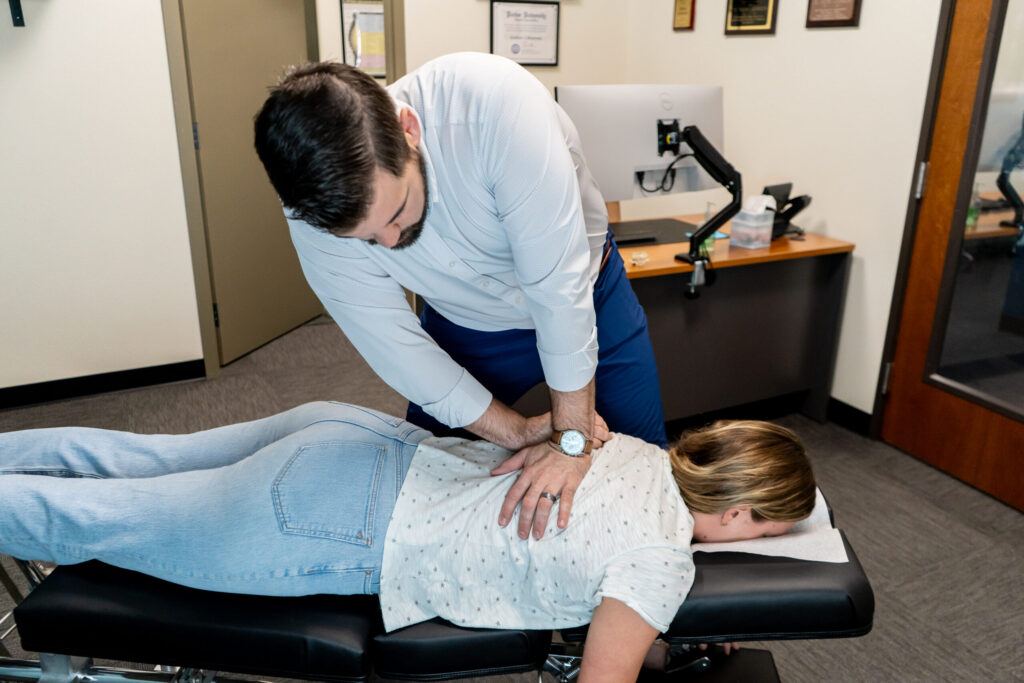
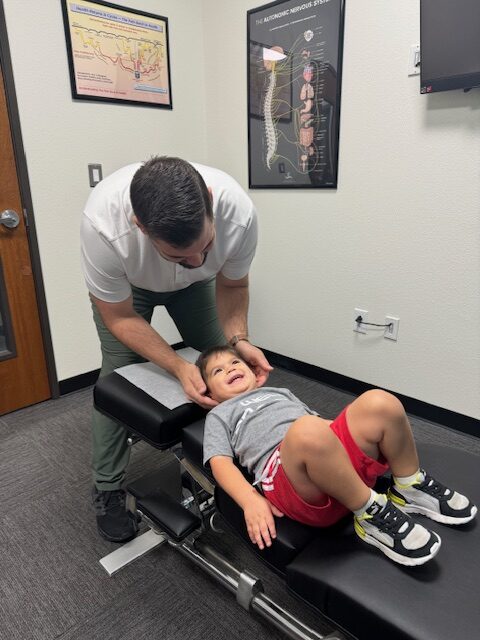
Chiropractic adjustments can offer significant relief from back pain by realigning your spine and improving overall function.
You'll experience various techniques during your sessions, each tailored to your specific needs.
Understanding these benefits and methods can help you make informed choices about your care.
Benefits of Chiropractic Care
Relief from discomfort often leads individuals to explore the benefits of chiropractic care, specifically through adjustments. By opting for chiropractic adjustments, you're taking an effective step toward improving your overall health and well-being.
This approach focuses on aligning your spine and optimizing your nervous system function, which can produce several positive outcomes.
Here are some key benefits you can expect from chiropractic care:
- Pain Relief: Chiropractic adjustments can greatly reduce pain levels in your back, neck, and joints.
- Improved Mobility: Regular adjustments enhance your flexibility and range of motion, making daily activities easier.
- Enhanced Posture: By correcting spinal alignment, you can achieve better posture, reducing strain on your muscles and joints.
- Reduced Tension: Adjustments can alleviate muscle tension, leading to a more relaxed state and reduced stress.
- Holistic Health: Chiropractic care promotes overall wellness, encouraging a natural healing process without relying on medications.
With these benefits, it's clear why many individuals turn to chiropractic care to address their back pain and support their health journey.
Consider incorporating adjustments into your routine for lasting relief.
Techniques Used in Adjustments
Exploring chiropractic adjustments reveals a variety of techniques designed to address specific issues and enhance your overall health.
One popular method is the Diversified Technique, which involves quick, precise thrusts to realign your joints. This technique can help restore motion and reduce pain effectively.
Another method you might encounter is the Gonstead Technique. It focuses on analyzing spinal alignment and using hands-on adjustments to correct misalignments. This approach emphasizes the importance of proper biomechanics for ideal health.
The Activator Method is also a widely used technique. It employs a small handheld device that delivers a gentle impulse to targeted areas, making it a great option if you prefer a less forceful adjustment.
You may also hear about the Thompson Drop Technique, which uses a specialized table that drops slightly during the adjustment. This helps minimize the force needed, making it easier on your body.
Each of these techniques has its own benefits, and your chiropractor will tailor the approach to meet your unique needs.
Mindfulness and Meditation
Mindfulness and meditation can be powerful tools for managing back pain, providing both physical and mental benefits. By incorporating these practices into your routine, you can cultivate a deeper connection between your mind and body, helping you cope with pain more effectively.
When you focus on the present moment, you may find that your perception of pain diminishes, allowing you to feel more relaxed and in control.
Here are some ways mindfulness and meditation can help you with back pain relief:
- Reduced Stress: Practicing mindfulness lowers stress levels, which can contribute to tension in your back.
- Enhanced Awareness: Meditation encourages a heightened awareness of your body, helping you identify pain triggers and postural issues.
- Improved Relaxation: Deep breathing and focused attention promote relaxation, reducing muscle tension and discomfort.
- Pain Acceptance: Mindfulness teaches you to observe pain without judgment, making it easier to accept and manage.
- Better Sleep: Regular meditation can improve sleep quality, which is essential for recovery and overall well-being.
To get started, set aside a few minutes each day for mindfulness or meditation. You can sit quietly, focus on your breath, and let thoughts drift away.
Over time, you'll likely notice a reduction in back pain and an improvement in your overall quality of life. Embrace these practices, and you may discover a new path to relief.
Acupuncture Benefits
Many people find acupuncture to be an effective method for alleviating back pain. This ancient practice, rooted in Traditional Chinese Medicine, involves inserting thin needles into specific points on your body, promoting natural healing and balancing energy flow. If you're struggling with persistent discomfort, acupuncture might be worth considering.
One significant benefit of acupuncture is its ability to reduce inflammation. By targeting specific points, it stimulates the release of anti-inflammatory substances, which can help ease pain and improve mobility. You might notice a decrease in your pain levels after just a few sessions, making it an appealing option for many.
Another advantage is its holistic approach. Acupuncture doesn't just mask symptoms; it aims to address the underlying issues contributing to your back pain. This can lead to longer-lasting relief, rather than temporary fixes provided by pain medications.
Additionally, many patients report improved sleep and relaxation following treatments, further enhancing their overall well-being.
Moreover, acupuncture is generally safe when performed by a trained professional. It carries minimal risks compared to more invasive procedures, making it an attractive alternative for those hesitant about medications or surgeries.
Lastly, the practice encourages you to engage in your healing journey. As you explore acupuncture, you may also discover other lifestyle adjustments that support your recovery.
Massage Therapy Options
When it comes to managing back pain, massage therapy offers various techniques tailored to your needs.
You'll find that different types of massages can provide unique benefits for pain relief, helping to ease tension and promote relaxation.
To get the most out of your sessions, it's crucial to understand the recommended frequency and duration for ideal results.
Types of Massage Techniques
Exploring the various massage techniques can be a game-changer for your back pain relief journey.
Each technique offers unique benefits and can target specific areas of discomfort. By understanding these options, you can choose the best fit for your needs.
- Swedish Massage: This technique uses long, flowing strokes and gentle kneading to relax muscles and improve circulation.
- Deep Tissue Massage: Focusing on deeper layers of muscle and connective tissue, this method relieves chronic tension and pain.
- Trigger Point Therapy: This approach targets specific knots in muscles, helping to release tight areas and alleviate referred pain.
- Sports Massage: Designed for athletes, this technique enhances performance and recovery by addressing muscle tightness and injuries.
- Shiatsu: A Japanese technique that involves finger pressure on points along the body's energy pathways, promoting balance and relaxation.
Benefits for Pain Relief
Massage therapy offers a variety of benefits for pain relief, making it an essential component of your back care routine. One of the most notable advantages is its ability to reduce muscle tension. When your muscles are tight, they can contribute to pain and discomfort. Through targeted techniques, massage helps to relax these muscles, promoting a sense of relief.
Additionally, massage therapy boosts blood circulation in the affected areas. Improved blood flow means that nutrients and oxygen reach your muscles more effectively, aiding in the healing process. This increased circulation can also help reduce inflammation, which is often a source of pain.
Another benefit is the release of endorphins, the body's natural painkillers. By engaging in regular massage, you may find that your pain perception decreases, leading to a more enjoyable daily life.
Plus, massage therapy can improve your range of motion, making it easier to perform everyday activities without discomfort.
Lastly, the mental relaxation that comes with massage shouldn't be overlooked. Reducing stress and anxiety can positively impact your overall well-being, making it easier to cope with back pain.
Frequency and Duration Guidelines
Finding the right frequency and duration for massage therapy can considerably enhance its effectiveness in relieving back pain. To maximize the benefits, you'll want to take into account a few key factors that can guide your treatment plan.
Regular sessions can help maintain muscle health and alleviate pain over time.
Here are some guidelines to keep in mind:
- Initial sessions: Aim for 1-2 times per week for the first month.
- Duration of each session: A typical massage should last between 60 to 90 minutes to guarantee thorough treatment.
- Maintenance phase: After the initial treatment, think about reducing sessions to once every two weeks or monthly, depending on your needs.
- Listen to your body: Pay attention to how your body responds; adjust frequency based on pain levels and stress.
- Consult a professional: Regularly check in with your massage therapist to tailor a plan specific to your condition.
Exercise and Stretching
Regular exercise and stretching are essential for alleviating back pain and improving overall spinal health. When you engage in regular physical activity, you strengthen the muscles that support your spine, which can lead to better posture and reduced discomfort. Aim for a balanced routine that includes aerobic exercises, strength training, and flexibility work. Activities like walking, swimming, or cycling can boost your cardiovascular health while gently engaging your back muscles.
Incorporating stretching into your daily routine is equally important. Stretching helps maintain flexibility and can relieve tension in tight muscles, which often contribute to back pain. Focus on stretches that target the lower back, hamstrings, and hip flexors, as these areas are commonly affected. Simple moves like the cat-cow stretch, child's pose, or gentle torso twists can work wonders.
You don't have to spend hours exercising; even short sessions can yield significant benefits. Start with 10-15 minutes a day and gradually increase your duration as your body adapts. Listen to your body, and don't push through pain. If something doesn't feel right, modify the movement or consult a fitness professional.
Consistency is key. Make exercise and stretching a regular part of your routine to experience lasting relief. As you commit to this lifestyle change, you'll likely find that not only does your back feel better, but your overall well-being improves as well.
Stay active, stay flexible, and prioritize your spinal health for a pain-free future.
Innovative Technology Solutions
Many people are turning to innovative technology solutions to manage and relieve back pain effectively. With advancements in medical technology, you now have access to a variety of non-invasive options that can help alleviate discomfort and improve your quality of life.
These solutions focus on providing relief without the need for invasive procedures or medications, allowing you to take control of your health in a more holistic way.
Here are some innovative technology solutions you might consider:
- TENS Units: These portable devices use electrical stimulation to reduce pain and promote muscle relaxation. They're easy to use and can be applied at home.
- Infrared Heat Therapy: Infrared devices penetrate deeply into the tissue, providing soothing warmth that can help ease muscle tension and reduce inflammation.
- Wearable Posture Correctors: These devices help you maintain proper posture throughout the day, reducing strain on your back and preventing pain from becoming a chronic issue.
- Virtual Reality Therapy: Some programs use VR to provide immersive environments that distract you from pain while teaching you relaxation techniques.
- Mobile Apps: Various apps offer guided exercises, mindfulness practices, and pain tracking, giving you tools to manage your back pain actively.
Conclusion
Incorporating these non-invasive solutions can greatly enhance your back pain relief journey. By combining physical therapy, chiropractic care, and mindful practices, you can improve your spinal health and overall well-being. Don't forget the benefits of acupuncture and massage therapy, which can target pain sources effectively. Embracing innovative technologies like TENS units can also aid in your recovery. Take charge of your back health today, and find the right mix of techniques that work best for you!