
If you're struggling with back pain, you might be wondering about the options available that don't involve surgery or invasive procedures. Non-invasive approaches, like physical therapy, chiropractic care, and acupuncture, offer a range of effective solutions tailored to your needs. Each method aims to alleviate discomfort and improve mobility, but understanding which ones work best for your situation can be a challenge. Curious about how these treatments can fit into your lifestyle and help you regain control? Let's explore some of these alternatives further.
Physical Therapy Techniques
Many people find that physical therapy techniques can greatly alleviate back pain. If you're dealing with discomfort, working with a physical therapist can help you regain strength, flexibility, and mobility. They'll design a personalized treatment plan tailored to your specific needs and goals.
One of the primary techniques used in physical therapy is therapeutic exercise. You'll engage in targeted movements that strengthen your core and back muscles, which provide essential support to your spine. These exercises not only help alleviate pain but also reduce the risk of future injuries. Your therapist will guide you through the correct form and progression to guarantee you're exercising safely and effectively.
Manual therapy is another effective technique. This hands-on approach involves your therapist using their hands to manipulate your muscles and joints. It can help improve circulation, relieve tension, and increase your range of motion. You might experience immediate relief after a session, making this an appealing option.
Additionally, modalities such as heat, ice, or electrical stimulation can be incorporated into your treatment. These techniques help manage pain and inflammation, making it easier for you to participate in your exercise programs.
Chiropractic Adjustments
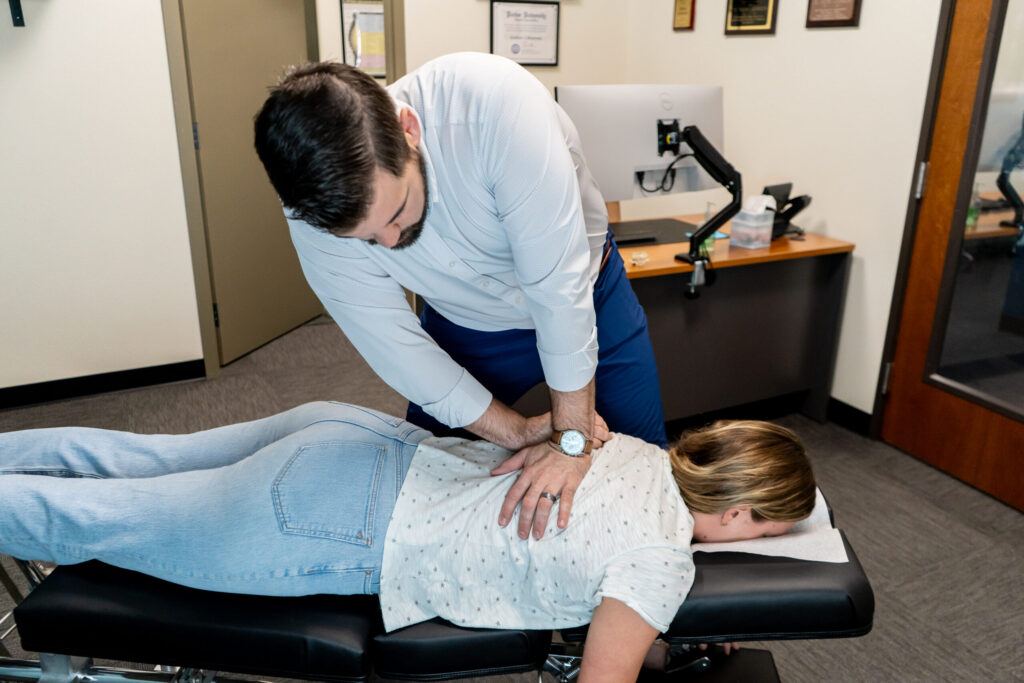
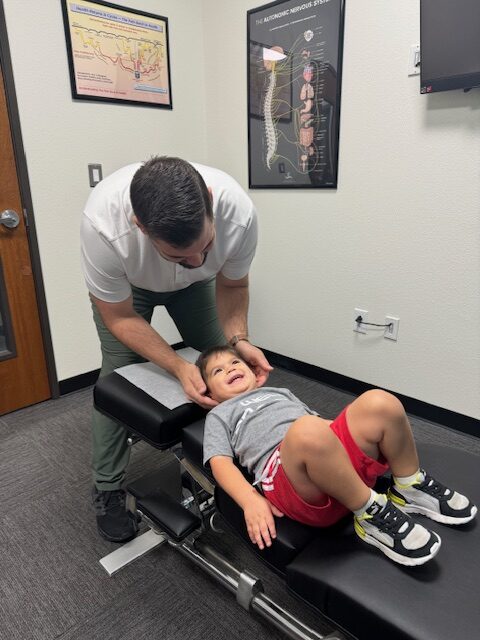
Chiropractic adjustments can play a significant role in alleviating your back pain.
These adjustments use specific techniques to realign your spine, improve mobility, and reduce discomfort.
Benefits of Chiropractic Care
When you seek relief from back pain, chiropractic adjustments can offer significant benefits. These adjustments help realign your spine, allowing your body to function more effectively. By improving spinal alignment, you might experience reduced pain, increased mobility, and enhanced overall well-being.
Chiropractic care can also promote better posture, which is essential if you spend long hours sitting or standing. Improved posture can reduce stress on your spine and surrounding muscles, potentially preventing further issues in the future. Additionally, chiropractic adjustments can help alleviate tension in your muscles, which often contributes to back pain.
Another key benefit is that chiropractic care is non-invasive and drug-free. This means you can avoid potential side effects associated with medications, making it a safer option for many. Regular adjustments can also enhance your body's natural healing processes, allowing you to recover faster from injuries or chronic pain.
Finally, many people find that chiropractic care can improve their overall quality of life. By managing pain effectively, you can engage in daily activities and hobbies with greater ease and enjoyment. Embracing chiropractic adjustments may lead to a healthier, more active lifestyle.
Techniques Used in Adjustments
Several techniques are utilized in chiropractic adjustments to address back pain effectively. One common method is the Diversified Technique, where you'll receive quick, controlled thrusts to realign your spine. This technique aims to restore proper movement and reduce pain in the affected areas.
Another popular approach is the Gonstead Technique, which focuses on specific segments of the spine. Your chiropractor will perform a thorough analysis, using X-rays if necessary, to identify areas of dysfunction and apply precise adjustments. This method can provide immediate relief and improve overall spinal health.
The Activator Method uses a handheld device to deliver a gentle impulse to the spine, which can be particularly beneficial if you prefer a less forceful approach. It's effective for all ages and helps maintain spinal alignment without causing discomfort.
Lastly, the Thompson Technique incorporates a specialized table that drops slightly when your chiropractor applies an adjustment. This drop mechanism enhances the effectiveness of the thrust without requiring excessive force.
Acupuncture Benefits
Acupuncture offers a holistic approach to alleviating back pain, harnessing the body's natural healing abilities. By targeting specific points on your body, acupuncture can stimulate the release of endorphins, which are your body's natural painkillers. This process not only helps reduce pain but can also enhance your overall sense of well-being.
When you undergo acupuncture treatment, you may notice a decrease in muscle tension and improved blood circulation in the affected areas. This increased blood flow can promote healing and reduce inflammation, making it an effective option for managing chronic back pain.
Additionally, acupuncture can help address underlying issues, such as stress or anxiety, that may contribute to your discomfort. Many people find acupuncture sessions to be relaxing, providing a moment of calm amid their hectic lives. This relaxation response can further aid in pain relief, as stress often exacerbates physical discomfort.
Since acupuncture is a minimally invasive procedure, you won't need to worry about severe side effects, making it a safe option for many. If you're considering acupuncture for your back pain, it's important to seek a licensed acupuncturist with experience in treating musculoskeletal conditions.
They can tailor the treatment to your specific needs, helping you achieve the best possible outcomes. By incorporating acupuncture into your pain management routine, you could experience significant relief and improve your quality of life.
Massage Therapy
When it comes to managing back pain, massage therapy offers various techniques and approaches that can provide significant relief.
You'll find that different styles, from deep tissue to Swedish, target specific muscle groups and promote relaxation.
Understanding the benefits of massage can help you make informed choices for your pain management.
Techniques and Approaches
Utilizing massage therapy can be a highly effective way to relieve back pain. You can choose from various techniques that target specific issues and enhance your overall well-being.
One popular approach is deep tissue massage, which focuses on deeper layers of muscle and connective tissue. This technique can help break up muscle knots and increase blood flow, providing relief for chronic pain.
Another method is Swedish massage, known for its gentle strokes and kneading. It promotes relaxation and increases flexibility, making it beneficial for those with tense muscles.
If you're seeking targeted relief, trigger point therapy concentrates on specific tight areas, releasing tension and alleviating discomfort.
You might also consider myofascial release, which involves gentle stretching and applying pressure to fascia, the connective tissue surrounding muscles. This technique can help improve mobility and reduce pain.
Regardless of the method you choose, it's crucial to communicate with your massage therapist about your specific back pain issues. They can customize the session to address your needs effectively.
Benefits for Pain Relief
Massage therapy offers a range of benefits for pain relief that can greatly improve your quality of life. By targeting specific muscle groups and areas of tension, massage helps to reduce pain and stiffness in your back. It promotes relaxation, which can alleviate stress-related pain and tension.
When you receive regular massages, you may notice improved circulation, which enhances the delivery of oxygen and nutrients to your muscles, aiding in recovery and reducing inflammation. This increased blood flow can also help in the healing of muscle injuries, leading to quicker relief from chronic pain.
Moreover, massage therapy triggers the release of endorphins, your body's natural painkillers. This not only helps to diminish your perception of pain but can also elevate your mood and promote an overall sense of well-being.
You'll also find that consistent massage therapy can improve your flexibility and range of motion, making it easier to engage in daily activities without discomfort.
Ultimately, incorporating massage into your pain management plan can empower you to take control of your back pain, allowing you to enjoy a more active and fulfilling life.
Yoga and Stretching
Relief from back pain often begins with the simple practice of yoga and stretching. Incorporating these techniques into your daily routine can greatly improve your flexibility, strengthen your muscles, and alleviate tension in your back. You don't need to be an expert; even basic poses can make a difference.
Start with gentle stretches like the cat-cow pose or child's pose, which help increase mobility in your spine. As you progress, you can explore deeper stretches such as the downward-facing dog or pigeon pose. These poses target various muscle groups, providing relief to tight areas and helping to prevent future discomfort.
Consistency is key. Aim to practice yoga and stretching at least three times a week, gradually increasing the duration and intensity as your body becomes accustomed to the movements. Remember to listen to your body; if a stretch causes pain, ease off and modify the pose.
In addition to physical benefits, yoga promotes mindfulness and relaxation, which can reduce stress—a common contributor to back pain. Breathing techniques, often incorporated in yoga practices, can further enhance relaxation and help you manage pain.
Whether you join a class or follow online tutorials, make it a point to include yoga and stretching in your routine. You'll likely find that not only does your back feel better, but you may also experience improved overall well-being. Give it a try; your back will thank you!
Hot and Cold Therapy
When you're dealing with back pain, hot and cold therapy can be a simple yet effective way to manage discomfort. Both methods offer unique benefits that can help alleviate pain and promote healing.
Applying heat to your back can help relax tight muscles and improve circulation. You might consider using a heating pad, warm towel, or taking a hot bath. Aim to apply heat for about 15-20 minutes at a time. Just be cautious of burns, especially if you have sensitive skin.
Heat works best for chronic pain or muscle stiffness, so if you notice your pain is due to tightness, this could be the way to go.
On the other hand, cold therapy can be beneficial for reducing inflammation and numbing sharp pain. Ice packs or a bag of frozen vegetables wrapped in a towel can do the trick. Apply cold for 10-15 minutes, allowing your skin to return to normal temperature between uses.
Cold therapy is particularly useful right after an injury or for acute pain.
You can also alternate between hot and cold therapies, as this can enhance blood flow and reduce swelling. Just listen to your body; if one method feels better than the other, stick with what works for you.
Mindfulness and Meditation
Exploring non-invasive options for back pain, mindfulness and meditation can play a significant role in your overall management strategy. These practices help you cultivate awareness and acceptance of your body, which can be especially beneficial when dealing with persistent pain. By focusing on the present moment, you can reduce stress and anxiety, both of which often exacerbate discomfort.
Mindfulness involves paying attention to your thoughts and feelings without judgment. When you apply this to your experience of back pain, you might notice how certain emotions or stressors trigger tension in your body. Recognizing these patterns can empower you to manage your pain more effectively.
Meditation, on the other hand, provides a structured way to practice mindfulness. You can start with just a few minutes each day, gradually increasing the duration as you become more comfortable.
To incorporate mindfulness and meditation into your routine, find a quiet space where you won't be disturbed. Begin by closing your eyes and taking deep, slow breaths. Focus on the rhythm of your breath, allowing your thoughts to come and go without getting caught up in them.
You can also visualize a peaceful scene or use guided meditations designed for pain relief.
Lifestyle Modifications
Regular lifestyle modifications can greatly impact your experience with back pain. By making small but significant changes, you can reduce discomfort and improve your overall well-being.
Start by focusing on your posture. Whether sitting at a desk or standing, maintaining a neutral spine can help prevent unnecessary strain on your back. Use ergonomic furniture, and be mindful of your body mechanics during daily activities.
Next, consider your physical activity. Incorporating regular exercise into your routine strengthens your core muscles, which support your spine. Aim for low-impact activities like walking, swimming, or yoga, which can enhance flexibility and reduce stiffness.
Don't underestimate the importance of weight management. Carrying excess weight can put additional stress on your back. A balanced diet rich in whole foods can help you maintain a healthy weight while providing essential nutrients for your body.
Sleep also plays a vital role in managing back pain. Confirm you have a supportive mattress and pillow, and try to sleep in positions that keep your spine aligned.
Lastly, managing stress through techniques like deep breathing, tai chi, or engaging in hobbies can alleviate tension in your body, which may contribute to back pain.
Conclusion
Incorporating non-invasive options for back pain can markedly enhance your quality of life. By exploring physical therapy, chiropractic care, acupuncture, and massage therapy, you can find the relief you need without resorting to invasive procedures. Don't forget to include yoga, hot and cold therapy, and mindfulness practices in your routine. With these approaches, you're not just managing pain; you're actively working towards a healthier, more flexible back and a happier you.