
If you're struggling with chronic back pain, you might be looking for effective, non-invasive solutions that don't rely on medication or surgery. You may find that therapies like acupuncture, chiropractic care, and massage can offer relief while addressing the root of the issue. Each approach has its own benefits, which can be tailored to your specific needs. But, what if there's even more you can do to enhance your recovery? Let's explore some practical strategies that could change your approach to managing pain.
Understanding Chronic Back Pain
Chronic back pain affects millions of people worldwide, often disrupting daily activities and diminishing quality of life. You might find yourself struggling to perform simple tasks, like bending down to tie your shoes or lifting a grocery bag. Understanding the nature of your pain is vital for managing it effectively.
Chronic back pain typically lasts longer than three months, and it can stem from various causes, including injuries, poor posture, or underlying health conditions.
You may notice that your pain can vary in intensity, sometimes feeling like a dull ache and other times sharp or shooting. This unpredictability can make it challenging to plan your day, as the pain might flare up unexpectedly. Additionally, emotional factors like stress and anxiety can exacerbate your condition, creating a cycle that's tough to break.
Identifying the specific type of back pain you're experiencing is essential. For instance, if your pain radiates down your leg, it could indicate nerve involvement, while localized pain might suggest muscle strain. Keeping a pain journal can help you track your symptoms and identify triggers.
Don't hesitate to consult with healthcare professionals to gain insights into your condition. They can guide you through understanding the biomechanics of your back and help you recognize patterns in your pain.
Physical Therapy Techniques
Managing your chronic back pain effectively often involves exploring various physical therapy techniques. These tailored approaches can help you regain strength, improve flexibility, and reduce discomfort.
One common technique is therapeutic exercise, where a physical therapist guides you through specific movements designed to strengthen your core muscles. By doing so, you create a more stable support system for your spine.
Another effective method is manual therapy, which includes hands-on techniques to relieve tension and improve mobility in your back and surrounding muscles. Your therapist might use gentle stretching, joint mobilization, or massage to help alleviate pain and enhance your range of motion. This can be particularly beneficial for addressing tightness and discomfort.
Education plays a crucial role in physical therapy. Your therapist will likely teach you about proper body mechanics and posture to help you avoid future injuries. Learning how to lift objects correctly and maintain good posture during daily activities can greatly impact your overall back health.
Additionally, modalities like heat and cold therapy, ultrasound, or electrical stimulation may be integrated into your treatment plan. These techniques can help reduce inflammation and promote healing.
Don't underestimate the importance of consistency. Regular sessions and adherence to your exercise routine can lead to long-term improvements in your condition.
Chiropractic Care Benefits
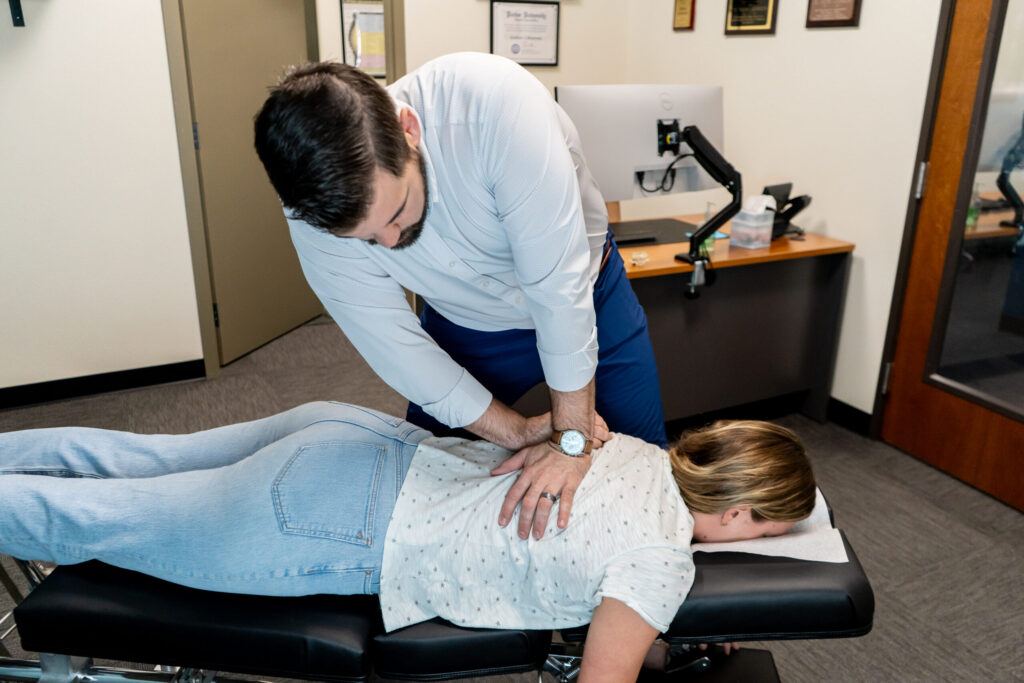
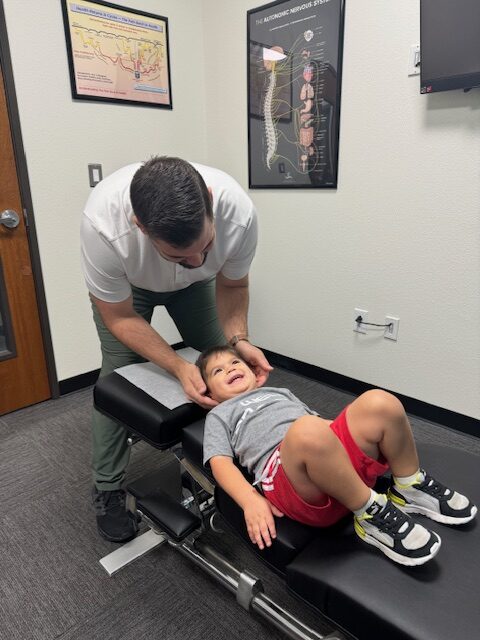
When it comes to alleviating back pain, chiropractic care offers a range of benefits that can enhance your overall well-being. By focusing on the spine and its alignment, chiropractors can help you find relief from discomfort and improve your quality of life.
Here are three key benefits of chiropractic care you should consider:
- Pain Relief: Chiropractic adjustments target misalignments in your spine, which can relieve tension and pressure on nerves. This can lead to significant reductions in pain, allowing you to engage more fully in daily activities.
- Improved Mobility: Regular chiropractic visits can enhance your range of motion. As your spine aligns properly, you'll notice increased flexibility and ease when moving, whether it's bending over to tie your shoes or lifting objects.
- Holistic Approach: Chiropractors often emphasize overall wellness. They may offer lifestyle advice, nutritional guidance, and exercise recommendations tailored to your needs. This thorough approach helps you achieve not just immediate relief, but long-term health improvements.
Incorporating chiropractic care into your routine can lead to lasting benefits for your back and overall health.
If you're struggling with chronic back pain, consulting with a chiropractor might be a game-changer. You owe it to yourself to explore this effective non-invasive solution, and with the right support, you can get back to living life to the fullest.
Acupuncture for Pain Relief
When you consider acupuncture for pain relief, it's crucial to understand how it works.
This ancient practice stimulates specific points in your body to promote healing and reduce discomfort.
Let's explore the science behind its effectiveness and what you can expect during a typical treatment session.
Mechanism of Acupuncture
Acupuncture offers a fascinating approach to pain relief by targeting specific points on the body to stimulate healing. This ancient practice works on the principle of balancing energy, or "Qi," throughout your body.
By inserting fine needles into designated points, acupuncture promotes circulation, reduces inflammation, and triggers the release of natural pain-relieving chemicals.
Here are three key mechanisms behind acupuncture's effectiveness:
- Endorphin Release: When you undergo acupuncture, your body releases endorphins, the natural painkillers that help alleviate discomfort and promote a sense of well-being.
- Nerve Stimulation: The needles stimulate sensory nerves, which can alter pain perception. This can lead to a decrease in the intensity of pain signals sent to your brain.
- Increased Blood Flow: Inserting needles into specific points enhances blood flow to the area, aiding in tissue repair and reducing pain caused by inflammation.
Scientific Evidence Supporting Effectiveness
Over the years, numerous studies have emerged, highlighting acupuncture's effectiveness in alleviating various types of pain. Research shows that acupuncture can greatly reduce chronic back pain, providing a safe alternative to more invasive treatments. In a meta-analysis involving over 17,000 participants, researchers found that those receiving acupuncture reported greater pain relief compared to those who received no treatment or standard care.
Another study published in the Journal of Pain highlighted how acupuncture not only reduces pain but also improves functional mobility, allowing you to engage in daily activities more comfortably. In fact, many patients experience lasting relief even after treatment has concluded.
A systematic review in the Archives of Internal Medicine concluded that acupuncture is more effective than placebo for chronic back pain, reinforcing its role as a viable option. This growing body of evidence suggests that if you're struggling with chronic back pain, acupuncture could be worth considering.
With minimal side effects and a holistic approach, acupuncture offers you a pathway to better pain management. As you explore your options, the scientific support for acupuncture's effectiveness can provide reassurance that you're making an informed choice.
Treatment Process Overview
Understanding the treatment process can help you feel more comfortable as you consider acupuncture for chronic back pain relief. This holistic approach involves inserting thin needles at specific points in your body to stimulate energy flow and promote healing.
Here's a quick overview of what to expect:
- Initial Consultation: You'll discuss your medical history, symptoms, and treatment goals with a qualified acupuncturist. This helps tailor the treatment to your specific needs.
- Treatment Sessions: During your sessions, you'll lie comfortably while the acupuncturist gently inserts needles into targeted areas. The needles are usually left in place for about 20 to 30 minutes, allowing your body to respond to the treatment.
- Post-Treatment Care: After the session, you may experience some relaxation or mild soreness. It's important to hydrate and monitor your body's response. Your acupuncturist may recommend follow-up sessions based on your progress.
Acupuncture can be a powerful tool for managing chronic back pain. By understanding the process, you'll be more equipped to embrace this effective, non-invasive solution.
Mindfulness and Meditation
In the quest for relief from chronic back pain, mindfulness and meditation offer powerful tools to help you manage discomfort and improve your overall well-being. These techniques encourage you to focus on the present moment, reducing stress and tension that often exacerbate pain. By practicing mindfulness, you become more aware of your body and its sensations, which can empower you to respond to pain with greater calmness and acceptance.
To get started, find a quiet space where you can sit or lie down comfortably. Close your eyes and take a few deep breaths, grounding yourself in the present. As thoughts arise, acknowledge them without judgment and gently bring your focus back to your breath or a specific area of your body. This practice not only shifts your attention away from pain but also helps you cultivate a sense of inner peace.
Meditation, when combined with mindfulness, can deepen your relaxation and enhance your pain management skills. You might try guided meditations specifically designed for pain relief, which can lead you through visualizations or affirmations that promote healing. Regular practice can change how your brain processes pain signals, making it easier to cope with discomfort.
Incorporating mindfulness and meditation into your daily routine can create a powerful impact on your pain management strategy. By dedicating just a few minutes each day, you'll build resilience against chronic back pain, ultimately improving your quality of life.
Exercise and Strength Training
Mindfulness and meditation lay a strong foundation for managing chronic back pain, but incorporating exercise and strength training can greatly enhance your results. You might be surprised to learn that consistent physical activity not only alleviates pain but also improves your overall mobility and strengthens the muscles that support your spine.
Here are three key benefits of integrating exercise and strength training into your routine:
- Improved Flexibility: Stretching exercises can increase your range of motion and reduce stiffness in your back. Regular stretching helps keep your muscles and ligaments flexible, making everyday movements easier.
- Enhanced Muscle Strength: Strength training targets the core, back, and pelvic muscles that support your spine. By building strength in these areas, you create a more stable foundation, which can help prevent future injuries and alleviate pain.
- Better Posture: Exercise encourages good posture, reducing the strain on your back. By training your body to maintain proper alignment, you can minimize the risk of developing chronic pain from poor habits.
Start with low-impact activities like walking, swimming, or cycling, and gradually introduce strength training exercises using body weight or resistance bands.
Always listen to your body and consult a healthcare professional before beginning any new exercise program. With commitment and consistency, you can greatly improve your quality of life and take charge of your chronic back pain.
Massage Therapy Approaches
Massage therapy can be a powerful tool for relieving chronic back pain, offering various techniques tailored to your needs.
Regular sessions can enhance flexibility, reduce tension, and promote overall well-being.
To get the most benefit, it's crucial to choose a qualified therapist who understands your specific challenges.
Techniques for Pain Relief
Exploring various massage therapy approaches can offer significant relief for chronic back pain. These techniques focus on manipulating soft tissues to alleviate tension and enhance mobility.
Here are three effective methods you might consider:
- Swedish Massage: This classic technique uses long strokes, kneading, and circular movements to relax your muscles and improve circulation, helping to ease pain and stiffness.
- Deep Tissue Massage: If you're dealing with chronic pain, deep tissue massage targets deeper layers of muscle and connective tissue. It's particularly beneficial for those with knots or chronic tension, promoting healing through pressure and stretching.
- Trigger Point Therapy: This specialized approach pinpoints specific areas of tightness, known as trigger points, that refer pain to other parts of your body. By applying focused pressure on these points, you can release tension and alleviate referred pain.
Incorporating these massage techniques into your pain management routine can provide immediate relief and contribute to your overall wellness.
Experimenting with different styles will help you discover what works best for your body and specific pain issues.
Benefits of Regular Massage
Regularly engaging in massage therapy can lead to a multitude of benefits that extend beyond mere pain relief. For starters, massage helps reduce muscle tension, which can alleviate discomfort and improve your overall mobility.
When you incorporate massage into your routine, you're not just addressing pain; you're also enhancing blood circulation. This improved flow of blood nourishes your muscles and tissues, promoting faster recovery from injuries and reducing inflammation.
Additionally, massage therapy can greatly decrease stress and anxiety levels. The soothing effects of touch stimulate the release of endorphins, your body's natural feel-good hormones. You'll likely find that regular sessions help you feel more relaxed and focused, which can contribute to a better overall quality of life.
Moreover, consistent massage can improve posture by targeting the muscles and connective tissues that contribute to misalignment. With better posture, you'll experience less strain on your back, which can further prevent chronic pain.
Choosing a Qualified Therapist
When it comes to choosing a qualified therapist for your massage therapy needs, it's essential to evaluate their credentials and experience. You want someone who not only understands the complexities of back pain but also possesses the skills to help alleviate it.
Here are three key factors to take into account:
- Licensure and Certification: Confirm your therapist holds a valid license and is certified by a reputable organization. This indicates they've undergone proper training and adhere to industry standards.
- Specialization: Look for a therapist who specializes in treating chronic back pain. Different modalities exist, and a specialist will be more equipped to tailor their approach to your specific needs.
- Client Reviews and Testimonials: Research what others have to say about their experiences. Reliable reviews can provide insight into the therapist's effectiveness, professionalism, and ability to create a comfortable environment.
Ergonomics and Posture Improvement
Many people underestimate the impact of proper ergonomics and posture on chronic back pain. If you spend long hours sitting at a desk or performing repetitive tasks, poor posture can lead to unnecessary strain on your back. By making simple adjustments in your workspace and being mindful of your body mechanics, you can greatly reduce your discomfort.
Start by evaluating your workstation. Your chair should support your lower back, allowing your feet to rest flat on the floor. Position your computer screen at eye level to prevent hunching over, and keep your keyboard and mouse within easy reach.
Remember to take regular breaks—stand up, stretch, and move around every hour. This'll help relieve tension and keep your muscles engaged.
When it comes to your daily activities, be conscious of your posture. Practice standing tall with your shoulders back and your head aligned over your spine. If you need to lift something heavy, bend at your knees instead of your waist. This technique distributes the weight more evenly and protects your back.
Investing time in improving your ergonomics and posture can lead to lasting relief from chronic back pain. It's not just about comfort; it's about creating a sustainable lifestyle that minimizes strain on your body.
Alternative Therapies Overview
Exploring alternative therapies can offer valuable relief for chronic back pain, especially when traditional methods fall short. These therapies often target the underlying causes of pain and can be tailored to your specific needs.
Here are three alternative therapies worth considering:
1. Acupuncture: This ancient Chinese practice involves inserting thin needles into specific points on your body. Many people find that acupuncture helps reduce pain and improve overall well-being by promoting blood flow and releasing endorphins.
2. Chiropractic Care: Chiropractors focus on the alignment of your spine and musculoskeletal system. Through adjustments and manipulations, they aim to relieve pressure on nerves, reduce inflammation, and enhance your range of motion.
Regular sessions can help maintain spinal health and prevent future flare-ups.
3. Massage Therapy: Therapeutic massage can alleviate muscle tension and improve circulation. Whether you prefer deep tissue massage or a gentle relaxation technique, working with a licensed massage therapist can provide significant relief from chronic back pain.
Each of these therapies has its own benefits and may work differently for you.
It's crucial to consult with a healthcare provider to determine the best approach for your unique situation. By exploring these alternative therapies, you may discover effective ways to manage your chronic back pain and improve your quality of life.
Lifestyle Changes for Prevention
Prevention is key in managing chronic back pain, and making intentional lifestyle changes can greatly reduce your risk of flare-ups. Start by focusing on maintaining a healthy weight. Extra pounds can put unnecessary strain on your back, so adopting a balanced diet and engaging in regular physical activity can make a significant difference. Aim for at least 150 minutes of moderate aerobic exercise each week, like walking or swimming, to help strengthen your core muscles and improve flexibility.
Next, pay attention to your posture. Whether you're sitting at a desk or lifting heavy objects, maintaining proper alignment can prevent undue stress on your spine. When sitting, keep your feet flat on the floor and your back supported. When lifting, bend at your knees and keep the load close to your body.
Incorporating stretching and strengthening exercises into your routine can also help. Focus on your back, abdomen, and legs to improve overall stability. Yoga and Pilates are excellent options for enhancing flexibility and strength while promoting relaxation.
Finally, prioritize rest and recovery. Confirm you're getting enough sleep each night, as quality rest is essential for your body to heal and function efficiently. Practicing stress management techniques, such as mindfulness or deep breathing exercises, can also help reduce tension that may contribute to back pain.
Conclusion
Incorporating these effective non-invasive solutions can help you manage chronic back pain and regain control of your life. By exploring therapies like acupuncture, chiropractic care, and massage, along with lifestyle changes and mindfulness practices, you can find relief and improve your overall well-being. Remember, it's crucial to listen to your body and consult with healthcare professionals to create a personalized approach that works best for you. Take the first step towards a pain-free life today!