
When it comes to managing back pain, a one-size-fits-all approach often falls short. You might find that generic treatments overlook your unique symptoms and lifestyle, leaving you feeling frustrated. Personalized back pain plans can shift the focus to your specific needs, enhancing both your recovery and motivation. By tailoring strategies to what works for you, these plans not only improve outcomes but also empower you to take control of your health. So, what elements should you consider in creating a truly effective plan?
Understanding Back Pain
Back pain can feel overwhelming, but understanding its roots is the first step toward relief. You may experience back pain for various reasons, and pinpointing the cause is essential for effective treatment. Common issues include muscle strains, herniated discs, arthritis, and even poor posture. Each of these factors can lead to discomfort, affecting your daily life.
When you think about your back pain, consider your lifestyle. Are you sitting for long periods? Lifting heavy objects? These habits can contribute considerably to your condition. Identifying the activities that exacerbate your pain allows you to make necessary adjustments.
Additionally, your physical health plays a crucial role; being overweight or lacking core strength can put extra strain on your back.
Emotional stress can also manifest as physical pain. You might find that when you're feeling anxious or overwhelmed, your muscles tense up, leading to discomfort. Recognizing this connection can empower you to manage your stress effectively, benefiting both your mental and physical health.
To truly understand your back pain, it's important to reflect on your history. Have you'd previous injuries? Do you have a family history of back problems? These factors can provide valuable insights into your current situation.
Limitations of Generic Treatments
Generic treatments for back pain often miss the mark because they assume a one-size-fits-all approach.
Since everyone's pain experience is unique, these standard solutions may not effectively address your specific issues.
This raises concerns about the overall efficacy of treatments that don't consider your individual needs.
One-Size-Fits-All Issues
Many people struggle with back pain, yet they often receive the same generic treatments regardless of their unique conditions. This one-size-fits-all approach can lead to frustration and disappointment. You might find that a standard prescription for pain relief or a generic exercise routine doesn't address your specific issues, leaving you feeling stuck and hopeless.
Generic treatments fail to take into account the nuances of your individual pain. For instance, if your back pain stems from a sports injury, a standard stretching routine may not provide the targeted relief you need. You might even experience worsening symptoms as you try to follow a plan that doesn't cater to your situation.
Additionally, relying on these blanket solutions can result in wasted time and resources. Instead of feeling empowered to take control of your recovery, you might feel like you're on a never-ending cycle of ineffective treatments.
When you receive personalized care tailored to your specific needs, you're more likely to see progress and regain your quality of life. Embracing a customized approach can make all the difference in your journey toward relief from back pain.
Individual Pain Variability
Pain can vary markedly from one person to another, making it essential to recognize how individual differences impact treatment outcomes. What works for your friend mightn't work for you, and that's a significant consideration in managing back pain. Your pain experience is shaped by various factors, including your medical history, lifestyle, and emotional state.
Generic treatments often overlook these nuances, leading to frustrating results. For instance, while one person may find relief through over-the-counter medication, another might need physical therapy or specific exercises tailored to their unique condition. If you don't address your individual pain profile, you could waste time and resources on ineffective solutions.
Moreover, your pain perception can change based on stress levels, mood, and even sleep quality. This variability means a one-size-fits-all approach can fall short. Recognizing that your pain is unique empowers you to seek personalized solutions that align with your specific needs.
Treatment Efficacy Concerns
While standard treatments may seem like a convenient solution for back pain, their effectiveness often falls short for many individuals. You might find that a generic approach, like over-the-counter pain relievers or basic physical therapy, provides minimal relief. This is primarily because such treatments don't account for the unique characteristics of your pain, including its underlying causes and your personal health history.
Generic treatments often overlook specific factors that contribute to back pain, such as muscle imbalances, lifestyle choices, or even emotional stressors. As a result, you could end up wasting time and money on solutions that don't work for you.
Additionally, relying on a one-size-fits-all approach can lead to frustration and chronic pain, pushing you to seek more tailored options later on.
Benefits of Personalization
Personalized back pain plans often lead to better outcomes because they address your unique needs and circumstances. When you tailor a plan specifically for your situation, you're more likely to engage with the treatment process.
You'll find that your motivation increases when you see that your plan reflects your lifestyle, preferences, and specific pain triggers.
One of the key benefits of personalization is that it helps you identify the most effective interventions for your pain. Instead of following a one-size-fits-all approach, you'll explore options that suit you best, whether that's physical therapy, exercise regimes, or alternative treatments.
This targeted strategy can lead to quicker relief and improved functionality.
Additionally, personalized plans often incorporate your goals. Maybe you want to return to a favorite activity or simply enjoy a pain-free day at work.
By focusing on what matters to you, your treatment becomes more meaningful, which can enhance adherence and commitment.
You'll also benefit from regular check-ins and adjustments to your plan based on your progress. This adaptability guarantees that your treatment evolves alongside your needs, preventing stagnation and promoting continuous improvement.
Ultimately, a personalized approach empowers you. You're not just a passive recipient of care; you're an active participant in your healing journey.
With the right plan in place, you're more likely to achieve long-term relief and regain control over your life.
Factors Influencing Back Pain
Your back pain can be influenced by a mix of lifestyle choices and genetic factors.
Things like your daily activities, diet, and exercise habits play a significant role in how your back feels.
On top of that, if you have a family history of back issues, that might increase your risk as well.
Lifestyle Choices
When it comes to managing back pain, lifestyle choices play an essential role. Your daily habits can markedly impact your spine health. For instance, maintaining a healthy weight helps reduce strain on your back. If you're carrying extra pounds, shedding them through a balanced diet and regular exercise can make a noticeable difference in your pain levels.
Moreover, your posture matters. Whether you're sitting at a desk or lifting heavy objects, proper alignment is critical. You should be mindful of how you position your body throughout the day. Incorporating stretching and strengthening exercises into your routine can also improve flexibility and support your back.
Sleep quality shouldn't be overlooked either. A good mattress and proper sleeping positions can alleviate discomfort. If you often wake up with back pain, it might be time to reassess your sleep setup.
Lastly, managing stress through relaxation techniques like yoga or meditation can help reduce muscle tension in your back.
Genetic Predisposition
Genetic predisposition plays a significant role in your experience of back pain, influencing everything from the structure of your spine to your body's response to injury. If you have a family history of back problems, you might find yourself more susceptible to similar issues. Certain genetic factors can affect the integrity of your discs and joints, making you more prone to conditions like herniated discs or osteoarthritis.
Moreover, your body's inflammatory response is also influenced by genetics. Some people naturally have a heightened inflammatory response, which can exacerbate pain and slow down recovery. This means that if you're dealing with back pain, your genetic makeup might be a key player in how severe and persistent it feels.
Understanding your genetic predisposition is essential for crafting a personalized back pain plan. By recognizing these factors, you can work with healthcare professionals to tailor treatments that suit your specific needs.
Whether it involves targeted exercises, lifestyle modifications, or even preventive measures, knowing your genetic background can empower you to take control of your back health more effectively. Embracing this knowledge can lead to more successful pain management strategies that fit you better.
Developing a Customized Plan
Creating a customized plan for back pain relief involves evaluating your unique symptoms, lifestyle, and goals. First, take a close look at your symptoms. Are they sharp, dull, or sporadic? Do they worsen after certain activities? Understanding these details helps identify patterns that contribute to your pain.
Next, consider your lifestyle. What does a typical day look like for you? If you spend hours sitting at a desk, your plan might include specific stretches or ergonomic adjustments. If you're more active, you might need a routine that focuses on strength-building exercises to support your back.
Your goals also play an important role. Are you aiming for complete pain relief, or is your focus on improving mobility? Setting clear, achievable goals allows you to measure your progress and adjust your plan as needed.
It's essential to incorporate a mix of activities into your customized plan. This might include physical therapy, exercise, mindfulness techniques, or even dietary adjustments. Consistency is key, so find activities you enjoy and can stick with over time.
Finally, monitor your progress regularly. Keep a journal of your symptoms and how they respond to different aspects of your plan. This reflection will help you pinpoint what works and what doesn't, enabling you to tweak your approach for best results.
Role of Healthcare Professionals
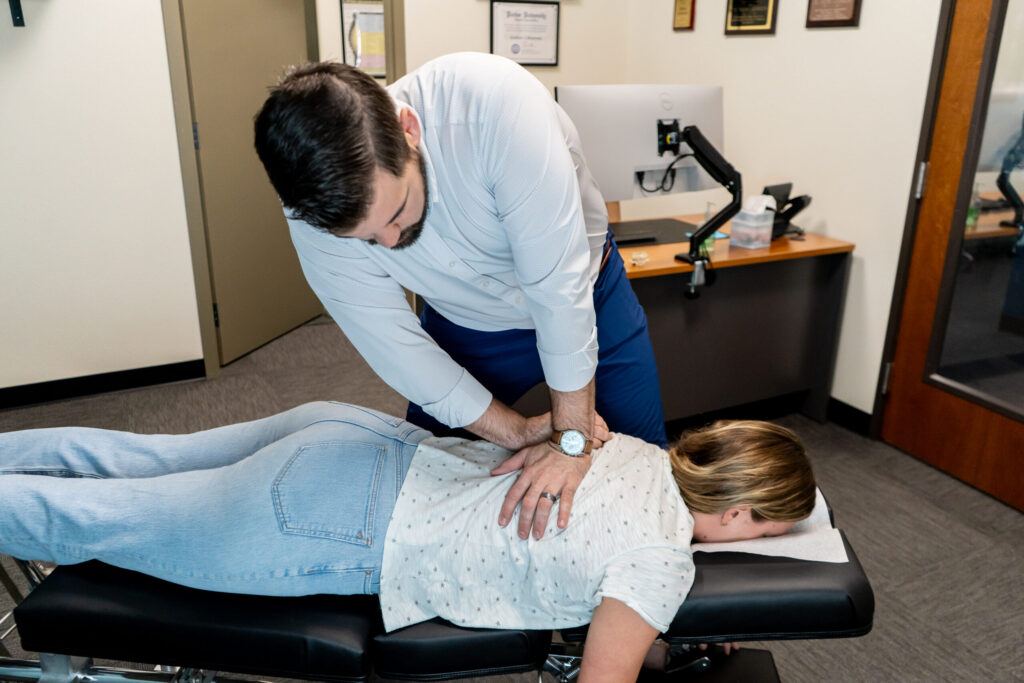
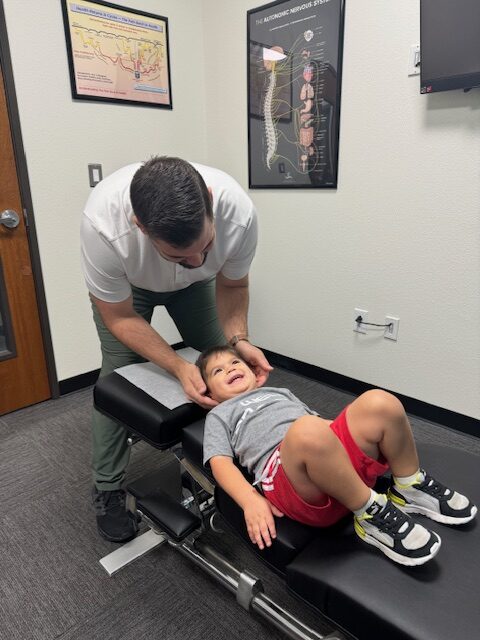
Healthcare professionals play an essential role in developing and guiding your personalized back pain plan. They bring expertise that helps you understand the underlying causes of your pain and tailor strategies that suit your specific needs. Whether it's a physician, physical therapist, chiropractor, or pain specialist, their insights are invaluable in creating an effective plan.
When you first consult a healthcare professional, they'll assess your condition through physical examinations, medical history reviews, and possibly imaging tests. This thorough evaluation allows them to pinpoint the root cause of your back pain, which is vital for devising an appropriate treatment strategy. They'll consider factors like your lifestyle, activity levels, and any pre-existing conditions you may have.
Once they've gathered all the necessary information, these professionals collaborate with you to set realistic goals. They'll recommend a combination of treatments, which may include physical therapy, medication, exercise regimens, or even alternative therapies like acupuncture.
Regular check-ins will help them monitor your progress and make adjustments to your plan as needed, ensuring you stay on track.
Furthermore, healthcare professionals provide education on pain management techniques, helping you understand how to care for your back and prevent future issues. Their guidance empowers you to take an active role in your recovery, reducing the likelihood of re-injury.
In short, having a skilled healthcare team by your side greatly enhances the effectiveness of your personalized back pain plan, leading to better outcomes and improved quality of life.
Success Stories and Case Studies
Over the past few years, many individuals have found success in managing their back pain through personalized plans tailored to their specific needs.
Take Sarah, for instance. After struggling with chronic pain for years, she consulted a specialist who created a detailed plan incorporating physical therapy, targeted exercises, and mindfulness techniques. Within weeks, Sarah noticed significant improvements in her mobility and overall well-being.
Then there's John, who faced debilitating pain due to a herniated disc. His personalized approach included a blend of manual therapy and strength training, focusing on core stability. With the guidance of his healthcare team, John not only alleviated his pain but also gained confidence in his body's capabilities.
These success stories highlight the importance of tailored solutions. Each person's journey is unique, and what works for one may not work for another. Personalized plans factor in your lifestyle, preferences, and specific pain triggers, making it easier for you to stick with them.
Consider Lisa, who incorporated yoga into her routine. By following a customized yoga regimen designed for her specific back issues, she found a new way to manage her pain without relying solely on medication.
These examples demonstrate that when you invest time in creating a personalized back pain plan, you're not just managing symptoms; you're actively working towards a healthier, more fulfilling life.
You deserve a plan that's as unique as you are, and these success stories prove it's possible.
Future of Back Pain Management
The future of back pain management is promising, with innovative approaches and technologies on the horizon. You'll see a shift toward more personalized care that tailors treatments to your unique needs. As research evolves, new methods will emerge that focus not just on alleviating symptoms but on addressing the root causes of pain.
Here are some exciting developments to look forward to:
- Wearable technology that tracks your posture and movement, providing real-time feedback to prevent back strain.
- Telehealth services that connect you with specialists from the comfort of your home, ensuring you receive expert advice when you need it.
- AI-driven diagnostics that analyze your medical history and lifestyle habits, helping to create a customized treatment plan.
- Regenerative medicine, such as stem cell therapy, which aims to promote healing in damaged tissues and reduce chronic pain.
- Virtual reality therapy that immerses you in controlled environments to help you manage pain and improve mobility.
These advancements not only promise to enhance your experience but also foster a proactive approach to back health. By focusing on prevention and personalized treatment plans, you can take control of your back pain management.
Embracing these innovations will empower you to lead a more active and fulfilling life, free from the constraints of chronic pain. As the landscape of back pain management evolves, you'll find that your options for relief and recovery are broader than ever before.
Conclusion
Incorporating personalized plans for back pain management can truly transform your recovery journey. By recognizing the unique factors influencing your pain and tailoring strategies to your specific needs, you're more likely to see meaningful progress. Embracing this customized approach not only enhances your treatment outcomes but also empowers you to take control of your back health. As you move forward, remember that a personalized plan is key to achieving lasting relief and reclaiming your active lifestyle.