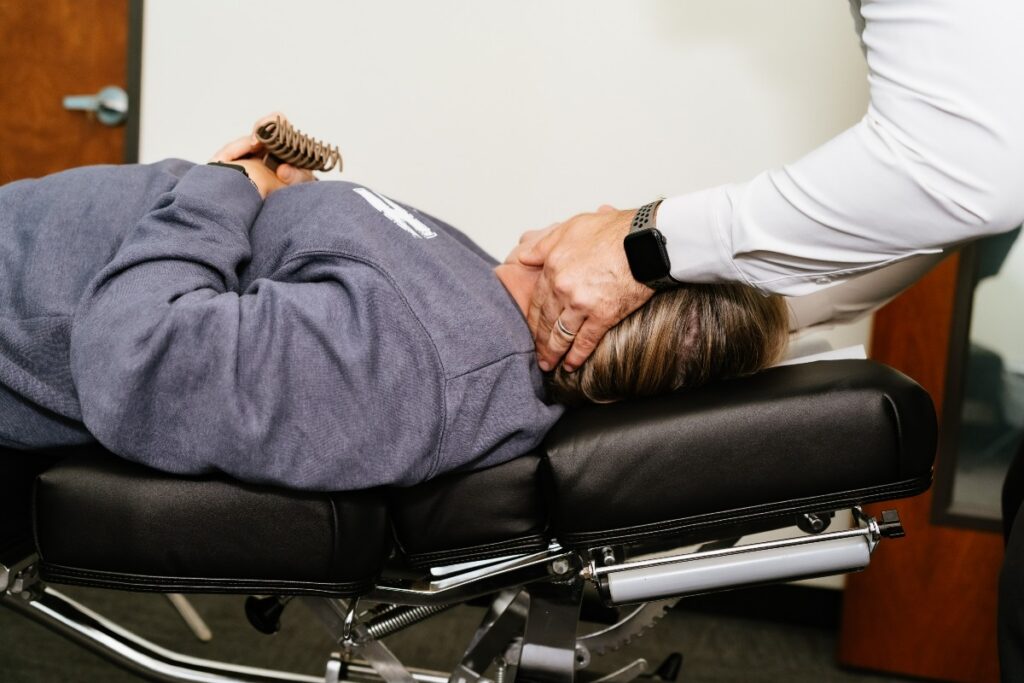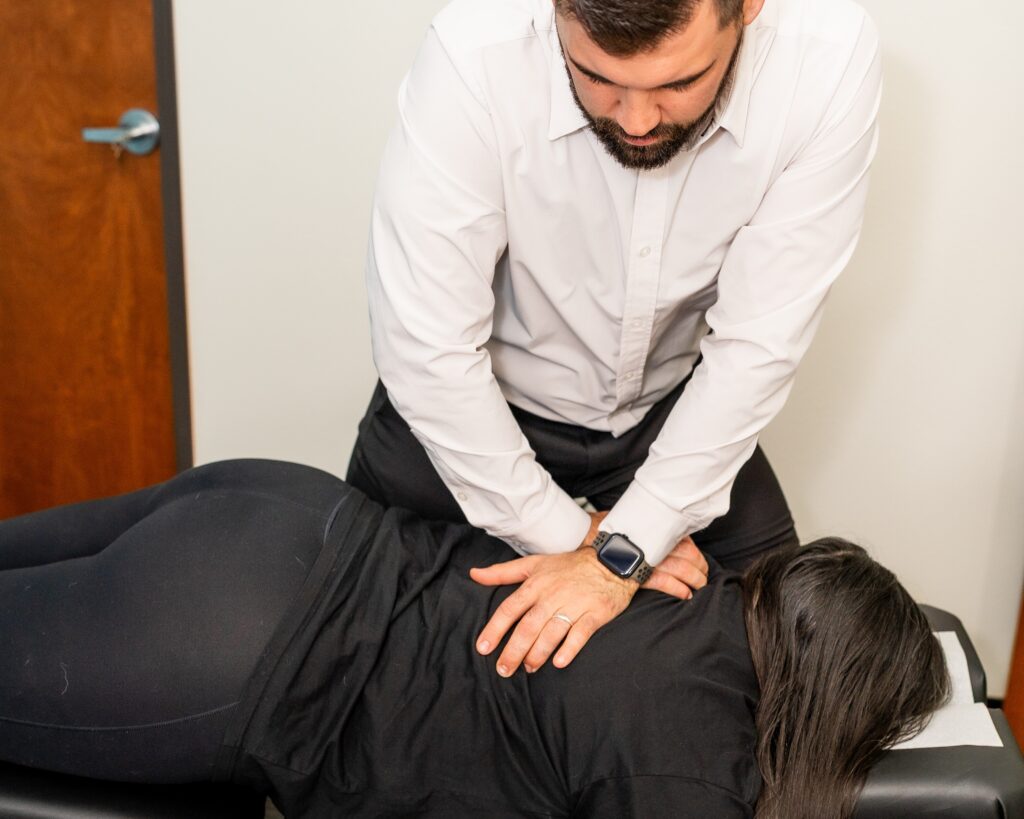

You might find it surprising that many athletes consistently overlook essential recovery support, often driven by a culture that glorifies relentless training and competition. This mindset can lead to feelings of guilt when you consider taking a break, making it hard to prioritize recovery. You may also struggle with time constraints and a lack of understanding about how critical rest is for performance. As you reflect on your own experiences, it raises an important question: what are the consequences of neglecting recovery, and how can you start shifting this narrative?
The Culture of Competition
In today's fast-paced sports world, the culture of competition defines not just the athletes but the entire landscape of athletics. You see it everywhere—athletes pushing their limits, sacrificing personal well-being for the sake of performance. The pressure to succeed can be overwhelming, driving many to prioritize winning over their health.
This relentless pursuit often leads to a dangerous mindset where the importance of recovery gets overlooked. As an athlete, you're constantly aware of your rivals, and this awareness fuels your desire to excel. You might feel that taking time off for recovery could set you back, making you vulnerable to competitors.
This mentality creates a cycle where pushing through pain and fatigue becomes the norm. You may find yourself ignoring warning signs, thinking that rest is a sign of weakness.
But here's the reality: the culture of competition, while motivating, can also be harmful. It fosters an environment where athletes often equate their worth with their performance. This relentless drive can lead to injuries and burnout, ultimately hindering your long-term success.
In understanding this culture, you can begin to challenge these ideas. Embracing recovery as an essential part of your training routine doesn't mean you're less committed; in fact, it shows you're dedicated to your craft.
Prioritizing recovery can enhance your performance, allowing you to compete stronger and longer. By shifting your perspective, you can redefine what it means to be a successful athlete in today's competitive world.
Misunderstanding Recovery Importance
Many athletes underestimate the critical role recovery plays in their performance.
You might think pushing harder is the key to success, but ignoring recovery science can actually hinder your progress.
Prioritizing performance over rest can lead to burnout and injuries, making it essential to recognize the importance of giving your body the time it needs to heal.
Ignoring Recovery Science
Recovery is often overlooked in the pursuit of athletic excellence, leading to misguided beliefs about its significance. Many athletes underestimate the science behind recovery, thinking it's just a break from training. This mindset can hinder your performance and longevity in the sport.
Understanding recovery isn't just about resting; it's about optimizing your body's ability to heal and improve. You might experience:
- Increased risk of injury due to insufficient recovery time.
- Decreased performance levels as fatigue accumulates.
- Mental burnout from constant training without breaks.
- Missed opportunities for muscle growth and strength gain.
Ignoring recovery science means you're not tapping into the full potential of your body. Studies show that proper recovery strategies can enhance your athletic capabilities, improve focus, and even boost your overall mood.
By dismissing these scientific insights, you're putting yourself at a disadvantage. Instead of seeing recovery as a weakness, embrace it as a crucial component of your training regimen.
Prioritize understanding the recovery process, and you'll notice a significant difference in your performance and well-being. Don't let misconceptions about recovery hold you back from achieving your best athletic self.
Prioritizing Performance Over Rest
Focusing solely on performance can easily lead you to neglect the significant role of rest in your athletic journey. You might believe that pushing harder and training more will automatically yield better results. However, this mindset can backfire. When you prioritize performance over rest, you risk burnout, injuries, and diminished returns on your hard work.
Your muscles need time to recover and repair after intense training sessions. Without adequate rest, you're not allowing your body to adapt and grow stronger. You might feel like you're making progress, but fatigue and stress can hinder your potential. Ignoring recovery can also impact your mental state, leading to decreased motivation and focus.
Understanding the balance between training and recovery is essential. Incorporating rest days, sleep, and active recovery can enhance your performance in the long run. Instead of viewing rest as a weakness, recognize it as a powerful component of your training regimen.
Time Constraints and Scheduling
Balancing training, competitions, and recovery can feel overwhelming when you're juggling multiple priorities.
You might find that tight training regimens leave little room for adequate recovery, making it tough to stay at your best.
Plus, with limited resources available, scheduling your recovery effectively becomes even more critical.
Competing Priorities
Athletes often juggle multiple commitments, from training sessions to personal obligations, making time management an essential skill. When you're balancing your sport, academics, work, and social life, it's easy to overlook recovery support. You might feel like you're constantly racing against the clock, leaving little room to prioritize your well-being.
Here are some competing priorities that can make recovery feel like a low priority:
- Intense Training Schedules: Your focus is often on performance, pushing recovery to the back burner.
- Academic Responsibilities: Assignments and exams can take up valuable time, leaving you exhausted.
- Social Life: Friends and family expect your attention, which can distract from self-care.
- Work Commitments: If you're working to support your athletic endeavors, it can eat into your recovery time.
With these competing priorities, it's vital to find a balance. You might need to set boundaries, plan your week effectively, or even enlist help from coaches and family members.
Tight Training Regimens
With tight training regimens, the pressure to maximize performance can leave little room for recovery. You're likely caught in a cycle of intense workouts, skill drills, and competitions, which can overshadow your need for rest and recuperation.
As you push yourself to excel, it's easy to prioritize the next training session over important recovery practices. These time constraints often mean you're cramming in workouts, leaving no adequate time for your body to repair and rebuild.
You might tell yourself that skipping recovery sessions is the price of commitment, but this mindset can lead to burnout or injury. The reality is that without proper recovery, you won't perform at your best in the long run.
Scheduling conflicts can further complicate your ability to incorporate recovery strategies. Between training, competitions, and other responsibilities, fitting in even a short recovery session might seem impossible.
However, recognizing that recovery is just as essential as training can shift your perspective. By prioritizing recovery, you'll enhance your overall performance, allowing you to train more effectively and sustainably.
Don't overlook this critical component—your body will thank you for it.
Limited Availability of Resources
How can you effectively manage your time when resources for recovery are so limited? As an athlete, your schedule is often packed with training, competitions, and other commitments, leaving little room for recovery.
It's vital to prioritize how you use your time, even when it feels like there aren't enough hours in the day.
Here are some strategies to help you make the most of your limited recovery resources:
- Set specific recovery goals: Identify what you need—whether it's more sleep, hydration, or stretching—and focus on those areas.
- Utilize small pockets of time: Use breaks between workouts or travel time for quick recovery techniques like foam rolling or meditation.
- Create a structured schedule: Block out time for recovery just like you do for training. Treat it as an essential part of your routine.
- Communicate with your team: Discuss your needs with coaches and support staff so they can help you find time for recovery within your tight schedule.
Mental Barriers to Rest
Rest often feels like an elusive goal for many athletes, overshadowed by the relentless pressure to perform and improve. You might find yourself caught in a cycle where rest feels like a weakness rather than a necessity. The mental barriers to rest can be intimidating, often rooted in a fear of falling behind or not meeting expectations. You may worry that taking a break will set you back, giving your competitors an edge. This mindset can lead you to push through fatigue, ignoring your body's signals for recovery.
Moreover, you might grapple with feelings of guilt when you're not training. It's easy to equate constant activity with dedication and success, but this can create a toxic relationship with rest. You might think that if you're not sweating it out in the gym, you're somehow letting yourself down. This kind of thinking can cloud your judgment and prevent you from recognizing the crucial role that recovery plays in your overall performance.
Additionally, you could be influenced by the culture around you, where the loudest voices often celebrate hustle over balance. When everyone around you seems to embrace an all-or-nothing mentality, it becomes harder to prioritize rest.
Ultimately, overcoming these mental barriers requires a shift in perspective. You need to remind yourself that rest isn't just a pause; it's an essential component of your athletic journey. Embracing rest can lead to improved performance, better mental clarity, and a more sustainable approach to your sport.
Lack of Education on Recovery
Many athletes struggle not only with the mental barriers to rest but also with a lack of education on recovery strategies. You may find yourself pushing through fatigue and ignoring the signs your body sends. The problem often lies in not knowing how to effectively recover, which can lead to burnout, injuries, and reduced performance.
You might think that recovery is just about taking a day off, but it's so much more than that. Here are some key recovery strategies you may not be aware of:
- Active Recovery: Gentle movements like walking, yoga, or swimming can help improve circulation and reduce soreness.
- Nutrition: Proper post-workout nutrition, including protein and carbs, can aid muscle repair and replenish energy stores.
- Sleep Hygiene: Prioritizing quality sleep is essential. Establishing a bedtime routine can enhance the restorative benefits of sleep.
- Mindfulness Practices: Techniques like meditation or breathing exercises can help manage stress and improve mental clarity, aiding your recovery.
If you're not educated on these strategies, it's easy to overlook them. You may feel compelled to train harder instead of focusing on the recovery your body desperately needs.
Addressing this gap in knowledge is crucial for your overall performance and longevity in your sport. Recognizing the importance of recovery can transform your approach and help you achieve your athletic goals more effectively.
Overemphasis on Physical Training
Often, athletes focus heavily on physical training, believing that more hours in the gym or on the field will automatically lead to better performance. This mindset often blinds you to the importance of recovery, which is just as essential for success. You might think that pushing your limits every day will build strength and endurance, but overtraining can lead to fatigue, injury, and burnout.
When you prioritize physical training above all else, you risk neglecting key components of your overall well-being. You might skip rest days or ignore the signs your body gives you when it needs a break. This can create a cycle where your performance plateaus or even declines, despite the time and effort you put in. Remember, muscles don't grow during workouts—they grow during recovery.
Moreover, an overemphasis on physical training can lead to a one-dimensional approach to your sport. You may overlook the mental aspects of training, such as focus, strategy, and emotional resilience. Balancing your physical workouts with mental conditioning and recovery strategies is crucial for achieving peak performance.
Ultimately, you have to recognize that training is just one piece of the puzzle. If you want to reach your full potential, it's essential to integrate recovery into your routine. By understanding that rest and recuperation are integral to your training, you'll pave the way for long-term success and longevity in your sport.
Integrating Recovery Into Training
When you integrate recovery into your training regimen, you're not just taking breaks—you're enhancing your overall performance. Recovery is an essential component that allows your body to repair, adapt, and grow stronger.
It's easy to think of training as solely about pushing limits, but neglecting recovery can lead to burnout and injuries.
To truly optimize your performance, consider these strategies for integrating recovery into your routine:
- Schedule Rest Days: Plan regular rest days to give your muscles time to recover. This isn't just about doing nothing; it's about allowing your body to heal and rebuild.
- Active Recovery: Incorporate activities like yoga, swimming, or light jogging on your rest days. These low-impact exercises promote blood flow and aid in muscle recovery without taxing your body.
- Nutrition Matters: Fuel your body with the right nutrients post-workout. Focus on protein for muscle repair and carbohydrates to replenish energy stores.
- Sleep Well: Never underestimate the power of a good night's sleep. Quality sleep is vital for muscle recovery, hormonal balance, and overall athletic performance.
Conclusion
In a culture that prizes constant activity, it's easy to overlook the importance of recovery. You must recognize that rest isn't a sign of weakness but an essential part of your training. By prioritizing recovery, you can prevent burnout and injuries, ultimately enhancing your performance. Break free from the guilt associated with downtime, and take the time to integrate effective recovery strategies into your regimen. Embrace the balance between training hard and resting well for long-term success.