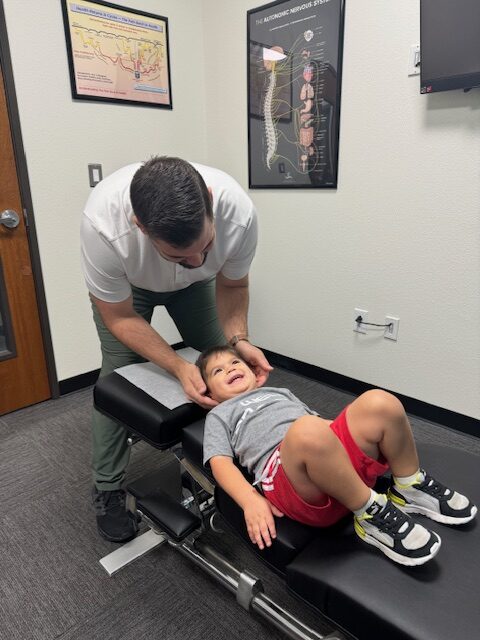

If you're tired of the relentless grip of tension headaches, it might be time to contemplate chiropractic care as a viable solution. Unlike over-the-counter pain relievers, chiropractic adjustments target the underlying issues, helping to realign your spine and ease muscle tension. You might be surprised at how these tailored treatments can transform not just your headache frequency but your overall well-being. But what exactly does a chiropractic session involve, and how can it fit seamlessly into your life? Let's explore the essential aspects of chiropractic care and what it can do for you.
Understanding Tension Headaches
Tension headaches are one of the most common types of headaches people experience, affecting millions every year. You might find yourself dealing with this dull, aching pain that typically wraps around your head, creating a band-like sensation.
Unlike migraines, tension headaches don't usually come with nausea or sensitivity to light, but they can still be debilitating. You may notice the pain intensifies as your day progresses, especially during stressful periods or after long hours spent at a desk.
These headaches can arise from various factors, including poor posture, muscle tension, or emotional stress. You might clench your jaw or tighten your neck and shoulder muscles without even realizing it, leading to that familiar discomfort.
It's important to recognize that these headaches are often your body's way of signaling distress. When you ignore the warning signs, the pain can escalate and become more frequent.
You might also experience tension headaches during times of fatigue or anxiety. They can feel like an unwelcome companion, interrupting your daily activities.
Identifying triggers is vital, as understanding what sparks your headaches can help you manage them more effectively.
In your journey to relieve tension headaches, consider adopting relaxation techniques and ergonomic adjustments in your workspace. Not only can these strategies alleviate pain, but they can also improve your overall well-being.
Common Causes of Tension Headaches
Many factors contribute to the onset of tension headaches, making it important to recognize what triggers your discomfort. One of the most common causes is stress. When you're under pressure, whether from work, personal relationships, or financial concerns, your muscles can tense up, leading to headache pain.
Poor posture is another notable contributor. If you spend long hours hunched over a computer or slouching on the couch, the strain on your neck and shoulders can result in tension headaches. You mightn't even realize how your body is positioned, but maintaining proper posture can prevent these headaches from developing.
Dehydration is also a key factor. If you're not drinking enough water throughout the day, your body can become dehydrated, which may trigger headache symptoms. Make it a habit to stay hydrated, especially during busy or hot days.
Lack of sleep is another common cause. If you're not getting enough rest, your body can become fatigued, making it more susceptible to headaches. Prioritizing a good night's sleep can greatly reduce your headache frequency.
Finally, eye strain from prolonged screen time can lead to tension headaches. If you're staring at screens for extended periods without breaks, your eyes and surrounding muscles can become fatigued, resulting in discomfort.
Symptoms of Tension Headaches
When you experience a tension headache, you might notice several physical symptoms, like tightness in your neck and shoulders.
Alongside these, emotional and mental signs can also surface, such as irritability or difficulty concentrating.
Recognizing these symptoms can help you take the right steps toward relief.
Common Physical Symptoms
Headaches can manifest in various ways, and recognizing the physical symptoms of tension headaches is essential for effective management. You might experience a dull, aching pain that feels like a tight band around your head. This discomfort often radiates from the back of your neck or shoulders, making it hard to focus on daily tasks.
You may also notice tenderness in your scalp, neck, or shoulder muscles. These areas can feel tight or stiff, which can further exacerbate your headache. Sometimes, this tension can lead to a reduced range of motion in your neck, making it uncomfortable to turn your head.
Additionally, you might feel pressure behind your eyes or in your forehead, which can intensify your discomfort. Some individuals also experience light sensitivity, causing bright lights to feel overwhelming.
While tension headaches are typically not debilitating, their persistent nature can affect your quality of life. By recognizing these common physical symptoms early, you can take proactive steps toward relief, including seeking chiropractic care to address underlying issues and alleviate the pain.
Emotional and Mental Signs
Tension headaches often come with emotional and mental signs that can greatly impact your daily life. You might find yourself feeling more irritable, anxious, or even depressed, which can make everything feel overwhelming.
These headaches can cloud your focus, making it tough to concentrate on tasks or enjoy activities you once loved. You may also experience a sense of fatigue or mental fog, leaving you drained and unable to function at your best.
This mental strain can lead to increased stress, creating a cycle that exacerbates your headaches. If you notice these emotional symptoms, it's crucial to pay attention, as they can affect your relationships and overall well-being.
Additionally, you might find that your sleep patterns are disrupted. Poor sleep can heighten your emotional distress, making it even harder to cope with daily challenges.
Recognizing these signs is the first step toward managing tension headaches more effectively. By seeking chiropractic care, you can address not just the physical symptoms but also the emotional toll these headaches take, helping you regain control over your mental and emotional health.
Don't let tension headaches dictate your life; take action and seek relief.
The Role of Chiropractic Care
Chiropractic care plays an essential role in managing tension headaches by addressing the underlying musculoskeletal issues that often contribute to their occurrence. When you experience tension headaches, tightness in the neck and upper back can play a significant part. Chiropractors focus on realigning the spine and reducing muscle tension, which can help alleviate the pain you're feeling.
During your visits, your chiropractor will assess your posture, spinal alignment, and range of motion. They'll identify any areas of restriction or misalignment that could be causing your headaches. By utilizing various techniques, such as spinal manipulation and soft tissue therapy, your chiropractor can restore proper function to your spine and muscles. This not only helps relieve immediate pain but also reduces the likelihood of future headaches.
Additionally, chiropractors often provide you with personalized exercises and stretches to perform at home. These exercises can strengthen your neck and shoulder muscles, improve your posture, and enhance your overall spinal health.
Understanding the root cause of your tension headaches is essential, and chiropractic care offers a holistic approach to treatment.
Benefits of Chiropractic Treatment
Finding effective relief from tension headaches often leads individuals to explore the benefits of chiropractic treatment. One of the main advantages is that chiropractic care addresses the root cause of your headaches rather than just masking symptoms. By focusing on spinal alignment and overall body mechanics, chiropractors help restore balance, which can greatly reduce the frequency and intensity of your headaches.
Chiropractic treatment promotes relaxation and decreases muscle tension in your neck and shoulders. When these areas are tight, they can contribute to headache pain. Regular adjustments can help alleviate this tension, making it easier for you to manage stress and improve your overall well-being.
Another benefit is the personalized approach you receive during treatment. Your chiropractor will assess your specific situation, tailoring a plan that suits your needs. This customized care not only targets headaches but also addresses other contributing factors, such as posture and lifestyle habits.
Additionally, chiropractic care can enhance your overall quality of life. As your headaches diminish, you'll likely find it easier to engage in daily activities, stay focused at work, and enjoy leisure time with family and friends.
Finally, many patients report improved sleep after starting chiropractic care. Better sleep can help you cope with stress and reduce the likelihood of tension headaches.
How Chiropractic Adjustments Work
When you visit a chiropractor, they perform adjustments to realign your spine and improve your overall function. These adjustments involve applying controlled force to specific joints in your spine, restoring proper alignment and mobility. This process helps reduce tension in the muscles surrounding the spine, which can alleviate the pressure contributing to tension headaches.
As your chiropractor assesses your posture and spinal alignment, they pinpoint areas where misalignments occur. These misalignments can lead to nerve irritation and muscle strain, often causing discomfort and pain. By correcting these issues, chiropractic adjustments help your body function more efficiently, allowing for better communication between your brain and nervous system.
During an adjustment, you might hear a popping sound, which is the release of gas bubbles within the joint. This sound is normal and indicates that the joint has been mobilized successfully. You may also feel immediate relief as tension dissipates and blood flow to the affected areas increases.
Chiropractic adjustments not only target immediate discomfort but also help prevent future headaches by promoting long-term spinal health. Regular visits can enhance your overall wellness, reducing stress on your body and minimizing the frequency of tension headaches.
Ultimately, chiropractic care empowers you to take control of your health, providing a natural and effective approach to managing pain and improving your quality of life. So, if you're grappling with tension headaches, consider chiropractic adjustments as a viable solution.
Techniques Used by Chiropractors
Chiropractors use a variety of techniques to help alleviate tension headaches.
You'll find that spinal adjustments can provide significant relief, while soft tissue therapy addresses muscle tightness.
Additionally, posture correction techniques play an essential role in preventing future headaches.
Spinal Adjustments Benefits
Utilizing a range of spinal adjustment techniques, chiropractors can effectively alleviate tension headaches by targeting the underlying causes of discomfort.
These adjustments focus on realigning the vertebrae in your spine, which can relieve pressure on nerves and reduce muscle tension. When your spine is in proper alignment, it allows for better blood flow and nerve function, helping to diminish headache symptoms.
One common technique is the diversified adjustment, which involves quick, precise thrusts to restore normal motion in the joints.
Another method is the activator technique, using a small handheld device to deliver a gentle impulse to specific areas of your spine. This can be particularly beneficial if you prefer a less forceful approach.
Moreover, spinal adjustments can enhance your overall posture, reducing strain on your neck and shoulders, which are often culprits in tension headaches.
By addressing spinal misalignments, you'll not only find relief from headaches but also improve your overall well-being.
Regular chiropractic care can lead to long-term benefits, helping you maintain a healthier spine and reducing the frequency and intensity of your tension headaches.
Soft Tissue Therapy
After addressing spinal misalignments through adjustments, soft tissue therapy can further enhance your relief from tension headaches. This type of therapy focuses on the muscles and connective tissues surrounding your spine and head, helping to alleviate tension and improve overall function. Chiropractors use various techniques tailored to your specific needs.
Here are three common techniques you might experience during soft tissue therapy:
- Massage: Targeted pressure can help relax tight muscles, improving blood flow and reducing pain. A chiropractor may use specific strokes to release tension in your neck and shoulders.
- Trigger Point Therapy: This technique involves applying pressure to specific tight areas in your muscles, known as trigger points. By releasing these points, you can often find significant pain relief.
- Stretching: Gentle stretching exercises help improve flexibility and reduce muscle stiffness. Your chiropractor may guide you through stretches that target the areas causing your tension headaches.
Incorporating soft tissue therapy into your treatment plan can lead to lasting relief, making it easier for you to manage and prevent future tension headaches.
Posture Correction Techniques
Many people don't realize how much posture impacts tension headaches. Poor posture can lead to muscle tension, strain, and decreased blood flow, all of which contribute to headache pain. Chiropractors employ several posture correction techniques to help alleviate these issues and improve your overall well-being.
One effective technique is spinal alignment. By adjusting your spine, a chiropractor can relieve pressure on your nerves and muscles, promoting better posture and reducing tension.
They may also use ergonomic assessments to analyze your workspace, ensuring your chair, desk, and computer setup support a healthy posture.
Stretching and strengthening exercises are essential as well. Your chiropractor might recommend specific exercises that target weak muscles and enhance flexibility, making it easier to maintain proper posture throughout your day.
Additionally, they may teach you how to be mindful of your posture during daily activities, helping you develop healthier habits.
Incorporating these techniques into your routine can lead to lasting improvements. By addressing the root causes of your tension headaches, you can find relief and enjoy a better quality of life.
Don't underestimate the power of posture—your headaches may just be a sign that it's time for a change.
Integrating Chiropractic Care Into Your Routine
As you seek relief from tension headaches, integrating chiropractic care into your routine can offer significant benefits. Chiropractic adjustments help realign your spine, improve your posture, and reduce muscle tension, which can all contribute to fewer headaches.
Here's how to make chiropractic care a regular part of your life:
- Schedule Regular Appointments: Consider setting up a consistent schedule with your chiropractor. Whether it's weekly or monthly, regular visits can keep your spine aligned and help prevent headaches from returning.
- Incorporate Exercises: Your chiropractor may recommend specific exercises to strengthen your neck and back muscles. Integrating these exercises into your daily routine can enhance the effects of your adjustments and promote long-term relief from tension headaches.
- Practice Ergonomics: Pay attention to your workspace and daily activities. Adjust your desk, chair, and computer screen to reduce strain on your neck and shoulders. A chiropractor can offer tailored advice to help you maintain good posture throughout the day.
Tips for Preventing Tension Headaches
How can you effectively prevent tension headaches? Start by paying attention to your posture. Whether you're sitting at a desk, using your phone, or standing, maintaining good alignment can greatly reduce strain on your neck and shoulders.
Regular breaks to stretch and adjust your position can also help alleviate tightness.
Next, manage your stress levels. Practicing relaxation techniques such as deep breathing, meditation, or yoga can help you stay centered and reduce the frequency of tension headaches.
Additionally, make sure you're getting enough sleep. Aim for 7-9 hours each night, as inadequate rest can lead to increased tension and headaches.
Stay hydrated, too. Dehydration is a common trigger, so drink plenty of water throughout the day.
Try to incorporate regular exercise into your routine as well. Physical activity improves circulation and helps release built-up tension in your body. Even a short walk can make a difference.
Lastly, be mindful of your diet. Eating regular, balanced meals can help stabilize your blood sugar levels and prevent headaches.
Avoid excessive caffeine and alcohol, as these can contribute to dehydration and increase headache frequency.
Conclusion
Don't let tension headaches control your life any longer. By seeking chiropractic care, you can address the root causes of your pain and find relief. With personalized treatment plans and preventative strategies, you'll empower yourself to reduce headache frequency and intensity. Take charge of your health, improve your posture, and experience overall well-being. Start incorporating chiropractic adjustments into your routine today and enjoy a headache-free life, allowing you to engage fully in all your daily activities.