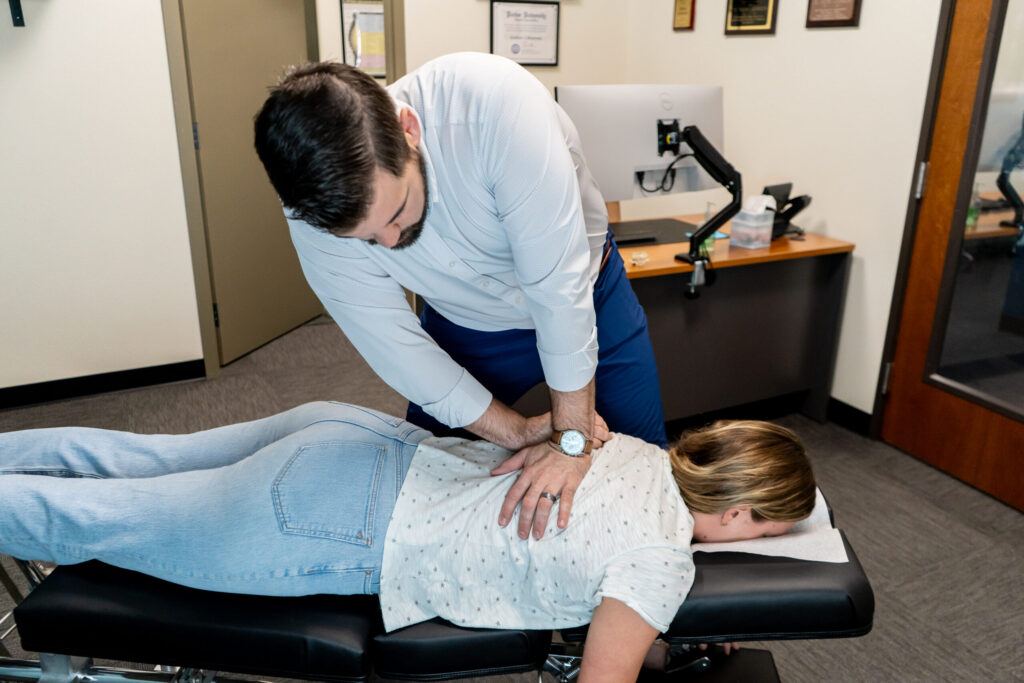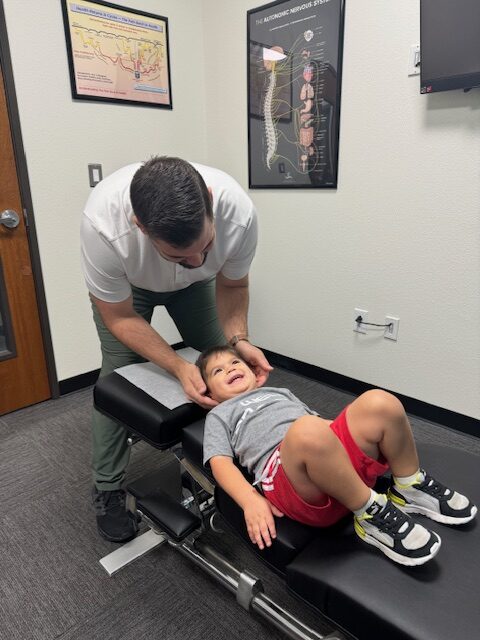

When you experience a sports injury, it's easy to brush it off or hope it'll heal on its own. But seeking proper care is crucial for several reasons you might not have considered. Early diagnosis can greatly impact your recovery, and personalized treatment plans guarantee you get the right support tailored to your needs. Plus, addressing an injury promptly can prevent further complications down the line. Curious about how expert guidance and enhanced recovery strategies can get you back in the game faster? Let's explore the key reasons why you should prioritize care for your sports injuries.
Early Diagnosis of Injuries
When you experience a sports injury, seeking early diagnosis can make a significant difference in your recovery. The sooner you understand the nature and extent of your injury, the better equipped you'll be to manage it effectively. Ignoring symptoms or waiting too long to seek help may lead to complications or prolonged recovery times.
Early diagnosis allows healthcare professionals to identify the specific injury, whether it's a sprain, strain, fracture, or something else entirely. With this knowledge, you can avoid unnecessary damage and get on the right path to healing. By addressing the injury promptly, you not only minimize the risk of it worsening but also help guarantee that you return to your sport as quickly as possible.
Another advantage of seeking timely care is that it can provide peace of mind. When you know what's going on with your body, you can make informed decisions about your recovery. This understanding can reduce anxiety and help you focus on rehabilitation instead of worrying about the unknown.
Additionally, early diagnosis often leads to better outcomes. The sooner a qualified professional assesses your injury, the more accurately they can tailor their recommendations to your specific needs. This proactive approach can lead to faster recovery times and a smoother shift back to your favorite activities.
Personalized Treatment Plans
After getting an early diagnosis for your sports injury, the next step is to develop a personalized treatment plan. This tailored approach guarantees that your recovery addresses the specific nature of your injury and your unique needs. A one-size-fits-all strategy rarely works, as every athlete's body and circumstances differ.
Your treatment plan might include a combination of rest, physical therapy, and rehabilitation exercises. Your healthcare provider will assess your injury and consider factors like your age, fitness level, and the demands of your sport. By understanding these elements, they can create a plan that not only promotes healing but also enhances your performance once you return to your activity.
Regular follow-ups are essential. Your progress will influence adjustments to your treatment, guaranteeing it remains effective. If you're not responding as expected, your provider might alter your exercises, recommend additional therapies, or even explore alternative treatments. This flexibility is key to optimizing your recovery.
Moreover, personalized treatment plans help you set realistic goals. Instead of rushing back to play, you'll focus on milestones that prevent re-injury and promote long-term well-being.
Engaging in open communication with your healthcare team is important. Share any concerns or changes in your condition. The more they know, the better they can fine-tune your plan.
Prevention of Further Damage
Taking proactive steps to prevent further damage after a sports injury is vital for your recovery. When you get hurt, ignoring the issue or pushing through the pain can lead to complications that prolong your healing. Seeking professional care right away helps you understand the extent of your injury and the best way to manage it.
Once you've been evaluated, follow your healthcare provider's advice closely. They'll likely recommend rest, ice, compression, and elevation (RICE) as initial treatments. Not adhering to these guidelines can exacerbate your injury, making it harder to recover. You need to listen to your body and avoid activities that cause pain or discomfort.
Additionally, modifying your training routine is essential. If you're an athlete, consider alternative workouts that don't stress the injured area. This can help maintain your fitness level while keeping you safe from further harm.
It's also important to stay informed about your injury. Understanding what caused it and how to prevent future occurrences can empower you in your recovery journey. Regular check-ins with your healthcare provider can guarantee you're on the right track.
Lastly, don't hesitate to ask questions or express concerns during your recovery. Open communication with your healthcare team will help you feel more confident and engaged in your healing process.
Enhanced Recovery Time
Accelerating your recovery time following a sports injury is essential for getting back to your favorite activities. When you seek professional care, you gain access to tailored treatment plans that can greatly enhance your healing process. A trained healthcare provider can assess the severity of your injury, ensuring you receive the right interventions early on. This proactive approach prevents complications and speeds up recovery.
By following their advice, you'll also learn effective strategies for managing pain and inflammation. Techniques like physical therapy, targeted exercises, and proper nutrition can all play an important role in your recovery. When you combine these methods with professional guidance, you'll likely notice improvements much quicker than if you were to self-manage your injury.
Moreover, seeking care often means you'll receive educational resources that help you understand your injury better. Knowledge about what to expect during recovery can help you stay motivated and prevent setbacks. You'll also be more equipped to recognize when it's time to push yourself and when to rest.
Ultimately, taking the step to seek professional treatment not only helps you recover faster, but it also sets you up for a more sustainable return to your sport. You'll feel more confident in your body's ability to perform, reducing the risk of re-injury.
Access to Rehabilitation Resources
Accessing the right rehabilitation resources is essential to maximizing your recovery from a sports injury. When you seek care, you open the door to specialized programs designed to address your specific needs. These resources can include physical therapy sessions, access to skilled trainers, and tailored exercise plans that aid in your recovery process.
Once you've consulted with a healthcare professional, they can guide you to the most suitable rehabilitation resources. A certified physical therapist can help you regain strength, flexibility, and coordination. They'll assess your condition and develop personalized exercises that target your injury, making sure you don't exacerbate the problem. This focused approach can greatly reduce your recovery time compared to attempting to self-rehabilitate.
In addition to professional guidance, many facilities offer advanced technologies like ultrasound therapy, electrical stimulation, and hydrotherapy. These tools can provide effective pain relief and promote healing more efficiently.
You'll also benefit from the supportive environment that rehabilitation centers provide. Working alongside other athletes going through similar experiences can boost your motivation and keep you accountable.
Moreover, staying in touch with your healthcare team is vital. Regular check-ins confirm that you're progressing and allow for adjustments to your rehab plan as needed.
Improved Performance Post-Injury
After an injury, you might think your performance could suffer, but that's not always the case.
With targeted rehabilitation programs, you can actually enhance your strength and flexibility, helping you come back even stronger.
Seeking care guarantees you get the right support to maximize your recovery and improve your game.
Targeted Rehabilitation Programs
Utilizing targeted rehabilitation programs can greatly enhance your performance after a sports injury. These programs are specifically designed to address your individual needs and the nature of your injury. By focusing on the affected areas, you'll not only recover but also improve your overall athletic capabilities.
When you engage in a targeted program, you're working with professionals who tailor exercises to help you regain strength, balance, and coordination. This personalized approach guarantees that you're not just following a one-size-fits-all routine, but instead, honing in on the specific skills and movements essential for your sport.
You'll be able to practice the exact motions relevant to your athletic performance, helping you shift back into your sport with confidence.
Additionally, these programs often incorporate sport-specific drills that mimic real-game scenarios. This not only helps in building muscle memory but also allows you to adapt your skills in a controlled environment.
As you progress through the rehabilitation process, you'll notice improvements in your agility and reaction times, which are critical for excelling in your sport.
Ultimately, targeted rehabilitation is an essential step in making sure you're not just recovering but also elevating your performance post-injury.
Enhanced Strength and Flexibility
Enhanced strength and flexibility play an essential role in your recovery from a sports injury. When you seek care, you'll often engage in targeted rehabilitation programs specifically designed to restore your strength and improve your flexibility.
These programs aren't just about healing; they're about enhancing your overall performance post-injury.
By focusing on building strength, you'll not only recover from your injury but also fortify your muscles and joints, reducing the risk of future injuries. Strengthening exercises help you regain stability and support in the affected area, making you more resilient in your sport.
Flexibility is equally important. Incorporating stretching and mobility exercises into your routine allows your body to adapt better to the demands of your sport. Improved flexibility helps prevent tightness and promotes a full range of motion, which can enhance your performance on the field or court.
In short, prioritizing enhanced strength and flexibility after an injury is vital. It accelerates your recovery and sets the foundation for better athletic performance.
Don't underestimate the power of these elements in your healing journey; they're key to getting you back in the game stronger than ever.
Expert Guidance on Return to Play
When dealing with sports injuries, expert guidance on returning to play is essential for ensuring a safe and effective recovery. You might feel enthusiastic to jump back into your sport, but rushing the process can lead to re-injury or chronic issues. Consulting a sports medicine professional is the best way to navigate this critical phase.
These experts evaluate your injury, monitor your healing progress, and provide personalized recommendations tailored to your specific needs. They'll help you understand when it's safe to resume activities and what precautions to take. By following their advice, you'll be less likely to jeopardize your long-term health.
Before returning to play, you may need to participate in a structured rehabilitation program. This program typically includes strength training, flexibility exercises, and sport-specific drills to gradually prepare your body for the demands of competition.
Your expert guide can set realistic goals and timelines, ensuring you don't push yourself too hard too soon. Additionally, they'll educate you on recognizing potential warning signs of re-injury, helping you stay aware of your body's limits.
Maintaining open communication with your coach and teammates about your recovery process can also foster a supportive environment as you shift back into play.
Conclusion
Injuries can be intimidating, but seeking care is your best move. Early diagnosis guarantees you get the right treatment, while personalized plans cater to your specific needs. By addressing injuries promptly, you prevent further damage and enhance your recovery time. Access to resources and expert guidance not only boosts your rehabilitation but also prepares you for a successful return to play. Don't hesitate; prioritizing your health is key to getting back in the game stronger than ever.