
If you've ever found yourself reaching for over-the-counter pain relievers to manage a headache, you might want to explore some effective natural alternatives. From essential oils that soothe tension to simple hydration techniques, there are several methods that could provide the relief you need. You may not realize how small dietary changes can also play a significant role in preventing headaches. As we examine these options, you'll discover practical strategies that not only alleviate symptoms but also promote your overall well-being. Curious about which methods might work best for you?
Essential Oils for Relief
Essential oils can be a powerful tool in your headache relief arsenal. They offer soothing, natural alternatives to over-the-counter medications. When you're feeling the tension or pain creeping in, turning to essential oils can provide immediate relief.
One of the most popular oils for headaches is peppermint. Its invigorating scent and cooling sensation can help reduce tension and improve circulation. Just dilute a few drops with a carrier oil and gently massage it onto your temples and the back of your neck. You'll likely feel the soothing effects almost instantly.
Lavender oil is another excellent choice. Known for its calming properties, it can help alleviate stress-related headaches. Inhale its fragrance directly from the bottle or use a diffuser to fill your space with its relaxing aroma. You might also consider adding a few drops to your pillow before bed to promote a restful night.
Eucalyptus oil is particularly effective for sinus-related headaches. Its anti-inflammatory properties can help clear your nasal passages and promote easier breathing. Apply diluted eucalyptus oil to your sinuses and forehead for a rejuvenating sensation that may ease your discomfort.
Lastly, rosemary oil is worth exploring. It's known to increase circulation and reduce pain, making it a great option for tension headaches. Combine it with a carrier oil and massage it into your scalp.
Incorporating these essential oils into your routine can offer you a natural, effective way to manage headaches without relying solely on medications.
Hydration and Headache Prevention
Staying properly hydrated is essential for preventing headaches. When your body lacks sufficient water, it can lead to dehydration, a common trigger for headaches. You mightn't even realize how much your hydration level affects your overall well-being.
By drinking enough fluids throughout the day, you can greatly reduce your chances of experiencing headaches.
Here are some key tips to help you stay hydrated:
- Drink water regularly: Make it a habit to sip water throughout the day, rather than waiting until you're thirsty.
- Monitor your urine color: Light yellow usually indicates proper hydration, while dark yellow can signal dehydration.
- Eat water-rich foods: Incorporate fruits and vegetables like cucumbers, oranges, and watermelon, which can contribute to your fluid intake.
- Set reminders: Use your phone or an app to remind you to drink water, especially if you're busy and tend to forget.
Dietary Changes to Consider
Making thoughtful dietary changes can considerably impact your headache frequency and intensity. Start by paying attention to your food triggers. Common culprits include aged cheeses, processed meats, and foods containing MSG or artificial sweeteners. By identifying and eliminating these items from your diet, you may notice a significant reduction in headache occurrences.
Next, contemplate increasing your intake of magnesium-rich foods. Studies suggest that magnesium deficiency can contribute to headaches. Incorporate leafy greens, nuts, seeds, and whole grains into your meals.
Additionally, omega-3 fatty acids found in fish like salmon and mackerel can help reduce inflammation and may alleviate headache symptoms.
Don't forget about the importance of regular meal timing. Skipping meals can lead to low blood sugar, which may trigger headaches. Try to eat balanced meals at consistent times throughout the day.
Another dietary change to reflect upon is reducing caffeine. While some people find relief from caffeine, others may experience withdrawal headaches if they consume it regularly and then suddenly stop. Pay attention to your body's response and adjust accordingly.
Finally, make sure you're getting enough hydration through water and hydrating foods. Dehydration is a common headache trigger, so aim for at least eight glasses of water daily.
Relaxation Techniques
While dietary changes can help alleviate headaches, incorporating relaxation techniques can further enhance your relief efforts. When you're feeling the tension build, taking a moment to unwind can make a significant difference.
These techniques not only reduce stress but also promote overall well-being, which is essential for headache prevention.
Here are some effective relaxation techniques you can try:
- Deep Breathing: Focus on taking slow, deep breaths. Inhale through your nose, hold for a few seconds, and exhale through your mouth. This helps calm your nervous system.
- Progressive Muscle Relaxation: Tense and then relax each muscle group, starting from your toes and working your way up. This can help release physical tension that may contribute to headaches.
- Mindfulness Meditation: Spend a few minutes in silence, focusing on your breath or a single thought. Mindfulness can help clear your mind and reduce the intensity of headaches.
- Gentle Stretching: Simple neck and shoulder stretches can relieve built-up tension. Incorporate some light stretches into your daily routine, especially if you sit for long periods.
Acupressure and Massage Therapy
Acupressure and massage therapy offer powerful methods for relieving headaches by targeting specific pressure points and easing muscle tension. When you apply pressure to certain areas of your body, you can stimulate blood flow and release built-up tension, providing quick relief from headache symptoms.
For acupressure, you can start by locating the LI4 point, situated between your thumb and index finger. Applying pressure here for five minutes can help alleviate tension headaches. Another effective point is the GB20, located at the base of your skull, where the neck meets the skull. Gently massaging this area with your fingertips can release tightness and reduce headache intensity.
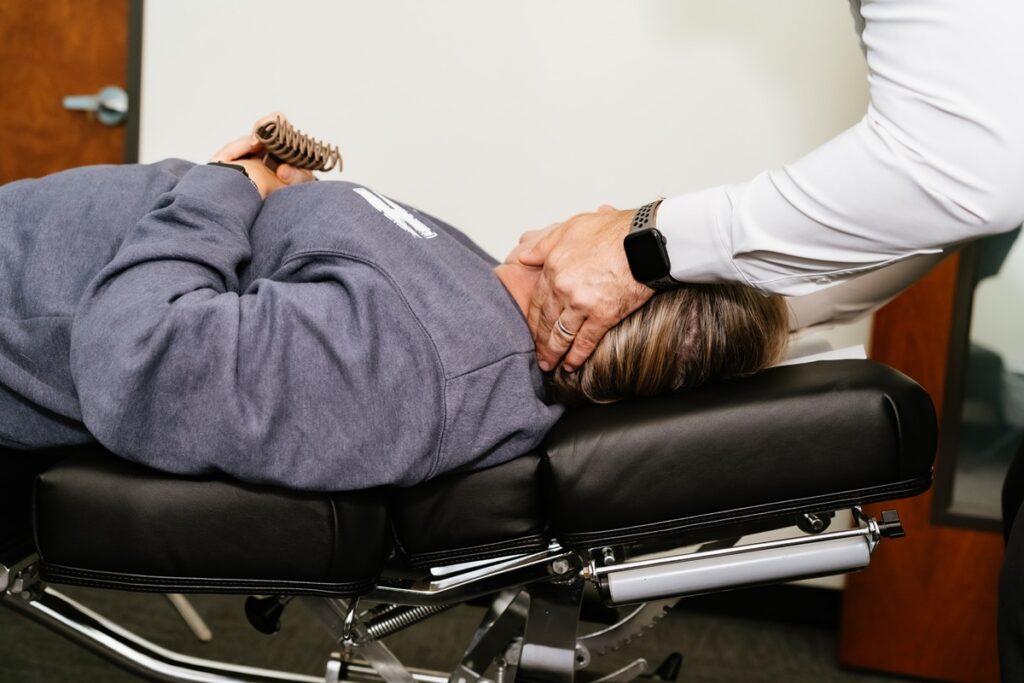
Massage therapy complements acupressure by relaxing the muscles around your neck, shoulders, and upper back. When you gently knead these areas, you promote relaxation and increase circulation, which can greatly relieve headache pain. You can use your fingers or a massage ball to apply pressure to sore spots.
Remember to breathe deeply while you massage; this can help your body relax even further.
Combining both techniques can enhance their effectiveness. Try using acupressure during a headache and follow it up with a massage to ease any remaining tension. By integrating acupressure and massage therapy into your routine, you'll not only find relief when headaches strike but also improve your overall well-being.
Conclusion
Incorporating these natural headache relief methods into your routine can make a real difference in managing your discomfort. By using essential oils, staying hydrated, adjusting your diet, practicing relaxation techniques, and trying acupressure or massage therapy, you'll not only alleviate headaches but also enhance your overall well-being. So, give these approaches a shot and see what works best for you. Taking a holistic approach can empower you to tackle headaches without relying on medication.