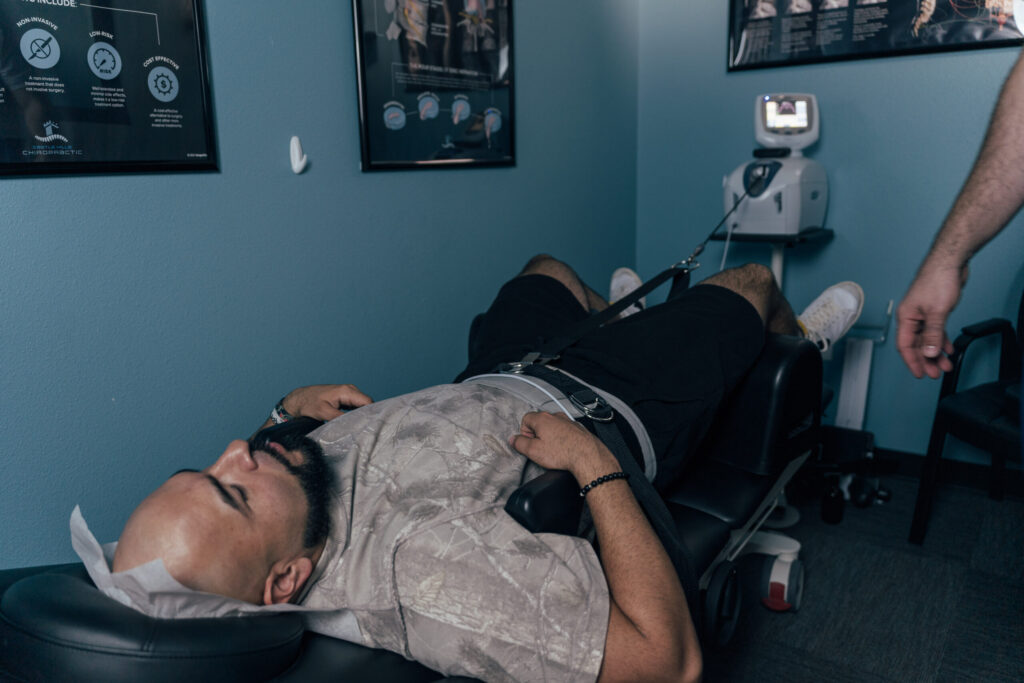

As a local chiropractor, I understand that many parents are seeking effective ways to support their children with ADHD while exploring natural healing options. One approach that can be particularly beneficial is establishing structured daily routines. This not only creates a sense of stability for children but also enhances their ability to focus.
Incorporating regular physical activity into their day is another crucial strategy. Movement can significantly help in managing ADHD symptoms by releasing pent-up energy and improving concentration. Additionally, utilizing visual aids can be an excellent tool for children, making it easier for them to understand tasks and expectations.
Open communication is vital as well; encouraging kids to express their feelings can foster a supportive environment that enhances their overall well-being.
But there's more to consider! As we delve deeper into natural healing methods, you may discover some surprising tips that can dramatically change your approach to managing ADHD. Imagine if a simple adjustment in routine or lifestyle could lead to noticeable improvements in your child's behavior and focus. Let's explore these strategies together and see how chiropractic care can complement your efforts in supporting your child's health and happiness.
Establish a Daily Routine
How can establishing a daily routine benefit children with ADHD? As a local chiropractor, I often emphasize the importance of holistic approaches to health, and creating a consistent daily routine can significantly improve overall well-being, especially for children managing ADHD symptoms.
A structured routine provides the necessary framework and predictability that can help alleviate anxiety and stress. When kids know what to expect throughout their day, they feel more secure and grounded.
Setting specific times for waking up, meals, homework, and bedtime not only fosters a sense of security but also teaches valuable time management skills. This structure can enhance their ability to transition between activities smoothly, ultimately leading to improved focus and productivity.
Additionally, having a routine helps minimize distractions, allowing children to better understand their responsibilities and the sequence in which to complete them.
It's also crucial to include breaks and downtime within this routine. These periods allow children to recharge and avoid feelings of overwhelm that can arise from non-stop activity. Implementing visual schedules or checklists can make the routine more engaging and manageable for them.
As your child adjusts to this routine, you may observe improvements in their ability to handle tasks independently. Consistency is vital, so aim to maintain the same schedule even during weekends or school breaks.
This practice reinforces the healthy habits you're trying to instill, leading to a more organized and manageable daily life for both you and your child. As a chiropractor, I believe that a balanced lifestyle goes hand-in-hand with physical health, and establishing a daily routine is a fantastic step towards holistic wellness.
Break Tasks Into Steps
When it comes to managing your health and wellness, breaking down tasks into smaller, manageable steps can significantly enhance your experience, especially if you're new to chiropractic care. Instead of feeling overwhelmed by the idea of a comprehensive treatment plan or lifestyle changes, we can simplify these into bite-sized actions. This method helps reduce anxiety and confusion, allowing you to focus on one aspect of your health at a time.
Start by identifying your overall health goal. For instance, if you're looking to improve your posture, we can break this down into specific tasks such as incorporating daily stretches, adjusting your workstation ergonomics, and scheduling regular chiropractic adjustments. Writing these steps down or using a checklist can help you visually track your progress. This not only keeps you engaged but also provides a sense of accomplishment as you complete each step.
I encourage you to set a timer for each health-related task. This creates a sense of urgency and can make the process feel more like a positive challenge. Celebrating your achievements, no matter how small, is crucial. A simple acknowledgment from me, such as "great job" or a thumbs-up, can boost your confidence and motivation.
If you encounter difficulties with a particular step, don't hesitate to reach out for support. I'm here to work alongside you, guiding you through the process until you feel more comfortable.
Over time, you'll gain the skills and confidence needed to manage your health independently and effectively. Remember, each small step can lead to significant improvements in your overall well-being.
Use Visual Aids
Using visual aids can significantly enhance how individuals, including children, understand chiropractic care and the principles of natural healing. These tools simplify complex concepts and help maintain focus during discussions about health and wellness. By incorporating charts, diagrams, illustrations, or color-coded materials into our educational sessions, we create a more engaging environment. This not only makes it easier for patients to grasp the information but also aids in better retention.
For example, when explaining the benefits of spinal alignment, colorful charts can visually outline the relationship between the spine and overall health. A diagram illustrating the nervous system can help clarify how chiropractic adjustments can positively impact various bodily functions.
Additionally, creating checklists with visual icons can assist patients in tracking their treatment plans and exercises, making it easier for them to follow through on their wellness goals. Encouraging the use of sticky notes with symbols or reminders in their home can serve as visual prompts for maintaining healthy habits or remembering appointments. A planner that includes images related to their health journey can inspire them to engage with their care more regularly.
Moreover, leveraging technology can further enhance the learning experience. Many educational apps related to health and wellness incorporate visuals that capture interest and foster interactive learning about chiropractic care and natural healing methods.
Encourage Physical Activity
As a local chiropractor, I want to share how incorporating physical activity into your child's daily routine can significantly benefit those with ADHD, complementing the holistic approach we take in chiropractic care. Regular exercise not only helps in releasing pent-up energy but also enhances concentration and reduces impulsiveness, which is essential for children with ADHD.
Finding activities that your child enjoys is vital. When kids are engaged in something they love, they're more likely to participate consistently. I encourage a variety of exercises, including aerobic activities like running, swimming, or biking, as well as those that promote strength, flexibility, and coordination, such as martial arts or dance.
These activities not only improve physical fitness but also foster social skills and teamwork, especially when done in group settings. Consider enrolling your child in local sports teams or community classes, as this can provide both structure and social interaction.
Establishing a routine that includes specific times for physical activity can also be beneficial. Whether it's a morning jog, a walk after school, or a family hike on the weekends, having a schedule helps your child know what to expect. You can also incorporate short bursts of activity throughout the day, like a quick game of tag or a spontaneous dance party in the living room, to keep things fun and engaging.
And don't forget to make it a family affair! Participating in physical activities together not only models healthy behavior but also shows your child that you support their well-being.
Implement Mindfulness Techniques
As a local chiropractor, I want to share how mindfulness techniques can be beneficial in managing ADHD symptoms.
Integrating practices like breathing exercises and guided visualization into your daily routine can significantly enhance your ability to calm your mind and improve focus.
These natural healing strategies not only help create a more peaceful environment but can also complement the adjustments and care I provide in my practice.
Breathing Exercises Benefits
As a chiropractor, I want to share with you the benefits of breathing exercises, especially for those who may be struggling with focus and emotional regulation. These simple yet powerful techniques can significantly enhance your mental clarity and emotional well-being.
When you engage in mindful breathing, you're not just taking in air; you're also allowing your body and mind to reset. Deep, intentional breaths can help calm your nervous system, making it easier to concentrate on the tasks at hand. This is particularly beneficial for children with ADHD, but it can help anyone experiencing stress or distraction.
To get started, find a quiet space where you can sit comfortably. Inhale deeply through your nose, allowing your abdomen to expand fully, and then exhale slowly through your mouth. Even just a few minutes of this practice can create a sense of peace and clarity, allowing you to focus better on work or listen attentively during meetings.
Moreover, breathing exercises can be a great tool for managing emotions. If you ever feel overwhelmed or anxious, taking a moment to breathe deeply can help reduce feelings of frustration or restlessness. Think of it as pressing a pause button, which enables you to respond more calmly to life's challenges.
Incorporating these exercises into your daily routine can lead to significant improvements in your overall well-being. Whether you practice them in the morning to set a positive tone for the day or whenever you need a quick mental reset, the key is consistency. The more you practice, the more effective these techniques will become in supporting your health and wellness.
As a chiropractor committed to natural healing, I encourage you to explore the holistic benefits of breathing exercises alongside your chiropractic care for a comprehensive approach to your health.
Guided Visualization Practices
As a local chiropractor, I want to share with you the benefits of guided visualization practices, which can complement your journey toward better health and wellness. These techniques, alongside chiropractic care, can help enhance your focus and emotional well-being.
Guided visualization involves creating a mental image of a serene and peaceful environment, allowing your mind to escape from daily distractions and engage in positive feelings. This practice can be particularly beneficial for those experiencing stress or discomfort, as it encourages relaxation and mental clarity.
To begin, I recommend finding a quiet space where you can sit comfortably without interruptions. Close your eyes and take a few deep breaths, similar to the breathing exercises we often discuss in our sessions.
Next, envision a tranquil location—such as a beautiful beach, a calming forest, or even your favorite cozy room. Pay close attention to the details of this setting: the vibrant colors, the soothing sounds, and the pleasant scents. Allow yourself to fully immerse in this mental oasis.
As you engage in this visualization, notice how your body reacts. You may feel a sense of relaxation washing over you, and your mind might become clearer. If you notice your thoughts wandering, gently redirect them back to your peaceful imagery.
Incorporating just a few minutes of this practice into your daily routine can significantly improve your focus and equip you with better tools to manage stress.
Create a Distraction-Free Environment
Creating a distraction-free environment isn't just beneficial for kids with ADHD; it can also enhance overall well-being and focus for anyone, including those seeking chiropractic care. As a chiropractor, I believe that a conducive atmosphere plays a vital role in your healing journey. By establishing a dedicated space for relaxation or recovery, you can significantly improve your physical and mental state.
Start by selecting a quiet area in your home where you can practice mindfulness or gentle stretches. This space should be free from the noise and chaos of everyday life. A clutter-free environment can greatly reduce stress and promote better posture and alignment, which are crucial for your chiropractic health. Ensure your space is tidy, with only the essentials, such as a yoga mat or a comfortable chair, to help you concentrate on your well-being.
Consider the sensory aspects of your environment as well. Bright lights, loud sounds, or unpleasant odors can detract from your ability to relax and recover. Opt for soft lighting and ensure your area is as tranquil as possible. If you find it challenging to maintain silence, a white noise machine or soothing instrumental music can help create a calming backdrop that supports your healing process.
Visual distractions are equally important to manage. This may involve closing curtains to minimize distractions from outside or putting away any electronic devices that may draw your attention away from relaxation and recovery. If you struggle with distractions from your devices, consider keeping them in another room while you focus on self-care.
Establishing a routine that incorporates breaks is also essential. Short, scheduled breaks can help prevent burnout and allow you to return to your relaxation exercises or stretches with renewed energy.
Finally, involve your family in creating your distraction-free environment. This not only fosters a supportive atmosphere but also encourages everyone to respect and maintain the space, ultimately benefiting your chiropractic journey.
With a little effort, you can cultivate an environment that supports your health and enhances your chiropractic care experience.
Set Clear Expectations
Setting clear expectations is crucial for patients new to chiropractic care, as it provides a foundation for understanding the treatment process and promotes accountability in their healing journey. When we outline what you can expect from your visits, it helps you know exactly what to anticipate and when to engage with your care. This clarity can significantly reduce any confusion or anxiety you may have, making it easier for you to embrace the healing process and achieve better health.
Start by being specific about your chiropractic goals. Instead of saying, "I want to feel better," try, "I want to reduce my lower back pain by 50% within the next month." This gives you a clear target and a focused intention.
We can break down your treatment plan into smaller, manageable steps, such as attending appointments weekly, performing specific exercises at home, or incorporating lifestyle changes. This simplification can make the healing process feel less overwhelming.
It's also vital to communicate these expectations consistently. We'll discuss your progress during each visit, ensuring that you remain informed about your care plan. Utilizing visual aids, like diagrams of the spine or charts showing your progress, can help reinforce the treatment goals. Many patients find that these visual cues make it easier to stay engaged and on track with their care.
Finally, be patient and compassionate with yourself. It might take time to adapt to these clear expectations and to see the desired results. Celebrate your progress, no matter how small, even if you don't achieve every goal right away.
This supportive approach encourages you to stay committed to your health and reinforces the importance of understanding what to expect from your chiropractic care.
Utilize Positive Reinforcement
To effectively support children with ADHD, I want to share how utilizing positive reinforcement can significantly enhance their behavior and motivation. When we focus on their achievements, no matter how small, we create a nurturing environment that fosters growth. Celebrating their successes encourages them to engage in more positive behaviors. For instance, when they complete a task or follow instructions, acknowledging it right away reinforces the behavior we want to encourage.
You can use various forms of praise, from verbal affirmations to small rewards like stickers, or even a personalized reward system based on your child's interests. If your child enjoys certain activities, such as playing video games, consider allowing them extra playtime as a reward for demonstrating good behavior. This association between positive actions and enjoyable outcomes is incredibly motivating for them.
Being specific in your praise is also important; instead of just saying "Good job," try something like, "I really appreciate how you completed your homework on time today!" This clarity helps them understand exactly what behaviors are being recognized.
Consistency is crucial. Regularly reinforcing positive behavior helps your child know what to expect and what's encouraged. If you create a rewards chart, place it somewhere visible to remind them of their goals and progress.
Lastly, it's essential to be patient. It may take time for your child to respond to positive reinforcement, but persistence can lead to remarkable improvements in their confidence and behavior. By focusing on the positives, you're not only guiding them toward good habits but also strengthening your supportive relationship.
Just as in chiropractic care, where we focus on the body's ability to heal itself through positive adjustments, nurturing a child's positive behaviors can lead to significant improvements in their overall well-being.
Foster Open Communication
Open communication is vital in establishing trust and understanding, especially when it comes to discussing your health and wellness. When you create an environment where you feel comfortable sharing your thoughts and concerns regarding chiropractic care, you're setting the foundation for better health outcomes.
I encourage you to express your experiences, whether you're feeling relief, discomfort, or uncertainty about your treatments. Asking open-ended questions like, "What symptoms are you experiencing?" or "How does your body feel after our last session?" invites you to articulate your feelings and demonstrates that I genuinely care about your perspective.
Listening actively is equally important. I strive to show that I'm engaged by maintaining eye contact, nodding, and summarizing your concerns to ensure I've understood correctly. It's crucial for you to know that your voice matters in this process.
I won't rush to conclusions or suggest immediate solutions; instead, I'll provide you with the space needed to fully express your thoughts and feelings.
Moreover, sharing my own experiences in the field can help build this connection. By being open about my journey and the challenges I've faced, I can illustrate that everyone has their unique health struggles. For instance, I might say, "I've noticed that stress can affect physical wellness, and I want to help you manage that."
Establishing regular check-ins is another key component of our relationship. These don't need to be lengthy; even a few minutes during your visits can help create a routine that keeps our communication flowing.
This consistent dialogue helps you feel secure and supported on your healing journey, allowing you to thrive both physically and mentally. In turn, this open communication strengthens our relationship, making it easier for you to navigate your health challenges with chiropractic care.
Seek Professional Support
As a local chiropractor, I want to emphasize the importance of seeking professional support when it comes to understanding conditions like ADHD.
While chiropractic care may not be the first thing that comes to mind, it can play a valuable role in a holistic approach to your child's well-being.
A thorough assessment can help identify underlying issues that may contribute to your child's challenges.
By addressing these through chiropractic adjustments and natural healing methods, we can promote better brain function and overall health.
This can complement other therapies and interventions, empowering you and your child to explore various paths to wellness.
Don't hesitate to reach out to us or other healthcare specialists who can work collaboratively with you on this journey.
Together, we can find the right approach tailored to your child's needs.
Importance of Diagnosis
Understanding the importance of a proper diagnosis is crucial for families exploring chiropractic care and natural healing. If you suspect that your child may be experiencing issues that could benefit from holistic treatment, seeking a professional evaluation can lay the groundwork for effective support and interventions. A clear diagnosis helps illuminate your child's unique challenges and strengths.
Here's why obtaining a proper diagnosis is significant in the context of chiropractic care:
- Accurate Identification: It ensures that any underlying issues are accurately identified, distinguishing them from other conditions that may exhibit similar symptoms. This is essential for tailoring a chiropractic approach that truly addresses your child's needs.
- Personalized Treatment Plans: A diagnosis allows us to create a personalized treatment plan aimed at promoting your child's overall well-being, helping them thrive physically and emotionally.
- Access to Holistic Resources: With a formal diagnosis, you can access a variety of holistic resources, including specialized chiropractic therapies and wellness programs that support your child's health journey.
- Emotional Assurance: A diagnosis can provide emotional reassurance for both you and your child, validating their experiences and feelings while guiding you toward effective natural healing options.
Types of Therapies
As a local chiropractor, I want to share some insights on how chiropractic care can play a vital role in supporting children with ADHD. While many people may not be familiar with the benefits of chiropractic treatment, it can significantly contribute to your child's overall well-being and help manage their symptoms.
Chiropractic care focuses on the alignment of the spine and nervous system, which can impact a child's behavior and emotional regulation. By ensuring proper spinal alignment, we can enhance the body's ability to function optimally, which may lead to improvements in attention, focus, and overall mood.
In addition to spinal adjustments, we emphasize the importance of holistic approaches, including lifestyle modifications and nutritional guidance. These elements can complement chiropractic treatment and promote a healthier lifestyle for your child, enhancing their ability to cope with challenges associated with ADHD.
Moreover, we encourage incorporating mindfulness and relaxation techniques into your child's routine. These practices can help develop self-regulation skills, reduce anxiety, and foster a sense of calm. Together with chiropractic care, these strategies can create a supportive environment that empowers your child to thrive.
Lastly, involving the family in the healing process is crucial. Family dynamics can have a significant impact on a child's emotional and behavioral health. By addressing these relationships and improving communication, we can strengthen the support system around your child.
If you're interested in exploring how chiropractic care can benefit your child's unique needs, I invite you to consult with our team. We're here to provide guidance and support on your journey toward natural healing and improved well-being.
Medication Management Options
Navigating the world of ADHD treatment can be complex, especially when considering the benefits of chiropractic care and natural healing. As a local chiropractor, I want to emphasize how vital it's to explore all avenues of support for managing ADHD symptoms. While medication can be one option, chiropractic care offers a holistic approach that can enhance overall well-being.
Here are some important aspects to consider when thinking about managing ADHD through chiropractic care:
- Regular Adjustments: Just like routine check-ups for medication, regular chiropractic adjustments can help address misalignments in the spine that may affect nervous system function, potentially improving focus and behavior.
- Open Dialogue: It's crucial to maintain an open line of communication with your chiropractor. Share any observations about your child's behavior or physical discomfort, as these insights can guide treatment plans tailored to your child's needs.
- Educate Yourself: Familiarize yourself with the principles of chiropractic care, including how it can support neurological function and overall health, providing a complementary approach to traditional ADHD treatments.
- Involve Your Child: Encourage your child to share their feelings about chiropractic visits. This involvement can empower them and help them understand the importance of taking an active role in their health journey.
Conclusion
As a local chiropractor, I want to share how incorporating natural healing techniques can significantly help manage ADHD in children. Establishing consistent routines, breaking tasks into manageable parts, and promoting physical activity can create an environment that enhances focus and motivation. Open communication is vital, and I encourage using positive reinforcement to celebrate even the smallest achievements. If you feel your child needs additional support, don't hesitate to seek professional guidance, including chiropractic care. With patience and a consistent approach, we can work together to help your child thrive and experience relief from the challenges associated with ADHD. Remember, natural healing can play a crucial role in your child's overall well-being!