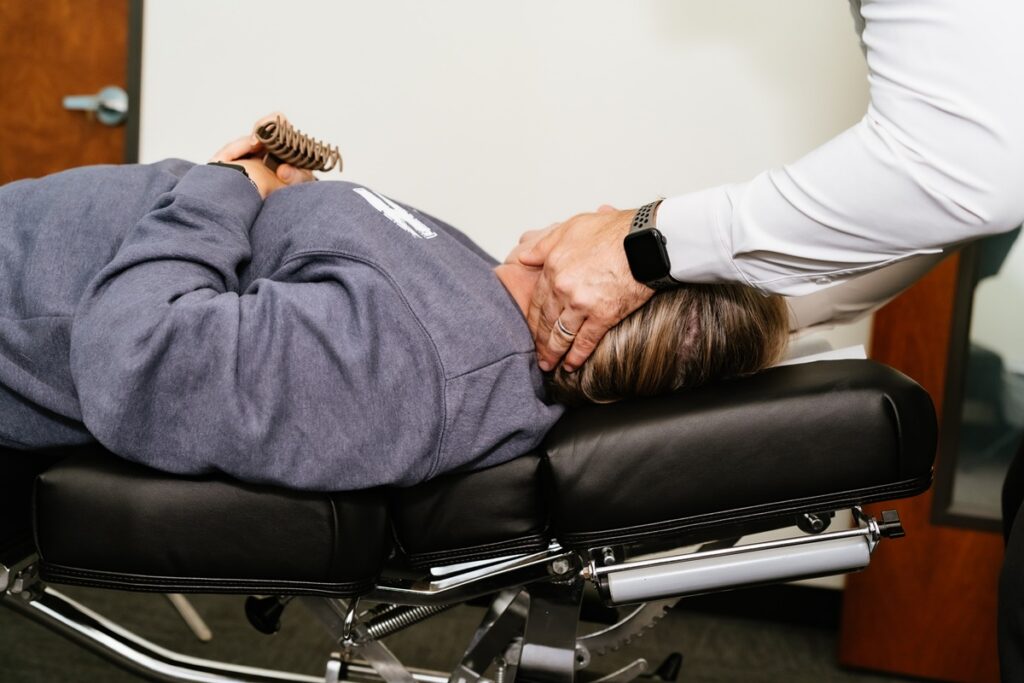

If you’re grappling with chronic low back pain, you might be curious about how exercise can play a role in your healing journey. At our chiropractic clinic, we believe that engaging in regular physical activity is not just about getting fit—it’s an essential part of managing pain naturally and effectively. Incorporating specific exercises into your routine can help strengthen your core, improve flexibility, and enhance your posture, all of which are vital for spinal health.
But the benefits of exercise extend beyond the physical. Understanding how movement influences both your body and mind can help you reshape your approach to pain relief. Exercise can stimulate the release of endorphins, which are natural pain relievers, while also reducing stress and anxiety, contributing to an overall sense of well-being.
Here are a few simple tips to get you started on your exercise journey:
- Start Slow: If you’re new to exercise or have been inactive, begin with gentle movements like walking or stretching. Gradually increase intensity as your body allows.
- Focus on Core Strength: Strengthening your core muscles supports your spine and can help alleviate back pain. Consider exercises like bridges, planks, and gentle yoga poses.
- Incorporate Flexibility Training: Stretching regularly can improve your range of motion and reduce stiffness. Simple stretches targeting the back, hips, and legs can be very beneficial.
- Maintain Good Posture: Be mindful of your posture throughout the day, especially if you sit for long periods. Ergonomic adjustments to your workspace can help.
- Listen to Your Body: Pay attention to how your body responds to different exercises. If something feels uncomfortable or painful, stop and consult with your chiropractor for guidance.
Remember, chiropractic care is an excellent complement to your exercise routine. A chiropractor can provide personalized assessments, adjustments, and tailored exercise recommendations to help you achieve optimal health and wellness. By combining chiropractic care with regular exercise, you can take significant steps toward managing your chronic low back pain and enhancing your overall quality of life. What will you discover about your own strength and resilience as you embark on this journey?
Key Takeaways
Why Use Exercises for Chronic Low Back Pain?
As a local chiropractor, I want to share how incorporating exercise into your routine can significantly improve your experience with chronic low back pain. Here’s how it works:
- Increased Mobility and Flexibility: Engaging in regular exercise helps to enhance your mobility and flexibility, which can alleviate the stiffness often associated with chronic low back pain. Simple stretches and gentle movements can make a big difference.
- Natural Mood Boost: Physical activity is a natural way to release endorphins—those feel-good hormones that can elevate your mood and reduce your perception of pain. When you feel better emotionally, you are more likely to stay active and engaged in your healing process.
- Strengthening Key Muscles: By focusing on exercises that strengthen your core and back muscles, you can enhance spinal stability and improve your posture. A well-supported spine is essential for reducing pain and preventing future issues.
- Better Sleep Quality: Regular exercise can lead to improved sleep quality, which is crucial for overall wellness and effective pain management. When you sleep better, your body has a better chance to heal and recover.
- Tailored Exercise Routines: Working with a chiropractor can help you develop a personalized exercise routine that fits your specific needs. This tailored approach not only improves adherence but also enhances the effectiveness of your efforts to manage chronic low back pain.
Takeaway Tips:
- Start with gentle stretching and mobility exercises to ease stiffness.
- Aim for regular, moderate physical activity, like walking or swimming, to keep your body moving without straining it.
- Focus on strengthening your core muscles to support your spine better.
- Consider scheduling regular chiropractic adjustments to complement your exercise routine and enhance your healing.
Remember, chiropractic care is a powerful ally in your journey towards pain relief and natural wellness. By combining exercise with chiropractic adjustments, you can achieve optimal health and a more active, fulfilling life.
Understanding Chronic Low Back Pain
Understanding chronic low back pain is crucial, as it impacts millions of individuals every day. If you’re experiencing persistent discomfort, it can significantly disrupt your daily activities and diminish your overall quality of life. Chronic low back pain lasts longer than three months and can arise from various factors, including injuries, poor posture, or underlying health issues.
It’s common to feel frustrated or anxious when dealing with chronic pain, making it challenging to maintain a positive outlook. You might find that certain movements or positions worsen your discomfort, leading to a tendency to avoid them. However, it’s essential to remember that everyone’s experience with low back pain is unique, influenced by personal circumstances and lifestyle choices.
As a chiropractor, I want to emphasize that chiropractic care is a natural and effective approach to managing chronic low back pain. Through gentle adjustments and spinal manipulation, chiropractic care can help realign your spine, reduce tension, and promote healing. This holistic approach not only addresses the pain but also supports your body’s overall wellness.
Here are some helpful tips to manage your chronic low back pain and improve your everyday life:
- Maintain Good Posture: Be mindful of your posture, whether sitting, standing, or lifting. Proper alignment can reduce strain on your back.
- Stay Active: Engage in low-impact exercises like walking or swimming. Regular movement promotes flexibility and strength, which are vital for spinal health.
- Practice Stretching: Gentle stretching can help relieve tension in your back muscles. Incorporate stretches into your daily routine to enhance mobility and reduce discomfort.
- Use Supportive Furniture: Consider investing in ergonomic chairs and mattresses that provide proper support for your spine.
- Stay Hydrated: Drinking plenty of water is essential for overall health, including maintaining the elasticity of your spinal discs.
- Consult a Chiropractor: Regular chiropractic visits can help keep your spine aligned and address any issues before they become more significant problems.
The Role of Exercise in Pain Management
Incorporating exercise into your daily routine is a powerful way to manage chronic low back pain and enhance your overall well-being. By focusing on natural methods, such as chiropractic care and regular physical activity, you can effectively alleviate discomfort without the need for medications or invasive procedures.
Here are three important ways that exercise complements chiropractic care in pain management:
- Increases Mobility: Participating in gentle stretching and low-impact activities, like walking or swimming, can greatly improve your flexibility. This increased mobility helps you move more freely and with less discomfort, making everyday tasks easier.
- Boosts Endorphins: When you engage in physical activity, your body releases endorphins—natural chemicals that help reduce pain and improve your mood. This is a fantastic way to elevate your spirits while also managing pain levels. Consider activities like yoga or tai chi, which not only promote relaxation but also foster a sense of well-being.
- Promotes Better Posture: Strengthening your core and back muscles through targeted exercises can significantly improve your posture. Good posture alleviates strain on your spine and enhances the effectiveness of chiropractic adjustments, leading to better long-term results.
In addition to these benefits, remember to always listen to your body and consult with your chiropractor to develop an exercise plan tailored to your needs. Simple daily habits, like practicing good posture while sitting and taking regular breaks to stand and stretch, can also make a big difference.
Benefits of Strengthening Back Muscles
Strengthening your back muscles is a key aspect of maintaining a healthy spine and overall well-being.
When your back muscles are strong, you can enjoy improved posture and stability, which makes everyday activities much easier and more enjoyable.
As you work on building this strength, many people find that they can manage pain more effectively.
This combination not only helps reduce discomfort but also enhances your quality of life.
Incorporating chiropractic care into your routine can be incredibly beneficial.
Chiropractors specialize in understanding how the spine and back muscles work together to support your body.
Regular adjustments can help align your spine, which can lead to a stronger back and reduced pain.
Here are some simple tips to strengthen your back muscles and promote a healthier spine:
- Focus on Core Exercises: Strengthening your core muscles supports your back. Try planks, bridges, or gentle yoga poses to build stability.
- Practice Good Posture: Be mindful of your posture throughout the day. Sit up straight and avoid slouching, especially when sitting for long periods.
- Stay Active: Regular physical activity, such as walking or swimming, keeps your back muscles engaged and healthy.
- Stretch Regularly: Incorporate stretching into your daily routine to keep your back flexible and reduce tension.
- Consider Chiropractic Care: Regular visits to a chiropractor can help you maintain proper alignment and support your journey to better back strength.
Remember, taking care of your back is an essential part of your overall health.
Improved Posture and Stability
As a local chiropractor, I want to share with you how strengthening your back muscles can significantly improve your posture and stability. Many people may not realize it, but when your back muscles are strong, they provide essential support for your spine, helping you maintain an upright position.
This not only enhances your appearance but also plays a crucial role in preventing future injuries. Here are three key benefits of improved posture and stability that I encourage you to consider:
- Reduced Strain on Muscles and Ligaments: When your spine is properly aligned, it minimizes stress on your body. This allows you to move more freely and comfortably throughout your day. Regular chiropractic adjustments can help maintain that alignment and relieve any tension.
- Enhanced Balance: A strong back contributes to better overall coordination. This means you’re less likely to experience slips and falls in your daily activities. Incorporating simple back-strengthening exercises and regular chiropractic care will help enhance your stability.
- Increased Confidence: Good posture not only makes you look better; it can also boost your self-esteem. When you stand tall with proper alignment, you feel more confident, which positively impacts your overall well-being.
I encourage you to invest time in back exercises and consider regular chiropractic visits to support your journey toward improved posture and stability. Simple activities like stretching, strengthening exercises, and even mindfulness about your posture during daily tasks can make a significant difference.
Enhanced Pain Management Techniques
Focusing on strengthening your back muscles is essential for not only building resilience against pain but also for developing effective pain management techniques that align with natural healing. A strong back provides vital support for your spine, reduces strain on your body, and minimizes the risk of injury. By engaging in targeted exercises designed to enhance your muscle endurance and flexibility, you can find relief from discomfort while promoting overall wellness.
Here are some key benefits of strengthening your back muscles:
| Benefit | Description | Outcome |
|---|---|---|
| Improved Muscle Strength | Increases stability and support for the spine | Reduces pain and fatigue |
| Enhanced Flexibility | Promotes better joint mobility and range of motion | Decreases stiffness and discomfort |
| Better Posture | Aligns the spine correctly to support overall health | Lowers risk of chronic pain and injury |
| Reduced Stress | Releases tension in muscles and promotes relaxation | Enhances overall well-being and energy |
Incorporating chiropractic care into your wellness routine can be a game changer. Regular adjustments can help ensure that your spine is aligned properly, which supports your efforts in strengthening your back and improving your overall health.
Here are some practical tips you can take away:
- Engage in Regular Exercise: Focus on exercises that target your back, such as bridges, planks, and back extensions. These will strengthen your muscles and support your spine.
- Practice Good Posture: Be mindful of your posture throughout the day, whether sitting at a desk, standing, or lifting. Keeping your spine aligned can greatly reduce discomfort.
- Incorporate Stretching: Stretching your back and surrounding muscles can improve flexibility and help alleviate tension. Simple stretches like reaching for your toes or gentle twists can make a big difference.
- Stay Hydrated: Proper hydration supports muscle function and can help reduce fatigue and discomfort.
- Consider Chiropractic Care: Regular visits to your chiropractor can help maintain spinal alignment, improve mobility, and support your body’s natural healing processes.
Embrace these techniques and consider chiropractic care as a holistic approach to transform your pain management and achieve optimal health. Your journey towards a healthier, pain-free life starts here!
Enhancing Flexibility to Alleviate Discomfort
To alleviate discomfort from chronic low back pain, enhancing flexibility is a vital step you can take.
Improved flexibility reduces tension in the muscles surrounding your spine, leading to better mobility and less pain.
As a chiropractor, I believe that combining flexibility work with chiropractic care can significantly enhance your recovery and overall wellness.
Here are three effective ways to enhance your flexibility naturally:
1. Gentle Stretching Exercises: Incorporate simple stretches that target your hamstrings, hip flexors, and lower back.
Stretching these areas can help relieve tightness and improve your overall range of motion.
Remember to breathe deeply and hold each stretch for about 15-30 seconds for the best results.
2. Yoga or Pilates: Consider joining a local yoga or Pilates class.
These practices emphasize stretching and flexibility while also promoting relaxation and mindfulness.
They can complement your chiropractic care by helping to strengthen your core and improve your posture, which is essential for spinal health.
3. Stay Active: Keep moving throughout your day.
Activities like walking, light stretching, or even simple household chores can help maintain flexibility and prevent stiffness.
Regular movement encourages blood flow to your muscles and joints, which is crucial for recovery.
By integrating these practices with chiropractic adjustments, you can enhance your flexibility, relieve pain, and promote overall wellness naturally.
Improving Core Stability for Better Support
To achieve optimal health and support your back effectively, it’s crucial to strengthen your core muscles. A strong core not only provides stability but also plays a key role in alleviating chronic pain. As a chiropractor, I emphasize the importance of core stability exercises, which can help you build strength while improving your posture.
Incorporating simple yet effective exercises into your routine can create a solid foundation for your spine, enhancing both immediate comfort and long-term pain relief. Think of your core muscles as the natural support system for your back. When they’re strong, they help maintain proper alignment and reduce strain on your spine.
Here are a few tips you can easily incorporate into your daily life:
- Engage Your Core: When sitting or standing, consciously engage your core muscles. This simple act can help support your spine throughout the day.
- Practice Good Posture: Maintain an upright posture whether you’re at your desk or walking. Proper alignment minimizes stress on your back and promotes overall wellness.
- Incorporate Stability Exercises: Try activities such as planks, bridges, or gentle yoga poses that focus on core strength and stability. These exercises can be easily integrated into your routine.
- Stay Active: Regular physical activity is vital for overall health. Aim for daily movement, whether it’s a walk, light stretching, or engaging in your favorite activity.
- Visit Your Chiropractor: Regular chiropractic care can help ensure that your spine is properly aligned, enhancing the effectiveness of your core strengthening efforts. Your chiropractor can also provide personalized advice on exercises that suit your unique needs.
Importance of Core Strength
Core strength is incredibly important when it comes to managing chronic low back pain. A strong core supports your spine and pelvis, which can significantly help in reducing discomfort and enhancing your overall well-being.
Here are three key benefits of improving your core strength, along with some tips on how to achieve it:
- Better Posture: A strong core helps you maintain proper alignment, which is essential for reducing stress on your spine during daily activities. To improve your posture, practice exercises like planks and bridges, which engage your core muscles effectively.
- Injury Prevention: With a stable core, you’re less likely to rely on other muscles to compensate for weakness, which lowers your risk of injuries. Incorporating core-strengthening exercises into your routine can help you build a resilient body. Start with simple movements like seated leg lifts or gentle abdominal exercises.
- Enhanced Mobility: Core strength allows for greater flexibility and control over your movements, making everyday tasks easier and more comfortable. Simple stretches and core exercises, like yoga or gentle Pilates, can improve your mobility and help you perform activities without pain.
In addition to these benefits, regular visits to a chiropractor can aid in strengthening your core and aligning your spine. Chiropractic care focuses on natural healing and can help you achieve optimal health without the need for medications or surgeries.
Embrace these core-strengthening practices and consider chiropractic adjustments as part of your journey toward a healthier, pain-free life. Remember, taking small steps today can lead to significant improvements in your overall well-being!
Targeted Stability Exercises
Improving your core stability is crucial for giving your lower back the support it needs during daily activities. As a local chiropractor, I want to emphasize how targeted stability exercises can play a significant role in your overall wellness and spinal health. These exercises are designed to strengthen the muscles around your abdomen, hips, and lower back, which helps you maintain better posture and balance—key elements in preventing pain and discomfort.
Incorporating exercises like planks, bridges, and bird-dogs into your routine can effectively enhance your core strength. These movements engage multiple muscle groups, fostering coordination and stability, which is essential for a healthy spine. You’ll likely find that as you progress with these exercises, everyday tasks—like lifting objects or sitting for long periods—become easier and less painful.
As you focus on building a stronger core, remember that chiropractic care complements these exercises perfectly. Regular adjustments can help align your spine, ensuring that your body functions optimally and reducing strain on your lower back.
Here are a few tips to keep in mind:
- Stay Consistent: Aim to practice these exercises regularly. Consistency is key to seeing improvements in your core strength and overall stability.
- Listen to Your Body: Pay attention to how your body feels during and after these exercises. If you experience pain (beyond normal muscle soreness), consult with your chiropractor for personalized advice.
- Combine with Chiropractic Care: Regular chiropractic adjustments can enhance the benefits of your exercise routine by ensuring proper spinal alignment and function.
- Focus on Breathing: Incorporate deep, controlled breathing while performing these exercises. It helps engage your core effectively and promotes relaxation.
Long-term Pain Relief
Building a solid foundation of stability is essential for achieving long-term relief from lower back pain. By focusing on core stability, you not only support your spine but also reduce the chances of pain returning.
Here are three important reasons why core stability is key to your well-being:
- Improved Posture: A strong core helps keep your body aligned, which can take pressure off your lower back. This means less strain and discomfort as you go about your day.
- Enhanced Strength: Strengthening your core muscles makes everyday activities easier and less painful. Whether it’s lifting groceries or playing with your kids, a strong core supports all your movements.
- Better Balance: Working on your stability can lower the risk of falls or injuries, which can worsen back pain. When you feel steady, you can move with confidence.
Incorporating core stability exercises into your daily routine can be a powerful way to manage and reduce chronic low back pain naturally. Simple activities like planks, bridges, and gentle stretches can make a big difference. Remember, consistent practice is key!
As a chiropractor, I encourage you to prioritize your core health for lasting relief. By embracing a chiropractic lifestyle, you can enhance your overall wellness and enjoy a pain-free life. Let’s work together to achieve your health goals!
Psychological Benefits of Regular Exercise
Regular exercise is a key component of maintaining not only physical health but also mental well-being, especially for those managing chronic low back pain. As a chiropractor, I want to emphasize that engaging in physical activity can significantly enhance your mood, alleviate anxiety, and contribute to a more positive outlook on life. When you exercise, your body releases endorphins, which are natural mood lifters that can help you feel better both physically and emotionally.
Incorporating regular exercise into your routine can complement chiropractic care, leading to a more holistic approach to pain relief and wellness. Here’s a quick overview of some psychological benefits you can expect from regular exercise, along with helpful tips:
| Benefit | Description | Tips for Incorporation |
|---|---|---|
| Mood Enhancement | Exercise releases endorphins, boosting mood. | Start with short walks or light stretching. |
| Anxiety Reduction | Physical activity reduces stress and anxiety. | Try yoga or mindfulness exercises before or after workouts. |
| Improved Self-Esteem | Accomplishing fitness goals enhances self-worth. | Set simple, achievable goals to build confidence. |
| Better Sleep Quality | Regular exercise promotes restful sleep. | Aim for 30 minutes of activity during the day. |
| Increased Focus | Exercise improves concentration and productivity. | Schedule workouts during breaks to refresh your mind. |
As you consider these benefits, remember that chiropractic care is always here to support you on your journey to better health. By addressing spinal health through regular adjustments, you can enhance your body’s ability to engage in exercises that promote overall wellness. Embrace this natural healing process and enjoy the positive changes that come along with it!
Creating a Sustainable Exercise Routine
Creating a sustainable exercise routine is crucial for effectively managing chronic low back pain and promoting overall wellness. As a chiropractor, I believe that incorporating chiropractic care into your health journey can significantly enhance your results.
Here are some simple steps to help you establish a routine that supports your spinal health:
- Set realistic goals: Begin with small, achievable objectives. Gradually increase the intensity and duration of your workouts to avoid injury. This approach not only helps prevent setbacks but also keeps you motivated as you see progress.
- Choose enjoyable activities: It’s important to engage in exercises that you love. Whether it’s walking, swimming, or practicing yoga, find activities that bring you joy. When you enjoy what you’re doing, you’re more likely to stick with it for the long haul, which is essential for maintaining a healthy spine.
- Schedule regular sessions: Consistency is key to any successful exercise routine. Set aside dedicated times each week for your workouts, treating these sessions as vital appointments for your health. This commitment can help you stay accountable and make physical activity a regular part of your life.
Conclusion
Incorporating exercise into your daily routine can be a powerful strategy for managing chronic low back pain, and as a chiropractor, I believe it’s essential for achieving optimal health. By focusing on exercises that strengthen your back muscles, enhance flexibility, and improve core stability, you can significantly reduce discomfort and promote overall wellness.
Not only do these exercises help alleviate pain, but they also provide important psychological benefits. Regular physical activity can lower stress levels and improve your mood, making a positive impact on your daily life.
Remember, the goal here is to create a sustainable exercise plan that complements chiropractic care. When combined, these approaches can help you take charge of your pain management and lead to a healthier, happier life.
Here are a few general tips to get you started:
- Start Slow: If you’re new to exercise, begin with gentle stretches and low-impact activities. Gradually increase the intensity as your body adapts.
- Focus on Core Strength: Strengthening your core muscles can provide better support for your spine. Incorporate exercises like planks and bridges into your routine.
- Maintain Flexibility: Include stretching exercises to enhance flexibility in your back and hips, which can reduce tension and discomfort.
- Stay Consistent: Aim for regular, short sessions of exercise—about 15-30 minutes a day—rather than long, infrequent workouts.
- Listen to Your Body: Pay attention to how your body responds to different activities. If something causes pain, modify the exercise or consult your chiropractor for guidance.
By prioritizing exercise alongside chiropractic care, you can empower yourself in your journey towards natural healing and improved health. Remember, you don’t have to face this challenge alone—your chiropractor is here to support you every step of the way.