
If you’re experiencing low back pain, it’s important to consider exercises as an effective way to find relief. Rather than relying on medications or surgeries, which can often have unwanted side effects, targeted movements can help address the underlying issues causing your discomfort. By focusing on strengthening your core and improving flexibility, you can greatly enhance your overall mobility and support your spine’s health.
Creating a personalized exercise routine is a great way to start your journey towards recovery. Here are some key elements to help you get going:
- Core Strengthening: Your core muscles play a crucial role in supporting your spine. Simple exercises like planks, bridges, and pelvic tilts can help build strength without putting unnecessary strain on your back.
- Stretching and Flexibility: Incorporating gentle stretches into your routine can help improve your flexibility and reduce tension in your back. Consider stretches like the cat-cow stretch or seated forward bend, which can relieve tightness and promote relaxation.
- Posture Awareness: Pay attention to your posture throughout the day. Maintaining good posture while sitting, standing, and lifting can prevent further strain on your back and support your spine’s natural alignment.
- Listen to Your Body: It’s vital to be in tune with how your body feels during exercises. If something doesn’t feel right, don’t push through the pain. Instead, consult with a chiropractor who can guide you on safe and effective exercises tailored to your specific needs.
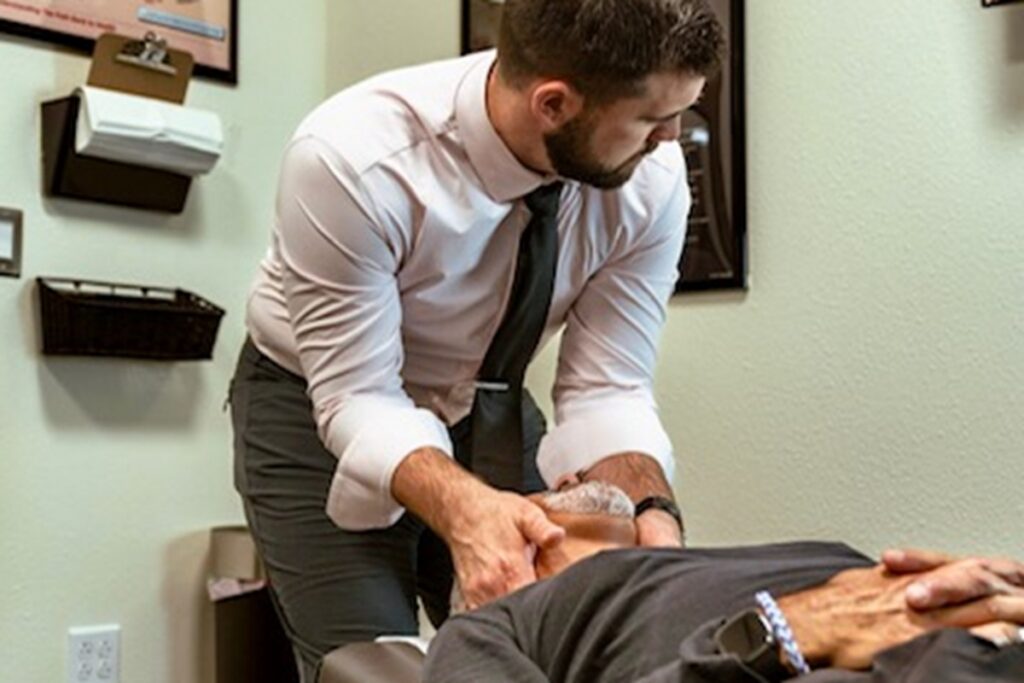
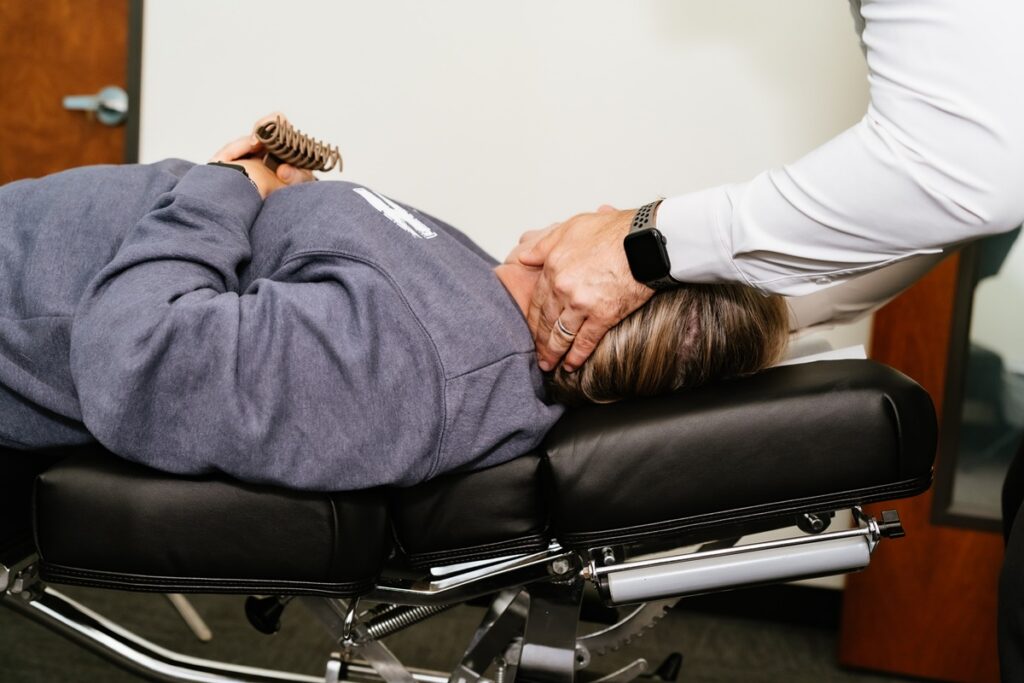
- Chiropractic Care: Regular visits to a chiropractor can be incredibly beneficial in managing low back pain. Chiropractic adjustments help realign the spine, improving function and relieving discomfort. Your chiropractor can also provide personalized advice on exercises that complement your treatment plan.
Remember, the goal is to foster a healthier lifestyle that promotes natural healing and wellness. By incorporating these tips and working with a chiropractor, you can take proactive steps towards alleviating your low back pain and achieving optimal health.
Key Takeaways
Why Choose Exercises for Low Back Pain Relief?
- Incorporating regular exercise into your routine can significantly increase blood flow to the lower back, which promotes healing and reduces stiffness. This is a natural way to aid your body in its recovery process.
- Engaging in gentle stretching and low-impact activities is essential. These movements help alleviate tension and improve flexibility while ensuring you don’t put unnecessary strain on your back. Think of activities like walking or gentle yoga – they can do wonders!
- Exercise also triggers the release of endorphins, the body’s natural painkillers. This can help you feel better and enhance your overall sense of well-being without the need for medications.
- Sticking to a consistent exercise routine is vital. It not only helps relieve current low back pain but also plays a key role in preventing future episodes by keeping your spine healthy and your core strong.
- Focusing on core-strengthening exercises is particularly important. A strong core supports proper posture and stability, which reduces your risk of injury during daily activities. Simple exercises like bridges or planks can be very beneficial.
As a chiropractor, I encourage you to explore these exercise tips as part of your journey to natural healing and better spinal health. Remember, taking care of your body through movement is one of the best ways to maintain your overall wellness and prevent pain from returning. If you’re unsure where to start, consider scheduling a consultation to discuss a personalized exercise plan that complements your chiropractic care. Your path to a healthier, pain-free life begins with small, manageable steps!
Understanding Low Back Pain: Causes and Symptoms
Low back pain can be a frustrating experience, but understanding its causes and symptoms is the first step toward relief and a healthier life.
Common culprits behind your discomfort may include muscle strains, ligament sprains, or herniated discs. Poor posture and extended periods of sitting can also lead to tension and pain in your lower back. Additionally, conditions like arthritis or sciatica can cause sharp or radiating pain that travels down your legs.
The symptoms you might encounter can vary widely. You may feel a dull ache, sharp pain, or stiffness that limits your movement. Some people experience shooting pain that worsens with certain activities, while others may have a persistent discomfort that lingers throughout the day. Recognizing these signs is essential for addressing your condition effectively.
Chiropractic care offers a natural and holistic approach to managing low back pain.
By focusing on spinal health, chiropractors can help restore proper alignment and function, reducing discomfort and promoting healing without the need for medications or surgeries. Regular chiropractic adjustments can alleviate pain, improve mobility, and enhance your overall well-being.
Here are some general tips to help manage low back pain and promote a healthier lifestyle:
- Practice Good Posture: Be mindful of your posture while sitting, standing, and walking. Maintaining proper alignment can help prevent strain on your back.
- Stay Active: Engage in regular low-impact exercises like walking, swimming, or yoga. Staying active strengthens your core muscles, providing better support for your spine.
- Use Ergonomic Furniture: If you spend a lot of time sitting, invest in ergonomic chairs and desks that promote good posture and reduce strain.
- Stretch Regularly: Incorporate gentle stretches into your daily routine to keep your muscles flexible and reduce tension.
- Listen to Your Body: If you experience pain during certain activities, take breaks and modify your movements to avoid aggravating your back.
By prioritizing your spinal health through chiropractic care and adopting these wellness practices, you can take proactive steps toward relief and enjoy a more active, fulfilling life.
The Role of Exercise in Pain Management
When managing back pain, incorporating exercise into your daily routine can significantly enhance your comfort and support your recovery. Regular physical activity increases blood flow to the affected areas, promoting healing and reducing stiffness. Simple movements, such as gentle stretching and walking, can help relieve tension, improve flexibility, and elevate your overall sense of well-being.
Additionally, engaging in exercise stimulates the release of endorphins, which are your body’s natural pain relievers. This can help lessen your perception of pain, making it easier for you to move and stay active. It’s essential to focus on low-impact activities that suit your specific condition. This way, you can gradually build strength and endurance while minimizing strain on your back.
As a chiropractor, I recommend some helpful tips for integrating exercise into your routine:
- Start Slowly: Begin with short sessions of gentle activities and gradually increase the duration and intensity as your body allows.
- Focus on Core Strength: Strengthening your core muscles can provide more support to your back. Consider exercises like planks or pelvic tilts.
- Prioritize Flexibility: Incorporating stretches into your routine can help improve your range of motion and reduce tightness in your back.
- Listen to Your Body: Pay attention to how your body responds to different movements. If something feels uncomfortable, modify the exercise or consult with a chiropractor to find the best approach for you.
- Stay Consistent: Aim for regular activity throughout the week, even if it’s just a short walk each day. Consistency is key to seeing improvements.
Benefits of Strengthening Core Muscles
Strengthening your core muscles is essential for your overall well-being and can play a vital role in maintaining a healthy spine. As a local chiropractor, I want to emphasize the importance of a strong core in supporting your back during everyday activities. Improved spinal stability means that movements like lifting, bending, or even sitting can be done with greater ease and safety, reducing your risk of injury.
When your core is strong, it helps keep your posture aligned, which is crucial for preventing discomfort and pain. Good posture not only makes you look more confident but also allows your body to function optimally. By focusing on strengthening your core, you’re taking a proactive step towards enhancing your daily comfort and mobility.
Here are some simple tips to help strengthen your core:
- Incorporate Core Exercises: Simple exercises like planks, bridges, and abdominal crunches can be effective. Start with just a few minutes a day and gradually increase as you build strength.
- Focus on Your Posture: Be mindful of your posture while sitting, standing, and walking. Keeping your spine aligned can help engage your core muscles naturally throughout the day.
- Stay Active: Engage in activities that promote core strength, such as yoga or Pilates. These practices not only strengthen your core but also improve flexibility and balance.
- Listen to Your Body: If you feel any discomfort or pain while engaging in core exercises, it’s essential to consult with a chiropractor. We can assess your spine and provide tailored recommendations to ensure you’re exercising safely.
Remember, chiropractic care is an excellent way to support your journey to optimal health. By focusing on strengthening your core and maintaining a healthy spine, you can achieve greater comfort, mobility, and overall wellness.
Take the first step today towards a healthier, pain-free life!
Improved Spinal Stability
As you work on strengthening your core muscles, you’ll find that your spinal stability improves significantly. A robust core acts like a natural support system for your spine, helping it stay aligned and protected during your daily activities and when engaging in physical tasks. Better stability can greatly reduce the risk of injuries, particularly in the lower back, where many people tend to experience discomfort.
When your spine is stable, movements like lifting, bending, or twisting become easier and more controlled. Additionally, enhanced spinal stability helps spread forces evenly throughout your body, which lessens the strain on your spine and can lead to less discomfort overall. This means you can enjoy your favorite activities with greater ease and less worry about pain.
One of the best ways to achieve this spinal stability is through chiropractic care, which focuses on aligning your spine and supporting your body’s natural healing processes. Regular chiropractic adjustments can help maintain your spinal health and enhance your core strength, giving you the tools to stay active and healthy.
In addition to chiropractic care, incorporating simple core-strengthening exercises into your routine can be highly beneficial. Think about adding planks, bridges, or gentle yoga stretches that target your core. These exercises can be done at home and are a great way to support your spine.
Enhanced Posture Alignment
Improving your core strength is a vital step in stabilizing your spine and enhancing your posture alignment, which is essential for your overall health and wellness. As a chiropractor, I can tell you that a strong core provides a solid foundation for your upper body, making it easier to maintain an upright position. This proper alignment reduces strain on your back and shoulders, allowing you to feel more comfortable throughout your day-to-day activities.
When you commit to strengthening your core muscles, you may find that tasks such as sitting at your desk or lifting objects become much easier and less painful. Moreover, good posture can boost your confidence and even improve your breathing, which is crucial for your overall well-being.
Here are some simple tips to enhance your core strength and improve your posture:
- Practice Good Sitting Habits: Use a chair that supports your lower back and keep your feet flat on the floor. This helps maintain a neutral spine.
- Engage Your Core: When standing or sitting, gently pull your abdominal muscles inward. This not only strengthens your core but also encourages better posture.
- Incorporate Core Exercises: Simple exercises like planks, bridges, and pelvic tilts can be very effective. You don’t need fancy equipment—just your body weight will do!
- Stay Active: Regular movement throughout the day, whether it’s walking or stretching, helps keep your spine aligned and your muscles strong.
- Consider Chiropractic Care: Regular visits to your chiropractor can help ensure your spine is aligned, which supports your core strength and overall posture. Chiropractic adjustments can relieve tension and improve your body mechanics, promoting natural healing and wellness.
Reduced Injury Risk
When you develop a strong core, you significantly decrease your chances of injuries, particularly in the lower back.
A robust core plays a crucial role in stabilizing your spine, which not only supports your body during various activities—like lifting heavy objects or sitting with good posture—but also helps maintain overall spinal health.
This stability allows your body to distribute weight evenly, which can minimize stress on your back and lower the risk of strains or sprains.
In addition to protecting your back, a strong core enhances your balance and coordination.
This is essential for preventing falls and other accidents, especially as we age.
By dedicating time to core exercises, you’re not just safeguarding your back; you’re also improving your overall athletic performance and daily functionality.
Remember, chiropractic care is a fantastic way to support your core strength and spinal health.
Regular chiropractic adjustments can help ensure that your spine is aligned, which is vital for optimal function and injury prevention.
Here are some tips you can incorporate into your routine for a healthier, more active lifestyle:
- Engage in Core Exercises: Simple exercises like planks, bridges, and abdominal crunches can help strengthen your core. Start with a few minutes each day and gradually increase your duration.
- Practice Good Posture: Whether you’re sitting at a desk or standing, maintaining proper posture can relieve pressure on your spine and core.
- Stay Active: Regular physical activity, including walking, swimming, or yoga, can help improve your overall strength and stability.
- Visit Your Chiropractor: Regular chiropractic visits can help maintain your spinal alignment and support your core and overall wellness.
By focusing on these practices, you can foster a healthier lifestyle while minimizing your risk of injury.
Key Stretches for Low Back Pain Relief
To relieve low back pain effectively, incorporating key stretches into your daily routine can make a significant difference. As a chiropractor, I often see how these essential techniques not only improve flexibility but also promote overall well-being.
By embracing regular stretching, you can experience reduced tension and increased mobility in your lower back, which are crucial for maintaining a healthy spine.
Here are some simple stretches you can try at home:
- Knee-to-Chest Stretch: Lie on your back and gently pull one knee towards your chest. Hold for 20-30 seconds, then switch legs. This stretch helps relieve tension in your lower back and hips.
- Cat-Cow Stretch: Start on your hands and knees. Inhale as you arch your back (Cow Pose), and exhale as you round your back (Cat Pose). Repeat this for a minute. This dynamic movement helps improve spinal flexibility.
- Child’s Pose: Kneel on the floor, sit back on your heels, and stretch your arms forward on the ground. Hold for 30 seconds. This gentle stretch can help relieve stress in your back.
- Standing Hamstring Stretch: Stand up and place one foot on a low surface, keeping your leg straight. Lean forward gently to stretch the back of your leg and lower back. Hold for 20-30 seconds and switch sides.
In addition to these stretches, consider scheduling regular chiropractic visits to maintain optimal spinal health. Chiropractic care focuses on natural healing, helping to align your spine and alleviate pain without the need for medications or surgeries.
By working with a chiropractor, you can address the root causes of your discomfort, ensuring a holistic approach to your well-being.
Remember, consistency is key. Integrating these stretches into your daily routine, along with regular chiropractic care, can lead to significant improvements in your low back pain and overall quality of life.
Take charge of your health today!
Essential Stretching Techniques
Stretching can be a transformative practice for alleviating low back pain, enhancing flexibility, and relieving muscle tension. As your local chiropractor, I want to share some effective stretching techniques that can complement your chiropractic care and support your journey to optimal health.
To begin, try the knee-to-chest stretch. Simply lie on your back and bring one knee toward your chest, holding it there for 20-30 seconds. This gentle stretch helps relieve tension in the lower back. Afterward, switch legs to ensure both sides of your body benefit.
Next, let’s incorporate the cat-cow stretch. Position yourself on all fours, and alternate between arching your back upward (like a cat) and dropping your belly downward (like a cow). This movement helps mobilize your spine and can be a great way to gently warm up your back muscles.
Another excellent stretch is the seated forward bend. Sit with your legs extended in front of you, and gently reach toward your toes. You should feel a soothing stretch in your lower back, promoting flexibility and relaxation.
Don’t overlook the piriformis stretch, which can be particularly beneficial if you experience any tightness in your hips. While lying down, cross one leg over the other and gently pull the knee toward your opposite shoulder. This stretch targets the piriformis muscle, which can impact lower back health.
Incorporating these stretches into your daily routine can provide comforting relief and enhance the benefits of your chiropractic adjustments. Remember, maintaining a healthy spine is key to overall wellness, and chiropractic care is your best ally in achieving that goal.
Always listen to your body, and if you experience any discomfort while stretching, don’t hesitate to consult with your chiropractor for personalized advice and support.
Benefits of Regular Stretching
Incorporating regular stretching into your daily routine can significantly enhance your overall well-being and help alleviate low back pain.
As a chiropractor, I’ve seen firsthand how stretching improves flexibility, allowing your muscles to work more efficiently and reducing tension. By focusing on key areas like the hip flexors, hamstrings, and lower back, you can relieve tightness that often contributes to discomfort.
Consistent stretching not only promotes better flexibility but also supports better posture. Good posture is essential for preventing further strain on your back, which is something we emphasize in chiropractic care.
Additionally, stretching increases blood flow, helping your body recover faster and reducing inflammation.
One of the greatest benefits of stretching is that it enhances your body awareness. This means you can recognize and correct movement patterns that may lead to pain. By being mindful of how you move, you can take proactive steps to protect your spine and overall health.
Here are some simple tips to incorporate stretching into your routine:
- Set a Daily Reminder: Set aside a few minutes each day to focus on stretching. This could be in the morning, during lunch, or before bed.
- Start Slow: If you’re new to stretching, start with gentle stretches and gradually increase intensity as your flexibility improves.
- Focus on Key Areas: Pay special attention to your hip flexors, hamstrings, and lower back, as these areas often hold tension.
- Breathe Deeply: While stretching, focus on deep breathing to enhance relaxation and promote better blood flow.
- Listen to Your Body: Pay attention to how your body feels during stretches. If something doesn’t feel right, ease up or modify the stretch.
By making stretching a regular part of your life, you can experience these benefits firsthand. Remember, chiropractic care is also an excellent way to achieve optimal health, providing personalized support for pain relief and natural wellness.
Combining regular stretching with chiropractic adjustments can lead to even greater improvements in your overall health and comfort. So, take these steps towards a healthier you!
Creating a Safe and Effective Exercise Routine
When dealing with low back pain, creating a safe and effective exercise routine is key to your recovery and overall wellness. As a chiropractor, I always recommend starting with a consultation to ensure your chosen exercises align with your specific condition. This personalized approach is vital for your healing journey.
Focus on low-impact activities that are gentle on your back, such as walking, swimming, or using a stationary bike. These exercises can boost your strength and flexibility without putting unnecessary strain on your spine.
Incorporate stretching and strengthening exercises that engage your core, hips, and lower back. Begin slowly and listen to your body—if something causes discomfort, it’s important to stop and reassess. Consistency is crucial, so aim to dedicate a few minutes each day to your routine, gradually increasing the intensity as you gain confidence and comfort.
Always remember to warm up before exercising and cool down afterward to help prevent injury. By establishing a balanced routine, you’ll not only find relief from pain but also improve your overall fitness, setting the stage for a healthier, more active lifestyle.
Chiropractic care can be a fantastic ally in your journey to wellness. Regular adjustments help maintain proper spinal alignment, which is essential for optimal function and pain relief. Consider incorporating chiropractic visits into your routine to support your healing and enhance your overall health naturally.
Long-Term Strategies for Preventing Recurrence
Maintaining a consistent exercise routine is essential not just for recovery, but also for preventing future episodes of low back pain. As a chiropractor, I encourage you to embrace a holistic approach to your health, which includes incorporating flexibility, strength, and aerobic exercises into your weekly routine. These strategies can greatly enhance your well-being and support your spine.
Here are some effective and simple strategies to consider:
| Strategy | Description |
|---|---|
| Stretching | Make daily stretching a habit to improve flexibility and keep your spine healthy. |
| Core Strengthening | Focus on exercises that build your core muscles, as a strong core supports your spine and reduces pain. |
| Posture Awareness | Be mindful of your posture throughout the day. Good posture helps alleviate strain on your back and promotes spinal health. |
| Regular Aerobic Activity | Engage in low-impact aerobic activities like walking or swimming. These activities boost overall fitness and keep your spine happy. |
Incorporating these practices into your daily life can help you achieve and maintain optimal health without the need for invasive procedures or medications. Chiropractic care, combined with these lifestyle changes, can provide you with a natural pathway to wellness and pain relief. Remember, a healthy spine is key to a healthy life!
Conclusion
Incorporating exercises for low back pain relief can significantly improve your quality of life. As a chiropractor, I understand how crucial it is to grasp the underlying causes of your discomfort. By focusing on strengthening your core and enhancing flexibility, you’ll not only experience relief but also build resilience against future pain.
Remember, consistency is vital—maintaining a safe and regular exercise routine is essential for long-term health. I encourage you to explore gentle stretching and strengthening exercises that target the back and surrounding muscles. Simple movements like pelvic tilts, knee-to-chest stretches, and bridges can be very beneficial.
In addition to exercises, consider the benefits of chiropractic care. Regular adjustments can help align your spine, reduce tension, and improve your overall function. This natural approach to healing can complement your exercise routine and promote a healthier, pain-free back.
Empower yourself through movement and take proactive steps toward your wellness journey. If you’re ever unsure about the right exercises for your condition, don’t hesitate to seek guidance from a qualified chiropractor. Together, we can work towards achieving optimal health and a pain-free lifestyle.