
If you’re experiencing acute low back pain, know that you’re not alone in this struggle. Many individuals face discomfort that can disrupt their daily lives. As a local chiropractor dedicated to your health and wellness, I’m here to share how chiropractic care can help alleviate this pain naturally, restoring both function and comfort without the need for medications or surgeries.
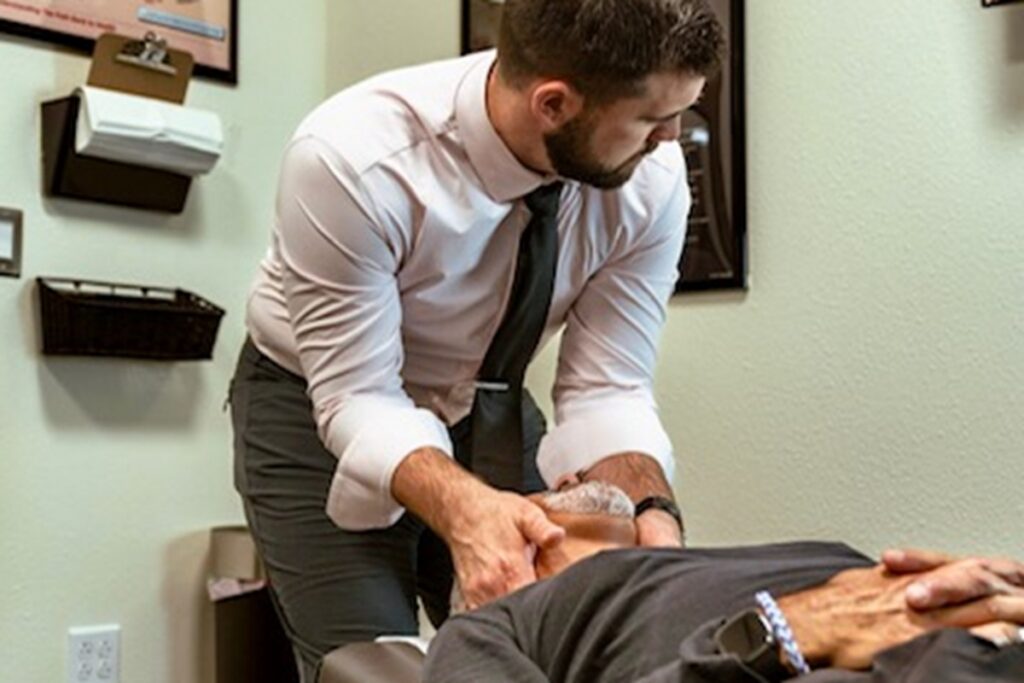
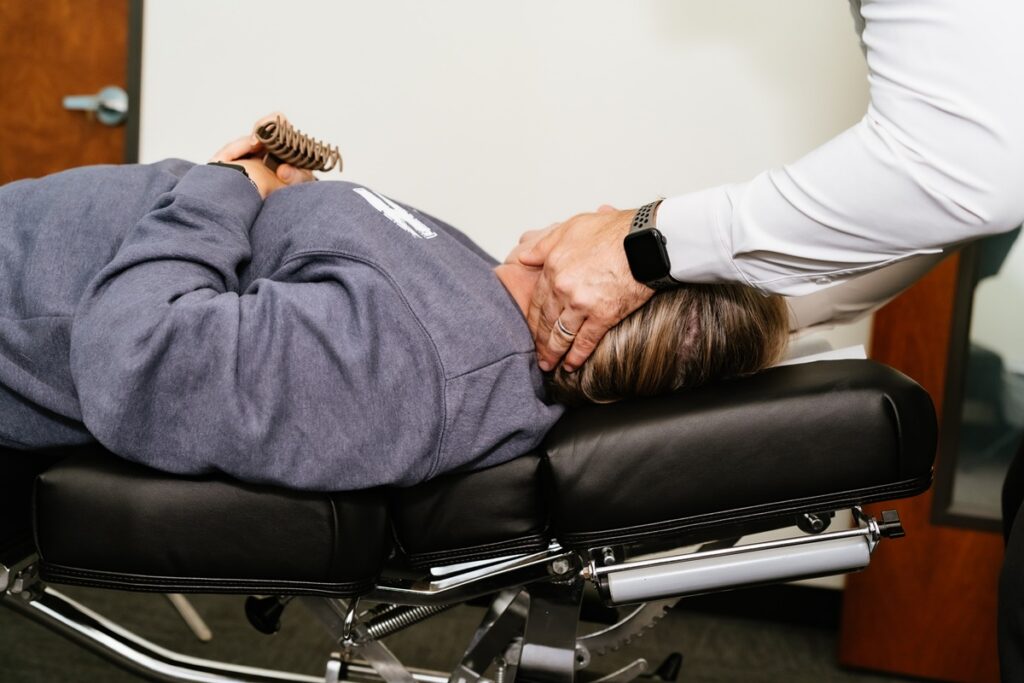
Chiropractors utilize a variety of effective techniques to address low back pain, and our primary focus is on spinal adjustments. These adjustments help realign the spine, which can relieve pressure on nerves and reduce inflammation. This not only helps to ease the pain but also promotes better overall spinal health.
In addition to spinal adjustments, chiropractors often create tailored exercise plans that are specifically designed to strengthen the muscles supporting your back. Gentle stretches and strengthening exercises can improve flexibility and stability, making a significant difference in your recovery process.
Another key strategy is educating you on proper posture and body mechanics. Understanding how to move correctly during daily activities can prevent further strain on your back and encourage long-term wellness.
Here are some general tips you can take away to help manage your low back pain:
- Stay Active: Gentle movement, like walking or low-impact exercises, can promote healing and reduce stiffness.
- Ice and Heat Therapy: Applying ice can help reduce inflammation, while heat can relax tight muscles.
- Mind Your Posture: Be aware of how you sit, stand, and lift to avoid putting extra strain on your back.
- Stay Hydrated: Drinking plenty of water supports overall health and can help maintain the elasticity of spinal discs.
- Sleep Well: Ensure you’re sleeping in a position that supports your spine, such as on your side with a pillow between your knees.
Curious about how chiropractic care can specifically address your low back pain? Let’s explore the key strategies together, ensuring you find the best approach tailored to your needs. Remember, your journey to optimal health starts with understanding and caring for your spine!
Key Takeaways
- Spinal adjustments are a key component of chiropractic care, helping to restore proper alignment in your spine. This not only reduces pressure on your nerves but also significantly alleviates acute low back pain, allowing you to feel more comfortable and mobile in your daily life.
- Soft tissue therapy is another effective technique we use to target muscle tension and inflammation. By focusing on these areas, we promote healing and improve flexibility, which is essential for recovery and overall well-being.
- Incorporating gentle stretches and therapeutic exercises into your routine can greatly enhance your mobility and strengthen the muscles that support your back. This proactive approach can help prevent future episodes of pain, making it easier for you to stay active and engaged in your daily activities.
- Utilizing heat and cold therapy can provide immediate relief from muscle tension and inflammation. Applying a warm compress can soothe tight muscles, while ice packs can reduce swelling, making it easier for you to manage pain at home.
- We also emphasize the importance of ergonomic assessments and posture correction techniques. By promoting proper alignment during your daily activities, we can help you avoid prolonged discomfort and enhance your overall health.
By choosing chiropractic care, you’re opting for a natural, holistic approach to pain relief and wellness. Remember, small changes in your daily routine can lead to significant improvements in your health. Prioritize your spine, stay active, and always seek out strategies that support your body’s natural healing processes. Your journey to optimal health starts here!
Spinal Adjustments
Spinal adjustments are a vital component of chiropractic care for those dealing with low back pain. When you come to see us at our chiropractic office, we’ll carefully evaluate your spinal alignment to check for any misalignments or areas that may be restricting your movement. Through gentle and precise adjustments, we work to restore your spine’s natural position, which can significantly alleviate pain and enhance your overall functionality. These adjustments specifically target the vertebrae, allowing your body to heal naturally and effectively.
After an adjustment, many patients report feeling immediate relief. This is primarily because spinal adjustments can reduce pressure on nerves and improve blood circulation. As your spine becomes better aligned, you may notice increased mobility and a decrease in discomfort in your lower back. Regular adjustments not only help with current pain but also play a crucial role in preventing future issues by maintaining optimal spinal health.
To get the most out of your chiropractic care, it’s important to share any symptoms you have and any changes you notice. This open communication helps us tailor your treatment plan to your specific needs, ensuring that you receive the maximum benefits from your spinal adjustments.
In addition to regular chiropractic visits, here are some general tips to support your spinal health and overall wellness:
- Maintain good posture: Whether sitting at your desk or standing, keeping your spine aligned can help prevent discomfort.
- Stay active: Engage in regular physical activity to strengthen your back muscles and improve flexibility.
- Practice stress-relief techniques: Stress can contribute to muscle tension, so practices like deep breathing, yoga, or meditation can be beneficial.
- Stay hydrated: Drinking plenty of water supports spinal health by keeping your discs hydrated and functioning properly.
- Listen to your body: If you feel pain or discomfort, don’t ignore it. Seeking chiropractic care early can help prevent more serious issues down the road.
Chiropractic care is a natural and effective way to achieve optimal health and manage low back pain. By choosing chiropractic adjustments, you’re taking a proactive step towards a healthier, pain-free life!
Therapeutic Exercises
Managing low back pain effectively is crucial, and incorporating therapeutic exercises into your daily routine can play a vital role alongside chiropractic care. These exercises not only help to strengthen your core but also improve your flexibility and enhance overall stability, all of which can contribute to relieving pain and preventing future discomfort. As your chiropractor, I’ll recommend specific movements tailored to your unique condition, focusing on key muscle groups that support your back.
Begin with gentle stretches to enhance mobility and alleviate tension in your back. As you become more comfortable, you can introduce strengthening exercises that target your abdominal and back muscles. This will provide better support for your spine and contribute to your overall health. Remember, consistency is key; even short daily sessions can lead to significant improvements in how you feel.
Always pay attention to your body and don’t push through pain. If you’re ever uncertain about which exercises are best for you, please reach out to me for personalized guidance. By integrating these therapeutic exercises into your routine, you’re taking a proactive step toward alleviating low back pain and enhancing your overall well-being.
Chiropractic care is your best ally in achieving optimal health, so let’s work together to find the right balance of adjustments and exercises that will help you live a healthier, pain-free life.
Posture Correction
Often, poor posture is a key contributor to low back pain, making posture correction an essential part of your journey to better health. When we slouch or sit for long periods without proper support, it places unnecessary stress on our spine and the surrounding muscles. As your local chiropractor, I’m here to help you identify these habits and guide you on how to align your body correctly for optimal wellness.
You’ll discover simple techniques to maintain ideal posture whether you’re sitting, standing, or on the move. Small adjustments can create a big difference in how your back feels on a daily basis. By incorporating posture correction into your routine, not only can you relieve existing pain, but you can also prevent future discomfort.
I may also suggest some ergonomic changes to your workspace that can support better posture. These modifications don’t just aid in your recovery; they promote long-term spinal health as well. Remember, good posture isn’t just about looking good; it plays a crucial role in alleviating low back pain naturally and effectively.
Here are a few tips to get you started on improving your posture:
- Sit with Support: Use a chair that supports your lower back. Keep your feet flat on the floor and your knees at a right angle.
- Stand Tall: Keep your shoulders back, chest open, and head aligned over your spine when standing.
- Take Breaks: If you sit for long periods, make it a habit to stand, stretch, and move around every 30 minutes to keep your muscles engaged.
- Mind Your Tech: Adjust your computer screen to eye level to avoid hunching over.
Soft Tissue Therapy
Soft tissue therapy is an essential part of chiropractic care for relieving low back pain and enhancing your overall mobility. By employing various techniques aimed at muscle release, this therapy directly targets inflammation and pain, allowing your body to heal naturally.
When you choose chiropractic care, you embark on a journey towards recovery that not only alleviates your discomfort but also helps you regain strength and flexibility. Unlike other medical approaches that may rely on medications or surgeries, chiropractic care emphasizes natural healing and wellness.
Here are some helpful tips to support your journey to optimal health:
- Stay Active: Gentle exercises and stretches can help maintain flexibility and strengthen your back muscles. Consider activities like walking, swimming, or yoga.
- Practice Good Posture: Be mindful of your posture while sitting, standing, and lifting. Proper alignment can prevent strain on your back.
- Stay Hydrated: Drinking plenty of water can keep your muscles hydrated and support overall health.
- Listen to Your Body: If you feel discomfort, take a break and avoid pushing through the pain. Rest is crucial for recovery.
- Regular Chiropractic Visits: Consistent check-ups with your chiropractor can help maintain your spinal health and prevent future issues.
Techniques for Muscle Release
As a dedicated chiropractor, I want to share valuable insights into techniques for muscle release that can help alleviate low back pain and improve your overall well-being.
One effective approach we use is myofascial release. This technique focuses on relaxing tight fascia and muscles, which can lead to enhanced flexibility and a greater sense of comfort in your daily activities.
Another helpful method is trigger point therapy. This involves applying pressure to specific knots in your muscles, which can relieve tension and discomfort.
If you’re feeling tightness, simple stretching techniques can also be beneficial in elongating those stiff muscles and promoting better movement.
Active release therapy is another excellent technique we utilize. It targets muscle tension through specific movements, helping to restore normal function and ease discomfort.
Additionally, we often incorporate instrument-assisted soft tissue mobilization, which can break down scar tissue and improve circulation, allowing your muscles to heal and function better.
Remember, each of these techniques works towards restoring proper muscle function, reducing stiffness, and enhancing your mobility.
By choosing chiropractic care, you’re opting for a natural approach to wellness that encourages your body to heal itself.
Here are some general tips you can incorporate into your daily routine:
- Practice gentle stretching every day to keep your muscles flexible.
- Stay hydrated, as proper hydration supports muscle function and recovery.
- Pay attention to your posture, especially if you sit for long periods.
- Incorporate regular physical activity that you enjoy, as movement is key to overall health.
Reducing Inflammation and Pain
Reducing inflammation and pain is crucial for anyone experiencing low back discomfort, and chiropractic care can significantly contribute to this healing process. By focusing on the spine and surrounding soft tissues, chiropractic adjustments help alleviate tension and promote overall wellness. Gentle techniques, including spinal manipulation and soft tissue therapy, can effectively reduce pain and improve circulation, allowing your body to heal naturally.
Here are some common chiropractic techniques that can benefit those dealing with low back pain:
| Therapy Technique | Benefits |
|---|---|
| Spinal Adjustments | Restores proper alignment |
| Soft Tissue Therapy | Relieves muscle tension |
| Stretching and Strengthening | Improves flexibility and support |
| Postural Correction | Prevents future discomfort |
Incorporating chiropractic care into your wellness routine can help manage inflammation and pain, paving the way for a smoother recovery journey. Here are some additional tips to enhance your healing:
- Stay Active: Engage in gentle exercises like walking or swimming to promote circulation without putting too much strain on your back.
- Maintain Good Posture: Be mindful of your sitting and standing posture to reduce stress on your spine.
- Use Heat Therapy: Applying a warm compress to your lower back can help relieve tension and improve blood flow.
- Stay Hydrated: Drinking plenty of water supports overall health and helps maintain the elasticity of spinal discs.
Chiropractic care is an excellent choice for achieving optimal health and managing pain naturally. By focusing on holistic healing and wellness, you can take control of your recovery and improve your quality of life.
Enhancing Recovery and Mobility
After managing inflammation and pain, the next step is to enhance your recovery and mobility through effective soft tissue therapy, which is an essential part of chiropractic care.
This therapy specifically targets the muscles and connective tissues surrounding your lower back, promoting healing and flexibility. Here are four key benefits you can look forward to:
- Improved Circulation: Increased blood flow helps transport vital nutrients that support healing throughout your body.
- Reduced Muscle Tension: Soft tissue techniques can help relax tight muscles, alleviating discomfort and improving your overall comfort.
- Enhanced Range of Motion: Chiropractic therapy can help restore flexibility, making everyday movements easier and more enjoyable.
- Faster Recovery: By addressing soft tissue issues, you’re likely to bounce back more quickly from injuries, allowing you to get back to your routine.
Incorporating soft tissue therapy into your chiropractic treatment plan can significantly boost your overall recovery process and mobility.
As you experience less pain, you’ll find it easier to return to your daily activities.
Takeaway Tips:
- Consider gentle stretching exercises to complement your therapy and enhance flexibility.
- Stay hydrated to support circulation and recovery.
- Practice good posture to minimize tension in your back and improve overall body alignment.
Embracing chiropractic care not only aids in recovery but also fosters a natural path to wellness, helping you achieve optimal health without relying on medications or invasive procedures.
Heat and Cold Therapy
Heat and cold therapy are two effective methods I often recommend to my patients for alleviating low back pain. These simple techniques can provide significant relief and support your overall wellness journey.
When you apply heat to your lower back, it increases blood flow to the area, which promotes relaxation and helps ease muscle tension. This is particularly beneficial after you’ve experienced a muscle strain or if your back feels tight. You can use a heating pad, a warm towel, or even enjoy a soothing hot bath to take advantage of these benefits.
On the flip side, cold therapy works wonders for reducing inflammation and numbing sharp pain. Applying ice packs or cold compresses can be especially effective right after an injury or during a flare-up. Just be sure to wrap the ice in a cloth to protect your skin from frostbite.
One of the best strategies for managing low back pain is to alternate between heat and cold therapy. This combination can enhance your comfort and promote a quicker recovery.
While these methods can provide immediate relief, remember that addressing the underlying issues causing your pain is crucial for long-term wellness. Chiropractic care is an excellent way to achieve optimal health and manage pain naturally. Regular adjustments can help restore proper spinal alignment, which can reduce discomfort and improve your overall well-being.
As you explore these home remedies, keep in mind that maintaining a healthy lifestyle, including regular exercise and proper posture, can also support your back health. If you’re looking for a natural approach to pain relief and wellness, consider chiropractic care to help you on your journey to a pain-free life.
Nutritional Guidance
When it comes to managing low back pain, nutrition plays a vital role in your overall health and recovery. A well-balanced diet can help reduce inflammation and support your body’s natural healing processes. As a chiropractor, I believe that combining good nutrition with chiropractic care is one of the best ways to achieve optimal health and pain relief. Here are four nutritional tips to consider:
- Stay Hydrated: Drinking plenty of water is essential for your health. Staying hydrated keeps your spinal discs nourished and can help alleviate pressure on your back, contributing to better spinal health.
- Incorporate Anti-Inflammatory Foods: Adding foods like berries, fatty fish, and leafy greens to your meals can help fight inflammation. These nutrients not only support healing but can also work in tandem with chiropractic adjustments to enhance your recovery.
- Limit Processed Foods: Cutting back on sugary snacks and refined carbs can help keep inflammation at bay. By choosing whole, natural foods, you’ll promote overall wellness that complements your chiropractic treatments.
- Focus on Calcium and Vitamin D: These nutrients are crucial for strong bones and healthy muscles, which are essential for maintaining a healthy back. Incorporating dairy products, leafy greens, and sunlight exposure into your routine can support your chiropractic care by improving your body’s strength and stability.
Remember, your overall wellness is a journey. Along with chiropractic care, these nutritional tips can help you manage pain naturally and improve your quality of life.
Embracing a healthier lifestyle won’t only aid in your recovery but also empower you to maintain a well-functioning spine.
Lifestyle Modifications
When it comes to recovering from low back pain, making certain lifestyle modifications can significantly enhance your journey towards optimal health. As a chiropractor, I want to emphasize that alongside proper nutrition, regular physical activity is crucial in strengthening your back muscles and improving flexibility. Aim for low-impact exercises such as walking or swimming, which are gentle on your body while still offering great benefits.
Managing stress is also vital for your recovery, as it can help reduce muscle tension that often contributes to discomfort. Mindfulness practices, such as deep breathing exercises or yoga, can be excellent tools to help you relax and rejuvenate.
Here’s a handy reference table to guide you in making these lifestyle changes:
| Modification | Benefit | Tips |
|---|---|---|
| Regular Exercise | Strengthens back muscles | Start with just 20 minutes daily and gradually increase |
| Stress Management | Reduces muscle tension | Incorporate deep breathing or gentle yoga into your routine |
| Adequate Sleep | Promotes healing | Aim for 7-9 hours of restorative sleep each night |
| Hydration | Supports overall health | Drink 8-10 cups of water daily to stay hydrated |
Ergonomic Advice
Creating a comfortable and supportive workspace is crucial for your overall health and well-being, especially if you spend long hours sitting. Poor posture can lead to low back pain and discomfort, but with some simple ergonomic adjustments, you can significantly improve your situation. Here are some tips to enhance your workspace ergonomics and support your spine:
- Chair Height: Make sure your chair is adjusted so that your feet rest flat on the floor, with your knees at a 90-degree angle. This position helps maintain proper spinal alignment and can prevent strain on your back.
- Desk Setup: Position your monitor at eye level to avoid straining your neck. Ideally, the screen should be about an arm’s length away. This alignment helps to reduce tension in your neck and upper back.
- Keyboard and Mouse: Keep your keyboard and mouse close to your body to avoid reaching too far. Your wrists should remain straight while typing, which helps prevent discomfort and supports the natural curve of your spine.
- Breaks: Remember to take regular breaks every hour. Stand up, stretch, and move around to promote blood circulation and reduce stiffness. These small movements can make a big difference in how your back feels throughout the day.
Implementing these ergonomic strategies not only helps relieve low back pain but also enhances your overall comfort while working.
Additionally, consider incorporating chiropractic care into your wellness routine. Chiropractors are trained to help you maintain optimal spinal health, which can lead to improved posture, reduced pain, and a greater sense of well-being.
By focusing on natural healing and healthier living, you can achieve lasting relief and support your body’s natural ability to heal itself.
Prioritize your spine, and you’ll be on your way to feeling better and living healthier!
Stress Management Techniques
Managing stress effectively is crucial for your overall health and can significantly influence your experience with low back pain. Stress often leads to muscle tension, which can worsen discomfort in your back. As a local chiropractor, I want to emphasize the importance of incorporating relaxation techniques into your daily routine to help alleviate this tension.
One simple method is deep breathing exercises. These exercises are easy to do and can help calm your mind while reducing muscle tension. Just take a moment each day to focus on your breath; it’s a small yet powerful step toward relaxation.
Another effective practice is mindfulness meditation. By concentrating on the present moment, you can reduce anxiety and stress, which can have a positive effect on your back pain. Even a few minutes of mindfulness each day can make a difference.
Regular physical activity, such as yoga or walking, is also beneficial. Not only does it boost your mood, but it strengthens your back muscles, providing essential support. Plus, staying active helps release endorphins, which are natural pain relievers.
Don’t forget about the importance of a balanced diet and adequate sleep. Both play a vital role in managing stress levels. Eating nutritious foods fuels your body, while quality sleep allows it to heal and recharge.
By actively managing your stress through these natural methods, you can enhance your overall well-being. Chiropractic care can further support your journey to optimal health by addressing spinal alignment and promoting natural healing.
Together, these approaches can help reduce the severity and frequency of your low back pain, allowing you to enjoy a healthier, more active life. Remember, your path to wellness is a journey, and every small step counts!
Ongoing Support and Education
Ongoing support and education are vital in your journey to effectively manage low back pain. As a chiropractor, I believe that understanding your condition and having access to the right resources can dramatically improve your quality of life. Here are four ways chiropractic care can provide ongoing support:
- Personalized Exercise Plans: I’ll design specific exercises tailored for you to strengthen your back and enhance your flexibility. This proactive approach not only helps alleviate current pain but also reduces the risk of future discomfort.
- Lifestyle Guidance: Proper ergonomics and posture are crucial in preventing strain on your back. I offer practical advice on daily habits and workplace setup to help you maintain a healthier spine throughout your day.
- Regular Check-ins: Consistent follow-up appointments are key to ensuring your treatment plan is effective. These check-ins allow us to assess your progress and make any necessary adjustments to keep you on the right path.
- Educational Resources: I provide informative literature, workshops, and online resources that empower you to understand back health better. Knowledge is a powerful tool, and I want you to feel confident in managing your condition and practicing self-care strategies.
Conclusion
Incorporating these chiropractic techniques can significantly help you manage and alleviate acute low back pain. By focusing on spinal adjustments, therapeutic exercises, and lifestyle modifications, you can enhance your overall well-being. Chiropractic care is a natural and effective way to address pain without the need for medications or surgeries.
When you visit your chiropractor, it’s essential to have open communication about your progress and any concerns you may have. This partnership empowers you to take charge of your health and work towards a pain-free life. Remember, your chiropractor is there to support you every step of the way, providing valuable education and guidance.
Here are some general tips to consider as you embark on your journey to recovery:
- Stay Active: Gentle movement can help reduce stiffness. Simple activities like walking or stretching can make a big difference.
- Practice Good Posture: Pay attention to how you sit and stand. Keeping a straight spine can prevent further strain on your back.
- Use Proper Lifting Techniques: When lifting objects, bend at your knees, not your waist. This helps protect your back.
- Maintain a Healthy Weight: Extra weight can put additional pressure on your spine. A balanced diet and regular exercise can help you manage your weight.
- Stay Hydrated: Drinking plenty of water can keep your discs hydrated and support overall spinal health.
- Sleep Well: Ensure your mattress supports your spine. A good night’s sleep is crucial for recovery.
- Manage Stress: Stress can lead to muscle tension. Consider relaxation techniques like deep breathing or meditation.
- Follow Your Chiropractor’s Advice: Your chiropractor may suggest specific exercises or stretches tailored to your needs. Stick to their recommendations for the best results.
- Stay Consistent with Care: Regular visits to your chiropractor can help you maintain your progress and avoid future issues.
- Educate Yourself: Understanding how your spine works and the benefits of chiropractic care can empower you to make informed health choices.
Don’t hesitate to seek help and start your journey to recovery today! Chiropractic care is a holistic approach that prioritizes your natural healing capabilities, helping you achieve optimal health and wellness.