
If you’re struggling with acute low back pain, you understand how much it can affect your daily life. The first step toward relief is understanding the causes and symptoms of your discomfort. As a chiropractor, I want to emphasize that exploring natural and holistic approaches—especially chiropractic care—can be key in restoring your function and well-being.
There are immediate relief strategies that you can use to manage your pain, such as gentle stretches and using heat or ice on the affected area. However, the best long-term solution often lies in regular chiropractic adjustments. These adjustments help align your spine, reduce tension, and promote natural healing, allowing your body to function optimally.
It’s essential to know when to seek professional help, especially if your pain persists or worsens. A chiropractor can provide a thorough assessment and develop a personalized treatment plan tailored to your needs. Remember, prioritizing natural healing through chiropractic care can lead to lasting relief without the need for surgeries or medications.
As you navigate your recovery, here are a few general tips to keep in mind:
- Maintain good posture while sitting and standing to reduce strain on your back.
- Incorporate gentle exercises and stretching into your daily routine to strengthen your back muscles.
- Stay hydrated and eat a balanced diet to support overall health and healing.
By focusing on these natural approaches, you can take significant steps toward reclaiming your life and well-being. Let’s work together to get you back on track!
Key Takeaways
- To effectively address acute low back pain, it’s essential to identify its cause, which may include muscle sprains, herniated discs, or inflammation. If you’re unsure about the source of your pain, a visit to a chiropractor can provide valuable insights and a tailored treatment plan.
- For immediate relief, consider applying heat or cold therapy for 15–20 minutes. This simple method can help soothe pain and reduce inflammation, allowing your body to start the healing process naturally.
- Gentle stretching and low-impact activities like walking can help maintain your flexibility while being mindful not to worsen your symptoms. These activities promote blood flow and encourage healing, which is crucial for recovery.
- Incorporating long-term solutions such as chiropractic care, physical therapy, or acupuncture can greatly enhance your spinal function and support your overall recovery journey. Chiropractors are skilled in restoring balance to your spine and can offer holistic approaches to wellness.
- Keep a close eye on your symptoms. If you notice persistent pain, worsening discomfort, or concerning signs such as numbness or changes in bowel/bladder function, it’s important to consult a chiropractor. They are trained to assess these red flags and guide you toward the best path for healing.
Remember, taking care of your spine is an investment in your overall health. By choosing chiropractic care, you can experience natural pain relief and promote a healthier lifestyle!
Understanding Acute Low Back Pain: Causes and Symptoms
When you experience acute low back pain, it’s often due to a specific injury or strain that can happen during everyday activities. This pain might result from lifting heavy objects, twisting in an awkward way, or even sitting for too long. Common causes include muscle or ligament sprains, which can lead to inflammation and discomfort.
If you have a herniated disc or a muscle spasm, you might also feel pain. The sensations can vary from sharp, stabbing feelings to a dull ache. Sometimes, the pain can travel down your legs, which may indicate that nerves are affected.
In addition to pain, you might notice stiffness, reduced flexibility, or challenges standing up straight. Recognizing these signs is important, as it helps you understand what’s happening in your body.
To support your recovery and prevent future episodes of acute low back pain, consider these simple tips:
- Mind Your Posture: Always be aware of how you sit and stand. Maintaining a straight back can reduce strain on your muscles and spine.
- Stay Active: Gentle movements and stretches can keep your back flexible and strong. Activities like walking or yoga are great options.
- Listen to Your Body: Pay attention to any pain or discomfort. If you feel any discomfort while doing an activity, it’s best to stop and adjust your movements.
- Seek Chiropractic Care: A chiropractor can help you understand your back pain and provide gentle, effective treatment. Chiropractic adjustments can restore balance to your spine, relieve pain, and promote natural healing.
Taking care of your back is essential for your overall health. By focusing on proper movement, posture, and seeking chiropractic care, you can pave the way for a pain-free life and optimal wellness.
Immediate Relief Strategies for Acute Low Back Pain
If you’re dealing with acute low back pain, there are several simple strategies that can provide quick relief while also promoting overall wellness. As a chiropractor, I believe in the body’s natural ability to heal itself, and these methods can support that healing process. Here are some effective techniques you can easily incorporate into your routine:
| Strategy | How to Apply | Benefits |
|---|---|---|
| Heat Therapy | Apply a heating pad to your lower back for 15-20 minutes. Make sure it’s warm, not too hot! | Heat increases blood flow to the area, helping to relax tight muscles and soothe discomfort. |
| Cold Therapy | Use an ice pack wrapped in a cloth for 15-20 minutes. This is especially helpful if you feel inflammation. | Cold therapy helps to reduce inflammation and numbs pain, providing a fresh start for your back. |
| Gentle Stretching | Engage in light stretching or try some gentle yoga poses that focus on the lower back. | Stretching promotes flexibility and can ease muscle tension, contributing to better spinal health. |
Long-term Treatment Options and Therapies
While finding immediate relief from low back pain is crucial, it’s equally important to focus on long-term strategies for sustained recovery. As a chiropractor, I firmly believe that chiropractic care is one of the best ways to achieve optimal health and alleviate pain naturally.
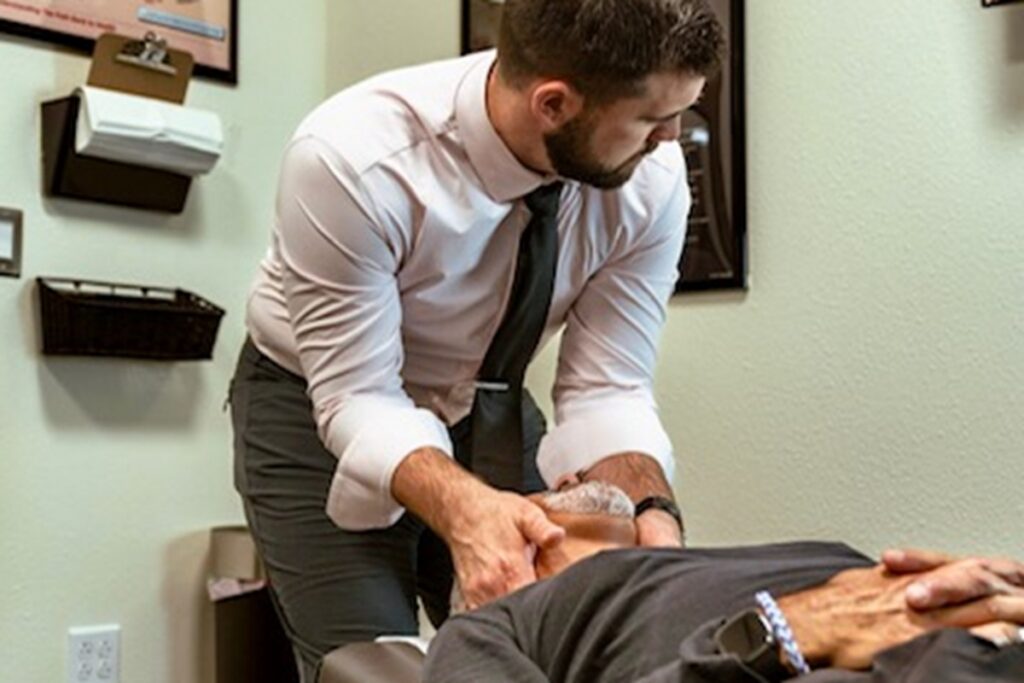
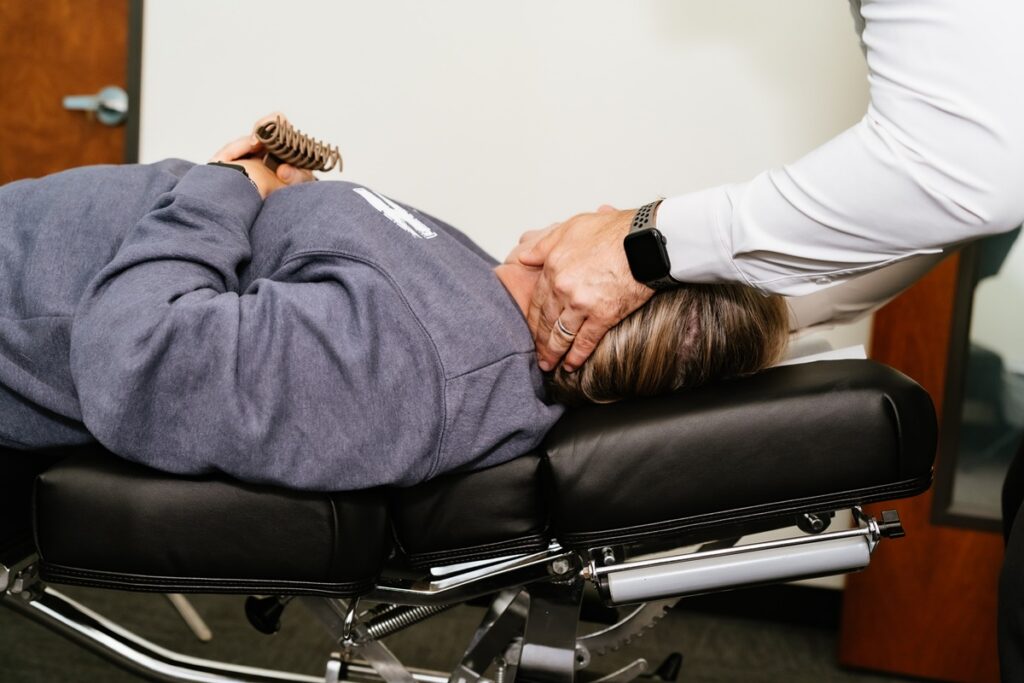
One effective long-term treatment option is chiropractic adjustments. These gentle manipulations can help align your spine, relieve pressure on nerves, and improve your overall mobility. By restoring proper alignment, chiropractic care not only addresses current pain but also helps prevent future issues.
In addition to chiropractic adjustments, incorporating physical therapy into your routine can be beneficial. Physical therapy focuses on strengthening core muscles, improving flexibility, and correcting posture. Regular sessions with a therapist can provide you with personalized exercises specifically designed to meet your needs, enhancing your recovery process.
Don’t forget about the power of holistic approaches like acupuncture and massage therapy. These therapies can complement chiropractic care by promoting relaxation, reducing muscle tension, and stimulating the body’s natural healing processes.
Moreover, integrating mind-body techniques such as yoga and mindfulness meditation into your daily routine can significantly help manage pain and reduce stress. These practices not only improve your physical well-being but also enhance your mental health, creating a more balanced lifestyle.
Here are some general tips to keep in mind for long-term wellness:
- Maintain good posture throughout the day, especially if you sit for long periods.
- Stay active with regular exercise to strengthen your back and core muscles.
- Use proper lifting techniques to avoid strain on your back.
- Incorporate stretches into your daily routine to improve flexibility.
Lifestyle Modifications to Prevent Future Episodes
To help prevent future episodes of low back pain, incorporating some lifestyle modifications can be incredibly effective. By making these changes a part of your daily routine, you can promote a healthier back and minimize the risk of pain returning. Here are some straightforward tips:
- Stay Active: Regular low-impact exercises, such as walking, swimming, or cycling, can strengthen your back muscles and improve flexibility. These activities not only help your back but also enhance your overall health.
- Maintain Good Posture: Pay attention to your body mechanics—how you sit, stand, and lift. Proper posture can significantly reduce strain on your back and help maintain a healthy spine. Remember, your body is designed to move efficiently, so being mindful of your alignment is key.
- Use Ergonomic Furniture: Consider investing in chairs and desks that support your spine, particularly if you spend long hours working at a desk. Ergonomic furniture can promote better posture and reduce discomfort, making it easier to stay focused and productive.
- Practice Stress-Relief Techniques: Incorporate techniques like yoga, meditation, or deep breathing into your routine. These practices can help alleviate tension in your body, improve your mental well-being, and contribute to a healthier spine.
Chiropractic care is a natural and effective way to support your journey to optimal health. By focusing on spinal health and overall wellness, you can enjoy a pain-free lifestyle.
If you’re experiencing back pain or want to learn more about maintaining a healthy spine, consider visiting your local chiropractor for personalized guidance and care. Remember, taking proactive steps today can lead to a healthier tomorrow!
When to Seek Professional Help for Back Pain
Recognizing when to seek professional help for back pain is crucial for maintaining your overall health and wellness. If your pain lasts more than a few days, it’s a good idea to consult with a chiropractor. Ignoring pain that travels down your legs or causes numbness can lead to more serious issues, especially if it involves your nerves.
If you experience sudden, intense pain following an injury or fall, seek immediate help from a chiropractor. This is essential for ensuring that your spine is properly aligned and to prevent further complications. Be aware of other warning signs, such as unexplained weight loss, fever, or challenges with bowel or bladder control—these could indicate a more serious underlying condition that requires attention.
It’s also important to pay attention to how back pain affects your daily activities or sleep. If it disrupts your routine, consulting a chiropractor can provide you with natural pain relief solutions and help restore balance to your body.
Remember, early intervention is key! Addressing your concerns promptly can lead to better outcomes and prevent chronic issues. Trust your instincts—if something doesn’t feel right, don’t hesitate to reach out for help. Your back health is vital, and chiropractic care is a natural and effective way to achieve optimal wellness.
Here are some general tips to manage back pain at home:
- Maintain good posture while sitting, standing, and lifting.
- Incorporate gentle stretches and exercises to strengthen your back muscles.
- Use heat or cold therapy to alleviate discomfort.
- Stay active, but listen to your body and avoid movements that cause pain.
Conclusion
To summarize, managing acute low back pain effectively involves a combination of immediate self-care and long-term strategies, with a strong emphasis on chiropractic care. Start with simple, natural methods such as applying ice or heat, and engaging in gentle movement to alleviate discomfort. As you progress, consider incorporating chiropractic adjustments, which can realign your spine and promote healing.
Additionally, explore lifestyle changes that support spinal health, such as maintaining good posture, staying active, and strengthening your core muscles. Always be mindful of any concerning symptoms that may require immediate attention. Remember, you are not alone in this journey—embracing chiropractic care can guide you toward a more comfortable, active life, while empowering you to take charge of your health naturally.