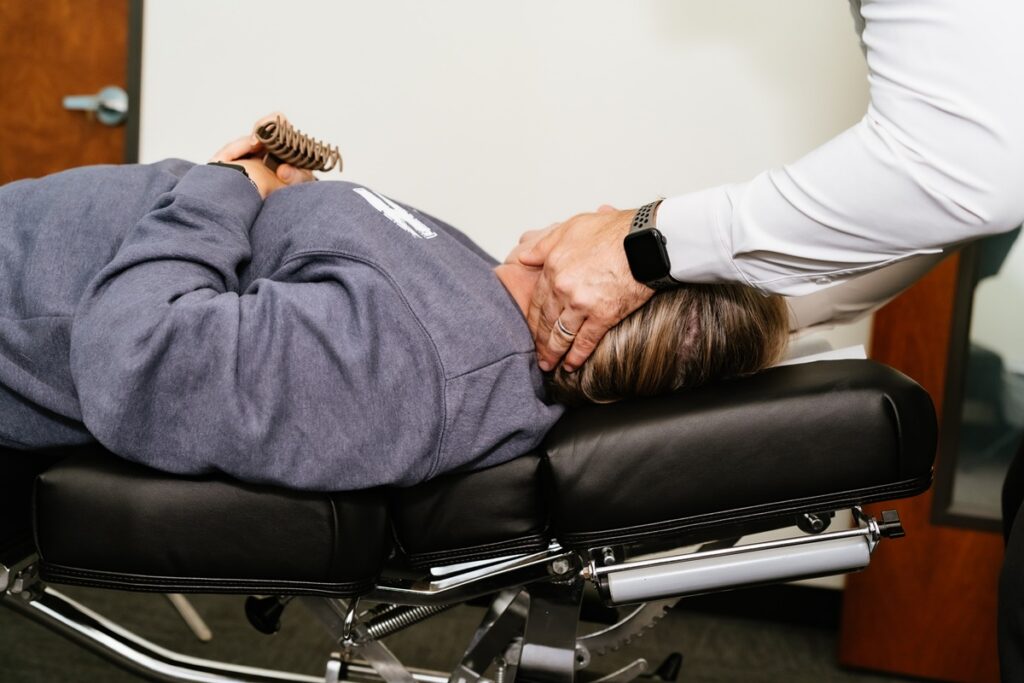

Your posture is crucial to your overall health, particularly when it comes to your back. When your spine is not aligned properly, it can lead to discomfort and chronic pain that disrupts your daily activities. As a chiropractor, I want to help you understand how a healthy spine works and how simple changes can make a big difference. By focusing on your alignment and incorporating chiropractic care into your wellness routine, you can relieve strain, improve your posture, and enhance your overall well-being.
What you may not realize is that these small adjustments can also boost your confidence and energy levels. For instance, standing tall with your shoulders back not only looks good but also allows your body to function better. So, what’s the first step toward transforming your posture?
Start by being mindful of how you sit and stand throughout the day. Here are some tips to help you get started:
- Adjust your workspace: Make sure your chair and desk are set up to encourage good posture. Your feet should be flat on the ground, and your screen should be at eye level.
- Practice stretches: Incorporate gentle stretches into your daily routine to keep your spine flexible and reduce tension.
- Regular chiropractic visits: Regular adjustments can help maintain proper alignment and prevent future issues. A chiropractor can provide personalized advice and treatments tailored to your specific needs.
Embracing these practices can lead to a healthier, pain-free life. Remember, chiropractic care is an excellent choice for achieving optimal health and wellness naturally. Take the first step today and prioritize your posture for a better tomorrow!
Key Takeaways
- Maintaining good posture is crucial for aligning your spine, which significantly reduces strain on your muscles and ligaments. This simple adjustment can help prevent back pain and injuries, allowing you to enjoy a more active and pain-free lifestyle.
- When you keep your spine in its proper curvature, it helps distribute your weight evenly. This minimizes unnecessary pressure on your spine and enhances your overall movement. Remember, a well-aligned spine is key to feeling your best!
- Regularly checking your posture and using ergonomic furniture can greatly support your back health. These practices encourage a neutral spine position, which is essential for long-term spinal wellness. Consider making small changes in your workspace to support your spine better.
- Strengthening your core muscles is another important step in supporting your spine. A strong core enhances stability and reduces the risk of discomfort. Simple exercises, like planks or bridges, can go a long way in building the strength you need for a healthy back.
- Don’t forget to take frequent breaks to stretch and move throughout your day. This habit reinforces healthy posture and prevents prolonged strain on your back muscles. Simple stretches, like reaching for the sky or bending side to side, can keep your back feeling great and support your natural healing process.
By embracing these practices and prioritizing chiropractic care, you can achieve optimal health and well-being. Remember, your spine is the foundation of your body, and taking care of it is essential for a pain-free life!
The Importance of Posture for Back Health
Good posture is crucial for maintaining a healthy back, especially in our modern world where many of us spend long hours sitting at desks or hunched over devices.
When you practice good posture, you help align your spine, which reduces strain on your muscles and ligaments. This alignment keeps your back in a neutral position, helping to prevent discomfort and injuries.
On the other hand, slouching or leaning forward can place unnecessary stress on your back, which may lead to chronic pain over time. By being mindful of your posture, you not only support your spine but also enhance circulation, improve digestion, and even elevate your mood. Remember to keep your feet flat on the floor, roll your shoulders back, and align your head with your spine.
Incorporating regular breaks to stretch and move around is also a great way to reinforce these healthy habits. It’s essential to check in with your posture throughout the day. Your back will thank you for it, and you may notice an improvement in your overall well-being.
As a chiropractor, I believe that maintaining a strong, healthy spine is key to achieving optimal health. Consider integrating chiropractic care into your wellness routine. Chiropractic adjustments can help realign your spine, alleviate pain, and promote natural healing, allowing your body to function at its best.
Here are some simple tips you can implement right now to support your spine health:
- Adjust Your Workspace: Ensure your chair and desk are set up to encourage good posture. Your computer screen should be at eye level, and your chair should support your lower back.
- Take Frequent Breaks: Stand up, stretch, and walk around every 30-60 minutes to keep your body moving and to reset your posture.
- Strengthen Your Core: Engage in exercises that strengthen your abdominal muscles. A strong core supports your spine and improves your posture.
- Practice Mindfulness: Pay attention to your posture throughout the day. Small adjustments can make a big difference in how you feel.
The Anatomy of a Healthy Spine
Your spine isn’t just a collection of bones; it’s the backbone of your overall health, providing essential support and flexibility for your body.
By understanding its structure and the significance of its natural curves, you can work towards better posture and enhanced well-being.
A healthy spine is characterized by its three natural curves: the cervical (neck), thoracic (upper back), and lumbar (lower back) curves.
These curves help distribute weight evenly and absorb shock, which is crucial for daily activities.
When these curves are in alignment, you can experience less tension and discomfort in your body.
Chiropractic care plays a key role in maintaining your spine’s health.
Regular adjustments not only help to realign your spine but also promote optimal nerve function, which is essential for your body’s overall performance.
Many patients report significant relief from pain and improved mobility after receiving chiropractic care.
Here are some simple tips to help maintain a healthy spine:
- Practice Good Posture: Keep your shoulders back and your head aligned over your spine. Whether you’re sitting at a desk or standing, being mindful of your posture can prevent strain on your spine.
- Stay Active: Regular physical activity strengthens the muscles that support your spine. Incorporate exercises that focus on core strength, flexibility, and balance.
- Use Ergonomic Furniture: If you work at a desk, invest in a chair that supports your lower back and promotes a neutral spine position.
- Be Mindful of Lifting Techniques: When lifting heavy objects, bend at your knees and keep the object close to your body to avoid straining your back.
- Stay Hydrated: Proper hydration supports the discs in your spine, keeping them healthy and functioning optimally.
- Schedule Regular Chiropractic Check-Ups: Regular visits to your chiropractor can help keep your spine in alignment and prevent issues before they arise.
Remember, your spine is vital to your health, and chiropractic care is a natural and effective way to support it.
By prioritizing your spinal health, you can enhance your overall wellness and improve your quality of life.
Don’t wait for pain to strike—take proactive steps today for a healthier spine and a happier you!
Spine Structure Overview
Understanding the anatomy of a healthy spine is crucial for maintaining overall back health and wellness. Your spine is made up of 33 vertebrae, organized into five key regions: cervical, thoracic, lumbar, sacral, and coccygeal. Each section plays a vital role in supporting your body and safeguarding your spinal cord. The intervertebral discs between the vertebrae act like natural shock absorbers, giving you the flexibility and movement you need in your daily activities.
Surrounding the spine are important muscles and ligaments that provide stability and support. This is where proper posture comes into play! By maintaining good posture, you help keep your spine aligned, which reduces the stress on these vital components. This can lead to less discomfort and a healthier back overall.
As your local chiropractor, I want to empower you with knowledge about your spine’s function. By understanding how each part contributes to your back health, you can make informed choices that promote wellness and prevent future issues.
Here are some simple tips to keep your spine in tip-top shape:
- Practice Good Posture: Whether you’re sitting, standing, or walking, be mindful of your posture. Keep your shoulders back and your spine straight.
- Stay Active: Engage in regular physical activity, like walking or gentle stretching, to keep your spine flexible and strong.
- Lift Wisely: When lifting heavy objects, bend your knees and use your legs for strength rather than straining your back.
- Listen to Your Body: Pay attention to any discomfort or pain. If something feels off, it’s a good idea to consult with a chiropractor who can assess your spine and provide natural healing solutions.
Importance of Curvature
Curvature is essential for maintaining a healthy spine, as it ensures that weight is distributed evenly and helps absorb shock during our daily movements. When the spine has the proper curvature, it can significantly reduce discomfort and lower the risk of injury. The spine’s natural curves—the cervical, thoracic, and lumbar—work together to create balance and stability, making it easier for us to move through life.
As your local chiropractor, I want to emphasize the importance of understanding these curves and how they impact your health. By improving your posture and spinal health, you can enjoy a more active and pain-free life. Here’s a simple breakdown of the different curve types and their functions:
| Curve Type | Function | Impact on Health |
|---|---|---|
| Cervical | Supports the weight of the head | Reduces neck strain |
| Thoracic | Protects vital organs | Enhances breathing |
| Lumbar | Absorbs shock during movement | Prevents lower back pain |
To support your spine’s natural curves and promote overall wellness, consider these helpful tips:
- Practice Good Posture: Whether sitting at a desk or standing, be mindful of your posture. Keep your shoulders back and your spine aligned to reduce strain.
- Stay Active: Engage in regular physical activity to strengthen the muscles supporting your spine. Activities like walking, swimming, or yoga can be beneficial.
- Use Ergonomic Furniture: Invest in a good chair that supports your back while working or studying, and make sure your workstation is set up to promote good posture.
- Incorporate Stretching: Take breaks to stretch throughout the day. Simple stretches can relieve tension and support your spine’s health.
- Seek Chiropractic Care: Regular visits to a chiropractor can help maintain proper alignment, enhance your mobility, and promote overall wellness. Chiropractic care focuses on natural healing and can be an excellent way to achieve optimal health.
Common Posture Mistakes to Avoid
Many individuals may not be aware of the poor posture habits they’ve developed over time, which can lead to discomfort and even long-term health complications. Recognizing these mistakes is essential for making the necessary adjustments to improve your well-being.
Here are some common posture pitfalls to be mindful of:
- Slouching: Allowing your shoulders to hunch forward can create strain on your back and neck. Instead, focus on keeping your shoulders back and your spine aligned. Regular chiropractic adjustments can help maintain this proper alignment.
- Leaning Forward: Whether you’re sitting or standing, leaning too far forward can put unnecessary pressure on your spine. It’s important to be mindful of your posture throughout the day. Remember to engage your core muscles to support your spine.
- Crossing Legs: This habit can create an imbalance in your pelvis, leading to discomfort over time. Try to keep your feet flat on the ground when seated. If you’re sitting for long periods, chiropractic care can help address any resulting imbalances.
- Prolonged Sitting: Spending extended periods sitting without breaks can weaken your back muscles. Make it a habit to stand up, stretch, and move around every hour. Incorporating gentle stretches into your day can help maintain muscle health, and a chiropractor can guide you on the best movements for your body.
- Looking Down at Devices: Tilting your head down to look at your phone or tablet can lead to neck strain, often referred to as “tech neck.” Hold your devices at eye level to reduce strain on your neck. Additionally, regular chiropractic visits can help alleviate any tension that builds up from this posture.
By being aware of these common posture mistakes and making small adjustments, you can improve your overall health and comfort.
Chiropractic care offers a natural approach to pain relief and wellness, helping you maintain proper alignment and function. Remember, a healthy spine contributes to a healthier life!
The Benefits of Good Posture
Good posture is key to enhancing your overall health and well-being, and as a chiropractor, I want to emphasize how vital it’s for your spine and body.
When you take the time to stand or sit up straight, you’re not just projecting confidence; you’re actively supporting your spine. Proper alignment reduces strain on your muscles and ligaments, which can help prevent discomfort and pain. This is where chiropractic care plays a crucial role; regular adjustments can help maintain that alignment, ensuring that your body functions optimally.
Additionally, good posture makes it easier for you to breathe deeply. When your spine is aligned, your chest and lungs have the space to expand fully, allowing for better oxygen flow throughout your body. This can lead to improved energy levels and mood. Many of my patients report feeling more alert and focused after a chiropractic adjustment, which can enhance productivity in daily tasks.
Moreover, maintaining good posture not only benefits your physical health but also enhances your interactions with others. When you stand tall, you project confidence, which can positively impact your social and professional relationships.
Here are some simple tips to help you maintain good posture throughout the day:
- Be Mindful: Regularly check in with your posture while sitting or standing. Are your shoulders back and your head held high?
- Ergonomic Setup: If you spend long hours at a desk, make sure your workspace is ergonomically friendly. Your computer screen should be at eye level, and your chair should support your lower back.
- Strengthening Exercises: Incorporate exercises that strengthen your core, as a strong core supports good posture.
- Chiropractic Care: Regular visits to a chiropractor can help keep your spine aligned and reduce the risk of pain and discomfort.
How Poor Posture Affects Your Body
When you neglect your posture, your body can really take a hit in several ways. Poor posture doesn’t just affect your back; it can lead to discomfort and complications throughout your entire body.
As a chiropractor, I want to share some common effects of poor posture and how chiropractic care can help you find relief and improve your overall health:
- Increased Back Pain: Slouching and poor alignment put extra pressure on your spine, often leading to chronic pain. Regular chiropractic adjustments can help realign your spine, reducing discomfort and promoting better posture.
- Reduced Flexibility: When your muscles are tight from poor posture, it can limit your range of motion. Chiropractic care includes gentle stretching and manipulation, which can help restore flexibility and mobility.
- Decreased Lung Capacity: Slumped shoulders can compress your lungs, making it harder to take deep breaths. By improving your posture through chiropractic adjustments, you can open up your chest and enhance your lung capacity for better breathing.
- Impaired Digestion: Poor posture can restrict your internal organs, affecting digestion. Chiropractic care can help improve your spinal alignment, allowing your organs to function more effectively and comfortably.
- Headaches: Tension in your neck and shoulders can lead to frequent headaches. Chiropractic adjustments can alleviate this tension, reducing the frequency and intensity of headaches.
Becoming aware of these issues is the first step toward better health. By addressing your posture now, you can prevent further complications and enhance your overall well-being.
Remember, regular visits to your chiropractor can help keep your spine aligned and support your journey to a healthier lifestyle.
Here are some simple tips to improve your posture and well-being:
- Check Your Workspace: Ensure your computer screen is at eye level and your chair supports your lower back.
- Take Breaks: Stand up and stretch every hour, especially if you sit for long periods.
- Practice Good Sitting Habits: Keep your feet flat on the ground and your back against the chair.
- Stay Active: Regular exercise strengthens your muscles and promotes good posture.
Chiropractic care is a natural and effective way to achieve optimal health. Don’t hesitate to reach out to your chiropractor for personalized advice and support on your journey to better posture and wellness!
Tips for Improving Your Posture
As a local chiropractor, I want to emphasize how vital good posture is for your overall health and wellness. Improving your posture not only helps alleviate pain but also enhances your daily energy levels and overall quality of life. Here are some practical tips that can help you stand tall and feel great:
| Tip | Description | Frequency |
|---|---|---|
| Sit Up Straight | Always keep your back straight and shoulders relaxed. This alignment can prevent strain on your spine. | Every time you sit |
| Align Your Head | Ensure your ears are aligned with your shoulders. This helps reduce tension in your neck and upper back. | Throughout the day |
| Use Ergonomic Furniture | Investing in chairs and desks that support good posture can make a world of difference in your comfort. | Daily use |
| Take Breaks | Stand up and stretch every hour to relieve pressure on your spine and improve circulation. | Hourly |
| Strengthen Your Core | Engaging in core-strengthening activities like yoga or Pilates can offer great support to your spine. | Weekly |
Exercises to Strengthen Your Back
To keep your back healthy and strong, incorporating exercises that specifically target your back muscles is essential. As a chiropractor, I believe that strengthening your core, improving flexibility through stretching, and engaging in resistance training are key components to achieving better posture and overall back health.
Start by focusing on core-strengthening exercises, such as planks and bridges. A strong core supports your spine, reducing the risk of pain and injury. Additionally, don’t underestimate the power of stretching. Simple stretches like the cat-cow pose or child’s pose can enhance your flexibility and relieve tension in your back.
Resistance training can also play a vital role in maintaining a stable, healthy back. Incorporate exercises like bent-over rows or resistance band pulls to build strength in the upper and lower back. Remember, it’s important to listen to your body and not push through pain.
In addition to these exercises, regular chiropractic adjustments can help align your spine, reduce discomfort, and enhance your overall wellness. Chiropractic care focuses on natural healing and can be a game-changer in your journey toward optimal health. By taking these steps, you can build a strong foundation for a pain-free, active lifestyle.
Core Strengthening Exercises
Core strengthening exercises are vital for enhancing your back health and overall wellness. By focusing on your core, you not only provide essential support to your spine but also help reduce the risk of injury and improve your posture.
As a chiropractor, I believe that a strong core is foundational for a healthy body, and it complements the benefits of chiropractic care. Here are some effective exercises you can easily incorporate into your daily routine:
- Planks: This exercise engages your entire core. Try holding a plank for about 30 seconds. It’s a great way to build endurance in your abdominal muscles.
- Bird-Dogs: Get down on your hands and knees, and extend one arm forward while stretching the opposite leg back. This helps improve balance and coordination while strengthening your core.
- Dead Bugs: Lie on your back with your arms extended towards the ceiling. Alternate extending your opposite arm and leg while keeping your back flat on the floor. This is excellent for stabilizing your core.
- Russian Twists: Sit with your knees bent and lean back slightly. Rotate your torso side to side, which helps enhance your oblique muscles and improve rotational strength.
- Bridges: Lying on your back, lift your hips off the ground while squeezing your glutes. This exercise strengthens your lower back and glutes, which are crucial for spinal support.
Incorporating these exercises into your routine can significantly strengthen your core, which in turn supports a healthier back. Remember, a strong core leads to better stability and can enhance the effectiveness of chiropractic adjustments.
Always listen to your body and consult with your chiropractor if you have any concerns or pre-existing conditions. Together, we can work towards your optimal health and wellness through natural healing practices.
Stretching Techniques for Flexibility
Incorporating stretching techniques into your daily routine can greatly enhance your back’s flexibility and overall health, complementing the benefits of chiropractic care.
One great exercise to start with is the cat-cow stretch. This movement warms up your spine and promotes mobility. Simply get on all fours, arch your back while inhaling, and then round it while exhaling. This not only feels good but can also help alleviate tension in your back.
Next, consider the child’s pose. Sit back on your heels, reach your arms forward, and relax your forehead on the ground. This gentle stretch helps relieve pressure in your lower back and can be a wonderful way to relax after a long day.
Don’t forget about the seated forward bend. While sitting, reach for your toes to help elongate your spine. This stretch can improve blood flow and flexibility in your back, contributing to your overall wellness. Aim to hold each stretch for 20-30 seconds to truly feel the benefits.
By regularly practicing these stretching techniques, you can prevent stiffness and improve your posture, making daily activities more comfortable and enjoyable.
Resistance Training for Stability
Building a Stronger Back with Resistance Training
As a chiropractor, I understand the importance of a strong and stable back for your overall health and wellness.
While stretching is essential for flexibility, incorporating resistance training can significantly enhance the stability and strength of your back. This not only supports your spine but also improves your posture, balance, and daily functioning. Here are some simple yet effective resistance training exercises you can easily add to your routine:
- Deadlifts: This exercise works your entire back and core, helping to build a strong foundation that supports your spine.
- Bent-over Rows: Great for targeting the muscles in your upper back, this exercise helps improve your posture by strengthening the muscles that keep your shoulders aligned.
- Planks: A fantastic way to build core stability, planks support your spine and can help prevent back pain by engaging your entire core.
- Lat Pulldowns: This exercise focuses on your lats and promotes shoulder stability, which is essential for maintaining good posture.
- Supermans: A simple yet effective way to strengthen your lower back, Supermans promote spinal extension and overall back health.
Incorporating these exercises into your routine can greatly enhance your back strength and help you maintain proper posture throughout your daily activities.
Remember, a strong back is key to preventing pain and injury, and it complements the benefits of chiropractic care beautifully.
If you experience any discomfort while exercising or have specific concerns about your spine, don’t hesitate to reach out for a chiropractic consultation.
Together, we can develop a personalized plan to support your journey towards optimal health and wellness.
Start prioritizing your back health today!
Ergonomic Solutions for Your Workspace
Transforming your workspace with ergonomic solutions is essential for enhancing your comfort and productivity, and it can also play a significant role in maintaining your spinal health. As a chiropractor, I encourage you to make these adjustments to your workspace to support your body and prevent pain.
Start by adjusting your chair to provide proper support for your lower back. This will help maintain the natural curve of your spine. Ensure that your feet rest flat on the floor to promote good posture. An adjustable chair is a great investment, as it allows you to find the perfect height to keep your elbows at a 90-degree angle while typing.
Next, position your computer screen at eye level to avoid straining your neck. A monitor stand can help achieve this optimal height. If you find yourself sitting for long periods, consider incorporating a sit-stand desk into your workspace. This allows you to alternate between sitting and standing, reducing the risk of discomfort and promoting better spinal alignment.
Additionally, keep frequently used items within arm’s reach. This simple adjustment can prevent the repetitive stretching that often leads to pain and strain. By implementing these ergonomic tips, you not only help prevent back pain but also enhance your overall efficiency at work.
Mindfulness and Posture Awareness
To improve your posture, incorporating mindfulness into your daily routine can make a significant difference. As a chiropractor, I often emphasize the importance of being aware of your body, especially when it comes to maintaining a healthy spine. One effective technique is the body scan, which helps you become more aware of how you’re sitting or standing throughout the day. By taking a moment to check in with your body, you can identify areas of tension or misalignment that may lead to discomfort.
Setting reminders to check your posture can also be beneficial. These little nudges can help you stay aligned and comfortable as you go about your daily tasks, whether you’re working at a desk or enjoying leisure activities. Remember, proper posture not only supports your spine but also contributes to overall well-being.
As a chiropractor, I advocate for natural healing through spinal care and adjustments. Regular chiropractic visits can help you maintain optimal posture by addressing any underlying issues in your spine.
This proactive approach not only alleviates pain but also supports your body’s natural ability to heal and function at its best.
Incorporating these mindfulness practices, along with regular chiropractic care, can lead to a healthier, pain-free life. Prioritize your spinal health, and remember that small changes in your daily routine can have a big impact on your overall wellness.
Daily Mindfulness Practices
Mindfulness practices can significantly enhance your posture awareness and overall back health, making them an excellent complement to chiropractic care.
By integrating daily mindfulness activities, you can strengthen the connection between your mind and body, which is crucial for achieving optimal spinal health.
Here are some effective practices to consider:
- Morning Stretches: Begin your day with gentle stretching exercises. This not only loosens your muscles but also prepares your spine for the day ahead.
- Breath Awareness: Take a moment to focus on your breath. This simple practice helps ground you and promotes proper alignment in your body, which is vital for maintaining good posture.
- Body Check-Ins: Throughout the day, take a few moments to assess your posture. Regular check-ins can remind you to sit and stand tall, which supports spinal health.
- Mindful Walking: Pay attention to how you carry your body while walking. Being aware of your movements can improve your balance and posture, reducing strain on your back.
- Gratitude Journaling: Reflect on your body’s strengths and abilities. This practice fosters a positive body image, encouraging you to take better care of your spine and overall health.
Incorporating these mindfulness practices into your daily routine can greatly enhance your posture and support your back health.
Remember, chiropractic care is an excellent way to address any pain or discomfort you may have while helping you maintain a healthy spine.
Prioritizing these simple practices along with regular chiropractic adjustments can lead to a more balanced and pain-free life.
Body Scan Techniques
Body scan techniques can be a valuable addition to your wellness routine, especially when it comes to improving posture and overall spinal health. By bringing awareness to different areas of your body, you can identify tension and misalignment that may contribute to discomfort or pain. This practice not only helps you stay present but also strengthens your connection with your physical self, which is essential for maintaining a healthy spine.
Here’s a simple guide to help you perform a basic body scan:
| Body Part | Awareness Focus |
|---|---|
| Head | Relax facial muscles and align your neck for better support. |
| Shoulders | Drop and release tension; keep them relaxed to avoid strain on your spine. |
| Back | Lengthen and align your spine; imagine each vertebra stacking perfectly. |
| Feet | Ground and stabilize; feel your connection to the earth for better balance. |
Incorporating these techniques into your daily routine can significantly enhance your posture and overall well-being. Remember, a well-aligned spine is key to a healthy body and can help alleviate discomfort. If you’re experiencing pain or tension, consider visiting a chiropractor who can provide personalized care and guidance to help you achieve optimal health naturally. Embrace these practices, and you’ll be on your way to a healthier, more balanced life!
Posture Check Reminders
Regular posture checks can significantly enhance your well-being throughout the day. By being mindful of your posture, you can alleviate discomfort, boost your energy levels, and sharpen your focus. As a chiropractor, I want to share some effective reminders to help you stay aware of your posture, which is crucial for spinal health and overall wellness:
- Set an hourly timer on your phone or computer to remind you to check your posture. This simple action can keep you aligned and reduce strain on your spine.
- Use sticky notes placed in visible areas, like your workspace, as gentle reminders to sit or stand tall. A little nudge can go a long way in maintaining correct alignment.
- Practice deep breathing periodically. This not only helps ground you but also allows you to assess your posture and make necessary adjustments.
- Take short breaks every 30 minutes to stretch and reset your posture. Gentle movements can relieve tension and promote better alignment, helping your spine stay healthy.
- Visualize a string gently pulling your head upward. This mental image can encourage you to maintain an upright posture, helping you feel more energized and focused.
Incorporating these reminders into your daily routine can lead to better posture, which supports your spinal health and overall well-being. Remember, chiropractic care is an excellent choice for achieving lasting pain relief and promoting natural wellness.
If you’re experiencing discomfort or have questions about maintaining good posture, don’t hesitate to reach out to your chiropractor for personalized guidance and support. Your spine will thank you!
Long-Term Effects of Posture on Confidence and Well-Being
As a local chiropractor, I want to emphasize the significant impact your posture has on your confidence and overall well-being. Good posture isn’t just about standing tall; it’s a vital part of maintaining a healthy spine and promoting natural healing. When you align your body properly, you not only project confidence but also enhance your self-assurance from within. This transformation in body language can positively influence how others perceive you, improving your interactions in both personal and professional environments.
Over time, practicing good posture can lead to lasting benefits for your mental health. You may find that maintaining an open posture helps reduce stress and anxiety levels, as it encourages deeper breathing and promotes relaxation. On the other hand, slouching can contribute to feelings of insecurity and fatigue, which can be counterproductive to your overall health.
To support your posture and spinal health, consider the following tips:
- Regular Chiropractic Care: Visiting a chiropractor can help ensure your spine is aligned, allowing your body to function optimally and reducing discomfort.
- Strengthen Core Muscles: Engaging in exercises that strengthen your core muscles can provide better support for your spine, helping you maintain good posture throughout the day.
- Mind Your Ergonomics: Whether you’re at a desk or on the go, paying attention to your body position can help you avoid slouching. Adjust your chair, monitor, and workspace to promote a healthier posture.
- Practice Mindfulness: Being aware of your body and posture during daily activities can lead to better habits. Take a moment to check in with your posture, especially when sitting for long periods.
- Stretch Regularly: Incorporating stretches into your daily routine can relieve tension in your muscles and promote better alignment.
Conclusion
Incorporating good posture into your daily life can significantly improve your back health and overall well-being. As a local chiropractor, I want to emphasize the importance of mindful alignment, core strengthening, and creating an ergonomic workspace. These simple practices not only help prevent pain but also enhance your confidence and energy levels.
Remember, small adjustments can lead to big changes. For instance, when sitting, ensure that your feet are flat on the ground, your back is straight, and your shoulders are relaxed. This alignment supports your spine and can alleviate discomfort over time.
Consider adding core-strengthening exercises to your routine, as a strong core plays a crucial role in maintaining good posture. Simple exercises like planks or bridges can be incredibly effective.
Additionally, if you spend long hours at a desk, take regular breaks to stand, stretch, and move around. This helps keep your spine healthy and reduces the risk of stiffness and pain.
Above all, I encourage you to explore chiropractic care as a natural and effective way to achieve optimal health. Regular chiropractic adjustments can help align your spine, relieve pain, and improve your overall well-being. So, stand tall, take charge of your posture, and consider chiropractic care as your ally in achieving a healthier, pain-free life. Your spine will thank you, and you’ll feel the positive effects in every aspect of your life!