
Low back pain can be a persistent and frustrating issue, but there are effective and natural steps you can take to find relief right at home. As a chiropractor, I believe that making small changes to your daily routine can significantly improve your comfort and overall well-being. From adjusting your posture to incorporating regular stretching and strengthening exercises, these strategies can lead to remarkable results without the need for medications or surgeries.
One of the first things you can do is pay attention to your posture. Whether you’re sitting at a desk or standing in line, maintaining a neutral spine is crucial for reducing strain on your back. Consider using a supportive chair or a lumbar roll to keep your spine aligned.
Incorporating regular stretching into your day can also be incredibly beneficial. Simple stretches targeting the lower back, hips, and hamstrings can help alleviate tension and improve flexibility. I recommend setting aside just a few minutes each day to perform these stretches.
Strengthening your core muscles is another key component in managing low back pain. Exercises like planks, bridges, and gentle yoga poses can help support your spine and improve stability. Remember, a strong core takes the pressure off your back!
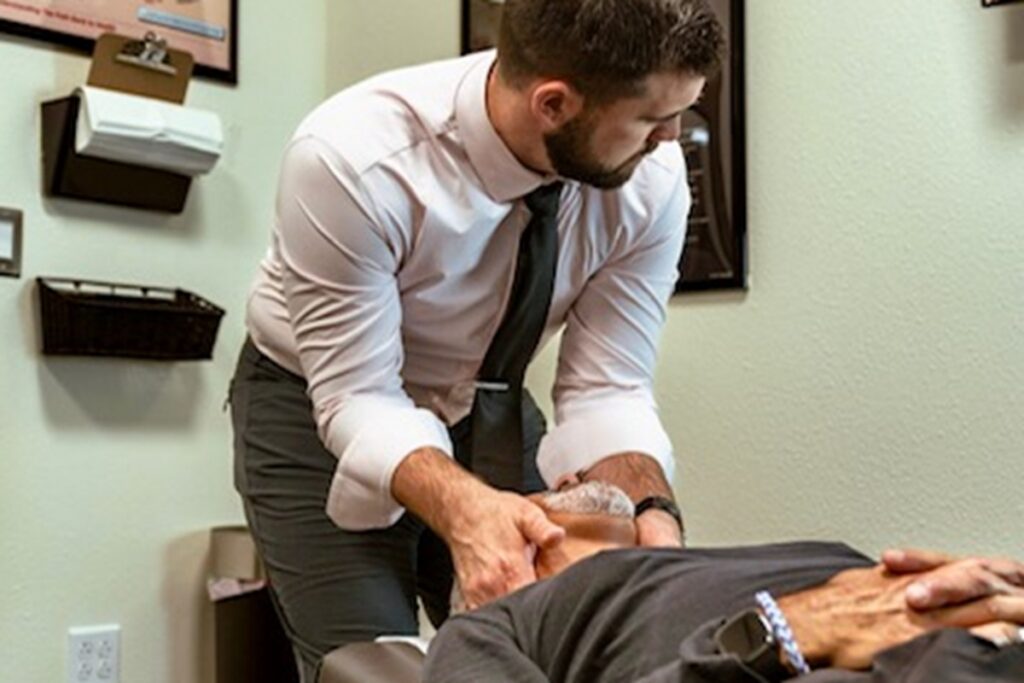
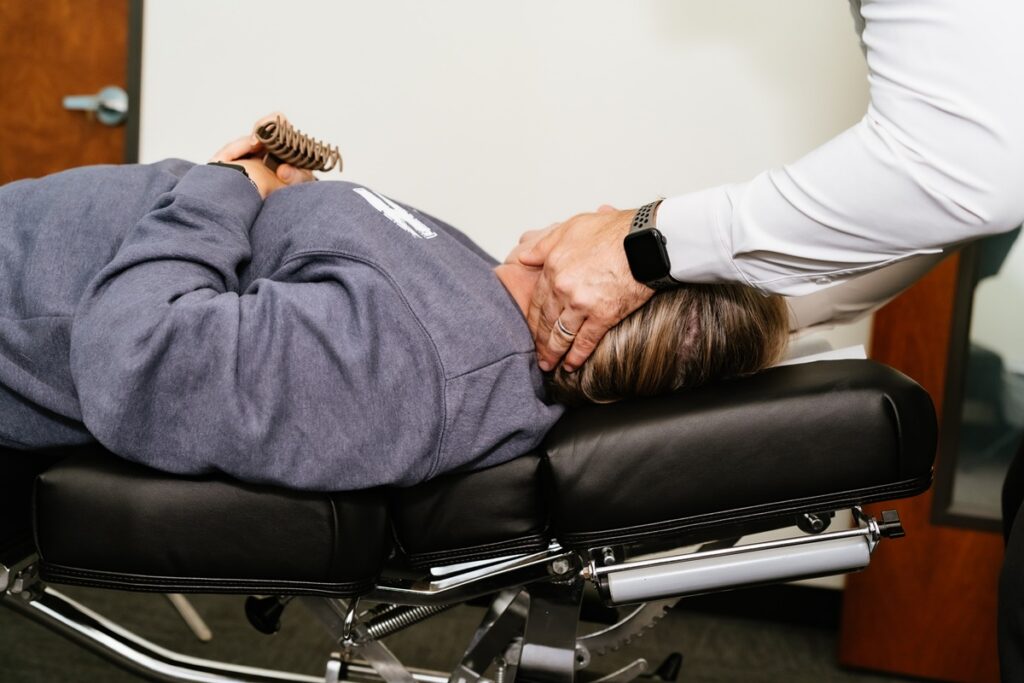
Additionally, regular chiropractic care can play a vital role in your journey to relief. By addressing misalignments in your spine, chiropractic adjustments can help restore proper function and alleviate pain. Many patients find that routine visits to their chiropractor not only help with pain relief but also promote overall health and wellness.
If you’re curious about how to implement these strategies into your routine, let’s dive deeper into the specific steps you can take. Embracing these natural approaches can transform your daily life and help you achieve optimal health without relying on invasive procedures. Remember, you don’t have to suffer in silence—there’s a path to relief that prioritizes your body’s natural healing abilities!
Key Takeaways
- Prioritize Proper Posture: Ensure your ears, shoulders, and hips are aligned. This simple adjustment can significantly reduce strain on your spine and minimize discomfort. Regular chiropractic adjustments can help maintain this alignment for optimal spinal health.
- Incorporate Gentle Stretching: Engage in stretches like the Cat-Cow and Child’s Pose. These movements are excellent for releasing tension in the lower back and can be enhanced by chiropractic care, which can help improve your range of motion and flexibility.
- Stay Active with Low-Impact Exercises: Activities such as walking or swimming are great for promoting circulation and maintaining flexibility. Regular chiropractic visits can support your active lifestyle by ensuring your spine is functioning at its best, allowing you to move freely and comfortably.
- Focus on a Nutritious Diet: Eating a balanced diet filled with anti-inflammatory foods can aid in your healing process and reduce discomfort. Pairing this with chiropractic care can enhance your overall wellness, as it helps to address underlying issues that contribute to pain.
- Manage Stress Effectively: Techniques like mindfulness and deep breathing can help alleviate tension that may be contributing to your back pain. Chiropractic care complements these practices by addressing physical stressors in your body, further promoting relaxation and well-being.
By incorporating these steps and considering chiropractic care, you can take significant strides toward alleviating low back pain and achieving a healthier, more vibrant life.
Understand the Causes of Low Back Pain
Low back pain can arise from a variety of sources, and understanding these causes is crucial for effective management and relief. As a chiropractor, I want to emphasize the importance of addressing these issues naturally through chiropractic care.
Muscle strains are a common culprit of low back pain, often resulting from heavy lifting or sudden movements. It’s essential to practice proper lifting techniques to avoid discomfort. If you find yourself experiencing pain, gentle stretches and strengthening exercises can help support your back and improve your overall flexibility.
Another condition that can lead to pain is a herniated disc, which occurs when the cushioning discs in your spine become damaged, potentially putting pressure on nearby nerves. Chiropractic adjustments can alleviate this pressure, promoting better spinal alignment and function, which can significantly reduce your pain.
Chronic conditions like arthritis or scoliosis can also contribute to ongoing discomfort. Regular chiropractic care can help manage these conditions by improving mobility, reducing inflammation, and enhancing your overall quality of life.
If you lead a sedentary lifestyle, it’s crucial to incorporate movement into your daily routine. Weak muscles and poor flexibility can worsen your discomfort. Simple activities like walking, stretching, and even practicing yoga can strengthen your back and promote better posture.
Moreover, stress and tension can manifest physically as pain in your lower back. Finding effective stress management strategies, such as mindfulness, deep breathing exercises, or gentle yoga, can help reduce tension and improve your overall well-being.
Maintain Proper Posture
Maintaining proper posture is vital for preventing low back pain and enhancing your overall spinal health. As a chiropractor, I want to emphasize the importance of correct body alignment in your daily activities. Whether you’re sitting, standing, or moving, your body should be aligned properly. Aim for a straight line through your ears, shoulders, and hips to minimize strain on your spine.
When you’re sitting, it’s essential to keep your feet flat on the floor and your knees at a right angle. Choose a supportive chair that promotes an upright position—this can have a significant impact on your spinal health. If you find yourself standing for long periods, remember to distribute your weight evenly on both feet and avoid locking your knees, which can lead to discomfort.
While walking, engage your core muscles to provide stability. Being mindful of your posture throughout the day can truly make a difference. Even when using devices, try to hold them at eye level to prevent slouching, which can lead to tension and pain.
Incorporate Regular Stretching
Incorporating regular stretching into your routine can significantly reduce low back pain and enhance your overall flexibility, making it an essential practice for anyone seeking natural wellness.
As a chiropractor, I often see how simple stretching exercises can alleviate tension and strengthen the muscles that support your spine.
By prioritizing these movements, you can create a strong foundation for spinal health and overall well-being.
Let’s explore some effective stretches that you can easily integrate into your daily life.
These stretches not only help with pain relief but also complement the benefits of chiropractic care by promoting flexibility and supporting the alignment of your spine.
- Cat-Cow Stretch: Start on your hands and knees. As you inhale, arch your back and look up (Cow). As you exhale, round your spine and tuck your chin (Cat). Repeat this for 5-10 breaths to warm up your spine.
- Child’s Pose: Kneel on the floor and sit back on your heels. Reach your arms forward and lower your chest to the ground. This stretch helps to release tension in your lower back and is great for relaxation.
- Hip Flexor Stretch: Stand with one foot forward and bend your knees into a lunge. Keep your back leg straight and push your hips forward. This stretch opens up the hip flexors, which can alleviate strain on your lower back.
- Seated Forward Bend: Sit with your legs extended in front of you. Reach for your toes while keeping your back straight. This stretch targets the hamstrings and lower back, promoting flexibility.
- Knees to Chest: Lie on your back and pull your knees towards your chest. This gentle stretch can relieve tension in your lower back and hips.
By incorporating these stretches into your daily routine, you can support your spinal health and experience natural pain relief.
Remember, chiropractic care is a powerful ally in your journey to optimal health.
Regular adjustments can enhance the benefits of stretching, helping to maintain proper alignment and function of your spine.
For best results, consider scheduling regular chiropractic visits to complement your stretching routine.
Together, they can help you achieve a healthier, more flexible body and a pain-free lifestyle.
Benefits of Stretching
Regularly incorporating stretching into your routine can significantly improve your overall well-being, especially when it comes to easing low back pain. As a chiropractor, I often see how stretching enhances flexibility and boosts blood flow to your muscles, which is essential for their recovery and optimal function.
Improved circulation helps relieve tension and reduces stiffness in your back, allowing you to move more comfortably throughout your day.
Stretching also plays a crucial role in strengthening your core muscles. A strong core provides better support for your spine, which can help prevent injuries and reduce pain. Moreover, stretching is an excellent way to relieve stress—something that can often lead to muscle tightness and discomfort.
To get the most out of your stretching routine, consider these simple tips:
- Warm-Up First: Always warm up your muscles with light activity before stretching to prevent injury.
- Be Consistent: Aim to stretch at least a few times a week to see the best benefits.
- Listen to Your Body: Stretch gently and avoid pushing yourself too hard to prevent strain.
- Focus on Breathing: Use deep, steady breaths while you stretch to enhance relaxation and effectiveness.
- Incorporate Variety: Mix different stretches to target various muscle groups, particularly those that support your back.
By making stretching a regular part of your daily routine, you’ll not only alleviate discomfort but also promote better posture and overall physical health.
Embracing chiropractic care alongside these practices can help you achieve optimal health and empower you to move freely and confidently, without the need for medications or surgeries. Your journey to a healthier spine and body starts with these simple yet effective habits!
Recommended Stretching Exercises
To further enhance your stretching routine and alleviate low back pain, it’s essential to focus on specific exercises that target areas of tension and stiffness. As a chiropractor, I recommend starting with the cat-cow stretch. This exercise is fantastic for improving the flexibility of your spine, which is vital for overall spinal health.
Next, the seated forward bend is a great way to stretch your hamstrings and lower back. It helps to release tension while promoting better posture. The child’s pose is another excellent stretch for relaxing your back muscles and facilitating a sense of calm.
Don’t forget to include the piriformis stretch in your routine. This stretch is beneficial for relieving tightness in your hips, which can contribute to low back discomfort.
Incorporate these stretches into your daily routine, holding each for 20 to 30 seconds. Aim to stretch at least three times a week, and you’ll begin to notice improvements in your flexibility and a reduction in discomfort.
Strengthen Core Muscles
Strengthening your core muscles isn’t just about building strength; it’s a vital step in alleviating low back pain and enhancing your overall health. A strong core supports your spine, improves stability, and helps prevent injuries. As a chiropractor, I often emphasize the importance of core strength in my practice, as it plays a crucial role in maintaining a healthy spine and achieving optimal wellness.
Here are some effective exercises that can help you build core strength and support your spinal health:
- Planks: Start with a basic plank position, holding your body in a straight line from head to heels. This exercise engages your entire core, helping to stabilize your spine.
- Bridges: Lying on your back with your knees bent, lift your hips towards the ceiling, squeezing your glutes at the top. This not only strengthens your core but also works your lower back and hips.
- Bird-Dogs: On your hands and knees, extend one arm forward while extending the opposite leg back. This exercise improves balance and engages your core muscles effectively.
- Dead Bugs: Lie on your back with your arms extended towards the ceiling and your knees bent at a 90-degree angle. Slowly lower one arm and the opposite leg towards the floor, then return to the starting position. This movement trains your core to stabilize your spine.
Incorporating these exercises into your routine can significantly enhance your core strength, leading to better spinal support and overall stability. Remember, strengthening your core is a natural way to alleviate pain and promote wellness without relying on medications or surgeries.
Additionally, always listen to your body and progress at your own pace. If you experience any discomfort or pain during these exercises, consider consulting with a chiropractor who can provide personalized guidance and adjustments to your routine.
Importance of Core Strength
Building core strength is vital for reducing low back pain and improving overall stability. A strong core acts as a support system for your spine and pelvis, helping to alleviate strain on your lower back. By engaging your core muscles, you can maintain proper posture, which is essential for preventing discomfort during daily activities like lifting, bending, or sitting.
Chiropractic care plays a crucial role in enhancing your core strength and overall health. Regular adjustments help ensure that your spine is aligned correctly, allowing your core muscles to function optimally. When your spine is in alignment, it reduces the risk of compensating with other muscles, which can lead to pain and fatigue.
In addition to chiropractic adjustments, here are some simple tips to strengthen your core and support your back:
- Engage Your Core: Practice engaging your core muscles throughout the day, whether you’re sitting at your desk or walking. This simple action can help reinforce good posture and stability.
- Gentle Exercises: Incorporate gentle core-strengthening exercises like planks, bridges, and seated leg lifts into your routine. These exercises can be done at home and don’t require any special equipment.
- Stay Active: Aim to incorporate physical activity into your daily routine. Activities like walking, swimming, or yoga can help you build strength and improve flexibility without straining your back.
- Mind Your Posture: Be conscious of your posture when sitting or standing. Use ergonomic furniture if possible, and take breaks to stretch and move around during long periods of sitting.
- Consult with Your Chiropractor: Regular visits to your chiropractor can provide personalized recommendations for exercises and techniques to strengthen your core, tailored to your specific needs.
Effective Core Exercises
Having a strong core is essential not just for looking good, but for maintaining a healthy back and overall functionality. As a chiropractor, I want to emphasize that strengthening your core can provide vital support for your spine, helping to alleviate pain and improve your daily activities.
To build a solid core, consider incorporating some simple yet effective exercises into your routine. Here are a few you can easily do at home:
- Planks: Start by lying face down, then lift your body off the ground, resting on your forearms and toes. Keep your body in a straight line from head to heels while engaging your abdominal muscles. Aim to hold this position for 30 seconds. This exercise strengthens both your core and back muscles, promoting better posture.
- Bridges: Lie on your back with your knees bent and feet flat on the floor. Lift your hips towards the ceiling while squeezing your glutes and core. Hold for a few seconds before gently lowering back down. This exercise not only strengthens your core but also supports your lower back.
- Bird-Dogs: Start on your hands and knees. Extend one arm forward while simultaneously extending the opposite leg back. Hold this position for a moment, focusing on your balance, then switch sides. This exercise enhances stability and engages your core effectively.
Aim for 3 sets of 10-15 repetitions of each exercise. Consistency is key; incorporating these exercises into your routine can significantly enhance your core strength and support your spine.
Remember, chiropractic care plays a crucial role in your journey towards optimal health. Regular adjustments can help maintain spinal alignment and improve your overall wellness. If you’re experiencing back pain or discomfort, don’t hesitate to reach out to a chiropractor for personalized guidance and support.
Together, we can help you achieve a healthier, pain-free life!
Use Heat and Cold Therapy
As a local chiropractor, I want to share with you some effective ways to alleviate low back pain using heat and cold therapy, two natural methods that can complement your chiropractic care.
Heat therapy can work wonders for your discomfort. You can easily apply heat with a warm towel, a heating pad, or even a hot water bottle. The warmth increases blood flow, helps relax tight muscles, and reduces stiffness, making it especially beneficial for chronic pain. Just use it for about 15 to 20 minutes, and always ensure it’s warm but not too hot to avoid any burns.
On the flip side, cold therapy is fantastic for reducing inflammation and numbing sharp pain. A simple ice pack or a bag of frozen vegetables wrapped in a cloth can do the trick. Apply it to the affected area for about 15 to 20 minutes. Just be sure to let your skin return to its normal temperature between applications to prevent frostbite.
I encourage you to experiment with both heat and cold therapies to discover which one provides you with the most relief. By integrating these natural methods along with your chiropractic care, you can effectively manage low back pain and enhance your overall comfort and well-being.
Stay Active With Low-Impact Exercises
Staying active is crucial for managing low back pain, and engaging in low-impact exercises can be an excellent way to keep your body moving without adding strain. These activities not only help to strengthen your muscles but also enhance flexibility and reduce stiffness, all of which are vital for a healthy spine. As a chiropractor, I want to share some recommended exercises that can support your journey towards pain relief and optimal health, while also emphasizing the importance of chiropractic care in achieving these goals.
Incorporating exercises like gentle stretching, walking, and swimming can be beneficial. Stretching helps maintain flexibility in your muscles and joints, which can alleviate tension and discomfort in your back. Walking is a great low-impact option that promotes circulation and can be easily integrated into your daily routine. Swimming is another fantastic choice, as the buoyancy of water reduces impact on your joints while providing a full-body workout.
In addition to these exercises, consider these general tips for maintaining a healthy spine:
- Posture Matters: Be mindful of your posture during daily activities. Whether sitting at a desk or lifting objects, maintaining a neutral spine can prevent unnecessary strain.
- Listen to Your Body: Pay attention to any discomfort you may feel during exercise. If something doesn’t feel right, modify the activity or consult with your chiropractor for personalized guidance.
- Stay Consistent: Regular activity is key to managing back pain. Aim for consistency in your exercise routine, and don’t hesitate to seek the support of your chiropractor to keep you on track.
- Chiropractic Care: Regular visits to your chiropractor can help ensure that your spine is properly aligned, which is essential for overall health and wellness. Chiropractic adjustments can alleviate pain, enhance mobility, and support your exercise efforts.
Benefits of Low-Impact
Engaging in low-impact exercises can significantly benefit those dealing with low back pain. Activities like walking or swimming are gentle on your joints while still allowing for essential movement. These low-impact workouts not only improve flexibility but also strengthen your core muscles, providing vital support for your spine.
Staying active through these exercises can also elevate your mood and lower stress levels, both of which are important in managing pain effectively. Additionally, low-impact activities enhance circulation, promoting healing in your back and surrounding tissues.
To make the most of your exercise routine, consider incorporating these activities several times a week. Even small, consistent efforts can lead to meaningful improvements in your overall well-being. Remember to listen to your body and consult with a chiropractor if you have specific concerns or need guidance tailored to your needs.
Chiropractic care is an excellent option for those looking to alleviate pain naturally and enhance their overall health. By focusing on spinal alignment and function, chiropractors can help you achieve optimal wellness. Embrace low-impact workouts as part of your journey, and you’ll not only feel better but also support your spine’s health in the long run.
Recommended Exercises to Try
Incorporating low-impact exercises into your routine can significantly help in managing low back pain, and chiropractic care can support your journey to better health. Start with gentle activities like walking or swimming; these movements keep your body engaged without straining your back. Consider adding yoga and Pilates to your regimen, as they emphasize flexibility and core strength, which are essential for spinal health.
Specific stretches, such as the cat-cow pose or child’s pose, can be particularly beneficial for relieving tension in your back. These exercises help maintain mobility and promote proper alignment, which is crucial for optimal spinal function. Using resistance bands for strength training is another great option; they’re gentle on your joints while helping you build strength.
Always listen to your body and avoid pushing through pain. Consistency is key—aim to gradually increase your activity level as your strength improves. Remember, staying active is vital for alleviating discomfort and enhancing your overall well-being.
In addition to these exercises, consider visiting your chiropractor regularly. Chiropractic care can provide targeted adjustments that relieve pain, improve mobility, and promote natural healing. By prioritizing your spinal health, you’re taking a proactive step towards achieving optimal wellness.
Practice Mindfulness and Relaxation Techniques
Practicing mindfulness and relaxation techniques can significantly alleviate low back pain while promoting overall wellness. By focusing on the present moment, you can let go of the tension and stress that may be contributing to your discomfort. Simple practices like deep breathing, meditation, or gentle yoga not only create a sense of peace but also enhance your body’s natural healing processes, which is essential when considering chiropractic care.
To incorporate these techniques into your daily routine, set aside a few minutes each day. As you take deep breaths, visualize the pain melting away with each exhale. Guided imagery can be particularly effective; imagine yourself in a calm and serene place, which can aid in deep relaxation.
Another valuable technique to consider is progressive muscle relaxation. This involves tensing and then relaxing different muscle groups, helping you become more aware of where your body holds tension. By regularly practicing these techniques, you can develop a stronger mind and body connection, leading to less back pain and a better quality of life.
Invest in a Supportive Mattress and Pillow
Investing in a Supportive Mattress and Pillow: A Key to Alleviating Low Back Pain
As a chiropractor, I often see how the right sleep environment can significantly impact your overall health and wellness, particularly when it comes to low back pain. A good mattress and pillow are essential tools for achieving a restful night’s sleep and waking up pain-free.
By choosing supportive sleep products, you’re taking an important step toward better spinal health.
- Firmness Level: Aim for a mattress that strikes the right balance between comfort and support. For most individuals, a medium-firm mattress is ideal. It provides enough cushioning for your body while still supporting proper spinal alignment.
- Material Matters: When selecting a mattress, consider materials like memory foam or latex. These options conform to your body’s unique shape, helping to relieve pressure points and promoting a healthier alignment while you sleep.
- Pillow Height: Your pillow plays a crucial role in maintaining a neutral neck position. Choose a pillow that suits your sleeping style—back, side, or stomach. This will help keep your spine aligned and reduce tension in your neck and back.
Remember, a supportive mattress and pillow are just one part of the equation. Regular chiropractic care can enhance these benefits by ensuring your spine stays aligned and functioning properly.
Chiropractic adjustments can help relieve pain, improve mobility, and promote overall wellness.
Incorporating these tips into your sleep routine can lead to better nights and healthier mornings. If you’re struggling with back pain, consider discussing your sleep setup with your chiropractor—they can provide personalized recommendations to help you achieve optimal health naturally.
Stay Hydrated and Maintain a Healthy Diet
Creating a supportive sleep environment is crucial for alleviating low back pain, but your daily habits are just as important for your overall health and wellness.
One of the simplest ways to improve your spine health is by staying hydrated. Drinking enough water is essential because it helps maintain the elasticity of your spinal discs, reducing stiffness and discomfort. Aim for at least eight glasses of water a day, and feel free to adjust this based on how active you’re and the climate you’re in.
Alongside proper hydration, nourishing your body with a healthy diet can make a significant difference in managing back pain. Incorporate anti-inflammatory foods into your meals, such as leafy greens, fatty fish, and nuts. These foods can help reduce inflammation and promote healing in your body. On the other hand, try to limit processed foods and sugars, as they can contribute to inflammation and discomfort.
Remember, chiropractic care is an excellent choice for addressing pain and achieving optimal health. Regular visits to your chiropractor can help align your spine and improve your overall wellness. By combining chiropractic adjustments with good hydration and a balanced diet, you can take significant steps toward a healthier, pain-free life.
Keep these tips in mind as you work towards better health and wellness!
Seek Professional Help When Needed
When low back pain becomes persistent or severe, it’s important to seek professional help for effective relief. Ignoring the pain or trying to tough it out can lead to more significant issues down the road. As a chiropractor, I can help you find a natural path to recovery, focusing on your specific needs.
- Chiropractic Care: Through gentle adjustments, I can help realign your spine, reduce muscle tension, and improve your mobility. This natural approach not only alleviates pain but also promotes overall wellness.
- Exercise and Movement: Incorporating simple exercises can strengthen your core and back muscles, helping to prevent future injuries. I can guide you on the best movements tailored for your condition.
- Lifestyle Tips: Maintaining good posture, staying active, and incorporating regular stretching into your routine can significantly reduce the risk of low back pain. Small changes in your daily habits can lead to lasting relief.
Don’t hesitate to reach out for help when you need it. The right chiropractic care can make all the difference in your recovery journey, allowing you to regain your quality of life naturally and holistically.
Conclusion
By following these 10 secret steps, you can effectively alleviate low back pain and enhance your overall well-being, with chiropractic care as a cornerstone of your recovery. Start by prioritizing your posture—good alignment is crucial for spinal health. Incorporate gentle stretching and core-strengthening exercises to support your back. Don’t underestimate the benefits of heat or cold therapy; both can offer relief and promote healing.
Staying hydrated and maintaining a balanced diet rich in nutrients will also aid in your recovery. Remember, chiropractic adjustments can help correct misalignments and improve your body’s function, making them an excellent choice for pain relief and overall wellness. If you need guidance, I encourage you to consult with a chiropractor who can tailor a plan to meet your needs.
Lastly, taking small, consistent actions in your daily routine will lead to significant improvements in your back health and quality of life. Embrace these steps, and you’ll be on the path to a healthier, pain-free lifestyle!