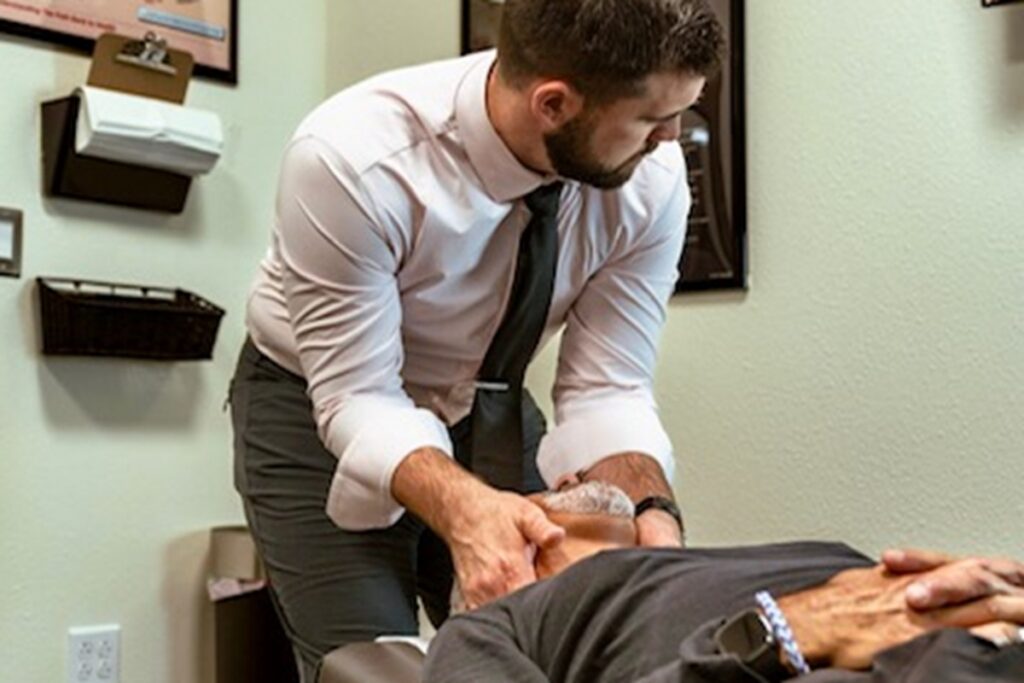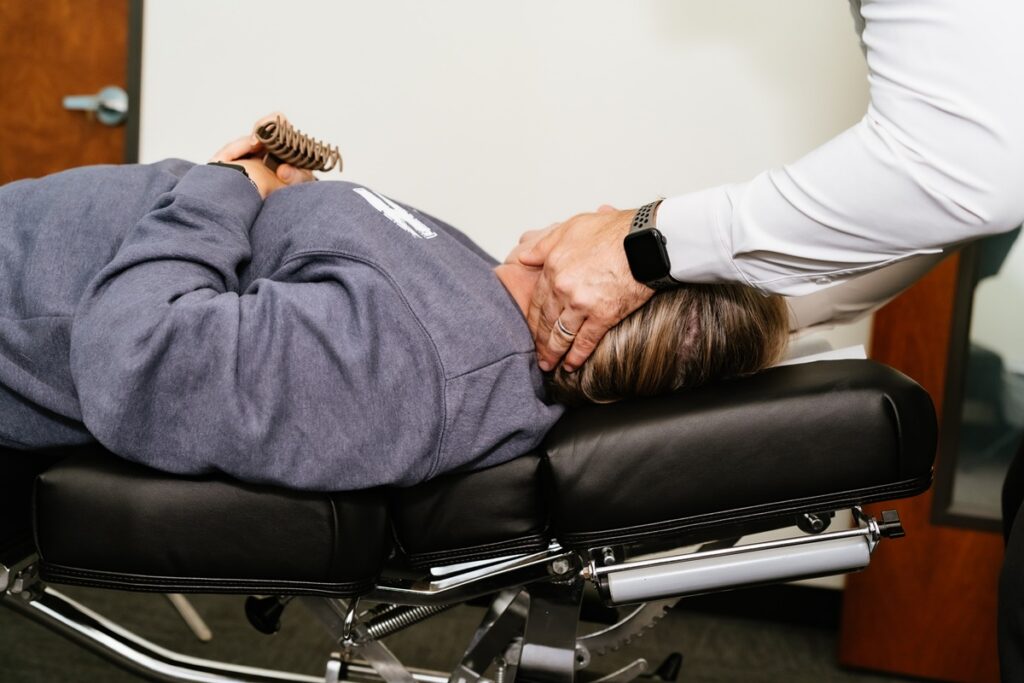

If you’re dealing with low back pain, you’re certainly not alone. Many individuals experience this discomfort at some stage in their lives. The good news is that you can find effective relief right at home, and it doesn’t have to be complicated. By incorporating gentle movements, strengthening exercises, and mindful techniques, you can take charge of your pain and work towards better health.
As a chiropractor, I want to emphasize the importance of spinal health in managing and preventing low back pain. Chiropractic care focuses on aligning your spine to support your overall well-being. Here are some practical strategies you can implement at home to enhance your comfort and mobility:
- Gentle Stretching: Begin with simple stretches to relieve tension in your back. Try lying on your back and gently pulling your knees to your chest or performing the cat-cow stretch to promote flexibility.
- Strengthening Exercises: Building strength in your core can significantly support your lower back. Incorporate exercises like planks or bridges to help stabilize your spine and improve your posture.
- Mindful Techniques: Practices such as deep breathing, meditation, or even yoga can help reduce stress and tension in your body. When your body is relaxed, it’s easier to manage pain.
- Maintain Good Posture: Pay attention to your posture, whether sitting, standing, or walking. Proper alignment can prevent further strain on your back.
- Stay Active: Regular movement is crucial for spinal health. Even short walks can promote circulation and keep your muscles engaged.
- Use Heat or Cold Therapy: Applying a warm compress or ice pack can help alleviate pain and reduce inflammation. Just be sure to wrap it in a cloth to protect your skin.
Remember, the best way to achieve optimal health and manage pain effectively is through chiropractic care. A chiropractor can provide personalized assessments and treatments tailored to your needs, helping you to not only relieve your pain but also to promote long-term wellness.
By taking these steps, you can better manage your low back pain while also supporting your overall health naturally. If your pain persists or worsens, consider scheduling an appointment with a chiropractor to explore more comprehensive care options. Your journey to a healthier, pain-free life starts with taking small, proactive steps today!
Key Takeaways
- Immediately after experiencing an injury, it’s beneficial to apply cold therapy for 15–20 minutes. This helps reduce swelling and numbs the pain. Afterward, transitioning to heat therapy can further assist in relaxing tight muscles and enhancing blood flow, which is crucial for healing.
- Gentle stretching exercises, such as the Knee-to-Chest and Cat-Cow, can be incredibly effective in boosting flexibility and alleviating muscle tension. These movements not only improve your range of motion but also contribute to overall spinal health, which is vital for a pain-free back.
- Maintaining good posture is essential for spinal alignment and can significantly ease discomfort. When sitting or standing, consider using ergonomic chairs and lumbar support. This simple adjustment can help keep your spine in a healthy position and prevent unnecessary strain on your back.
- Participating in low-impact activities like walking or swimming for at least 30 minutes each day is another fantastic way to strengthen your core and enhance circulation. These exercises promote overall wellness and are gentle enough to support your back without causing further strain.
- Additionally, incorporating mindful breathing techniques into your daily routine can be a powerful tool for reducing stress. Stress can exacerbate tension in your lower back, so taking the time to practice deep, calming breaths can help alleviate discomfort and promote relaxation.
Remember, chiropractic care is a natural and effective solution for managing low back pain and enhancing your overall well-being. By making these simple lifestyle adjustments and seeking regular chiropractic check-ups, you can pave the way toward better spinal health and a more comfortable life.
Understanding Low Back Pain
Understanding low back pain is crucial for finding effective relief, and as your local chiropractor, I want to guide you toward natural healing and wellness. You may experience low back pain as a dull ache, sharp discomfort, or stiffness. This pain can often be triggered by factors like poor posture, heavy lifting, or sitting for long periods.
It’s important to recognize the difference between acute and chronic pain. Acute pain usually lasts less than six weeks and often improves with rest and self-care. Chronic pain, on the other hand, lingers for three months or longer and requires more attention. By understanding your pain type, you can take steps toward relief.
Identifying potential causes of your low back pain, such as muscle strain or herniated discs, can help you make informed choices. Remember to consider lifestyle factors too—maintaining a healthy weight, engaging in regular exercise, and managing stress are all key components in supporting your back health.
Chiropractic care is an excellent option for addressing low back pain and promoting overall wellness. Through gentle adjustments and therapies, we can help realign your spine, reduce discomfort, and enhance your body’s natural healing abilities.
Here are some general tips to help you manage low back pain at home:
- Posture Awareness: Maintain good posture while sitting and standing. Use ergonomic chairs and take breaks to stretch.
- Exercise Regularly: Incorporate low-impact activities like walking, swimming, or yoga into your routine to strengthen your back.
- Stay Hydrated: Drink plenty of water to keep your spinal discs healthy and well-hydrated.
- Use Heat or Cold Therapy: Apply heat or cold packs to your lower back to alleviate pain and reduce inflammation.
- Listen to Your Body: Pay attention to what your body is telling you. If something doesn’t feel right, don’t push through the pain.
Gentle Stretching Exercises
Gentle stretching exercises can significantly contribute to relieving low back pain and enhancing your overall wellness. As a chiropractor, I emphasize the importance of incorporating these simple techniques into your daily routine to promote flexibility and reduce muscle tension. Stretching not only aids in alleviating discomfort but also supports your spine’s health, which is crucial for maintaining optimal function.
Here are some benefits of stretching and recommended techniques that can help you feel better:
- Improved Flexibility: Regular stretching can enhance your flexibility, making it easier to perform daily activities without discomfort. This is particularly beneficial for your spine, as it helps maintain proper alignment and function.
- Muscle Relaxation: Gentle stretches can help release tension in tight muscles, providing relief from pain and discomfort. By focusing on the areas around your lower back, you can create a more relaxed environment for your spine.
- Enhanced Blood Flow: Stretching increases blood circulation to your muscles and tissues, promoting healing and reducing stiffness. Improved blood flow nourishes your spine and helps maintain its health.
- Stress Reduction: Engaging in stretching exercises can also serve as a form of relaxation, reducing stress and promoting a sense of well-being. A relaxed mind contributes to a healthier body.
Recommended Stretching Techniques:
- Knee-to-Chest Stretch: Lie on your back and gently pull one knee toward your chest, keeping the other leg straight. Hold for 15-30 seconds and switch legs. This stretch helps relieve tension in your lower back.
- Cat-Cow Stretch: Start on your hands and knees. Arch your back upward (Cat) and then slowly lower it down while lifting your head and tailbone (Cow). Repeat several times to enhance spinal flexibility.
- Child’s Pose: Kneel on the floor, sit back on your heels, and reach your arms forward while lowering your torso. This gentle stretch relaxes the spine and releases tension in the back muscles.
- Seated Forward Bend: Sit with your legs straight in front of you. Slowly reach toward your toes, keeping your back straight. This stretch helps lengthen the spine and improve flexibility.
Remember, consistency is key. Incorporating these gentle stretches into your daily routine can lead to significant improvements in your back health and overall well-being.
Additionally, regular chiropractic care complements these exercises by ensuring that your spine remains aligned and functioning optimally. As you explore these gentle stretching techniques, consider scheduling an appointment with your chiropractor to further support your journey towards natural healing and healthier living. Your spine will thank you!
Benefits of Stretching
Stretching can be a game changer for relieving low back pain, and it complements chiropractic care perfectly. By improving flexibility, stretching helps reduce tension in your muscles and joints, which is essential for a healthy spine.
Regular stretching promotes better blood flow to your back area, aiding in recovery and minimizing stiffness. This increased circulation can also ease any discomfort you may experience throughout the day.
In addition to relieving pain, stretching enhances your posture, helping you maintain proper alignment and reducing strain on your back. By integrating gentle stretches into your daily routine, you’re not just alleviating pain; you’re building a stronger foundation for your spine, which is vital for overall well-being.
As a chiropractor, I encourage my patients to view stretching as a key part of their pain relief strategy. You’ll likely notice that stretching not only leaves you feeling more relaxed but also energized.
Recommended Stretching Techniques
Incorporating effective stretching techniques into your daily routine can significantly support your efforts to relieve low back pain and enhance your overall spinal health.
Gentle stretching not only improves flexibility but also helps reduce muscle tension and promote a healthier spine. Here are three recommended stretches to consider:
- Knees-to-Chest Stretch: Lie flat on your back and gently pull your knees toward your chest, holding this position for 20-30 seconds. This stretch helps to alleviate lower back tension and encourages relaxation in the lumbar region.
- Cat-Cow Stretch: Begin on your hands and knees in a tabletop position. Alternate between arching your back upward (like a cat) and gently dipping it downward (like a cow). This fluid motion helps to loosen up the spine and can enhance mobility.
- Child’s Pose: From a kneeling position, sit back on your heels and stretch your arms forward while lowering your torso towards the floor. Hold this pose for about 30 seconds. It’s a great way to relax your back and stretch the spine gently.
Incorporating these stretches into your daily routine can be a simple yet effective way to alleviate discomfort and improve your mobility.
Strengthening Your Core
Strengthening Your Core for a Healthier Spine
As a chiropractor, I want to emphasize the importance of a strong core not just for alleviating low back pain but also for enhancing your overall stability and well-being. A robust core supports your spine, reduces strain, and helps prevent injuries. By integrating core-strengthening exercises into your daily routine, you can improve your posture and maintain a healthy spine naturally.
Here’s a simple guide to effective core exercises you can do at home:
| Exercise | Duration/Reps | Benefits |
|---|---|---|
| Plank | 30 seconds – 1 min | Engages multiple core muscles, helping to stabilize your spine |
| Bird-Dog | 10 reps per side | Improves balance and stability, enhancing coordination |
| Dead Bug | 10 reps per side | Promotes coordination and core engagement |
| Side Plank | 30 seconds per side | Strengthens your obliques, supporting lateral stability |
| Glute Bridge | 10-15 reps | Activates glutes and lower back, promoting spinal alignment |
Start with a few sets of each exercise, and as you gain strength, gradually increase the duration or reps. Always remember to maintain proper form to maximize the benefits and minimize the risk of injury.
In addition to these exercises, here are some general tips to support your core health and spinal wellness:
- Stay Active: Regular physical activity is crucial for maintaining a strong core and a healthy spine. Aim for at least 30 minutes of movement each day.
- Practice Good Posture: Pay attention to your posture during daily activities. Keeping your spine aligned can help reduce strain on your back.
- Stay Hydrated: Drinking plenty of water helps keep your muscles and discs hydrated, which is essential for spinal health.
- Visit Your Chiropractor: Regular chiropractic adjustments can enhance your overall health and help maintain proper alignment, making it easier to strengthen your core.
Mindful Breathing Techniques
A strong core is essential for supporting your spine and plays a vital role in managing stress and pain effectively. As a chiropractor, I believe that incorporating mindful breathing techniques into your routine can significantly enhance your overall well-being.
These techniques not only help you focus on your breath but also promote relaxation, which is key to maintaining a healthy spine. Here are three simple yet effective breathing techniques to try:
- Diaphragmatic Breathing: This technique involves breathing deeply into your abdomen. Start by inhaling slowly through your nose, allowing your belly to expand fully. Then, exhale gently through your mouth. This method helps engage your core and supports spinal stability.
- 4-7-8 Technique: Inhale through your nose for a count of 4 seconds, hold your breath for 7 seconds, and then exhale slowly through your mouth for 8 seconds. This breathing pattern is excellent for calming your nervous system, reducing tension, and fostering a sense of peace—important for anyone dealing with spinal discomfort.
- Box Breathing: This rhythmic technique involves inhaling for 4 counts, holding your breath for 4 counts, exhaling for 4 counts, and holding again for another 4 counts. Box breathing helps center your mind and can be a powerful tool for alleviating stress and pain.
Incorporating these mindful breathing techniques into your daily routine can complement your chiropractic care, leading to not only relief from back pain but also a greater sense of overall wellness. Remember, your spine health is crucial, and these simple practices can make a significant difference.
For those looking to achieve optimal health naturally, chiropractic care combined with mindful breathing is a path worth exploring.
Applying Heat and Cold Therapy
When it comes to managing low back pain, applying heat and cold therapy can significantly enhance your comfort and well-being. As a chiropractor, I believe in the power of natural healing methods. Heat therapy is particularly beneficial for relaxing tight muscles, promoting improved blood flow, and aiding in the recovery process. On the other hand, cold therapy is effective for reducing inflammation and numbing sharp pain, which can be especially helpful after physical activity or injury.
To get the most out of these therapies, here are some simple tips you can easily incorporate into your routine:
- Heat Therapy: Use a heating pad or a warm towel on the affected area for about 15-20 minutes. You can also take a warm bath to help soothe muscle tension. Just make sure the heat is comfortable and not too hot to avoid burns.
- Cold Therapy: Apply an ice pack or a bag of frozen vegetables wrapped in a towel to the painful area for 10-15 minutes. This can help alleviate sharp pain and reduce swelling after activity.
- Alternating Therapies: Sometimes, alternating between heat and cold can provide even greater relief. Try using heat for 20 minutes, followed by cold for 15 minutes. This approach can help improve circulation and reduce inflammation.
- Listen to Your Body: Pay attention to how your body responds to heat and cold. If one method seems to provide more relief than the other, feel free to adjust your approach accordingly.
- Consult Your Chiropractor: Incorporating chiropractic care into your pain management strategy can further enhance your results. A chiropractor can provide personalized guidance on how to best use heat and cold therapy in conjunction with spinal adjustments and other holistic practices to promote optimal health.
Benefits of Heat Application
As a local chiropractor, I understand how challenging low back pain can be. One effective approach to finding relief is through heat therapy. Applying heat not only soothes discomfort but also fosters healing by increasing blood flow and relaxing tight muscles. Here are some key benefits of using heat therapy that you can incorporate into your wellness routine:
- Improved circulation: When you apply heat, it boosts blood flow to the affected area, delivering essential nutrients and oxygen that aid in recovery.
- Muscle relaxation: The warmth from heat therapy helps to loosen tight muscles, which can reduce stiffness and enhance your flexibility.
- Pain relief: Heat can activate sensory receptors in your skin, which may help to block pain signals from reaching your brain, allowing for a more comfortable experience.
Whether you choose to use a heating pad, take a warm bath, or wrap yourself in a hot water bottle, these simple methods can significantly alleviate your low back pain. Remember, while heat therapy is beneficial, it should complement your overall wellness journey, which includes regular chiropractic care.
Chiropractic adjustments not only address the root causes of pain but also promote optimal spinal health and overall well-being.
If you’re looking for a natural and effective way to manage your pain and enhance your quality of life, I invite you to consider chiropractic care as a central part of your healing process. Take these tips to heart, and let’s work together towards your path to better health!
Cold Therapy Techniques
While heat therapy can provide significant relief for low back pain, don’t overlook the benefits of cold therapy as part of your wellness routine. Cold therapy is an effective technique for managing pain and promoting healing naturally. You can use cold packs or ice wrapped in a cloth to help reduce inflammation and numb the painful area. Applying cold for 15-20 minutes can ease discomfort, especially after physical activity or following a recent injury.
Be sure to avoid placing ice directly on your skin to prevent frostbite; always use a barrier, like a cloth. It’s also important to take breaks between applications to protect your skin. If you don’t have ice packs handy, a bag of frozen vegetables can work as a flexible alternative.
Incorporating cold therapy into your routine can complement your chiropractic care, which focuses on aligning the spine and optimizing your body’s natural healing processes. Alternating between heat and cold may provide enhanced relief, but it’s essential to listen to your body and discover what works best for you.
Best Practices for Use
To fully harness the benefits of heat and cold therapy, it’s essential to apply these techniques correctly and consistently. As your local chiropractor, I want to guide you on how to use these methods effectively to support your natural healing journey.
Here are some simple best practices to keep in mind:
- Timing: Use heat therapy after physical activities to help relax tight muscles and promote healing. Cold therapy, on the other hand, is best applied immediately after an injury to minimize swelling and inflammation. This dual approach can significantly enhance your recovery.
- Duration: Keep your applications to 15-20 minutes at a time. This duration is optimal to ensure you receive the benefits without risking skin damage. Remember, quality over quantity is key!
- Protection: Always place a towel or cloth between the heat or cold source and your skin. This simple step helps prevent burns from heat or frostbite from cold, allowing you to safely enjoy the soothing effects.
By integrating these practices into your routine, you can enhance your recovery and overall wellness. Remember, chiropractic care is a fantastic option to consider for ongoing pain relief and achieving optimal health.
Embrace these natural methods alongside your chiropractic treatments for the best results!
Ergonomic Adjustments in Daily Life
Making ergonomic adjustments in your daily life can significantly alleviate low back pain and enhance your overall well-being. As a chiropractor, I want to share some practical tips to help you create a healthier environment that supports your spine and promotes natural healing.
Start by evaluating your workspace. Ensure your chair provides adequate support for your lower back, and make sure your feet are flat on the floor. Position your computer screen at eye level to minimize neck strain. When sitting, maintain a straight posture, and consider using a small cushion for extra lumbar support. These small changes can make a big difference in how your back feels throughout the day.
In the kitchen, keep frequently used items within easy reach to avoid unnecessary bending and stretching. If you need to access higher shelves, use a step stool instead of straining your back. When lifting heavy objects, always bend your knees and keep the load close to your body. This technique helps protect your spine and reduces the risk of injury.
While driving, adjust your seat so that you’re comfortably positioned, with your back pressed against the seat. This alignment not only enhances comfort but also supports proper spinal posture during your commute.
Remember, these simple adjustments can significantly improve your posture and reduce discomfort, making everyday tasks much easier and more enjoyable. Embracing chiropractic care can further support your journey toward optimal health, helping you achieve pain relief and a better quality of life naturally.
Prioritize your spine; it’s the foundation of your overall health!
Incorporating Low-Impact Activities
Incorporating low-impact activities into your daily routine can significantly contribute to managing low back pain and enhancing your overall well-being. These exercises are designed to strengthen your muscles and improve flexibility without placing excessive strain on your spine.
As a chiropractor, I encourage my patients to find enjoyable activities they can consistently integrate into their lives. Here are some excellent options to consider:
- Walking: One of the simplest yet most effective ways to stay active. Just a daily stroll can help reduce stiffness in your back and promote better circulation.
- Swimming: The buoyancy of water supports your body, making it easier to move without putting stress on your joints and spine. Swimming can be a refreshing way to improve your strength and flexibility.
- Yoga: This practice focuses on gentle stretching and strengthening, which can significantly improve your posture and alleviate tension throughout your body. Many poses are specifically beneficial for spinal health.
Remember, while these activities can help, regular chiropractic care is essential for maintaining a healthy spine and overall wellness. By addressing any underlying issues and ensuring your spine is aligned, chiropractic adjustments can enhance the benefits of these exercises, allowing you to experience greater pain relief and improved mobility.
Always listen to your body and consult with a chiropractor to tailor your activities to your specific needs. Taking these steps can lead you toward a healthier, more active lifestyle.
Conclusion
Incorporating these relief techniques can significantly enhance your low back pain management right at home. As a chiropractor, I emphasize the importance of gentle stretches, core-strengthening exercises, and mindful breathing to build strength and alleviate tension in your back. These practices not only support your spinal health but also encourage a natural healing process.
Don’t underestimate the power of heat and cold therapy! Applying heat can relax tight muscles, while cold therapy can reduce inflammation. Making ergonomic adjustments in your daily routine—like proper posture while sitting or lifting—can also make a big difference in your comfort levels.
Staying active with low-impact activities such as walking or swimming is essential, as it promotes recovery and overall well-being. Remember, the journey to a healthier back involves taking small, consistent steps each day.
Chiropractic care is an excellent choice for achieving optimal health. By addressing the root cause of your pain and focusing on natural healing, you can experience lasting relief. Always consider consulting with your chiropractor to create a tailored plan that promotes your health and wellness journey. Together, we can work towards a pain-free life and a stronger back!