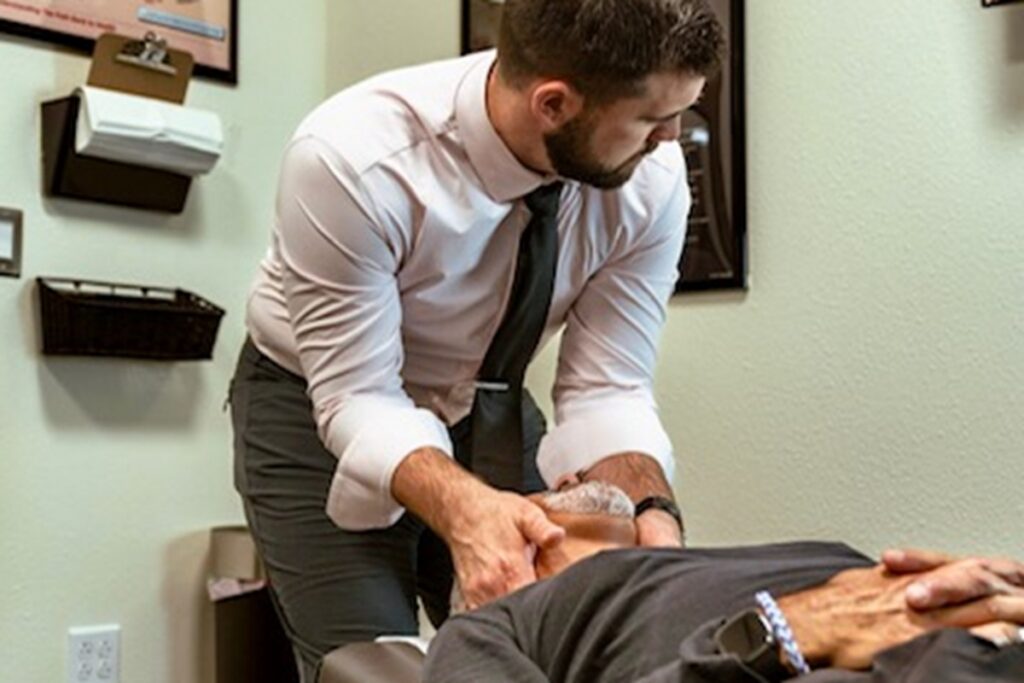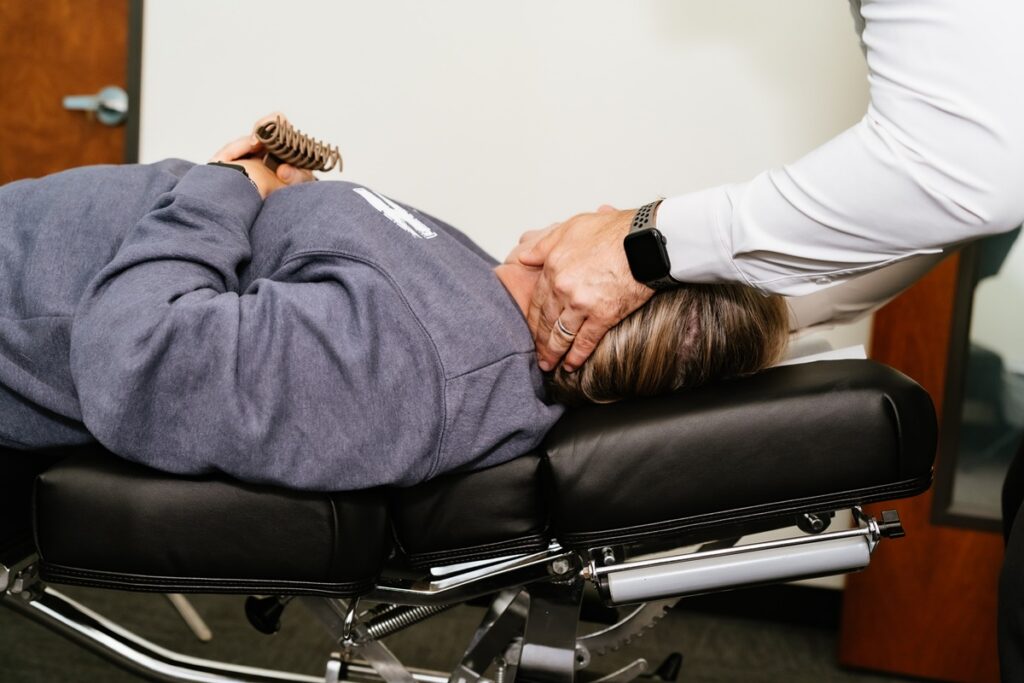

Managing low back pain can feel overwhelming, but I want you to know that there are effective options available, especially through chiropractic care. As your local chiropractor, I’m here to guide you toward natural healing solutions that can help you achieve optimal health.
Chiropractic adjustments focus on aligning your spine, which can relieve pressure on nerves and reduce pain. This approach not only addresses your current discomfort but also promotes overall wellness by enhancing your body’s ability to heal itself. Unlike medications or surgeries, chiropractic care offers a holistic way to manage pain without side effects.
In addition to chiropractic adjustments, there are simple self-care techniques you can incorporate into your daily routine. For instance, practicing good posture while sitting and standing can help alleviate stress on your back. Stretching and strengthening exercises tailored to your needs can also be beneficial. Remember to stay active; gentle movements like walking or swimming can keep your muscles engaged and support your spine.
Exploring alternative therapies alongside chiropractic care can further enhance your recovery. Techniques such as massage therapy, acupuncture, and yoga can complement your treatment and promote relaxation.
As you navigate through these options, remember that the key is to find what works best for you. Each person is unique, and with the right combination of chiropractic care and lifestyle changes, you can discover effective strategies tailored to your needs. If you’re ready to take control of your low back pain, consider scheduling a consultation to discuss how chiropractic care can help you on your journey to better health.
Key Takeaways
- Experience the benefits of chiropractic adjustments to help restore your spinal alignment and effectively alleviate low back pain. Our gentle, hands-on techniques are designed to promote natural healing and enhance your overall wellness.
- Embrace gentle exercises such as walking, stretching, and yoga to improve your flexibility and strengthen your core muscles. These activities not only support your spine but also complement the benefits of chiropractic care.
- Invest in ergonomic furniture and practice good posture to minimize strain on your lower back during everyday tasks. Simple adjustments in your workspace can lead to significant improvements in your comfort levels.
- Explore complementary therapies like massage or acupuncture, which can work alongside chiropractic care to enhance your health and well-being. These therapies can help you relax and support the healing process.
- Stay hydrated and maintain a healthy weight to bolster your spinal health and reduce discomfort. A balanced diet and proper hydration play a critical role in how you feel day-to-day.
By prioritizing chiropractic care and these healthy lifestyle habits, you can take control of your low back pain and pave the way for a more vibrant, pain-free life!
Understanding Low Back Pain
When low back pain strikes, it can feel overwhelming and confusing. But understanding the nature of your pain is the first step toward finding relief and achieving optimal health. Low back pain can arise from various causes, such as muscle strains, herniated discs, or conditions like arthritis. It’s important to recognize how your daily activities and posture may contribute to your discomfort.
Take note of any specific movements that trigger your pain or if it worsens after sitting or standing for too long. These insights can be crucial for finding relief through chiropractic care. Additionally, pay attention to accompanying symptoms, such as numbness or tingling, which may indicate nerve involvement. Identifying the exact location of your pain can help your chiropractor tailor your treatment for the best results.
Here are some general tips to keep in mind for managing low back pain and promoting overall wellness:
- Maintain Good Posture: Whether sitting at your desk or standing in line, keeping your spine aligned can help reduce strain on your back.
- Stay Active: Gentle exercises, like walking or stretching, can keep your back muscles strong and flexible. Your chiropractor can recommend specific movements that are safe for your condition.
- Lift Properly: When lifting heavy objects, bend at your knees and keep the object close to your body. This technique minimizes stress on your back.
- Use Supportive Furniture: Invest in a chair that supports your lower back and make sure your workspace is ergonomically friendly.
- Stay Hydrated: Drinking plenty of water helps maintain the health of your spinal discs, keeping your back feeling its best.
- Visit Your Chiropractor: Regular chiropractic adjustments can help align your spine, improve mobility, and alleviate pain naturally.
Over-the-Counter Medications
Managing low back pain effectively involves a holistic approach that prioritizes natural healing and wellness. While some may consider over-the-counter (OTC) medications for quick relief, it’s essential to recognize that these options are temporary and may not address the underlying issues causing your pain. Instead, chiropractic care can provide a more sustainable solution by focusing on spinal health and overall body balance.
Chiropractors specialize in diagnosing and treating musculoskeletal issues, including low back pain, through gentle adjustments and therapeutic techniques. These methods not only relieve pain but also improve mobility and function, helping you return to your daily activities with greater ease. By addressing the root cause of your discomfort, chiropractic care fosters long-term wellness, rather than merely masking symptoms.
In addition to visiting a chiropractor, there are several lifestyle tips you can incorporate to support your recovery and maintain a healthy spine. Here are a few simple strategies:
- Stay Active: Gentle exercises like walking, stretching, and yoga can help strengthen your back muscles and improve flexibility. Aim for regular movement throughout the day.
- Practice Good Posture: Be mindful of your posture while sitting, standing, and lifting. Keep your back straight and your shoulders relaxed to minimize strain on your spine.
- Use Proper Lifting Techniques: When lifting heavy objects, bend your knees and keep the load close to your body to reduce stress on your back.
- Create a Supportive Sleep Environment: Ensure your mattress and pillows provide adequate support for your spine. A good night’s sleep is essential for healing.
- Stay Hydrated and Eat Well: Proper nutrition and hydration can support your body’s healing processes. Focus on a balanced diet rich in fruits, vegetables, whole grains, and lean proteins.
If your low back pain persists or worsens, it’s crucial to consult a chiropractor who can tailor a treatment plan specifically for you. Embracing chiropractic care not only promotes pain relief but also enhances your overall well-being, paving the way for a healthier, more vibrant life.
Physical Therapy Techniques
Chiropractic care is a powerful approach for alleviating low back pain and promoting overall wellness. By visiting a chiropractor, you’ll discover specific techniques and exercises designed to enhance your spinal health, strengthen your core, and improve flexibility. These practices not only support your spine but also help diminish discomfort, allowing you to live a more active and fulfilling life.
Here are some common chiropractic techniques you may encounter:
| Technique | Description |
|---|---|
| Spinal Adjustments | Gentle adjustments to align the spine and reduce pain. |
| Stretching | Simple stretches that help increase flexibility and ease tension. |
| Core Strengthening | Exercises to build strength in your core muscles, providing better support for your spine. |
Incorporating chiropractic care into your routine can lead to remarkable improvements in your pain levels and overall mobility. Remember, consistency is key! Regular visits to your chiropractor not only help manage pain but also promote long-term health benefits. As you engage in these practices, you’ll likely find daily activities becoming easier and more enjoyable.
Additionally, here are some general tips to consider for a healthier lifestyle:
- Stay Active: Regular movement is essential for spinal health. Even simple activities like walking can make a difference.
- Practice Good Posture: Pay attention to how you sit or stand. Maintaining proper posture can significantly reduce strain on your back.
- Use Ergonomic Furniture: If you work at a desk, invest in a chair that supports your lumbar spine and promotes good posture.
- Listen to Your Body: If something doesn’t feel right, don’t ignore it. Consult with your chiropractor to address any concerns early on.
Chiropractic Care
Chiropractic care is a powerful tool for finding relief from low back pain, utilizing a range of gentle adjustments and techniques designed to restore balance and function to your spine.
As a qualified chiropractor, I can assure you that these treatments aren’t only effective but also safe, making them an excellent choice for those seeking natural wellness solutions.
Incorporating chiropractic care into your pain management plan can offer numerous benefits. By addressing the root causes of your discomfort, we can help alleviate pain, improve mobility, and enhance your overall quality of life.
Here are some key advantages of choosing chiropractic care:
- Natural Healing: Chiropractic adjustments work with your body’s natural ability to heal itself without the use of medications or invasive procedures.
- Holistic Approach: We focus on the whole person, not just the symptoms. This means we consider your lifestyle, nutrition, and overall wellness when creating a treatment plan.
- Personalized Care: Every patient is unique. We develop a tailored approach that considers your specific needs and health goals.
- Preventative Benefits: Regular chiropractic visits can help prevent future injuries and promote long-term health by maintaining proper spinal alignment and function.
To enhance your experience and support your healing journey, here are a few tips you can incorporate into your daily life:
- Practice Good Posture: Pay attention to how you sit, stand, and move. Maintaining good posture can prevent strain on your back and help keep your spine aligned.
- Stay Active: Engage in regular physical activity that you enjoy. Whether it’s walking, swimming, or yoga, staying active supports your overall health and well-being.
- Listen to Your Body: If you experience discomfort, don’t ignore it. Addressing issues early with your chiropractor can prevent more severe problems down the line.
- Stay Hydrated: Drinking plenty of water helps keep your discs hydrated and supports overall spinal health.
By choosing chiropractic care, you’re taking a proactive step towards achieving optimal health and living a pain-free life.
Let’s work together to create a customized plan that will help you feel your best!
Benefits of Chiropractic Adjustments
When you’re facing low back pain, chiropractic adjustments can be a game changer for your health and wellness. These gentle adjustments work to correct spinal misalignments and boost your overall mobility, helping your body heal naturally. Here’s how chiropractic care can enhance your daily life:
- Pain Relief: Chiropractic adjustments are designed to reduce discomfort, giving you the freedom to move without the frustration of persistent pain holding you back. This method focuses on addressing the root cause of your pain rather than just masking it.
- Enhanced Range of Motion: Regular adjustments can improve flexibility in your spine and surrounding muscles. This means everyday activities, like bending to tie your shoes or reaching for items on a shelf, become much easier and more comfortable.
- Better Posture: Consistent chiropractic care promotes proper alignment of your spine, which can help prevent future discomfort that often arises from poor posture. Good posture not only makes you feel better physically but can also boost your confidence.
In addition to these benefits, here are some practical tips to help you maintain your spinal health and overall wellness:
- Stay Active: Incorporate gentle exercises like walking or stretching into your daily routine. Movement helps keep your spine flexible and strong.
- Mind Your Posture: Be aware of how you sit and stand. Aim to keep your back straight and shoulders relaxed, especially when working at a desk or using your phone.
- Hydrate: Drinking plenty of water can help keep your spinal discs hydrated, supporting better movement and reducing stiffness.
- Listen to Your Body: If you feel discomfort, don’t ignore it. Regular check-ins with a chiropractor can help catch any misalignments before they turn into bigger issues.
Techniques and Treatments Available
When it comes to finding relief from low back pain, chiropractic care stands out as one of the most effective and natural approaches. Our primary focus in chiropractic is to restore the proper alignment and mobility of your spine through gentle spinal adjustments. This not only alleviates pressure on nerves but also helps reduce pain, allowing your body to function optimally.
In addition to spinal adjustments, we also utilize techniques like soft tissue therapy. This involves massage and stretching to relieve muscle tension, promoting relaxation and enhancing your recovery. To further support your healing journey, we often prescribe therapeutic exercises designed to strengthen your core and improve stability. These exercises aren’t only beneficial for pain relief but are also essential for maintaining a healthy spine in the long run.
We may also incorporate modalities such as ultrasound or electrical stimulation to help ease discomfort and promote healing. Each treatment plan is customized to fit your unique needs and lifestyle, ensuring that you receive the most effective care possible.
Here are some general tips to consider for maintaining a healthy back:
- Stay Active: Regular physical activity strengthens your muscles and keeps your spine flexible. Simple activities like walking or gentle stretching can make a big difference.
- Practice Good Posture: Be mindful of how you sit and stand. Keeping your back straight and shoulders back can help alleviate strain on your spine.
- Lift Properly: When lifting heavy objects, use your legs instead of your back. Bend at your knees, keep the object close to your body, and avoid twisting.
- Stay Hydrated: Drinking plenty of water helps maintain the elasticity of your spinal discs and supports overall spinal health.
- Limit Stress: High stress can lead to muscle tension. Incorporate relaxation techniques such as deep breathing or meditation into your daily routine.
Safety and Effectiveness Considerations
When it comes to finding relief from low back pain, chiropractic care stands out as a natural and effective solution.
As a chiropractor, I want to share some important safety and effectiveness considerations to help you make an informed choice about your health and wellness journey.
- Choose a Qualified Practitioner: It’s essential to work with a licensed chiropractor who’s the right training and experience. This ensures that you receive safe and effective care tailored specifically for you.
- Individual Assessment is Key: Every person’s back pain is unique. By undergoing a thorough evaluation, your chiropractor can create a personalized treatment plan that addresses your unique needs, helping you achieve optimal health.
- Stay Informed: Take the time to research studies and read patient testimonials about chiropractic care for low back pain. You’ll find that many people have experienced significant relief and improved quality of life through chiropractic adjustments.
- Incorporate Healthy Habits: Alongside chiropractic care, consider adopting some general wellness tips. Regular exercise, maintaining a healthy weight, and practicing good posture can all contribute to better spinal health and reduce the risk of future pain.
- Listen to Your Body: Pay attention to how your body feels during your chiropractic treatments and after. Communication with your chiropractor about your progress is essential in ensuring that you’re on the right track to recovery.
By prioritizing chiropractic care for low back pain relief, you’re choosing a holistic approach that not only alleviates discomfort but also promotes overall wellness.
Alternative Therapies: Acupuncture and Massage
When it comes to finding relief from low back pain, many individuals consider alternative therapies such as acupuncture and massage. While these can provide some benefits, I want to highlight the importance of chiropractic care as a leading option for achieving optimal health and wellness.
Chiropractic care focuses on the spine and its alignment, which plays a crucial role in overall health. When your spine is properly aligned, it can help reduce pain, improve mobility, and enhance your body’s natural healing abilities. Regular chiropractic adjustments can relieve tension in your back and promote better posture, which is essential for long-term comfort and well-being.
Acupuncture involves inserting thin needles at specific points in the body to balance energy flow. While some studies show that it may help with chronic low back pain, it doesn’t address the underlying issues related to spinal alignment.
Similarly, massage therapy can relieve muscle stiffness and improve circulation, but it often provides only temporary relief without addressing the root cause of pain.
Chiropractic care, on the other hand, is designed to identify and correct misalignments in the spine that could be contributing to your discomfort. By focusing on spinal health, chiropractic adjustments can help your body function optimally, leading to better pain relief and overall wellness.
If you’re considering ways to manage your low back pain, here are some helpful tips:
- Stay Active: Gentle exercises and stretches can strengthen your back and improve flexibility. Always consult with your chiropractor for specific recommendations that suit your condition.
- Maintain Good Posture: Pay attention to your posture when sitting, standing, or lifting. Proper alignment can prevent unnecessary strain on your back.
- Hydrate: Drinking plenty of water supports spinal health by keeping the discs in your spine hydrated and functioning well.
- Listen to Your Body: If you experience pain or discomfort, don’t ignore it. Seek professional advice from a chiropractor to address the issue early.
- Consider Regular Chiropractic Visits: Incorporating routine chiropractic adjustments into your health regimen can help maintain spinal health and prevent future pain.
Before trying any alternative therapies, I encourage you to consult with a chiropractor to explore how chiropractic care can be the most effective and natural way to manage your low back pain and enhance your overall wellness. Remember, taking care of your spine is essential for living a healthier, pain-free life.
Yoga and Stretching Exercises
Chiropractic care is an exceptional approach to finding relief from low back pain, and while yoga and stretching exercises can complement your recovery, they shouldn’t replace the benefits of chiropractic treatment. Chiropractic care focuses on the root causes of pain by aligning the spine and improving overall function, which is crucial for achieving optimal health.
In addition to your chiropractic sessions, incorporating gentle movements can enhance your recovery by promoting flexibility, strengthening muscles, and aiding relaxation. Here are three simple yet effective exercises that can support your healing journey:
- Child’s Pose: This gentle stretch is fantastic for elongating the spine and relieving tension. Start by kneeling on the floor, sitting back on your heels. Stretch your arms forward and lower your forehead to the ground. Hold this position for a few deep breaths to allow your back to relax.
- Cat-Cow Stretch: This dynamic movement is excellent for improving spinal flexibility. Begin on your hands and knees. As you inhale, arch your back and lift your head (this is the “cow” position). As you exhale, round your back and tuck your chin (the “cat” position). This flow helps mobilize the spine and can relieve stiffness.
- Seated Forward Bend: Sit with your legs straight in front of you and gently reach for your toes. This stretch helps lengthen your lower back and hamstrings, promoting relaxation and relieving tension.
While these exercises can be beneficial, remember that regular chiropractic adjustments are key to addressing the underlying issues causing your pain. By prioritizing chiropractic care alongside these gentle movements, you can achieve a greater sense of relief and promote a healthier lifestyle. Always consult with your chiropractor to tailor a plan that best suits your needs.
Lifestyle Modifications
Making some lifestyle modifications can significantly aid in managing your low back pain, and as a chiropractor, I believe these changes are essential for achieving optimal health and wellness.
One of the first steps you can take is to set up an ergonomic workspace. This means arranging your desk, chair, and computer screen in a way that supports your spine’s natural alignment, reducing strain on your back.
Staying active is another crucial component. Regular physical activity, such as walking, stretching, or gentle exercises, can strengthen your back muscles and improve flexibility, helping to alleviate pain. Remember, even small movements throughout your day can make a big difference!
Maintaining a healthy weight is also important. Extra weight can put additional strain on your spine, so focusing on a balanced diet and regular exercise will create a stronger foundation for your back.
Incorporating chiropractic care into your routine can enhance these lifestyle changes. Chiropractic adjustments can help realign your spine, promote healing, and relieve pain naturally, allowing you to live a healthier, more active life.
Let’s explore how these changes can positively impact your daily life and help you on your journey to wellness. Remember, it’s about creating a lifestyle that supports your spine and overall health!
Ergonomic Workspace Setup
Creating an ergonomic workspace is crucial for not only preventing low back pain but also promoting overall spinal health. As a chiropractor, I believe that a properly set up workstation can significantly enhance your well-being and comfort.
Here are three essential components to consider when arranging your workspace:
- Chair: Select a chair that provides adequate support for your lower back. Look for one that allows your feet to rest flat on the floor, and adjust the height so that your knees form a 90-degree angle. This position helps maintain the natural curve of your spine and reduces unnecessary strain.
- Desk Height: Your desk should be at elbow height when you’re seated. This alignment helps prevent slouching and encourages a more upright posture, which is vital for spinal health. If your desk is too high or too low, it can lead to discomfort and exacerbate any existing pain.
- Monitor Position: Position your computer monitor at eye level to minimize neck strain. This encourages you to sit up straight and keeps your spine aligned while you work. If your monitor is too low, you may find yourself leaning forward, which can lead to tension in your back and neck.
By implementing these ergonomic adjustments, you can significantly improve your comfort and support your spinal health.
Regular Physical Activity
Incorporating regular physical activity into your daily routine is crucial for managing and preventing low back pain, and as your local chiropractor, I encourage you to make this a priority. Activities such as walking, swimming, or cycling are excellent choices—they help strengthen your core muscles, which provide essential support for your spine. Aim for at least 30 minutes of moderate exercise most days of the week to keep your body strong and resilient.
Don’t forget the importance of stretching exercises in your routine. They help maintain flexibility and reduce stiffness, both of which are key for spinal health. Consider trying yoga or Pilates; these practices focus on building strength and flexibility while also promoting relaxation—a perfect combination for your well-being.
Always listen to your body. If you experience pain during any activity, it’s essential to modify that exercise or explore different options. Remember, staying active not only alleviates pain but also boosts your overall energy levels and makes daily tasks easier and more enjoyable.
As your chiropractor, I want to emphasize that chiropractic care is an excellent natural approach to achieving optimal health and wellness. Regular chiropractic adjustments can enhance your body’s ability to heal itself, improve your posture, and support your active lifestyle. So, keep moving, stay flexible, and consider chiropractic care as a valuable part of your health journey!
Healthy Weight Maintenance
Maintaining a healthy weight is crucial for managing low back pain and enhancing your overall well-being. Carrying excess weight places extra stress on your spine and muscles, which can worsen discomfort. As a chiropractor, I believe that achieving and maintaining a healthy weight can significantly contribute to your spinal health and overall wellness. Here are some simple, practical tips to help you on your journey:
- Eat a balanced diet: Focus on incorporating whole foods into your meals. Think of colorful fruits and vegetables, lean proteins, and whole grains. These foods not only nourish your body but also support your spine and muscles, promoting better alignment and reduced pain.
- Stay active: Regular physical activity is vital. Activities like walking, swimming, or even gentle yoga can help you burn calories and strengthen your core muscles. A strong core provides essential support to your back, helping to alleviate pain and improve your posture.
- Practice portion control: Be mindful of your serving sizes. Eating smaller portions can help you maintain a healthy weight. It’s also important to avoid eating out of boredom or stress; instead, try engaging in a relaxing activity or a chiropractic adjustment to ease tension.
Heat and Cold Therapy
When it comes to managing low back pain, many individuals find relief through the natural methods of heat and cold therapy. As a chiropractor, I want to highlight how these therapies can work hand in hand with spinal care to enhance your overall wellness.
Applying heat, such as with a warm towel or heating pad, can do wonders for your tight muscles. It helps to relax them and increases blood flow, which can alleviate stiffness and promote healing. I recommend using heat for about 15-20 minutes at a time, but always be cautious to avoid burns on your skin.
Conversely, cold therapy—like ice packs or a bag of frozen peas—can effectively reduce inflammation and numb sharp pain. Applying cold for a similar duration can be particularly helpful after any physical activity that aggravates your back. This approach can complement the adjustments and care you receive from your chiropractor.
A great strategy is to alternate between heat and cold based on how you feel. Pay attention to your body’s signals; if something doesn’t feel right, it’s perfectly fine to stop. These simple methods can significantly enhance your comfort and help manage low back pain, especially when combined with regular chiropractic care.
Mindfulness and Relaxation Techniques
To effectively manage low back pain, incorporating mindfulness and relaxation techniques alongside chiropractic care can truly enhance your healing journey. One great place to start is with deep breathing exercises. By focusing on your breath, you can calm your mind and release tension in your body, which complements the spinal adjustments provided by chiropractic treatments.
Guided meditation is another excellent practice. It encourages a sense of peace and helps alleviate discomfort, making it a perfect addition to your care plan. Remember, chiropractic adjustments work to align your spine and improve your overall function, but combining these techniques can further support your body’s natural healing processes.
As you explore mindfulness practices, consider integrating gentle stretches and movements recommended by your chiropractor. These can help maintain flexibility and stability in your back, promoting long-term relief and wellness. Always consult with your chiropractor to ensure that your chosen techniques align with your specific health needs.
Deep Breathing Exercises
Practicing deep breathing exercises can be a valuable addition to your wellness routine, especially when it comes to alleviating low back pain. Deep breathing promotes relaxation and mindfulness, allowing your body and mind to unwind while supporting your spinal health. Here’s a straightforward way to incorporate deep breathing into your daily life:
- Find a Comfortable Position: Choose a quiet space where you can sit or lie down peacefully. Comfort is key, so make sure you feel relaxed and at ease.
- Breathe Deeply: Inhale slowly through your nose, letting your abdomen fill up with air. This deep belly breathing helps to oxygenate your body and can ease tension in your back. Hold your breath for a moment, then exhale gently through your mouth, releasing any stress.
- Repeat: Aim to practice this deep breathing for 5-10 minutes each day. Consistency is important, so try to make it a part of your daily routine.
Incorporating these deep breathing exercises can’t only help you manage pain naturally but also enhance your mental clarity and overall well-being.
Remember, chiropractic care is an excellent choice for addressing the root cause of back pain and promoting optimal health. By combining these breathing techniques with regular chiropractic adjustments, you can support your body’s natural healing processes and live a healthier, more pain-free life.
You’ve got this!
Guided Meditation Practices
Building on the relaxation benefits of deep breathing, guided meditation practices can be an excellent complement to chiropractic care for managing low back pain. These techniques help you focus your mind and reduce stress, both of which can worsen discomfort. By engaging in guided meditation, you’ll learn to visualize calming imagery and cultivate a sense of peace within your body, which can enhance your overall healing process.
While I encourage my patients to prioritize chiropractic adjustments for pain relief and spinal health, incorporating meditation into your routine can further support your journey. Regular practice allows you to become more aware of your body, helping you to identify areas of tension. This mindfulness can empower you to release tightness, which is essential for maintaining a healthy spine.
To get started, consider exploring various apps and online resources that offer guided sessions tailored for pain relief. Remember, the goal is to create a holistic approach to your wellness. Alongside your chiropractic treatments, these practices can be powerful in promoting long-lasting relief from low back pain.
Here are a few tips to enhance your experience with guided meditation:
- Set aside a specific time each day for your practice, even if it’s just 5-10 minutes.
- Find a quiet and comfortable space where you can relax without distractions.
- Focus on your breath and let go of any thoughts that arise; this will help you stay present.
- After your session, take a moment to notice how your body feels and where you might be holding tension.
When to Seek Professional Help
While many cases of low back pain can improve with home remedies and self-care, it’s important to recognize when it’s time to seek professional help from a chiropractor for your long-term health. Ignoring persistent pain or discomfort can lead to more serious issues down the line.
Here are three signs that indicate it’s time to consult a chiropractic professional:
- Intense Pain: If your pain is severe and doesn’t improve with rest or simple home remedies, it’s a signal that something more may be going on. A chiropractor can assess your condition and provide targeted treatments to alleviate your discomfort.
- Radiating Symptoms: Experiencing numbness, tingling, or weakness in your legs could indicate nerve issues. Chiropractic care focuses on spinal alignment and can help relieve pressure on nerves, promoting better function and comfort.
- Loss of Function: If you find it hard to perform daily activities or if the pain is interfering with your work, it’s essential to seek help. A chiropractor can develop a personalized plan to restore your mobility and enhance your quality of life.
Additionally, consider these general tips for maintaining spinal health:
- Stay Active: Engage in gentle exercises like walking or stretching to keep your back strong and flexible.
- Practice Good Posture: Be mindful of your posture while sitting, standing, and lifting to reduce strain on your back.
- Use Supportive Furniture: Ensure your work environment is ergonomically friendly to support a healthy spine.
Taking these signs seriously and incorporating these tips can help you address underlying problems and get back to living life fully. Remember, chiropractic care is a natural and effective way to achieve optimal health—don’t hesitate to reach out for help when you need it!
Conclusion
When it comes to managing low back pain, exploring natural relief options is crucial for achieving optimal health. As a chiropractor, I want to emphasize the importance of chiropractic care as a primary approach to pain relief and overall wellness.
Start by incorporating self-care practices into your routine. Simple actions like taking time to rest, applying heat to soothe sore muscles, and engaging in gentle stretches can make a significant difference. Additionally, focusing on good posture and ergonomic setups in your daily activities can help prevent strain on your back.
Chiropractic care is particularly beneficial for those suffering from low back pain. Through gentle adjustments and personalized treatment plans, we can help restore proper alignment to your spine, allowing your body to heal naturally. This approach not only addresses pain but also promotes overall health and well-being.
You might also consider incorporating physical therapy or alternative therapies like massage, which can complement your chiropractic adjustments and enhance your recovery. Remember, lifestyle modifications—such as staying active, maintaining a healthy weight, and practicing mindfulness techniques like deep breathing or meditation—can support your journey to better health.
If you find that your pain persists or worsens, reaching out to a chiropractor can provide the guidance and care you need. Staying proactive in your approach to pain relief is essential for improving your quality of life. Embrace the power of natural healing through chiropractic care, and take charge of your health today!