
If you’re dealing with low back pain, it’s essential to take a close look at your posture. Poor alignment can not only cause discomfort but also lead to long-term health issues. Fortunately, by making simple adjustments in your daily routine, you can experience significant relief. From optimizing your workstation to enhancing the way you move throughout the day, every little detail matters.
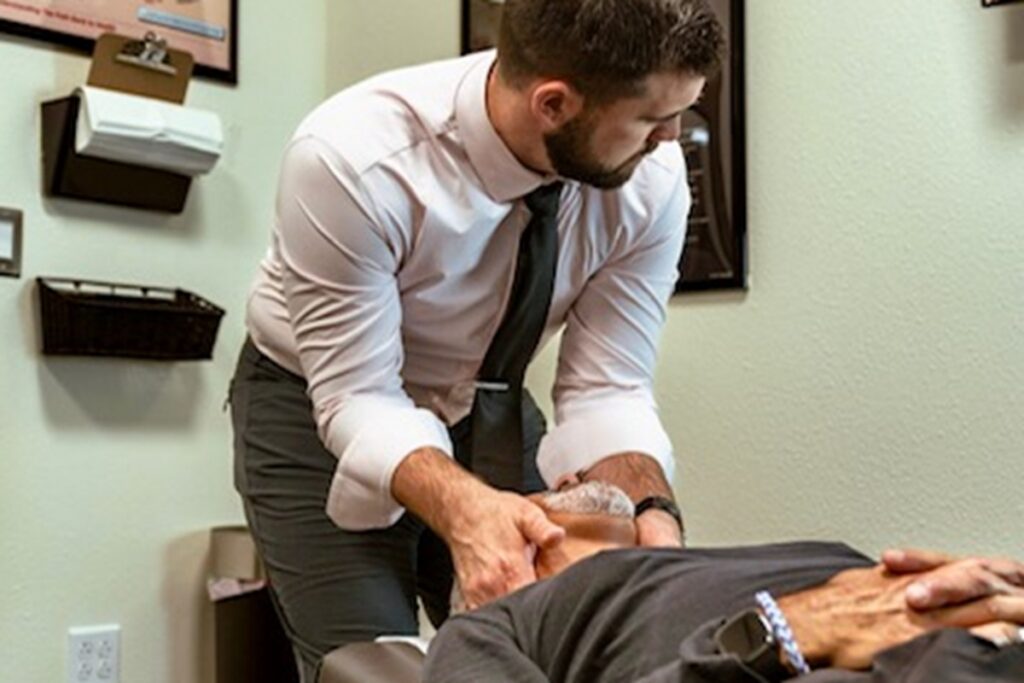
As a chiropractor, I believe in the power of natural healing and the body’s ability to restore itself when given the right support. Chiropractic care is an excellent way to achieve optimal health and relieve pain. Here are some effective solutions that can help you realign your spine and ease your discomfort:
- Mind Your Posture: Whether sitting or standing, maintaining good posture is crucial. Keep your shoulders back, your head aligned over your spine, and your feet flat on the floor. Consider using a lumbar roll or cushion to support your lower back when sitting.
- Ergonomic Workspace: If you spend long hours at a desk, ensure that your workstation is ergonomically set up. Your computer monitor should be at eye level, and your chair should support your lower back. Take breaks to stand, stretch, and move around regularly.
- Stay Active: Incorporating gentle exercises and stretches into your routine can help strengthen your back and improve flexibility. Simple activities like walking, swimming, or yoga can make a world of difference.
- Listen to Your Body: Pay attention to how your body feels during different activities. If you notice discomfort, it’s essential to adjust your movements or take breaks as needed.
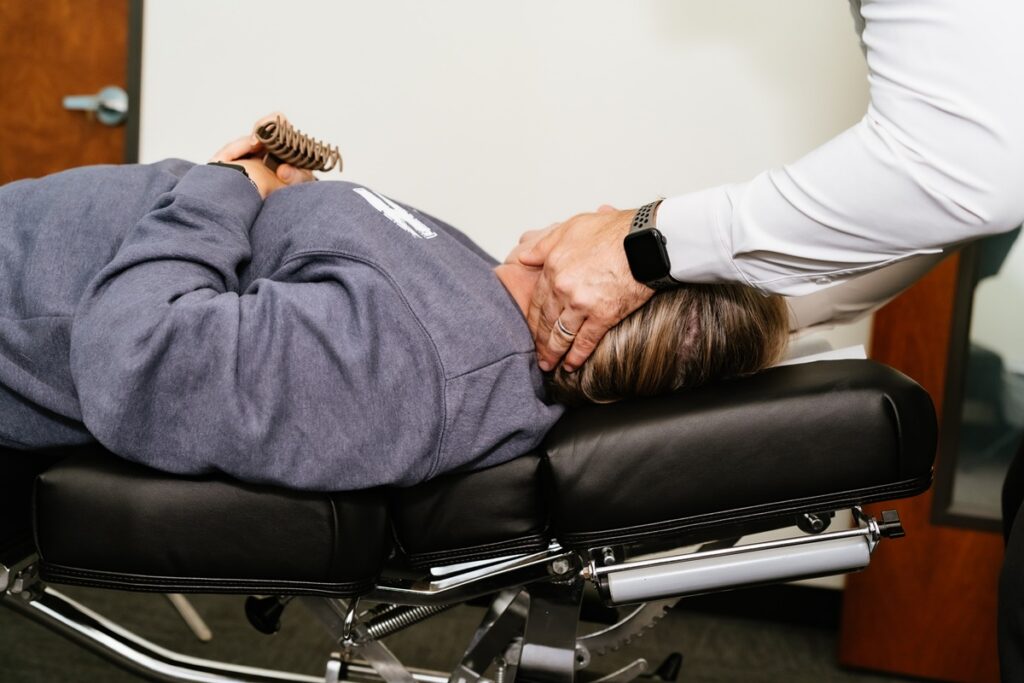
- Chiropractic Adjustments: Regular visits to a chiropractor can help restore your spine’s natural alignment and alleviate pain. Chiropractic care focuses on treating the root causes of discomfort, promoting healing, and enhancing overall wellness.
By focusing on these practical tips and integrating chiropractic care into your health routine, you can pave the way to a pain-free life and better overall well-being. Remember, taking small steps toward better posture and spinal health can lead to significant improvements in your daily life.
Key Takeaways
- To support your spinal health, make sure to sit all the way back in your chair, keeping your feet flat on the floor and your knees bent at about 90 degrees. This simple adjustment can help maintain proper spinal alignment and reduce strain on your lower back.
- Engaging your core muscles throughout your daily activities is a great way to provide your spine with the support it needs. A strong core can help prevent low back pain and improve your overall posture.
- An ergonomic workstation is essential for maintaining comfort and health. Position your computer monitor at eye level and choose a chair that offers good lower-back support. These small changes can make a big difference in how you feel throughout the day.
- Don’t forget to stand up and stretch every hour. This not only helps to relieve tension but also allows you to reset your posture, which is vital for spinal health. A few simple stretches can do wonders for your back!
- Be mindful of your posture while standing. Avoid slouching and ensure that your weight is evenly distributed on both legs. Keeping your hips aligned will promote balance and support your spine effectively.
Remember, chiropractic care can play a significant role in achieving optimal health and wellness. By incorporating these tips into your daily routine, you’re taking steps towards a healthier spine and a pain-free life. If you’re experiencing discomfort, consider consulting with a chiropractor who can guide you on your path to natural healing and wellness.
Understanding the Importance of Posture
When you think about how your daily habits affect your health, it’s important to recognize the vital role that posture plays. Good posture isn’t just about standing tall or looking confident; it’s essential for how your body functions effectively.
When your spine is properly aligned, it helps distribute your weight evenly, which reduces strain on your muscles and joints. This alignment can lead to better circulation and improved oxygen flow, helping you stay energized and focused throughout the day.
By maintaining a healthy posture, you can also prevent chronic issues like back pain and tension headaches. These problems often arise from poor alignment and can be alleviated through regular chiropractic care. A chiropractor can help identify and correct postural imbalances, leading to long-term relief and overall wellness.
Additionally, good posture positively influences your mood and productivity. When you feel comfortable and supported in your body, you’re more likely to focus better and feel at ease in your daily activities.
To help you improve your posture, here are a few simple tips:
- Be Mindful: Check in with your posture throughout the day, especially if you sit for long periods. Sit up straight, with your feet flat on the floor and your back supported.
- Strengthen Your Core: Incorporate exercises that strengthen your abdominal and back muscles. A strong core supports your spine and helps maintain good posture.
- Stay Active: Regular movement is key! Take breaks to stretch or walk around, especially if you’re working at a desk. This helps keep your muscles engaged and your spine aligned.
- Chiropractic Check-ups: Consider regular visits to your chiropractor. They can provide personalized advice and adjustments to help you maintain optimal spinal health.
Common Posture Mistakes That Contribute to Low Back Pain
Even with a solid understanding of the significance of good posture, it’s easy to fall into common pitfalls that can lead to low back pain. One of the biggest mistakes is slouching while sitting—this position puts excessive strain on your lower back and can lead to discomfort over time. You might also find yourself leaning forward too much when typing or reading, which places your spine in an awkward position and can contribute to pain.
Another common issue is standing with your weight unevenly distributed. This can create muscle imbalances, leading to discomfort and further complications. When using a phone or tablet, it’s important to provide proper support to avoid “tech neck,” which can create tension in your back and neck area.
Crossing your legs while sitting is another habit that can misalign your hips and spine, exacerbating pain. Finally, not taking regular breaks to stretch or change positions can result in stiffness and increased pressure on your back, making it vital to incorporate movement into your day.
Ergonomic Workstation Setup for Back Support
Setting up your workstation correctly is essential for maintaining a healthy back and overall well-being. As a chiropractor, I want to share some simple yet effective tips to help you create an ergonomic workspace that supports your spine and promotes natural healing.
First, make sure your chair height is adjusted so that your feet are flat on the ground and your knees are at a 90-degree angle. This position helps to distribute your weight evenly and reduces strain on your lower back.
Next, position your monitor at eye level. This means your screen should be at or just below eye height to prevent you from leaning forward or straining your neck. A good rule of thumb is to keep the top of the monitor screen about eye level or slightly lower. This helps to maintain a neutral spine and reduces the risk of developing discomfort or pain.
Your keyboard and mouse should be within easy reach, allowing your arms to rest comfortably at your sides with your elbows bent at about 90 degrees. This setup minimizes tension in your shoulders and promotes better posture.
Additionally, take regular breaks to stretch and move around. This not only helps to alleviate any tension that may build up but also promotes circulation, which is vital for spinal health.
Chair Height Adjustment
Adjusting your chair height is a crucial step in creating an ergonomic workspace that supports your spine and promotes overall comfort. As a chiropractor, I can’t stress enough how important it’s to maintain proper posture throughout your day to prevent discomfort and potential spinal issues.
Start by sitting all the way back in your chair with your feet flat on the floor. Your knees should form a 90-degree angle, aligning nicely with your hips. If your feet don’t quite reach the ground, don’t hesitate to use a footrest. This simple adjustment helps maintain your posture and keeps stress off your lower back.
Make sure your thighs are parallel to the ground; this position helps prevent unnecessary strain on your spine. Adjust your armrests so your arms can rest comfortably without causing your shoulders to lift. This can greatly reduce tension in your neck and upper back, areas commonly affected by poor posture.
It’s essential to regularly reassess your chair height, especially if you start to feel discomfort or fatigue. Small adjustments can have a big impact on your overall well-being.
Remember, chiropractic care is an excellent way to address any pain you may experience and to learn more about how to maintain a healthy spine.
Incorporate these tips into your daily routine, and you’ll likely notice a reduction in lower back pain and an improvement in your workspace experience. By prioritizing your posture and making these adjustments, you’re taking an important step toward a healthier, pain-free life.
Monitor Positioning Guidelines
Creating an ergonomic workspace is essential for maintaining your overall health and wellness, especially when it comes to your back. One of the key elements to consider is your monitor positioning. Ensuring your monitor is at eye level helps prevent neck strain, which can lead to discomfort and misalignment in your spine.
To achieve the right height for your monitor, consider using a monitor stand or even stacking some books underneath it. This simple adjustment can make a significant difference in your posture and comfort. Position the screen about an arm’s length away from you; this distance allows for comfortable reading without the need to lean forward, which can strain your back.
Tilting your monitor slightly back can help reduce glare while keeping your head in a neutral position, further supporting a healthy spine. Aim to have the top of the screen at or slightly below eye level; this encourages good posture and helps you avoid slouching.
Additionally, make sure that the brightness of your monitor matches your environment. This not only helps reduce eye strain but also contributes to a more comfortable workspace, allowing your body to relax and stay aligned.
While these tips can enhance your workspace ergonomics, remember that chiropractic care is an excellent option for supporting your body’s natural healing processes. Regular visits to a chiropractor can help address any pain or discomfort you may experience and promote overall wellness.
Keyboard and Mouse Placement
Finding the right keyboard and mouse placement is essential for maintaining your comfort and spinal health while working. Position your keyboard directly in front of you, ensuring that it’s at a height that allows your elbows to stay close to your body, forming a gentle 90-degree angle. This alignment helps keep your spine in a neutral position and can prevent unnecessary strain on your back.
Make sure your wrists remain straight and relaxed—avoid bending them upwards as this can lead to discomfort over time. It’s also important to keep your mouse nearby and at the same height as your keyboard to minimize reaching, which can further protect your posture and reduce tension in your upper body.
Consider using a wrist rest to provide additional support for your wrists during extended use. Adjust your chair height so that your feet are flat on the floor, promoting better overall posture. Remember, maintaining proper ergonomics at your workstation can significantly reduce strain on your back and neck, enhancing your comfort during long hours of work.
If you do begin to experience discomfort, remember that chiropractic care is a natural and effective solution for pain relief and overall wellness. Regular chiropractic adjustments can help align your spine, improve your posture, and promote better health.
Stretching and Strengthening Exercises for Better Posture
Improving your posture through targeted stretching and strengthening exercises is a fantastic way to alleviate low back pain naturally. As a chiropractor, I emphasize the importance of incorporating these exercises into your routine to enhance core stability and flexibility, ultimately reducing strain on your back.
Here’s a simple guide to get you started:
| Exercise Type | Example Exercise |
|---|---|
| Stretching | Cat-Cow Stretch |
| Strengthening | Plank |
| Mobility | Hip Flexor Stretch |
Begin with the Cat-Cow Stretch, which is excellent for enhancing spinal flexibility. This gentle movement helps to mobilize your spine and can be very soothing. Next, practice the Plank. This exercise is fantastic for building core strength, which is essential for maintaining good posture and supporting your back. Finally, incorporate the Hip Flexor Stretch to improve mobility in your hips, allowing for better movement and less tension in your lower back.
Remember, maintaining good posture is not just about these exercises. Here are some additional tips to promote a healthier spine:
- Be Mindful of Your Posture: Throughout the day, check in with your posture, especially if you sit for long periods. Keep your shoulders relaxed and your back straight.
- Stay Active: Incorporating regular physical activity into your routine can help keep your muscles strong and support a healthy spine.
- Listen to Your Body: If you feel discomfort or pain, take a moment to stretch or adjust your position. Your body often gives you signals that something needs attention.
- Consider Chiropractic Care: Regular visits to a chiropractor can help ensure your spine is aligned and functioning properly, which is vital for overall health and wellness.
The Role of Footwear in Maintaining Proper Alignment
As a local chiropractor, I want to emphasize the vital role that footwear plays in maintaining your body’s alignment and overall posture. The shoes you wear can significantly affect how your body distributes weight and supports your spine. Choosing the right footwear is essential for preventing misalignment, which can lead to discomfort and pain, especially in the lower back.
Here are some key points to consider when selecting your shoes for optimal health:
- Arch Support: It’s important to look for shoes that offer good arch support. This support helps maintain the natural curve of your feet, which in turn promotes better alignment throughout your entire body. Proper arch support can reduce the risk of developing pain and misalignment.
- Cushioning: Shoes with adequate cushioning play a crucial role in absorbing shock. This reduces strain on your joints and spine, particularly during activities like walking or running. Proper cushioning can help you stay active and maintain a healthy lifestyle without discomfort.
- Heel Height: When choosing footwear, consider selecting shoes with a moderate heel height. Shoes that are too high or too flat can throw your posture off balance, increasing the likelihood of back pain. Finding the right heel height can help keep your spine aligned and support your overall health.
Remember, while proper footwear is important, regular chiropractic care is the best way to ensure your spine remains healthy and aligned. A chiropractor can help identify any misalignments and provide treatment to alleviate pain, improve posture, and enhance your overall wellness.
Tips for Maintaining Good Posture While Sitting
To maintain good posture while sitting, it’s essential to set up your workspace in a way that promotes spinal health and overall well-being. Start by adjusting your chair height so that your feet are flat on the ground—this helps support your lower back and encourages a natural spinal alignment. Next, position your computer screen at eye level; this prevents unnecessary strain on your neck and shoulders, reducing the risk of discomfort and pain.
Remember, good posture not only helps you feel better throughout the day, but it also plays a crucial role in preventing long-term issues that can arise from poor habits. Incorporating regular breaks to stand, stretch, and move around can further enhance your spinal health and overall wellness.
As a chiropractor, I want to emphasize that caring for your spine is vital for achieving optimal health. By making these simple adjustments to your sitting habits, you can take significant steps towards a pain-free life and promote your body’s natural healing abilities. If you’re experiencing discomfort or would like to learn more about maintaining a healthy spine, chiropractic care is a wonderful option to consider.
Proper Chair Height
Finding the right chair height is crucial for maintaining good posture and supporting your spinal health while sitting. If your chair is too high or too low, it can strain your back and lead to discomfort, which is something we want to avoid.
Proper alignment is key to preventing pain and promoting natural healing. Here’s how to ensure your chair is at the ideal height for you:
- Adjust the chair height so that your thighs are parallel to the ground. This helps keep your spine aligned and reduces pressure on your lower back.
- Check your elbow position. When typing or writing, your elbows should be at a comfortable angle, close to your body, allowing for relaxed shoulders and reducing strain.
- Use a footrest if needed. If your feet don’t comfortably reach the floor, a footrest can help support your feet and maintain proper alignment. This is important for overall posture and can help prevent discomfort.
Remember, good posture is essential for your overall well-being and can significantly reduce the likelihood of pain. If you find yourself experiencing discomfort despite making these adjustments, consider consulting with a chiropractor.
Chiropractic care focuses on natural healing and can provide you with personalized strategies to achieve optimal health and wellness. Prioritize your spine health by creating a workspace that supports you!
Feet Flat Ground
Ensuring your feet are flat on the ground is a crucial part of maintaining good posture while sitting, and it can significantly affect your spinal health. When your feet rest firmly on the floor, it helps evenly distribute your weight, which reduces strain on your lower back. If your feet dangle or rest on a stool, you may find yourself slumping or leaning forward, leading to discomfort and potential spinal misalignment.
To promote better posture, adjust your chair height so your knees are at a right angle, parallel to the floor. If your chair is too high, consider using a footrest to ensure your feet are planted firmly. Remember to keep your ankles in front of your knees; this positioning allows for better circulation and stability, which can further enhance your comfort while sitting.
These simple adjustments not only improve your posture but can also help alleviate low back pain. As a chiropractor, I encourage you to pay attention to your sitting habits.
Making these small changes can lead to significant improvements in your overall wellness and spinal health. Remember, chiropractic care is an excellent way to address any discomfort and ensure your body remains aligned and functioning optimally. Prioritize your posture, and your body will thank you!
Screen Eye Level
Maintaining good posture while sitting at your desk is essential for your overall health and well-being, and one of the most important factors to consider is the positioning of your screen.
When your monitor isn’t at eye level, it can lead to uncomfortable positions that strain your neck and back, potentially resulting in pain and discomfort. Here are some simple tips to help you achieve better posture and support your spinal health:
- Use a monitor riser: Elevate your screen so that the top is at or slightly below your eye level. This encourages a more natural alignment of your spine and helps prevent unnecessary strain.
- Adjust your chair: Make sure your chair is set at a height that allows you to look straight ahead at your screen. This keeps your neck in a neutral position, reducing the risk of tension and discomfort.
- Incorporate breaks: It’s important to stand up and stretch every hour. This simple practice not only relieves tension but also gives you a moment to reset your posture and promote better spinal health.
Chiropractic care can be a fantastic way to support your journey towards optimal health. Regular adjustments can help alleviate pain, improve your posture, and enhance your overall well-being.
Standing Tall: Techniques for Improved Posture
Standing tall not only enhances your appearance but is also vital for alleviating low back pain. As a chiropractor, I want to share how proper posture can contribute to your overall health and well-being. To achieve an optimal standing position, start by aligning your ears, shoulders, and hips in a straight line. Picture a string gently pulling you upward from the crown of your head, guiding your posture into place.
To set the foundation, keep your feet shoulder-width apart and distribute your weight evenly on both legs. Engaging your core muscles is essential; they provide the support and stability needed to maintain good posture. This core engagement can help prevent and alleviate pain, especially in the lower back.
Avoid locking your knees; instead, keep them slightly bent to promote healthy circulation. When standing, remember to relax your shoulders and pull them back gently, which allows your chest to open up and encourages better breathing. Practicing this posture regularly, even during brief moments of standing still, can help reinforce these good habits over time.
By focusing on standing tall, you may notice not just a difference in how you feel, but also how others perceive you. Maintaining good posture is a simple yet powerful way to combat low back pain. Incorporating regular chiropractic care into your wellness routine can further enhance the benefits of proper posture, helping your spine function optimally and supporting your journey to better health.
Incorporating Posture Awareness Into Daily Activities
Maintaining good posture is essential, not just when you’re standing, but also throughout your daily activities. As a chiropractor, I emphasize that being aware of your posture can significantly relieve low back pain and contribute to your overall health and wellness. Here are some simple tips to help you incorporate posture awareness into your routine:
- Desk Setup: Ensure your chair provides proper support for your lower back. Position your computer monitor at eye level to keep your neck in a neutral position, preventing unnecessary strain. This small adjustment can go a long way in reducing discomfort.
- Cooking: When you’re in the kitchen, keep your weight evenly distributed on both feet. Use a cushioned mat to support your posture and minimize strain on your back while standing for long periods. This is a simple way to enhance your comfort while preparing meals.
- Exercise: Engaging your core and maintaining a neutral spine is vital during any form of exercise, especially strength training or yoga. By focusing on your posture while working out, you not only prevent injuries but also maximize the benefits of your workouts.
Remember, incorporating these posture tips into your daily activities can lead to significant improvements in your health and well-being. If you’re experiencing persistent pain or discomfort, consider visiting a chiropractor. Chiropractic care offers a natural and effective approach to pain relief and can help you achieve optimal health without the need for medications or surgeries.
Your journey to better health starts with awareness and proactive steps toward improved posture!
Seeking Professional Help for Posture Correction
If you’re struggling to improve your posture on your own, reaching out for professional help can truly transform your journey towards better health.
As a chiropractor, I specialize in evaluating your posture and identifying any underlying issues that may be causing discomfort. My goal is to create a personalized plan that meets your specific needs, incorporating exercises designed to strengthen your core and enhance your flexibility.
Chiropractic care often includes gentle adjustments that can relieve tension and pain, making it easier for your body to heal naturally. I also provide ergonomic advice to help you set up your workspace in a way that supports better posture habits, which is crucial for long-term success.
Always feel free to ask questions and seek clarification about your treatment plan; understanding the process is vital for your progress. Regular follow-up appointments are essential, as they allow us to track your improvements and make any necessary adjustments to your care.
Investing in chiropractic guidance not only leads to relief from low back pain but also promotes overall wellness and a healthier lifestyle. Remember, small changes in your daily routine, like being mindful of your posture while sitting or standing, can make a significant difference in how you feel. Let’s work together towards achieving optimal health and well-being!
Conclusion
Improving your posture is essential for relieving low back pain and nurturing your overall health. As a local chiropractor, I want to emphasize that chiropractic care is one of the best ways to achieve optimal health and alleviate pain naturally.
Start by creating an ergonomic workstation that supports your spine while you work. This means adjusting your chair and desk to ensure your back is straight, your feet are flat on the ground, and your computer screen is at eye level. Simple changes can make a world of difference!
Incorporate strengthening exercises that target your core muscles, as a strong core provides better support for your spine. Activities like planks, bridges, and gentle yoga can be beneficial. Remember to listen to your body and avoid any movements that cause discomfort.
Be mindful of your footwear as well. Wearing supportive shoes can greatly impact your posture and spinal alignment. Avoid high heels and opt for shoes that provide good arch support.
Don’t forget to take regular breaks throughout the day to stand up, stretch, and reset your posture. Staying aware of how you sit and stand can prevent strain on your back.
If your low back pain continues, consider visiting a chiropractor. We provide personalized care that focuses on natural healing, helping you achieve pain relief without the need for medications or surgeries. You deserve a pain-free, healthier life, and chiropractic care can guide you there!