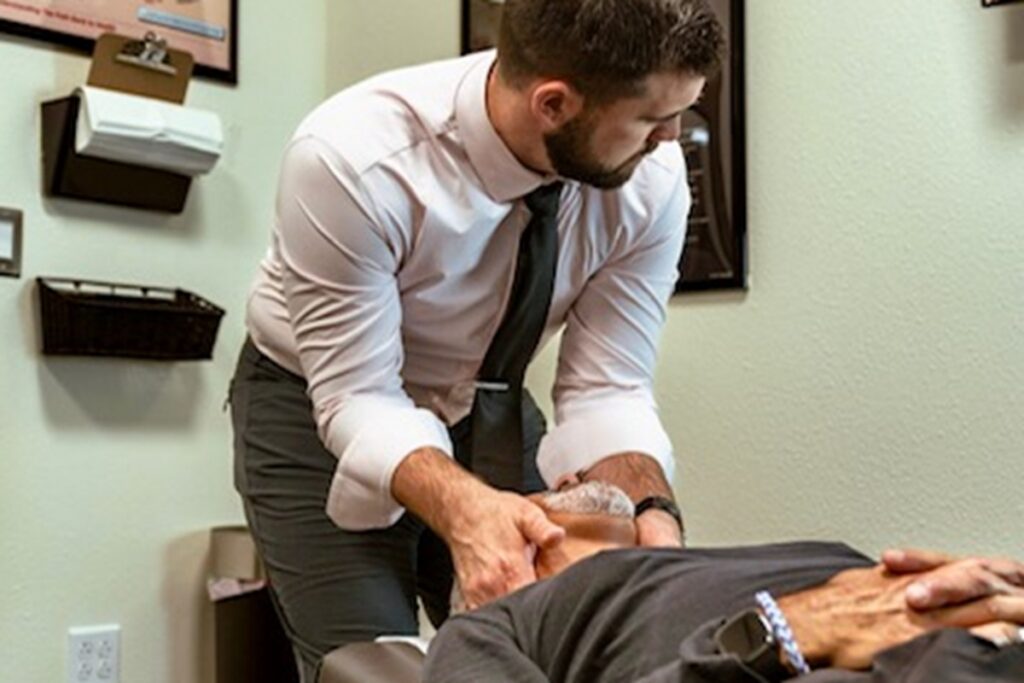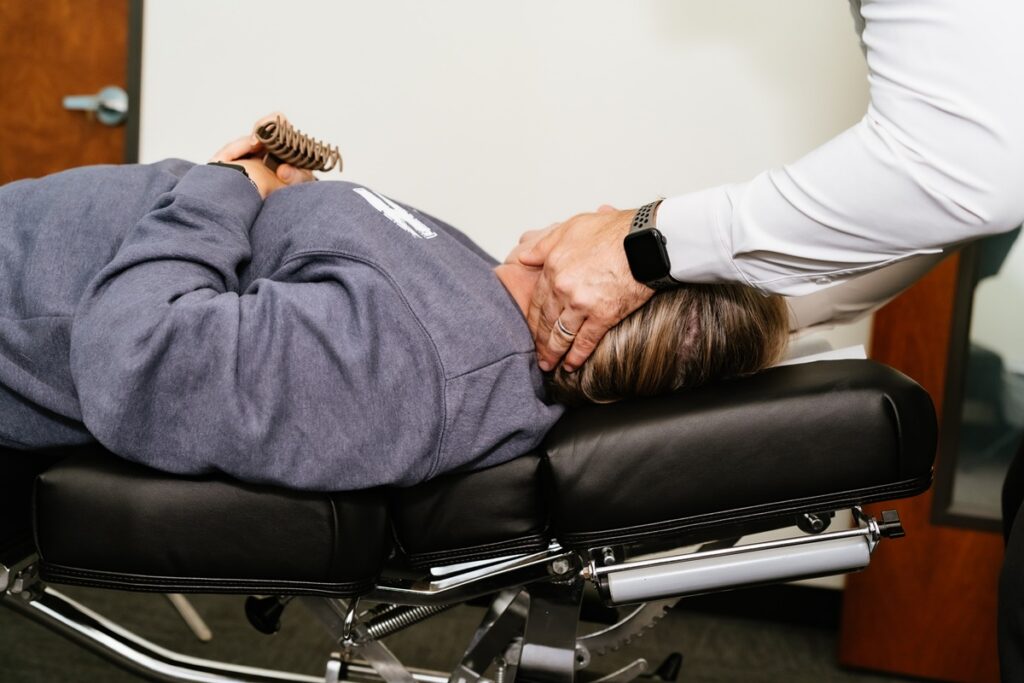

Your posture might be the hidden reason you’re having a tough time recovering from low back pain. Every slouch and forward head position can throw off your spine’s natural alignment, which can lead to muscle imbalances that slow down your healing process. You may think that correcting your posture is just a small change, but it can significantly impact your recovery journey.
As a chiropractor, I want to emphasize how crucial good posture is for your overall health and wellness. When your spine is properly aligned, it can function more effectively, allowing your body to heal naturally. Here are some simple tips to help you improve your posture and support your recovery:
- Be Mindful of Your Sitting Position: When sitting, keep your feet flat on the floor, and ensure your back is straight and supported by your chair. Avoid crossing your legs, which can affect your spine’s alignment.
- Stand Tall: Whether you’re at work or home, practice standing with your shoulders back, head up, and weight evenly distributed on both feet. This can help maintain your spine’s natural curves.
- Take Breaks: If you’re sitting for long periods, make it a point to take regular breaks. Stand up, stretch, and move around to keep your muscles engaged and to prevent stiffness.
- Strengthen Your Core: A strong core supports your spine and helps maintain good posture. Incorporate exercises like planks and bridges into your routine to build core strength.
- Consider Chiropractic Care: Regular chiropractic adjustments can help restore proper alignment to your spine, alleviate tension, and enhance your body’s ability to heal. A chiropractor can provide personalized strategies to improve your posture and overall health.
Remember, small changes can lead to big improvements. By paying attention to your posture and seeking chiropractic care, you can take significant steps toward relieving your low back pain and promoting natural healing. Your path to optimal health starts with a well-aligned spine!
Key Takeaways
- Maintaining good posture is essential for preventing muscle imbalances that can strain your back and slow down recovery from low back pain. By focusing on proper alignment, you can help your body heal more effectively.
- A strong core is vital for providing the necessary support to your spine. When poor posture weakens these muscles, it can lead to increased discomfort. Incorporating gentle core-strengthening exercises into your routine could make a significant difference.
- Bad posture can lead to tight hip flexors, which pull the pelvis forward and can worsen low back pain. Stretching these muscles regularly can help maintain flexibility and reduce strain on your back.
- Slouching can cause the back muscles to work overtime, resulting in fatigue and more pain during recovery. Being mindful of your sitting and standing positions can help alleviate this stress.
- Incorrect posture can alter the natural curve of your spine, increasing pressure on your vertebrae and discs, which can impede healing. Regular chiropractic adjustments can help restore proper alignment and promote a healthier spine.
Incorporating chiropractic care into your wellness routine can be a natural and effective way to support your recovery from low back pain. Additionally, remember to take breaks during long periods of sitting, use ergonomic furniture, and practice gentle stretches to maintain good posture and spinal health. By prioritizing these habits, you can enhance your overall well-being and support your body’s natural healing processes.
Understanding Low Back Pain: Causes and Symptoms
When you experience low back pain, it’s crucial to understand its various causes and symptoms so you can find the best path to relief.
Often, muscle strains can happen from lifting heavy objects or making sudden movements.
Herniated discs may develop over time due to wear and tear.
Additionally, poor physical conditioning and being overweight can lead to discomfort in your lower back.
Common symptoms include aching, stiffness, or sharp pain that might radiate down your legs.
You might notice that certain activities or positions make the pain worse.
If you experience additional symptoms like numbness or weakness, it’s important to consult with a healthcare professional to rule out any serious issues.
At our chiropractic clinic, we believe that understanding these causes and symptoms is key to addressing your pain effectively.
Chiropractic care focuses on treating the root of the problem—not just masking the symptoms.
Spinal adjustments and therapies can help restore proper function to your spine, alleviate pain, and promote healing naturally.
Here are some general tips to consider for managing low back pain:
- Stay Active: Gentle movement and stretching can help keep your back flexible and strong. Consider activities like walking or yoga, which can improve your overall health.
- Practice Good Posture: Be mindful of your posture, especially when sitting for long periods. Use chairs that support your lower back and take regular breaks to stand and stretch.
- Maintain a Healthy Weight: Carrying extra weight can strain your back. Eating a balanced diet and staying active can help you manage your weight and reduce discomfort.
- Use Proper Lifting Techniques: When lifting heavy objects, bend at your knees, keep the object close to your body, and avoid twisting your back.
- Stay Hydrated: Drinking plenty of water is essential for maintaining healthy discs in your spine.
By recognizing the causes of your low back pain and adopting these healthy practices, you can take proactive steps towards relief.
Chiropractic care can be a powerful ally in your journey to optimal health, helping you live a pain-free life and get back to doing what you love.
If you’re struggling with low back pain, don’t hesitate to reach out for guidance and support.
The Importance of Posture in Everyday Life
Your daily habits play a crucial role in how your body feels and operates. By prioritizing good posture and embracing ergonomic solutions, you can significantly enhance your comfort and overall well-being throughout the day. Proper alignment not only helps to alleviate discomfort but also supports your spine’s natural curves, which is essential for maintaining a healthy body.
As a chiropractor, I want to emphasize the importance of maintaining good posture to prevent issues like low back pain. Simple changes in your daily routine can make a big difference. For example, when sitting at your desk, ensure that your feet are flat on the floor and your back is well-supported. Consider using a chair that promotes good posture or adding lumbar support to your existing chair.
Additionally, take regular breaks to stretch and move around. This can help reduce tension in your muscles and improve circulation. Remember, your spine is designed to move, so keeping it active is key to preventing stiffness and discomfort.
Chiropractic care is an excellent choice for achieving optimal health and natural pain relief. Regular adjustments can help keep your spine aligned, allowing your body to function at its best. By incorporating chiropractic care into your wellness routine, you can promote healing and enhance your overall quality of life.
Daily Habits Matter
Maintaining good posture is crucial for your daily life and overall well-being, and as a chiropractor, I can tell you that the benefits extend far beyond just looking good.
When you sit or stand tall, you not only enhance your appearance but also lift your mood and increase your energy levels. Conversely, poor posture can lead to discomfort, fatigue, and even hinder your productivity.
It’s important to be aware of how you carry yourself throughout the day.
Whether you’re at your desk, walking, or going about your daily tasks, making small adjustments can significantly reduce strain on your back and neck.
Here are some simple tips to help you improve your posture and overall health:
- Sit Smart: When sitting at your desk, ensure your feet are flat on the floor, your knees are at hip level, and your back is supported. Use a chair that encourages good posture.
- Stand Tall: When standing, distribute your weight evenly on both feet, keep your shoulders back, and engage your core. This alignment helps protect your spine.
- Take Breaks: If you’re sitting for long periods, stand up and stretch or walk around every 30 minutes. This can help alleviate tension and keep your blood flowing.
- Strengthen Your Core: Engaging in exercises that strengthen your core muscles can provide better support for your spine, making it easier to maintain good posture.
- Be Mindful: Throughout the day, check in with your posture. A simple reminder can go a long way in developing better habits.
Remember, your posture affects how you feel, both physically and mentally. By cultivating habits that promote good alignment, you can’t only alleviate discomfort but also enhance your overall quality of life.
And if you’re looking for a natural way to achieve optimal health, consider chiropractic care. Regular adjustments can help maintain proper alignment, relieve pain, and support your journey towards a healthier, more comfortable lifestyle.
Ergonomics and Comfort
In the realm of daily activities, understanding ergonomics is essential for maintaining your health and well-being.
Your posture plays a crucial role in your comfort, and by applying ergonomic principles, you can effectively reduce the risk of low back pain and improve your overall productivity. As a chiropractor committed to your health, I encourage you to consider these four important elements:
- Chair Height: Ensure your chair gives adequate support to your lower back while allowing your feet to rest flat on the floor. This alignment keeps your spine in a healthy position.
- Desk Position: Your desk should be at a height that allows your elbows to be at a 90-degree angle, keeping your shoulders relaxed while you type. This helps avoid unnecessary strain on your neck and back.
- Screen Level: Position your computer screen at eye level to prevent neck strain. Keeping your head aligned with your spine is vital for long-term comfort.
- Breaks: Don’t forget to take regular breaks! Stand up, stretch, and move around to prevent stiffness and fatigue. This simple practice can greatly assist in maintaining your spinal health.
By incorporating these ergonomic tips into your daily routine, you can enhance your comfort and support your spine’s natural alignment.
How Poor Posture Contributes to Low Back Pain
Poor posture can lead to muscle imbalances and strain, making it harder for your body to function properly.
When your spine isn’t aligned correctly, it places additional pressure on your lower back, increasing the likelihood of experiencing pain.
This is where chiropractic care becomes invaluable. By focusing on spinal alignment and overall wellness, chiropractic adjustments can help relieve that pressure and restore balance to your body.
Maintaining good posture is essential for your recovery and overall well-being. Here are a few simple tips to improve your posture and support your spinal health:
- Be Mindful of Your Posture: Regularly check in with your body throughout the day. Whether sitting at a desk or standing, make sure your shoulders are back, and your spine is straight.
- Take Breaks: If you sit for long periods, take short breaks to stand, stretch, and move around. This helps reduce strain on your back and encourages better circulation.
- Strengthen Your Core: A strong core supports your spine and helps maintain good posture. Incorporate exercises like planks and bridges into your routine.
- Use Ergonomic Furniture: Invest in a good chair that supports your lower back, and position your computer screen at eye level to avoid straining your neck.
- Schedule Regular Chiropractic Visits: Regular adjustments can help keep your spine aligned and reduce discomfort, promoting a healthier, pain-free lifestyle.
By prioritizing your posture and seeking chiropractic care, you can take significant steps toward achieving optimal health and wellness.
Muscle Imbalance and Strain
Neglecting your posture can lead to muscle imbalances that strain your back, making it essential to prioritize proper alignment for your overall health. When you slouch or sit for long periods, certain muscles weaken while others tighten, resulting in discomfort and pain. Here are some key points to consider:
- Weak Core Muscles: Poor posture can weaken your core, which is crucial for providing stability and support for your spine. A strong core helps maintain proper alignment and can significantly reduce back pain.
- Tight Hip Flexors: Spending too much time sitting can tighten your hip flexors, pulling your pelvis forward and causing strain on your lower back. Incorporating stretches into your daily routine can help alleviate this tension.
- Overactive Back Muscles: Slouching forces your back muscles to work harder than they should, leading to fatigue and discomfort. By practicing good posture and engaging in regular chiropractic care, you can help these muscles relax and recover.
- Imbalances in Strength: When certain muscles are stronger than others, it creates uneven pressure on your spine, which can exacerbate pain. Chiropractic adjustments can help restore balance and improve your body’s overall function.
To support your recovery and promote optimal health, consider these general tips:
- Stay Active: Incorporate regular movement into your day, whether it’s a short walk or simple stretching exercises, to keep your muscles engaged and prevent stiffness.
- Mind Your Posture: Be conscious of your posture while sitting or standing. Use ergonomic chairs and desks to maintain proper alignment.
- Visit Your Chiropractor: Regular chiropractic adjustments can help realign your spine, release tension in tight muscles, and support your body’s natural healing process.
Spinal Alignment Issues
Maintaining proper spinal alignment is crucial for preventing low back pain, and as your local chiropractor, I want to share how you can achieve this naturally.
Poor posture can disrupt the natural curvature of your spine, leading to discomfort and pain. When you slouch or hunch over, it places excessive pressure on your vertebrae and discs, which can cause not only pain but also strain the muscles around your spine.
You might notice that spending long hours sitting or standing with poor posture can make your symptoms worse. That’s where chiropractic care comes in—it helps restore proper alignment and function to your spine, providing relief from pain and enhancing your overall well-being.
In addition to regular chiropractic adjustments, there are simple steps you can take at home to support your spinal health. Focus on strengthening your core muscles, as a strong core provides stability for your spine. Being mindful of your posture throughout the day can also make a significant difference. Remember to keep your shoulders back, your head aligned with your spine, and your feet flat on the ground whether you’re sitting or standing.
Here are a few practical tips to help you maintain spinal alignment:
- Take Breaks: If you’re sitting for long periods, take short breaks to stand up, stretch, and move around.
- Ergonomic Setup: Ensure your workspace is ergonomically friendly. Your computer screen should be at eye level, and your chair should provide good support.
- Mind Your Movement: When lifting objects, use your legs instead of your back. Bend at the knees and keep the object close to your body.
- Stay Active: Engage in regular physical activity, like walking or yoga, to keep your muscles strong and flexible.
By prioritizing spinal alignment and incorporating these tips into your daily routine, you can alleviate pain and promote a healthier, more active lifestyle.
The Role of Core Strength in Maintaining Good Posture
Many people don’t realize how essential core strength is for maintaining good posture, and as a chiropractor, I want to emphasize its importance in your overall health and wellness. Your core isn’t just about having visible abs; it plays a vital role in supporting your spine, which is crucial for a healthy life.
When your core muscles are strong, they help keep your body aligned, reducing strain on your back and preventing discomfort. Here are four key benefits of a strong core for good posture, along with some tips to help you strengthen it naturally:
- Improved Stability: A strong core stabilizes your pelvis and spine, making it easier to maintain proper alignment. Consider incorporating exercises like planks and bridges into your routine. These simple movements can help build the foundational strength you need for stability.
- Reduced Risk of Injury: Strengthening your core can significantly decrease the likelihood of back injuries by absorbing stress and pressure. Regular chiropractic adjustments can also help keep your spine aligned, complementing your core-strengthening efforts.
- Enhanced Balance: A solid core improves your overall balance, helping you stay upright and reducing slouching. Try practicing balance exercises, such as standing on one leg or using a balance board, to further enhance your stability.
- Increased Endurance: With a strong core, you can hold good posture for longer periods, making daily activities more comfortable. Incorporating core exercises into your daily routine can lead to better posture, which will help you feel more energized throughout the day.
Remember, maintaining good posture and core strength is crucial for your overall well-being. Regular chiropractic care can help support your efforts in achieving a healthy spine and body.
Strategies for Improving Posture at Home and Work
Consistently checking your posture at home and work can greatly enhance your comfort and overall health. As a chiropractor, I understand the importance of spinal health and how it impacts your well-being. Here are some effective strategies to improve your posture and support your spine naturally:
| Tip | Description |
|---|---|
| Adjust Your Chair | Ensure your chair offers adequate support for your lower back and allows your feet to rest flat on the floor. This alignment helps maintain the natural curve of your spine. |
| Monitor Screen Height | Position your computer screen at eye level. This prevents unnecessary strain on your neck, allowing your spine to remain aligned while you work. |
| Take Regular Breaks | Stand up and stretch every 30 minutes. This simple practice can reset your posture, relieve tension, and promote blood circulation, all of which are vital for a healthy spine. |
| Use a Lumbar Support | Incorporate a cushion or rolled towel in your chair to support the natural curve of your spine. This small adjustment can make a big difference in your comfort and posture. |
Exercises to Support Posture and Relieve Back Pain
Incorporating targeted exercises into your daily routine can significantly enhance your posture while alleviating back pain. By working on specific muscle groups, you can improve stability and provide essential support to your spine.
Remember, while these exercises can be beneficial, regular chiropractic care is the best way to achieve optimal health and long-lasting relief from discomfort. Here are four effective exercises to consider:
- Plank: This exercise strengthens your core, which is crucial for maintaining good posture and stability. Start by holding a plank for 30 seconds, and as you build strength, gradually increase the duration. Consider incorporating this into your routine alongside your chiropractic adjustments for maximum benefits.
- Bridge: Lie on your back with your knees bent and feet flat on the floor. Lift your hips while squeezing your glutes and engaging your lower back. Hold for a few seconds before lowering. This move helps strengthen the muscles that support your spine, making it an excellent complement to your chiropractic care.
- Cat-Cow Stretch: Get on all fours and alternate between arching your back (like a cat) and sinking your belly toward the floor (like a cow). This dynamic stretch improves flexibility and releases tension in your back. It’s a wonderful way to prepare your body for the adjustments you receive in chiropractic sessions.
- Chest Opener: Stand tall, clasp your hands behind your back, and gently pull your shoulders back. This simple stretch targets tight chest muscles and promotes better alignment by opening up your upper body. When done regularly, it can enhance the effectiveness of your chiropractic treatments.
By integrating these exercises into your routine and combining them with regular chiropractic visits, you can greatly improve your posture, reduce back pain, and support your journey toward natural wellness.
Mindfulness and Body Awareness for Better Alignment
While physical exercises are essential for improving posture, developing mindfulness and body awareness is just as important for achieving optimal spinal alignment. By practicing mindfulness, you become more aware of how your body feels in different positions, enabling you to identify when you’re slouching or holding unnecessary tension in your muscles.
To get started, try incorporating simple breathing exercises into your daily routine. As you take deep breaths, pay attention to your spine’s alignment and how your body interacts with your environment. This practice can help you become more in tune with your posture. Throughout the day, take a moment to check in with yourself. Ask if you’re sitting or standing in a way that supports your back.
Engaging in mindful movement practices like yoga or tai chi can significantly boost your body awareness. These activities promote intentional and graceful movement, helping you develop a connection between your mind and body. By cultivating this awareness, you’ll naturally improve your posture and support your recovery from low back pain.
Seeking Professional Help: When to Consult a Specialist
Knowing when to seek professional help for your low back pain is vital for your recovery and overall well-being. If you’re finding it hard to manage your discomfort or if your symptoms are worsening, it’s time to consult with a chiropractor. Here are some signs that indicate it’s time to get that expert help:
- Persistent Pain: If your pain lingers for more than a few weeks despite trying home remedies, it’s a good idea to visit a chiropractor who can help identify the root cause and provide targeted treatment.
- Radiating Symptoms: If you experience pain that travels down your legs or into your feet, this could be a sign of nerve involvement. A chiropractor can assess your spine and help relieve that pressure naturally.
- Loss of Function: Difficulty standing, walking, or performing daily activities isn’t something to ignore. A chiropractor can help restore your mobility through specific adjustments and therapies.
- Numbness or Weakness: Unusual numbness, tingling, or weakness in your legs can be concerning. A chiropractor can evaluate your spine and nervous system to provide relief and improve your overall function.
Remember, reaching out to a chiropractor early on can prevent further complications and set you on the path to recovery. Chiropractic care focuses on natural healing and aims to restore your body’s balance and function without the need for surgeries or medications.
Additionally, here are some general tips you can incorporate into your daily routine for better spinal health:
- Practice Good Posture: Be mindful of how you sit, stand, and lift objects. Proper posture can alleviate strain on your back.
- Stay Active: Engage in low-impact activities like walking or swimming to keep your back muscles strong and flexible.
- Stretch Regularly: Incorporate gentle stretches into your routine to improve your flexibility and reduce tension in your back.
- Listen to Your Body: If something doesn’t feel right, don’t ignore it. Addressing issues early can lead to better outcomes.
Your health is worth it, so don’t hesitate to consult with a chiropractor to explore the best ways to achieve optimal health and wellness!
Conclusion
To summarize, maintaining proper posture is essential for recovering from low back pain. Being aware of your alignment and making ergonomic adjustments in your daily activities can significantly support your healing journey. Strengthening your core and engaging in specific exercises can enhance your posture, reducing discomfort and promoting overall well-being. As a local chiropractor, I encourage you to consider chiropractic care as an effective option for pain relief and natural healing. Our techniques focus on aligning the spine and improving your body’s function, which can lead to lasting pain relief without the need for medications or surgeries. If your pain continues, don’t hesitate to reach out for professional guidance. By taking these steps, you can make a meaningful difference in your recovery and embrace a healthier lifestyle.