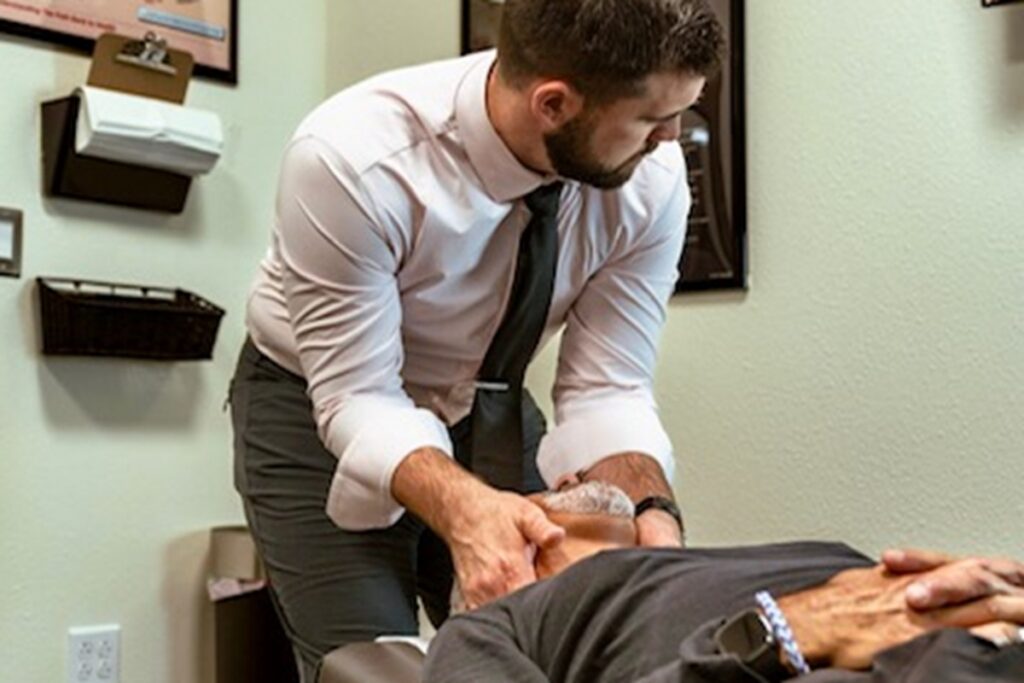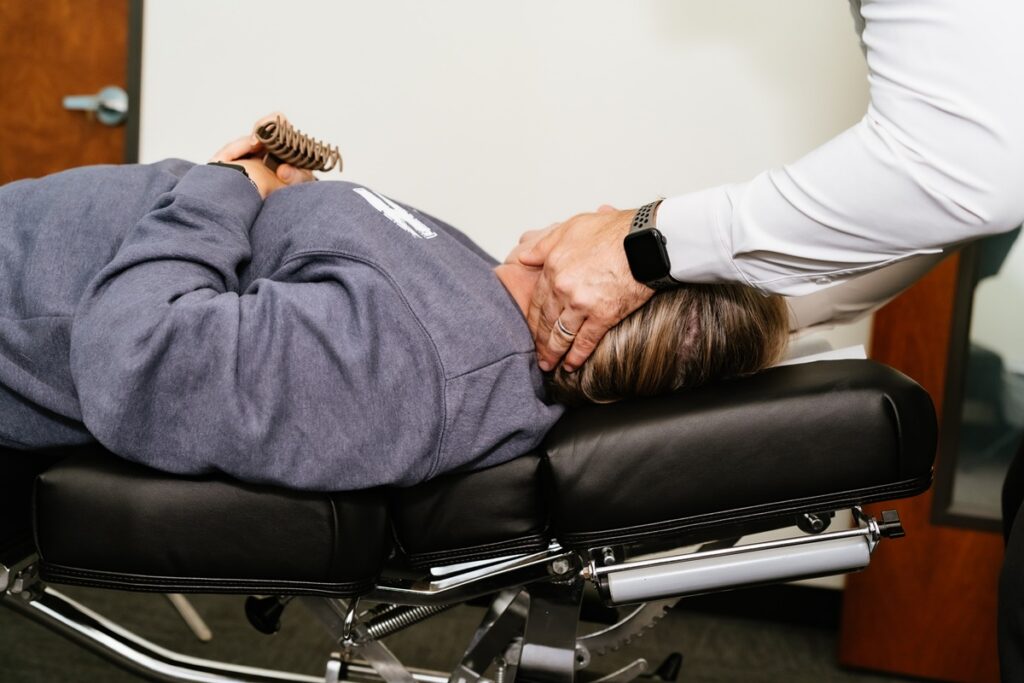

If you’re experiencing low back pain, consider the transformative benefits of chiropractic care as part of your journey to wellness. Simple lifestyle adjustments, such as incorporating stretches and practicing ergonomic habits, can significantly enhance your comfort. Chiropractic adjustments specifically target spinal alignment, which can alleviate pressure on nerves and improve your overall function.
Additionally, mindful breathing techniques can help relax your muscles and reduce tension, while a balanced diet rich in anti-inflammatory foods can support your healing process. By focusing on these natural strategies, you can empower yourself to manage pain effectively.
Are you ready to explore how chiropractic care can be a key player in your recovery? Let’s dive into essential practices that will not only ease your discomfort but also guide you towards optimal health and well-being. Remember, addressing the root cause of your pain through chiropractic adjustments can lead to lasting relief and a healthier lifestyle.
Key Takeaways
- To support your lower back, it’s essential to maintain proper posture while sitting and standing. This simple practice can significantly reduce strain and discomfort.
- Regular stretching routines are a great way to enhance your flexibility and ease muscle tension. Incorporating stretches into your daily routine can keep your back feeling great.
- Core strengthening exercises are vital for supporting your spinal alignment. A strong core can help prevent injuries and keep your back healthy. Simple exercises like planks or bridges can make a big difference.
- Heat or cold therapy can provide much-needed relief for back pain. Applying a warm compress or ice pack can soothe discomfort and promote healing in your back.
- As a chiropractor, I highly recommend considering chiropractic care for personalized adjustments. This holistic approach not only targets pain relief but also supports your overall wellness. Regular chiropractic visits can help keep your spine aligned and your body functioning at its best.
Remember, small changes in your daily habits can lead to significant improvements in your back health. Prioritizing your well-being through natural methods like chiropractic care is a fantastic way to achieve optimal health.
Understanding the Causes of Low Back Pain
When you experience low back pain, it’s important to understand what might be causing it. Many times, muscle strains or ligament sprains can occur from improper lifting techniques or sudden awkward movements. Poor posture while sitting or standing can also contribute to discomfort in your back. Conditions like herniated discs or osteoarthritis might be factors as well, as they can affect the structure of your spine.
A sedentary lifestyle or lack of physical activity can weaken your core muscles, making your back more vulnerable to injury. Additionally, emotional stress can lead to muscle tension in your back, further exacerbating pain.
Recognizing these causes is key to identifying triggers in your daily routine. Simple adjustments, such as practicing good posture, using proper lifting techniques, and incorporating regular physical activity, can make a significant difference. Chiropractic care is an excellent option for addressing these issues naturally. A skilled chiropractor can help realign your spine and relieve tension, promoting healing and overall wellness.
If you’re looking to take charge of your health, consider some general tips: make time for regular exercise to strengthen your core muscles, take breaks to stretch during long periods of sitting, and practice mindfulness or relaxation techniques to manage stress. By addressing these factors and seeking chiropractic care, you can find relief from low back pain and improve your overall well-being naturally.
Gentle Stretching Exercises for Relief
Gentle stretching exercises can significantly relieve low back pain and enhance your flexibility, making them a valuable addition to your wellness routine. As a local chiropractor, I believe that incorporating these stretches can support your spine’s health and overall well-being. Here, we’ll discuss the benefits of stretching, the best techniques to target your back safely, and how to seamlessly integrate them into your daily life.
Stretching not only helps alleviate discomfort in your back but also promotes increased blood flow, which is essential for healing. When you engage in regular stretching, you’ll find that your muscles become more supple, improving your range of motion and reducing the likelihood of injury. It’s important to remember that the goal of these exercises is to support your spine, so always listen to your body and avoid pushing yourself too hard.
To get started, consider the following simple stretches that can be performed at home:
- Knee-to-Chest Stretch: Lie on your back, bring one knee up towards your chest, and hold it with both hands for 20-30 seconds. Switch legs and repeat. This stretch can help relieve tension in your lower back.
- Cat-Cow Stretch: Start on your hands and knees. Arch your back towards the ceiling (like a cat) and then lower your belly while lifting your head and tailbone (like a cow). Repeat this flow for several breaths to improve spinal flexibility.
- Child’s Pose: Kneel on the floor, sit back on your heels, and stretch your arms forward on the ground. This gentle stretch can help release tension in your back and promote relaxation.
Incorporating these stretches into your daily routine can help maintain flexibility and prevent future pain. Aim to do them at least once a day, especially if you spend long hours sitting or engaging in physical activity.
Additionally, regular chiropractic care can complement your stretching routine. A chiropractor can assess your spine’s alignment, offer personalized adjustments, and provide guidance on maintaining a healthy posture. By choosing chiropractic care, you’re opting for a natural approach to pain relief and a pathway to achieving optimal health.
Benefits of Stretching
Stretching regularly can significantly help alleviate low back pain and enhance your overall mobility. As a chiropractor, I often see patients benefit from incorporating gentle stretches into their daily routines. Stretching keeps your muscles flexible and reduces tension, which not only promotes better posture but also lessens the strain on your back.
When you stretch, you boost blood flow to your muscles, which encourages healing and can diminish soreness. This increased circulation is a natural way to support your body’s recovery process. Adding simple stretches to your day can improve your range of motion, making everyday activities like bending down or reaching up easier and more comfortable.
Moreover, stretching helps you become more in tune with your body. This awareness can alert you to areas of tension before they escalate into pain. By committing to a consistent stretching routine, you can relieve discomfort and create a foundation for a healthier, more active lifestyle.
Recommended Stretching Techniques
To effectively ease low back pain, incorporating specific stretching techniques into your daily routine can be incredibly beneficial. As a chiropractor, I encourage you to consider these stretches as a natural way to promote healing and enhance your overall wellness.
Begin with the cat-cow stretch: get on all fours, arch your back upwards like a cat, and then gently sink it down while lifting your head. This movement helps to improve spinal flexibility and relieve tension.
Next, try the child’s pose. Kneel down, sit back on your heels, and extend your arms forward, reaching out on the floor. This stretch not only relaxes your lower back but also encourages a sense of calm.
The seated forward bend is another excellent option. Sit with your legs extended straight in front of you and slowly reach toward your toes. Focus on feeling the stretch in your lower back and hamstrings. It’s a great way to promote flexibility and alleviate tightness.
Don’t forget the knee-to-chest stretch. While lying on your back, gently bring one knee up to your chest, hold for a moment, and then switch to the other side. This stretch can help relieve pressure on your lower back and promote relaxation.
Remember, performing these stretches gently and consistently can significantly reduce discomfort and improve your flexibility. Combined with regular chiropractic care, these techniques can lead to long-lasting pain relief and a healthier lifestyle.
Always listen to your body and consult with your chiropractor if you have any concerns or need personalized guidance on your path to optimal health.
Safety Tips for Stretching
Incorporating stretches into your daily routine can be a wonderful way to relieve low back pain, and as a local chiropractor, I want to ensure you do this safely and effectively.
Here are some important tips to keep in mind while stretching, which can also complement the natural healing power of chiropractic care.
1. Warm Up First: Before diving into stretching, take a few minutes to warm up your muscles with light movements, such as walking or gentle arm swings.
This prepares your body and helps prevent injury.
2. Gentle and Controlled Movements: Focus on gentle, controlled stretches.
It’s important never to push your body into a painful position.
If you feel any discomfort, ease off and listen to what your body is telling you.
3. Maintain Proper Posture: Protecting your spine is key.
Always strive to maintain good posture during stretches.
Avoid twisting or bending in ways that could strain your back.
4. Breathing and Duration: Hold each stretch for at least 15-30 seconds.
Deep breathing during this time can enhance relaxation and improve the effectiveness of the stretch.
5. Use Comfortable Surfaces: Stretch on a yoga mat or a soft surface to cushion your body and provide comfort, allowing you to focus on your stretches without distraction.
6. Consult Your Chiropractor: Before starting any new stretching regimen, especially if you’re experiencing pain or have existing conditions, it’s a good idea to consult with your chiropractor.
They can provide personalized advice and guidance to ensure you’re on the right track.
By prioritizing these safety tips, you’ll not only stretch effectively but also enhance the benefits of your chiropractic care.
Remember, chiropractic care is a natural and holistic approach to achieving optimal health and wellness, so consider how it can fit into your overall health journey.
Stretching combined with chiropractic care can be a powerful duo for pain relief and improved mobility.
The Benefits of Mindfulness and Meditation
Mindfulness and meditation can be valuable allies in managing low back pain, particularly when paired with chiropractic care. By focusing on your breath and being present in the moment, you can effectively reduce the stress and tension that often contribute to discomfort in your back. When you practice mindfulness, you learn to observe your pain without judgment, which can transform the way you perceive it. This new perspective helps you feel more in control, alleviating anxiety and fear surrounding your pain.
In addition to mindfulness, meditation promotes relaxation, which is essential for easing muscle tension and improving your awareness of your body. As you develop this awareness, you may notice specific movements or habits that could be aggravating your back pain. Making small adjustments to your daily activities can significantly impact your comfort levels.
Regular practice of mindfulness and meditation enhances your ability to cope with discomfort while fostering a sense of calm. When combined with the natural healing benefits of chiropractic care, you can achieve optimal health and well-being. Chiropractic adjustments can align your spine and nervous system, enhancing your overall function and reducing pain.
To incorporate mindfulness and meditation into your routine, try setting aside just a few minutes each day to focus on your breath or engage in gentle stretching. This can complement your chiropractic care and empower you to manage low back pain more effectively. Remember, taking small steps towards mindfulness not only helps with your pain but also contributes to a healthier, happier life.
Strengthening Core Muscles to Support the Back
To truly support your back, focusing on strengthening your core muscles is essential. A strong core not only enhances your posture but also plays a crucial role in preventing injuries and alleviating pain. As a chiropractor, I believe that natural wellness starts with a strong foundation, and your core is a key player in that.
Let’s explore some effective exercises you can incorporate into your routine, along with tips for maintaining proper form. Remember, these exercises should complement your chiropractic care, which is designed to align your spine and promote overall health.
- Planks: Start in a push-up position, resting on your forearms. Keep your body in a straight line from head to heels. Hold this position for 20-30 seconds, gradually increasing as you get stronger. Planks engage multiple core muscles, helping to stabilize your spine.
- Bird-Dogs: Begin on your hands and knees. Extend one arm forward and the opposite leg back, keeping your back straight. Alternate sides. This exercise improves balance and strengthens the muscles that support your spine.
- Bridges: Lie on your back with your knees bent and feet flat on the floor. Lift your hips towards the ceiling, squeezing your glutes at the top. This exercise strengthens your lower back and core, providing additional support for your spine.
- Pelvic Tilts: While lying on your back with knees bent, gently flatten your lower back against the floor by tightening your abdominal muscles. This simple movement helps strengthen your core while promoting spinal alignment.
General Tips:
- Always listen to your body. If you experience pain while performing any exercise, stop immediately and consult your chiropractor.
- Maintain proper form to avoid straining your back. It’s better to do fewer repetitions correctly than to risk injury with poor form.
- Incorporate these exercises into your daily routine for optimal benefits, and consider scheduling regular chiropractic adjustments to keep your spine aligned.
Importance of Core Strength
Strengthening your core muscles is crucial for supporting your back and alleviating low back pain. Think of your core as the foundation of your body—it helps stabilize everything and keeps your posture in check. When your core is weak, your back has to work overtime, which can lead to strain and discomfort. By focusing on building a strong core, you not only support your spine but also improve your balance and coordination, which can help prevent injuries.
A well-developed core enhances your overall physical performance, making daily activities feel easier and more enjoyable. Incorporating core-strengthening exercises into your routine can be a natural way to boost your health. Simple activities like planks, bridges, and gentle yoga can help you build strength without putting too much pressure on your body.
As a chiropractor, I want to emphasize that prioritizing core strength is a vital step toward a healthier, pain-free back. Chiropractic care can also play a significant role in this process by ensuring your spine is properly aligned, allowing your body to function at its best. By embracing both core strengthening and regular chiropractic adjustments, you’re investing in your long-term wellness and minimizing the chances of recurring pain.
Effective Core Exercises
Incorporating effective core exercises into your routine can significantly enhance your spinal health and alleviate back pain. A strong core supports your spine, reduces strain on your lower back, and plays a vital role in overall wellness. Simple exercises like planks, bridges, and bird-dogs are fantastic for engaging multiple muscle groups, promoting stability and strength.
I recommend aiming for three sets of 10-15 repetitions for each exercise, gradually increasing these numbers as your strength develops. Additionally, consider integrating Pilates or yoga into your routine as these practices focus on core stability and flexibility, which are essential for maintaining a healthy spine.
Consistency is crucial; try to include these exercises at least three times a week. By building a strong core, you’re not just supporting your back, but you’re also taking proactive steps towards preventing future pain and discomfort.
Remember, chiropractic care plays a key role in your journey to optimal health. Regular visits can help ensure your spine is aligned, enhancing the benefits of your core workouts and supporting your overall wellness.
Together, chiropractic adjustments and a strong core can be a powerful combination for achieving a pain-free life. Stay active, stay consistent, and always prioritize your spinal health!
Maintaining Proper Form
Maintaining proper form during core exercises is crucial for maximizing their benefits and protecting your spine. As a chiropractor, I want to emphasize that good technique not only helps you strengthen your core but also supports your overall spinal health. When engaging in exercises like planks or bridges, ensure your back remains straight—avoid arching or rounding it. Engaging your abdominal muscles creates stability and provides essential support to your spine.
Focus on controlled movements instead of rushing through your exercises. This not only reduces the risk of injury but also ensures your core is effectively engaged, which is key for long-term wellness. Remember, proper breathing is vital; holding your breath can lead to increased tension in your body, so aim for steady and rhythmic breaths.
If you’re unsure about your form, try using a mirror or recording yourself to self-check. Consistently practicing good form enhances your core strength and contributes to better back health, reducing the likelihood of pain and discomfort.
In addition to these tips, consider incorporating regular chiropractic care into your wellness routine. Chiropractic adjustments can help maintain proper spinal alignment, alleviate pain, and promote overall health. By focusing on both your exercise form and incorporating chiropractic treatments, you’re taking significant steps toward a healthier, pain-free life.
The Role of Proper Posture in Pain Prevention
Many people may not realize how essential proper posture is for preventing low back pain, but it truly makes a significant difference. When you maintain an aligned spine while sitting, standing, or moving, you help distribute your body weight evenly. This reduces unnecessary strain on your back muscles and ligaments, which is crucial for overall spinal health. If you often find yourself slouching or hunching over, it could lead to muscle fatigue and discomfort over time.
To encourage good posture, it’s important to be aware of your alignment throughout your day. Here are some simple tips to help you maintain proper posture and support your spine:
- When Sitting: Keep your feet flat on the floor and your back fully supported by the chair. Consider using a cushion or lumbar roll to help maintain the natural curve of your lower back.
- When Standing: Distribute your weight evenly between both feet. Avoid locking your knees and try to keep your shoulders relaxed and back.
- Regular Posture Checks: Throughout the day, take a moment to check in with your posture, especially if you’re working at a desk or spending long hours in front of a screen. Set reminders on your phone or computer to prompt you to stand up, stretch, and reset your posture.
- Incorporate Movement: Make it a habit to get up and move around every hour. Simple stretches or short walks can help relieve tension and promote better alignment.
By focusing on these tips, you can support your spinal health and prevent discomfort. Remember, chiropractic care is an excellent choice for maintaining optimal health and addressing any existing pain.
Regular adjustments can help keep your spine aligned, improve your posture, and enhance your overall well-being. Embrace the power of proper posture and chiropractic care for a healthier, more comfortable life!
Dietary Changes to Reduce Inflammation
Proper posture is just one piece of the puzzle when it comes to managing low back pain. However, many people may not realize that their diet plays a crucial role in reducing inflammation that can worsen discomfort. By incorporating anti-inflammatory foods into your meals, you can make a significant difference in how you feel.
Focus on filling your plate with vibrant fruits and vegetables, particularly berries, leafy greens, and tomatoes. These foods are loaded with antioxidants that help fight inflammation and support your overall health.
Don’t overlook healthy fats, either! Foods like avocados, nuts, and olive oil not only provide essential nutrients but also help reduce inflammation. Fatty fish such as salmon are another excellent choice, as they’re rich in omega-3 fatty acids that promote healing and support your body’s natural functions.
On the other hand, it’s best to steer clear of processed foods, sugary snacks, and excessive alcohol, as these can lead to increased inflammation. Staying well-hydrated is also important, as it helps your body function optimally and can even alleviate pain.
Herbal Remedies for Natural Pain Relief
When it comes to finding relief from low back pain, exploring natural options like herbal remedies can be a great complement to chiropractic care. These remedies can help reduce inflammation and soothe discomfort, supporting the body’s natural healing process.
Here are a few herbal remedies to consider, alongside your chiropractic treatments:
- Turmeric: This vibrant spice contains curcumin, which is known for its powerful anti-inflammatory properties. Incorporating turmeric into your meals or taking it as a supplement can enhance the benefits of your chiropractic adjustments by helping to ease pain and inflammation.
- Ginger: Another effective anti-inflammatory, ginger can be enjoyed as a tea or added to your cooking. It may aid in improving circulation and reducing muscle tension, which can be particularly beneficial after a chiropractic session.
- Willow Bark: Often called nature’s aspirin, willow bark has been used for centuries to relieve pain. It’s available in tea or capsule form and can work well alongside chiropractic treatments to help manage discomfort.
Incorporating these herbs into your daily routine can support your overall wellness and enhance the effectiveness of your chiropractic care. Remember, always consult with a healthcare provider before starting any new herbal treatment to ensure it’s safe for you.
Additionally, adopting healthy habits such as staying active, maintaining good posture, and incorporating regular chiropractic adjustments can significantly improve your spine health and overall quality of life. Your journey to optimal health is best supported by a holistic approach, combining natural remedies and professional chiropractic care.
Heat and Cold Therapy Techniques
As a local chiropractor, I want to share some effective techniques for managing low back pain that can complement your chiropractic care. While herbal remedies can be helpful, heat and cold therapy are two natural methods you can easily incorporate into your wellness routine.
Heat therapy, such as using warm compresses or heating pads, is fantastic for relaxing tight muscles and boosting blood circulation. I recommend applying heat for about 15 to 20 minutes. Just ensure that it feels comfortable and avoid using heat that’s too hot to prevent any skin irritation.
On the flip side, cold therapy is excellent for reducing inflammation and numbing sharp pain. Ice packs or cold compresses can be applied for approximately 15 minutes, and it’s important to allow your skin to return to its normal temperature between applications.
Many patients find that alternating between heat and cold can be particularly beneficial, as it addresses both muscle tension and inflammation effectively. Just remember to always protect your skin with a cloth or towel to avoid frostbite or burns.
Integrating these simple techniques into your daily routine can offer significant relief, especially when combined with regular chiropractic adjustments. By prioritizing your spinal health and utilizing natural therapies like heat and cold, you can move towards a more comfortable and healthier life. Remember, chiropractic care is your best option for achieving optimal health and wellness!
The Importance of Regular Physical Activity
Regular physical activity is essential for managing low back pain and enhancing your overall well-being. Staying active not only strengthens your muscles but also improves flexibility and boosts circulation, which can lead to significant pain relief.
By engaging in regular exercise, you can regain mobility and prevent future back issues, making it a vital part of your wellness journey.
As a chiropractor, I want to emphasize that chiropractic care, combined with regular physical activity, is one of the best ways to achieve optimal health.
Here are some activities you can easily incorporate into your routine to support your spinal health:
- Stretching: Gentle stretches can help alleviate tension in your back and surrounding muscles. This can improve flexibility and promote relaxation, making it easier for you to move without pain.
- Strength training: Focusing on your core and lower back muscles is crucial. Strengthening these areas provides better support for your spine, which can help reduce discomfort and prevent future injuries.
- Low-impact aerobics: Activities such as walking, swimming, or cycling are excellent options. They increase your heart rate without putting too much strain on your back, making them safe and effective choices for maintaining your fitness.
In addition to these activities, remember to listen to your body. If you experience pain while exercising, it’s important to stop and consult with your chiropractor.
They can provide personalized advice and adjustments to ensure you’re exercising safely and effectively.
Chiropractic care is a natural and holistic approach to alleviating pain and promoting overall wellness.
Conclusion
Incorporating these natural solutions into your daily routine can significantly relieve low back pain and enhance your overall wellness. As a chiropractor, I believe that understanding the root causes of your discomfort, practicing gentle stretches, and strengthening your core are essential steps in taking charge of your health.
Maintaining proper posture throughout the day is crucial, as it helps to support your spine and prevent strain. A balanced diet plays a key role in your recovery too, as the right nutrients can promote healing and support your body. Additionally, staying active with regular movement—such as walking or light exercises—can help keep your spine mobile and healthy.
Chiropractic care is an excellent choice for achieving optimal health and long-term relief from low back pain. Regular adjustments can help realign your spine, alleviate tension, and improve your overall function. With consistent effort and mindfulness, you can create a pain-free life and promote lasting recovery.
Remember, it’s all about discovering what works best for you, and I encourage you to explore the benefits of chiropractic care as a natural path to wellness. If you have any questions or need guidance, please feel free to reach out. Your health journey is important, and I’m here to help!