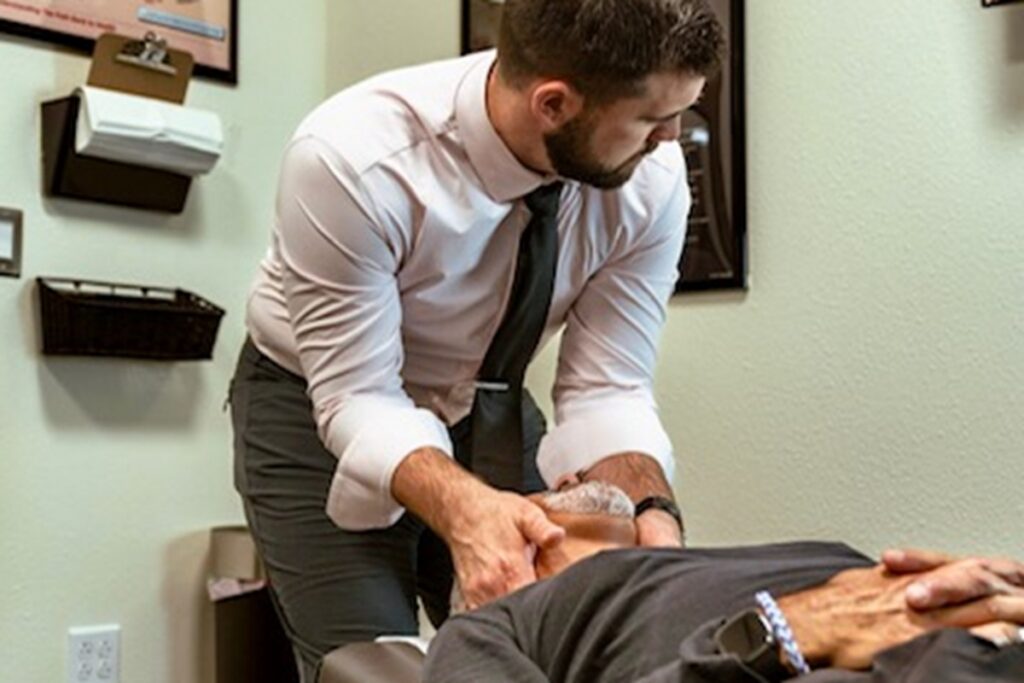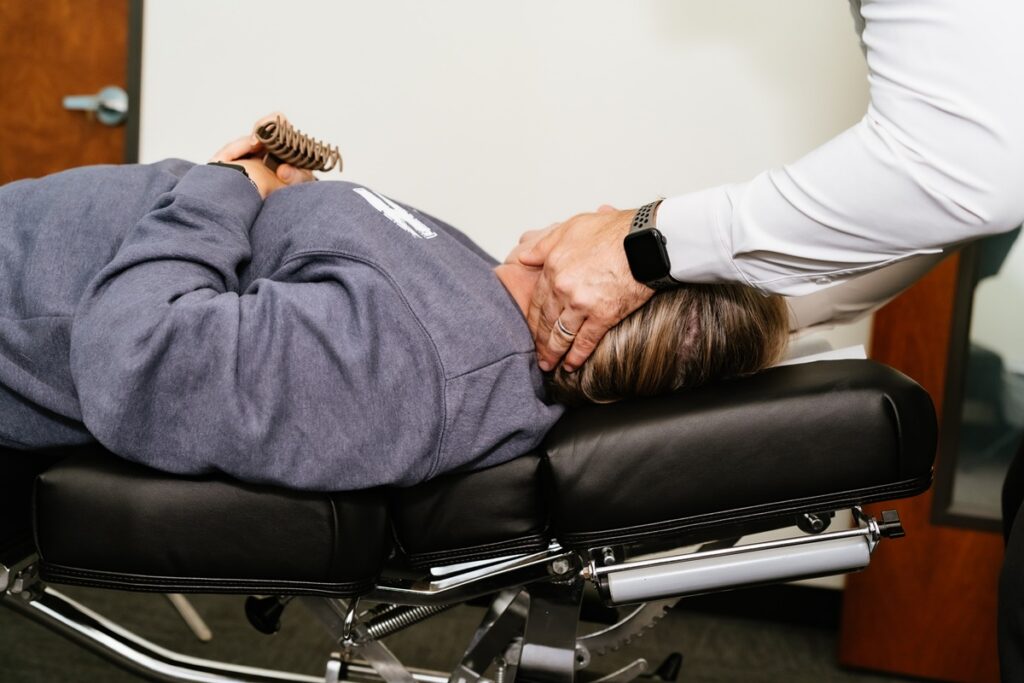

Low back pain can be a persistent challenge, but you don’t have to rely on medications or surgery to find relief. As a chiropractor, I believe that natural solutions are essential for supporting your body’s healing process. By focusing on chiropractic care, you can unlock your body’s potential to heal itself and achieve optimal health.
Incorporating simple stretches into your daily routine can be incredibly beneficial. Gentle movements, such as pelvic tilts and knee-to-chest stretches, help to improve flexibility and reduce tension in your back. Additionally, paying attention to your posture while sitting or standing is crucial. Make sure your workspace is ergonomically designed to support your spine, and take regular breaks to move around.
Nutrition also plays a vital role in overall wellness. Eating a balanced diet rich in anti-inflammatory foods—like fruits, vegetables, nuts, and fatty fish—can support your body’s recovery. Staying hydrated is equally important, as it helps maintain the elasticity of the spinal discs.
Chiropractic care is particularly effective for low back pain. Regular adjustments can help realign your spine, alleviate pressure on nerves, and promote better overall function. By addressing the root cause of your discomfort, chiropractic not only relieves pain but also enhances your overall well-being.
If you’re curious about which strategies might work best for you, I encourage you to reach out for a consultation. Together, we can explore personalized approaches that suit your lifestyle and help you on your journey to a healthier, pain-free life. Remember, your body is designed to heal itself—let’s work together to unlock that potential!
Key Takeaways
As a local chiropractor, I want to share some effective natural solutions for relieving low back pain while highlighting the incredible benefits of chiropractic care.
Chiropractic adjustments are a powerful way to restore balance to your spine, alleviate pain, and support your body’s natural healing processes—without the need for medications or invasive surgeries. By carefully aligning the spine, we can help your body function optimally, which can lead to significant relief from discomfort.
In addition to chiropractic care, incorporating gentle stretching and flexibility exercises into your routine can greatly enhance mobility and reduce tension in your lower back. Simple stretches can be done at home to keep your back flexible and to promote overall wellness.
Another important aspect of preventing low back pain is maintaining proper posture, both at home and at work. Setting up an ergonomic workspace can significantly reduce strain on your spine, helping you stay comfortable throughout your day.
Engaging in low-impact activities like walking or swimming is also beneficial. These exercises not only promote fitness but can also help you manage your weight, which is crucial for reducing stress on your lower back.
Lastly, mindfulness practices can be incredibly helpful. By becoming more aware of your body and its movements, you can identify pain triggers and reinforce good posture during your daily activities.
Remember, chiropractic care is a holistic approach to achieving optimal health, and it offers a natural, effective alternative for managing low back pain. If you’re experiencing discomfort, consider scheduling an appointment with a chiropractor to explore how adjustments and wellness strategies can help you live a healthier, pain-free life.
Understanding the Causes of Low Back Pain
Low back pain can arise from a variety of causes, and understanding these can help you find relief and promote overall wellness. One of the most common culprits is poor posture, particularly if you spend long hours sitting. Ensuring that your workspace is ergonomically designed can significantly alleviate strain on your back. Additionally, muscle strains or sprains are often caused by lifting heavy objects incorrectly. It’s important to use proper lifting techniques—bend your knees and keep your back straight—to avoid injury.
Another factor to consider is degenerative disc disease, where the discs that cushion your vertebrae wear down over time. This can lead to discomfort, but chiropractic care can help restore balance and reduce pain. If you’ve experienced a previous injury, it may also be contributing to your current discomfort. Conditions like arthritis or sciatica might cause inflammation or nerve compression, leading to persistent pain, but these too can often be managed effectively with chiropractic adjustments.
Lifestyle choices play a significant role in your back health as well. Being overweight or not engaging in regular physical activity can exacerbate pain. Incorporating gentle exercises, such as walking or stretching, can strengthen your back and improve your overall health.
It’s crucial to listen to your body and identify any patterns or triggers that lead to discomfort. By understanding the root causes of your low back pain, you can take proactive steps toward relief. Chiropractic care is a natural and effective way to address these issues, promoting healing and helping you achieve optimal health without the need for medications or invasive procedures.
The Importance of Stretching and Flexibility
Stretching and flexibility play a crucial role in preventing and alleviating low back pain, and as your local chiropractor, I want to emphasize how integrating effective stretching techniques into your daily routine can lead to significant improvements in your overall mobility and comfort.
Enhanced flexibility not only helps with pain relief but also promotes better posture and alignment, which are vital for maintaining a healthy spine. When your muscles are flexible, they support your spine effectively, reducing strain and potential injury.
Here are some simple tips you can incorporate into your routine to enhance your flexibility:
- Morning Stretch Routine: Start your day with gentle stretches to loosen up tight muscles. Focus on your lower back, hamstrings, and hip flexors.
- Regular Movement Breaks: If you sit for long periods, take short breaks every hour to stand up, stretch, and walk around. This can prevent stiffness and discomfort.
- Seek Chiropractic Care: Regular visits to your chiropractor can help address any misalignments in your spine that contribute to discomfort and limit flexibility. We can provide personalized stretching techniques tailored to your needs.
- Stay Hydrated: Drinking plenty of water is essential for muscle health. Hydrated muscles are more flexible and less prone to injury.
- Mindful Breathing: Incorporate deep breathing exercises as you stretch. This can help relax your muscles and improve your overall flexibility.
By focusing on these strategies, you can enhance your flexibility naturally, leading to improved spinal health and overall wellness.
Remember, chiropractic care is a safe and effective approach to achieve optimal health, allowing your body to heal and thrive without the need for medications or surgeries.
Prioritizing your spinal health through stretching and chiropractic adjustments can make a world of difference in your daily life!
Stretching Techniques Overview
When you incorporate stretching into your daily routine, you unlock a pathway to improved flexibility and reduced tension in your back, which is essential for maintaining a healthy spine. As a chiropractor, I believe that stretching techniques are vital in enhancing your range of motion and supporting overall spinal health.
Dynamic stretches, which you should perform before any physical activity, help warm up your muscles and prepare them for movement. This not only helps in preventing injuries but also sets a positive tone for your activity. On the other hand, static stretches, held for about 15-30 seconds after exercise, focus on lengthening the muscles and promoting relaxation.
By integrating both dynamic and static stretching into your routine, you can effectively alleviate discomfort and promote better posture. It’s crucial to listen to your body; if something doesn’t feel right, don’t push through the pain. Instead, focus on gentle movements that feel good for you.
Consistency is key—aim to stretch daily to experience lasting benefits. Simple stretches like reaching for your toes or gently twisting your torso can do wonders for your spine. Remember, investing time in stretching not only provides relief but also enhances your mobility, allowing you to tackle daily activities with greater ease.
Chiropractic care complements your stretching routine perfectly, as it addresses the underlying issues in your spine and muscles, promoting natural healing and optimal health. By prioritizing both chiropractic adjustments and regular stretching, you position yourself on the path to a healthier, pain-free life.
Benefits of Improved Flexibility
Improving flexibility is a vital aspect of maintaining a healthy lifestyle, and it can greatly enhance your daily activities. As a local chiropractor, I want to emphasize how enhanced flexibility not only helps reduce muscle tension but also plays a significant role in preventing injuries, particularly in the lower back. When you’re more flexible, everyday tasks like bending, lifting, and twisting become easier, allowing you to move with greater confidence and ease.
Let’s take a closer look at the benefits of improved flexibility:
| Benefit | Description |
|---|---|
| Reduced Pain | Eases discomfort, especially in the lower back |
| Increased Mobility | Improves your ability to perform daily tasks |
| Better Posture | Supports proper alignment and balance |
| Enhanced Performance | Increases your effectiveness in physical activities |
By incorporating stretching exercises into your routine, you can support your spinal health and overall well-being. Practicing gentle stretches can help maintain flexibility, which is essential for preventing injuries and promoting natural healing.
As you work towards improving your flexibility, consider these simple tips:
- Start Slow: Begin with gentle stretches and gradually increase the intensity as your body adapts.
- Consistency is Key: Make stretching a regular part of your day to see the best results.
- Listen to Your Body: Pay attention to how your body feels during stretches and adjust as needed to avoid strain.
- Combine with Chiropractic Care: Regular visits to your chiropractor can enhance your flexibility and support your overall health by ensuring your spine is properly aligned.
Yoga Poses for Low Back Pain Relief
As a local chiropractor, I understand the challenges that come with low back pain. While yoga can certainly be beneficial, my primary focus is on how chiropractic care provides the most effective relief and promotes overall wellness. Chiropractic adjustments can help align your spine, reduce tension, and improve mobility, which are essential for long-term relief from discomfort.
That said, gentle stretching and strengthening exercises can complement chiropractic care and enhance your recovery. Incorporating specific yoga poses can improve flexibility and support your spine, but always remember that these should be practiced in conjunction with regular chiropractic visits for optimal results.
Here are some helpful tips to incorporate into your routine for managing low back pain:
- Prioritize Chiropractic Care: Regular adjustments can help alleviate pain and improve your spinal health. Consider visiting your chiropractor to discuss personalized treatment options.
- Gentle Stretching: If you’re interested in yoga, focus on gentle stretches that promote flexibility without straining your back. Poses like Child’s Pose or Cat-Cow can be beneficial, but listen to your body and avoid any movements that increase your pain.
- Strengthen Your Core: A strong core supports your spine. Simple exercises, such as pelvic tilts or bridging, can help strengthen your abdominal muscles without putting undue stress on your back.
- Maintain Good Posture: Whether sitting or standing, be mindful of your posture. Proper alignment reduces strain on your back and can prevent pain from worsening.
- Stay Active: Engage in low-impact activities like walking or swimming, which can help maintain your overall health while being gentle on your back.
Remember, the best path to pain relief and wellness is through chiropractic care, which addresses the root causes of your discomfort and helps restore your body’s natural balance. Always consult with your chiropractor before starting any new exercise program, including yoga, to ensure it’s the right fit for your situation.
Your health and well-being are worth it!
Gentle Stretches for Relief
Incorporating gentle stretches into your daily routine can significantly alleviate low back pain and promote overall wellness.
Simple yoga poses such as Child’s Pose and Cat-Cow are excellent ways to release tension in your lower back and enhance your spinal health. When you settle into Child’s Pose, focus on your deep breathing; this practice not only relaxes your body but also calms your mind, creating a holistic approach to pain relief. In the Cat-Cow pose, the gentle movement of arching and rounding your back helps improve flexibility and circulation, vital for a healthy spine.
Another effective stretch is the Seated Forward Bend. This stretch gently lengthens your spine and hamstrings, contributing to overall mobility. Remember to hold each stretch for at least 30 seconds; this allows your muscles to fully relax and recover. As you incorporate these stretches into your routine, you may notice increased mobility and reduced discomfort. Always listen to your body and stretch within your comfort zone.
Embracing these gentle movements can provide lasting relief and enhance your quality of life. However, for more personalized care and to address any underlying issues, consider visiting a chiropractor. Chiropractic care focuses on natural healing and optimal spinal alignment, which can be the key to achieving your health and wellness goals. Prioritizing chiropractic adjustments not only helps manage pain but also supports your body’s innate ability to heal itself, setting you on the path to a healthier, pain-free life.
Strengthening Core Muscles
Building core strength is vital for alleviating low back pain, as a strong core provides essential support to your spine and enhances overall stability. One effective way to strengthen these muscles is by incorporating yoga poses into your routine, which can complement your chiropractic care.
Begin with the Cat-Cow pose. This gentle movement warms up your spine and engages your core, making it a perfect start to your practice. Following that, try the Plank pose; aim to hold it for 20-30 seconds. This pose challenges your stability and significantly strengthens your abdominal muscles, which are crucial for maintaining a healthy back.
Next, include the Bridge pose in your routine. This position not only activates your glutes and lower back but also promotes proper alignment. It’s a fantastic way to ensure your body is working harmoniously, supporting your spine effectively.
After your practice, don’t forget the Child’s pose. This gentle stretch helps relax your muscles and provides a soothing end to your session.
To maximize the benefits, try to practice these poses regularly. By doing so, you’ll not only build a stronger core but also reduce discomfort and improve your overall posture. Remember, a well-aligned spine is key to managing and preventing low back pain.
As you embark on this journey to wellness, consider incorporating chiropractic care into your routine. Chiropractors can provide personalized adjustments and guidance to help you achieve optimal health naturally, without relying on medications or surgeries. Together, chiropractic care and your commitment to strengthening your core can lead to a healthier, pain-free life.
The Role of Strengthening Exercises
Strengthening exercises are essential in relieving low back pain by providing much-needed support and stability to your spine. By incorporating these exercises into your routine, you can enhance the muscles around your spine, which helps distribute weight more evenly and reduces strain. This not only improves your posture but can also lead to a significant decrease in pain over time.
Here’s a simple overview of some effective strengthening exercises that can help you on your path to better back health:
| Exercise | Benefits |
|---|---|
| Planks | Engages your core and stabilizes your spine, which is crucial for overall back health. |
| Bridges | Strengthens your glutes and lower back, helping to support your spine and maintain proper alignment. |
| Bird-Dog | Improves balance and core stability, which can reduce the risk of injury and enhance your everyday movements. |
Incorporating these exercises into your daily routine can empower you to take charge of your back health. Start slowly, focus on maintaining proper form, and gradually increase the intensity as you progress. Not only will you likely notice a positive difference in your low back pain, but you’ll also build overall strength that supports your body in the long run.
Herbal Remedies for Pain Management
When it comes to managing low back pain, many individuals seek natural solutions that can provide relief while promoting overall well-being.
As a local chiropractor, I believe that chiropractic care is one of the best choices for achieving optimal health and managing pain, including low back discomfort. However, there are also herbal remedies that can complement your wellness routine. Here are some popular options to consider:
- Turmeric: This vibrant spice is known for its powerful anti-inflammatory properties, which can help ease pain and swelling. Incorporating turmeric into your meals or as a supplement may support your body’s healing process.
- Devil’s Claw: This herb has been recognized for its potential to relieve chronic pain by relaxing muscle spasms. While it’s not a substitute for chiropractic adjustments, it can be a helpful addition to your pain management toolkit.
- Ginger: Not only does ginger add flavor to your dishes, but it also has warming effects that can enhance circulation and alleviate stiffness. Consider making ginger tea or adding fresh ginger to your meals.
- Willow Bark: Often referred to as nature’s aspirin, willow bark may help reduce pain and inflammation. It’s important to note that while it can provide relief, it should be used in conjunction with chiropractic care for the best results.
- Capsaicin: Found in chili peppers, capsaicin can create a warming sensation that may distract from pain. Including spicy foods in your diet might offer some temporary relief.
Incorporating these herbal remedies into your wellness routine can enhance your comfort and support your healing journey.
Remember, chiropractic care is an excellent way to address the underlying causes of low back pain, ensuring your spine is aligned and functioning optimally.
Regular adjustments can help improve mobility, reduce discomfort, and promote a healthier lifestyle.
In addition to exploring herbal options, here are some general tips for managing low back pain:
- Stay Active: Gentle exercises and stretches can help maintain flexibility and strength in your back. Activities like walking, swimming, or yoga can be beneficial.
- Practice Good Posture: Pay attention to your posture, especially while sitting or lifting. Proper alignment can prevent unnecessary strain on your back.
- Listen to Your Body: If an activity causes pain, it’s important to stop and rest. Your body knows its limits, so honor them.
- Stay Hydrated: Drinking plenty of water supports overall health and can help keep your spine hydrated and healthy.
Remember, while herbal remedies can provide some relief, chiropractic care is the cornerstone of a natural approach to managing low back pain and achieving optimal health.
If you’re struggling with discomfort, I encourage you to schedule a consultation to explore how chiropractic adjustments can help you feel your best.
Dietary Changes to Support Back Health
Nutrition plays a crucial role in maintaining a healthy back and can enhance your efforts in managing low back pain. As a chiropractor, I want to emphasize the importance of a balanced diet that includes plenty of anti-inflammatory foods to support your spine.
Focus on incorporating a variety of fruits and vegetables into your meals, especially leafy greens, berries, and citrus fruits. These colorful foods are packed with essential vitamins and antioxidants that can help reduce inflammation and promote overall health.
Don’t overlook the importance of healthy fats! Omega-3 fatty acids, which are found in foods like fish, walnuts, and flaxseeds, are excellent for supporting joint health.
Instead of refined grains, opt for whole grains, as they’re richer in fiber and nutrients that contribute to your well-being.
Staying hydrated is also key. Drinking enough water helps maintain the health of your spinal discs and can reduce stiffness.
Lastly, try to limit your intake of sugar and processed foods, as these can lead to inflammation and discomfort.
By making these dietary changes, you’re not only supporting your back health but also enhancing your overall quality of life. Embracing these habits, alongside regular chiropractic care, can lead to lasting relief and a healthier lifestyle.
The Benefits of Proper Posture
Proper posture isn’t just about looking good; it’s essential for your overall health and well-being. As a chiropractor, I want to emphasize how maintaining good posture supports your spine and can significantly reduce the risk of low back pain.
When you sit or stand tall, you’re allowing your body to function optimally. Good posture helps distribute your body weight evenly, which means less stress on your muscles and joints, leading to fewer aches and pains.
Here are some emotional benefits of maintaining proper posture that I often share with my patients:
- Increased Energy: Adopting proper posture can help you feel more energized and less fatigued throughout your day. When your spine is aligned, your body works more efficiently.
- Build Confidence: Standing tall can improve your confidence in social situations. You’ll project a more assured presence, which can positively impact your interactions.
- Reduce Anxiety: Many people don’t realize that physical discomfort can contribute to feelings of anxiety. Good posture can help alleviate this discomfort, leading to a more relaxed state of mind.
- Enhanced Focus and Productivity: When your body is in alignment, it’s easier to focus on tasks—whether at work or home. You’ll find that you can concentrate better and be more productive.
- Encouragement of a Healthier Lifestyle: Good posture naturally encourages you to engage in physical activity. When you feel good, you’re more likely to move and stay active.
To maintain proper posture, here are some simple tips:
- Be Mindful: Regularly check in with your body. Are you slouching? Adjust your posture consciously throughout the day.
- Ergonomic Setup: If you’re working at a desk, ensure that your chair and computer screen are at the right height to support your spine.
- Strengthen Your Core: Strong core muscles help support your spine. Simple exercises like planks can make a big difference.
- Stretch Regularly: Incorporate stretching into your routine to keep your muscles flexible and reduce tension.
- Chiropractic Care: Regular visits to a chiropractor can help maintain spinal alignment, relieve pain, and improve your posture.
Mindfulness and Relaxation Techniques
While physical discomfort can often cloud your mind, embracing mindfulness and relaxation techniques can significantly enhance your overall well-being and support your chiropractic care journey. These practices not only help you connect with your body but also empower you to manage low back pain more effectively.
Here are some techniques you might consider integrating into your daily routine alongside your chiropractic care:
| Technique | Description | Benefits |
|---|---|---|
| Deep Breathing | Focus on slow, deep breaths | Reduces tension and anxiety, promoting relaxation and allowing your body to heal. |
| Progressive Relaxation | Tense and relax muscle groups | Enhances body awareness and helps you identify areas of tension that may benefit from chiropractic adjustments. |
| Guided Imagery | Visualize calming scenes | Promotes relaxation and can help create a positive mindset, which is essential for healing. |
| Mindful Meditation | Focus on the present moment | Improves emotional regulation and fosters a deeper connection between your mind and body, supporting your overall health. |
| Yoga | Gentle stretches and poses | Increases flexibility and strength, complementing the adjustments made during your chiropractic sessions. |
Incorporating these techniques into your wellness routine can complement the benefits of chiropractic care, helping you achieve a healthier, pain-free life naturally. Remember, the journey to optimal health begins with small, consistent steps. Embrace these practices to enhance your well-being and support your body’s natural healing process.
Conclusion
Incorporating natural solutions for relieving low back pain can significantly boost your overall well-being, and chiropractic care is key in this journey. As a local chiropractor, I want to emphasize that understanding the underlying causes of your back pain is the first step toward effective relief. Regular chiropractic adjustments can help realign your spine, reduce tension, and improve your body’s function.
In addition to chiropractic care, committing to regular stretching and strengthening exercises can further support your back health. Simple moves, such as gentle stretches or core-strengthening activities, can make a big difference. Don’t forget to focus on your posture throughout the day—whether sitting at a desk or lifting objects, maintaining proper alignment can prevent strain on your back.
Embracing natural dietary changes can also aid in promoting overall wellness. Eating anti-inflammatory foods, staying hydrated, and ensuring you get the right nutrients can play a vital role in your healing process.
Mindfulness practices, such as yoga or meditation, can complement your chiropractic care by helping you manage stress and enhance your body awareness. With consistency and commitment to these natural solutions, you can find relief from low back pain and improve your quality of life.
Take the first step today by scheduling a chiropractic visit. Together, we can create a tailored plan that works for you and supports a healthier, pain-free back!