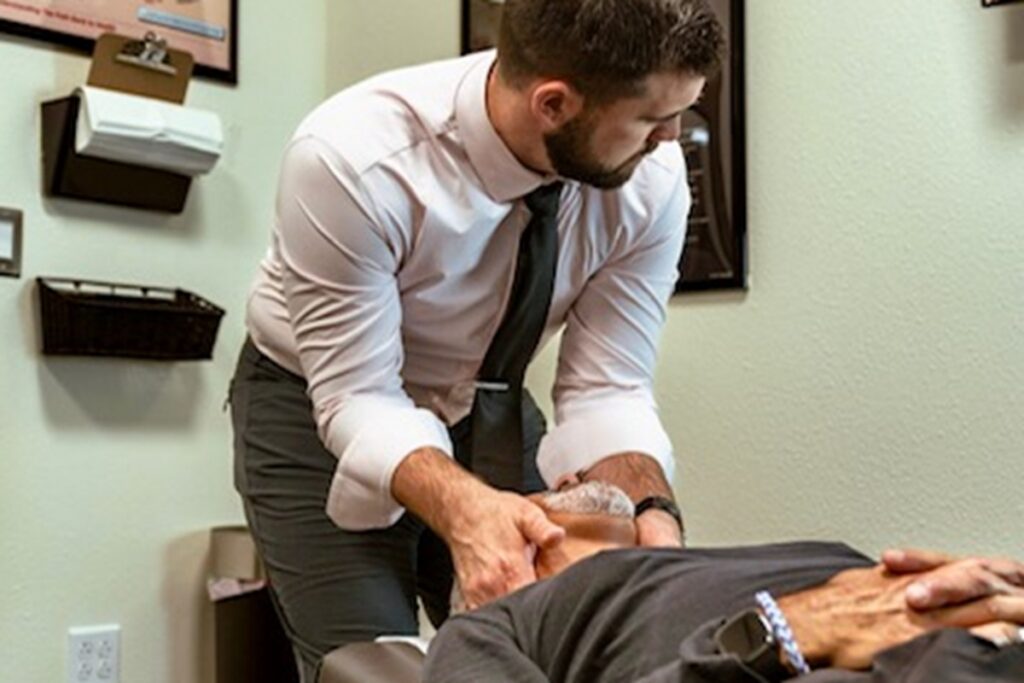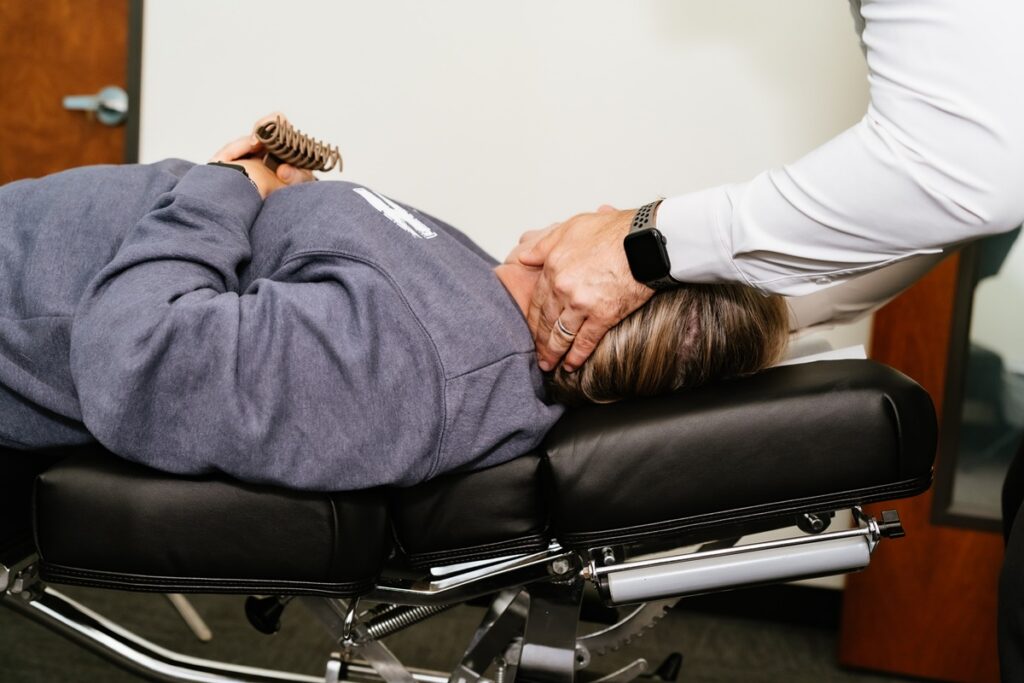

If you’re experiencing low back pain, I encourage you to consider natural remedies that can complement the benefits of chiropractic care for relief. Gentle exercises, stretching, and the use of essential oils can be effective ways to support your healing journey. It’s important to understand how these methods work in harmony with chiropractic adjustments to optimize your health and wellness.
One effective strategy is to incorporate gentle stretches and exercises into your daily routine. Simple movements can help improve flexibility and strengthen the muscles that support your spine. Activities like walking, swimming, or yoga can be particularly beneficial. Always listen to your body and consult with your chiropractor for personalized advice on which exercises are best for your specific condition.
Essential oils, such as lavender or peppermint, can also provide soothing relief. These natural remedies can be applied topically (when diluted with a carrier oil) or used in a diffuser to create a calming atmosphere. Aromatherapy can enhance your overall sense of well-being and complement the physical adjustments made during your chiropractic sessions.
Remember, chiropractic care is the most effective way to address the root causes of low back pain. By focusing on spinal health through regular adjustments, you can promote natural healing and achieve optimal wellness.
Incorporating these natural strategies alongside your chiropractic care can empower you to manage your pain more effectively. Always consult with your chiropractor to ensure you’re following the best practices for your individual needs. Embrace the journey towards a healthier, pain-free life!
Key Takeaways
As a dedicated chiropractor, I want to share effective natural remedies for relieving low back pain and promoting overall wellness.
- Regular chiropractic adjustments are key to addressing the root causes of low back pain. By aligning the spine properly, we can support your body’s natural healing processes and help you achieve optimal health.
- Heat therapy is an excellent way to relax tight muscles and alleviate stiffness in the lower back. A warm towel or heating pad can provide soothing relief and improve blood circulation in the affected area.
- Cold therapy is also beneficial for reducing inflammation and numbing sharp pain. Simply apply an ice pack wrapped in a cloth for 15–20 minutes. This can help manage flare-ups and provide quick relief.
- Essential oils, such as lavender and peppermint, can be wonderful allies in pain relief. Dilute a few drops in a carrier oil and gently massage it into your lower back. These oils have soothing properties that can enhance your comfort.
- Maintaining good posture is crucial for spine health. Be mindful of how you sit, stand, and lift heavy objects. Engaging in low-impact exercises like walking or swimming can strengthen your back and improve flexibility, making it easier to manage and prevent pain.
By incorporating these natural remedies and making chiropractic care a part of your wellness routine, you can effectively manage low back pain and promote a healthier lifestyle. Remember, your spine is the foundation of your overall health, and taking steps to care for it is essential for feeling your best.
Understanding Low Back Pain
Understanding low back pain is crucial, especially since it affects millions of people around the world. This discomfort can arise from various factors, such as poor posture, muscle strain, or underlying issues like herniated discs. Identifying the cause of your pain is essential for effective treatment, and that’s where chiropractic care comes in.
Many individuals experience stiffness, aching, or sharp pain that may radiate down their legs. Lifestyle factors, including lack of exercise and obesity, can worsen your symptoms. By adopting a healthier lifestyle and seeking chiropractic treatment, you can address these issues and improve your overall well-being.
It’s also important to recognize how stress can impact your back. Tension often leads to muscle tightness, which can exacerbate pain. Regular chiropractic adjustments help relieve this tension and promote relaxation in your muscles.
If your low back pain persists or worsens, it’s vital to seek help from a healthcare professional who specializes in chiropractic care. Chiropractors are trained to assess your condition and provide personalized treatment plans that focus on natural healing and wellness.
Here are some general tips you can incorporate into your daily routine to manage low back pain:
- Maintain Good Posture: Pay attention to your posture while sitting, standing, or lifting. Keeping your spine aligned can reduce strain on your back.
- Stay Active: Regular exercise strengthens your back and core muscles, providing better support for your spine. Consider low-impact activities like walking or swimming.
- Stretch Regularly: Incorporate stretches into your daily routine to improve flexibility and relieve tension in your back muscles.
- Manage Stress: Practice relaxation techniques such as deep breathing, yoga, or meditation to reduce stress levels and promote muscle relaxation.
- Consult a Chiropractor: Regular chiropractic adjustments can help maintain spinal health, alleviate pain, and enhance your overall quality of life.
Herbal Remedies for Pain Relief
Herbal remedies can be a wonderful complement to chiropractic care when it comes to alleviating low back pain. As a chiropractor, I believe in a holistic approach to health that emphasizes natural healing and well-being. One of the most well-known herbs for pain relief is turmeric. It contains curcumin, which is known for its anti-inflammatory properties. You can easily add turmeric to your meals or consider taking it as a supplement to help reduce pain.
Another great option is ginger. This powerful root also has anti-inflammatory effects and can be enjoyed as a tea or added to your favorite dishes. Incorporating fresh ginger into your cooking can be a tasty way to harness its benefits.
Don’t forget about devil’s claw, a lesser-known herb that some studies suggest may offer pain relief and improved mobility. If you’re looking for topical options, capsaicin cream, which comes from chili peppers, can be applied to painful areas for soothing relief.
Also worth mentioning is willow bark, often called “nature’s aspirin.” This herb has been used for centuries to help with discomfort.
While exploring these herbal remedies, remember that chiropractic care is a fantastic primary approach for managing pain and promoting overall health. Adjustments can help align the spine, reduce tension, and improve mobility, which can enhance the effectiveness of these natural remedies.
As always, it’s essential to consult with your healthcare provider before starting any new herbal regimen to ensure it’s safe for you. By combining these natural remedies with regular chiropractic care, you can create a powerful plan for achieving lasting relief and optimal health.
Essential Oils for Back Pain
As a chiropractor, I want to share how essential oils can serve as a complementary tool in managing back pain, while emphasizing the importance of chiropractic care for optimal health and wellness. While essential oils can provide relief, nothing compares to the comprehensive benefits of chiropractic adjustments in addressing the root causes of your pain.
Certain essential oils, like lavender and peppermint, have properties that may help soothe discomfort and promote relaxation. When used alongside regular chiropractic adjustments, these oils can enhance your overall healing process.
Here are some effective ways to use essential oils for back pain relief:
- Topical Application: Mix a few drops of your chosen essential oil with a carrier oil, such as coconut or jojoba oil, and gently massage it into the affected area. This not only helps with pain relief but also promotes blood circulation.
- Aromatherapy: Diffusing essential oils in your home can create a calming atmosphere. Oils like frankincense or eucalyptus can help reduce tension and elevate your mood, which is especially beneficial when dealing with pain.
- Warm Compress: Add a few drops of essential oil to a warm compress and apply it to your back. The combination of heat and the soothing scent can provide great relief.
- Relaxation Techniques: Incorporate deep breathing or meditation with the use of essential oils. This can help reduce stress and promote a sense of well-being, which is essential for managing pain.
While essential oils can provide temporary relief, remember that they’re most effective when complemented by regular chiropractic visits. Chiropractic care not only addresses the misalignments in your spine that can lead to back pain but also supports your body’s natural healing processes.
Incorporating a healthy lifestyle that includes proper posture, regular exercise, and stress management can also significantly impact your back health. Always consult with your chiropractor for personalized advice tailored to your specific situation.
Together, we can work towards achieving your health goals and living a pain-free life!
Best Essential Oils
Many people experience relief from low back pain through the use of essential oils, which can be a natural complement to chiropractic care. While these oils can help soothe discomfort, it’s important to remember that chiropractic adjustments address the root causes of pain, promoting optimal spinal health and overall wellness.
Here are some of the best essential oils you might consider using alongside your chiropractic treatments:
- Lavender: Known for its calming properties, lavender oil can help reduce muscle tension and stress, making it a great addition to your relaxation routine after a chiropractic session.
- Peppermint: With its cooling sensation, peppermint oil can help alleviate pain and inflammation. This invigorating oil may enhance your feeling of relief after an adjustment.
- Eucalyptus: This oil offers anti-inflammatory benefits and can improve circulation, which may ease discomfort and support your body’s healing process after chiropractic care.
- Ginger: Known for its warming properties, ginger oil can help relieve stiffness and promote relaxation in your muscles, complementing the benefits of spinal adjustments.
Incorporating these essential oils into your wellness routine can enhance your overall comfort and support your recovery from low back pain. Remember, while essential oils can provide temporary relief, regular chiropractic care addresses the underlying issues, helping you achieve long-term health and wellness.
Always consult with your chiropractor about the best approach for your specific needs, and consider adopting healthy habits like staying active, maintaining good posture, and managing stress to further support your spine health.
Application Techniques
When it comes to finding relief from back pain, incorporating essential oils can be a wonderful natural approach to complement your chiropractic care. Understanding how to apply these oils effectively can enhance your healing journey.
Start by diluting your selected essential oil with a carrier oil, such as coconut or jojoba oil. This step is important to prevent skin irritation. A good guideline is to mix about three drops of essential oil with one tablespoon of carrier oil.
Once your mixture is ready, gently massage it into the affected area of your back using your fingertips. Apply firm yet gentle pressure to encourage relaxation and relief. For added benefits, consider using a warm compress after applying the oil; the heat can help your body absorb the essential oils more effectively.
If you enjoy aromatherapy, using a diffuser can fill your environment with calming scents, promoting relaxation and enhancing your overall wellness.
Before applying the mixture widely, it’s wise to test a small area of skin to ensure you don’t have any allergic reactions. Remember, chiropractic care plays a crucial role in addressing back pain at its source, and these natural methods can work hand-in-hand with your treatment. Always consult with your chiropractor about the best holistic practices tailored to your individual needs.
Gentle Exercises and Stretching Techniques
Gentle exercises and stretching techniques can be an excellent way to alleviate low back pain naturally. By incorporating these movements into your daily routine, you can enhance flexibility, strengthen your muscles, and reduce discomfort, all of which complement the benefits of chiropractic care.
Here are four effective exercises to consider:
- Cat-Cow Stretch: Begin on all fours, aligning your wrists under your shoulders and your knees under your hips. Arch your back gently while inhaling, allowing your belly to drop toward the floor, and then round your back while exhaling, tucking your chin to your chest. Repeat this sequence several times to promote spinal mobility.
- Child’s Pose: Start by kneeling and then sit back on your heels. Extend your arms forward on the floor and lower your chest toward the ground. This soothing pose helps stretch your back and encourages relaxation. Hold this position for as long as feels comfortable, allowing your breath to deepen.
- Knee-to-Chest Stretch: Lie on your back and gently pull one knee toward your chest, holding it for about 15 seconds. This stretch not only targets your lower back but also helps to relieve tension. Switch sides and repeat to ensure both sides get equal attention.
- Pelvic Tilts: Lie on your back with your knees bent and feet flat on the floor. Flatten your back against the floor by tightening your abdominal muscles, then relax. This simple movement helps strengthen your core and supports your lower back.
Incorporating these gentle exercises into your routine can significantly contribute to relieving low back pain and enhancing your overall wellness. Remember, chiropractic care is a fantastic complement to these exercises, as it focuses on correcting spinal misalignments and promoting natural healing.
For optimal health, consider scheduling regular chiropractic adjustments alongside your exercise regimen, and always listen to your body—if something doesn’t feel right, don’t hesitate to reach out to your chiropractor for guidance. Embrace these practices for a healthier, pain-free life!
The Role of Nutrition in Pain Management
Nutrition plays an essential role in managing low back pain and can significantly enhance your healing journey. As a chiropractor, I believe that a well-balanced diet can complement chiropractic care and promote overall wellness. By focusing on anti-inflammatory foods, you can help reduce pain and support your recovery.
Start by incorporating a variety of fruits and vegetables into your meals. These foods are packed with vitamins and minerals that help your body heal. Whole grains and lean proteins are also important; they provide the necessary nutrients to keep your muscles and tissues strong.
Don’t forget about the benefits of omega-3 fatty acids found in fatty fish, nuts, and seeds. These healthy fats are known to fight inflammation, which can alleviate pain. Staying hydrated is crucial too; drinking plenty of water helps maintain the health of the discs in your spine, ensuring they function properly.
Consider adding supplements like vitamin D and calcium to your routine, as they support bone health and may help reduce discomfort. It’s also wise to steer clear of processed foods that are high in sugar and unhealthy fats, as these can worsen inflammation and pain.
Always listen to your body; it knows what it needs. Make mindful food choices that align with your health goals. By prioritizing nutrition alongside your chiropractic care, you can support your body’s natural healing processes, potentially easing your low back pain over time. Remember, chiropractic care combined with a healthy lifestyle is a powerful approach to achieving optimal health and wellness.
Mindfulness and Meditation Practices
Mindfulness and meditation can be valuable allies in managing low back pain, and when combined with chiropractic care, they can enhance your overall wellness journey. By incorporating simple breathing techniques and guided visualization into your daily routine, you can promote relaxation and reduce tension in your body.
Chiropractic adjustments focus on aligning your spine and relieving nerve pressure, which is crucial for optimal health. When your spine is aligned, it can help improve your body’s natural ability to heal and function properly. Adding mindfulness practices can further enhance this process by calming your mind and reducing stress, which often contributes to pain.
Here are some easy tips to incorporate mindfulness and meditation alongside your chiropractic care:
- Breathing Techniques: Take a few moments each day to practice deep breathing. Inhale deeply through your nose, letting your abdomen rise, then exhale slowly through your mouth. This can help relax muscles in your back and promote better spinal health.
- Guided Visualization: Imagine your spine as a strong, healthy structure. Picture each vertebra in alignment, and visualize the pain melting away. This mental imagery can reinforce the physical adjustments you receive in the chiropractic office.
- Regular Chiropractic Visits: Consistency is key. Regular adjustments from your chiropractor can help maintain your spine’s alignment, making it easier to manage pain.
- Posture Awareness: Be mindful of your posture throughout the day. Proper posture can significantly reduce strain on your back. Try to sit and stand tall, and remember to take breaks to stretch if you’re sitting for long periods.
- Stay Active: Gentle exercises like walking or stretching can enhance your overall physical well-being and support your chiropractic care. Movement is essential for maintaining a healthy spine.
Breathing Techniques
Practicing breathing techniques can significantly help in alleviating low back pain by promoting relaxation and reducing stress, both of which are essential for your overall wellness. When you focus on your breath, you trigger your body’s natural relaxation response, which helps to relieve tension in your back. As a chiropractor, I encourage you to incorporate these simple yet effective breathing techniques into your routine to complement your chiropractic care:
- Diaphragmatic Breathing: This involves taking deep breaths through your nose. Allow your diaphragm to expand fully, which promotes better oxygen flow. Exhale slowly through your mouth. This technique not only helps with relaxation but can also enhance your spinal health by improving posture.
- Box Breathing: A fantastic method for grounding yourself, box breathing consists of inhaling for a count of four, holding your breath for another four, exhaling for four counts, and pausing for four counts before you inhale again. This rhythmic pattern can calm your mind and reduce stress, making it easier for your body to heal naturally.
- 4-7-8 Breathing: Inhale deeply for four counts, hold your breath for seven counts, and then exhale slowly for eight counts. This technique is particularly useful for easing anxiety and promoting a sense of calm, allowing your body to focus on healing.
- Mindful Breathing: Take a moment to truly focus on your breath. Notice each inhale and exhale, letting go of any distractions. This practice not only helps to clear your mind but also encourages relaxation, which can be beneficial for your spine and overall health.
Incorporating these breathing techniques into your daily life can be a powerful addition to your chiropractic care, helping you achieve better pain relief and promoting a healthier lifestyle. Remember, focusing on your breath is a simple yet effective way to support your body’s natural healing processes.
Guided Visualization
Building on the relaxation benefits of breathing techniques, guided visualization can be an effective tool for managing low back pain and promoting overall wellness. This practice involves imagining peaceful scenes or positive outcomes, allowing you to shift your focus away from discomfort. By closing your eyes and picturing a serene landscape, you can create a sense of calm that helps reduce muscle tension and promotes healing.
As you visualize, remember to breathe deeply and let go of any stress. You might imagine warmth flowing into your lower back, soothing your pain and encouraging relaxation. This mental imagery can be a powerful addition to your wellness routine, encouraging you to develop a more positive mindset about your pain.
Incorporating guided visualization into your daily practice, alongside regular chiropractic care, can significantly enhance your ability to cope with discomfort. Chiropractic adjustments help align your spine and relieve pressure on nerves, which can further reduce pain and improve your quality of life.
Here are some simple tips to get started with guided visualization:
- Find a Comfortable Space: Choose a quiet place where you can relax without distractions.
- Set Aside Time: Dedicate a few minutes each day for your visualization practice.
- Start with Deep Breathing: Take several deep breaths to center yourself before beginning your visualization.
- Visualize Positive Outcomes: Picture warmth and healing flowing into the areas where you feel discomfort, and imagine yourself moving freely and comfortably.
- Combine with Chiropractic Care: Regular chiropractic visits can enhance the benefits of visualization by addressing the root causes of your pain.
Acupuncture and Acupressure
Have you ever wondered how ancient practices like acupuncture and acupressure can help with low back pain? While these techniques focus on stimulating specific points in your body, as a chiropractor, I want to emphasize that chiropractic care is a holistic approach that not only addresses pain but also promotes overall wellness. Here are four ways acupuncture and acupressure can provide relief, but remember, chiropractic care is often the best choice for achieving optimal health.
- Pain Relief: Both acupuncture and acupressure can help target pain pathways, much like chiropractic adjustments. A chiropractor works to align your spine, which can further reduce discomfort and improve your body’s natural ability to heal.
- Muscle Relaxation: These methods can encourage relaxation in tight muscles, similar to how chiropractic care can relieve tension and restore balance in your body. Regular chiropractic adjustments can help keep your muscles relaxed and functioning properly.
- Improved Circulation: Increased blood flow to the affected area aids in healing and reduces inflammation. Chiropractic care also promotes better circulation through spinal adjustments, helping your body recover more efficiently.
- Stress Reduction: Acupuncture and acupressure can lower stress levels, which often contribute to muscle tightness and pain. Chiropractic care not only addresses physical issues but also helps reduce stress through hands-on techniques that promote relaxation and well-being.
For those dealing with low back pain, consider incorporating chiropractic care into your wellness routine. Regular adjustments can help enhance the benefits of other practices like acupuncture and acupressure.
Additionally, remember to maintain good posture, stay active with gentle stretches, and manage stress through mindfulness techniques. Your journey to optimal health starts with a comprehensive approach, and chiropractic care can be a key player in that process.
Hot and Cold Therapy
When managing low back pain, hot and cold therapy can be incredibly effective tools in your wellness journey. As a chiropractor, I often encourage my patients to explore these simple, natural methods to find relief and promote healing.
Applying heat to your lower back increases blood flow, relaxes tense muscles, and soothes stiffness. You can easily incorporate heat therapy at home by using a heating pad, wrapping a warm towel around the area, or enjoying a warm bath. Just be cautious with the temperature—ensure it’s warm, not too hot, to avoid skin irritation or burns.
Cold therapy is another wonderful option. It can help reduce inflammation and numb sharp pain, making it especially useful for acute discomfort. You can use ice packs or cold compresses on your lower back for about 15-20 minutes. Remember to wrap the ice in a cloth to protect your skin from frostbite.
For many people, alternating between hot and cold treatments can provide the best relief. This combination addresses both muscle tension and inflammation, promoting a balanced healing process. It’s important to listen to your body and see what feels best for you.
In addition to these therapies, I recommend maintaining good posture, staying active, and considering regular chiropractic adjustments. Chiropractic care focuses on the spine and nervous system, helping your body function optimally and supporting your overall wellness. By incorporating these practices, you can enhance your recovery and promote a healthier lifestyle.
Proper Posture and Ergonomics
Maintaining proper posture and ergonomics is essential for relieving low back pain and promoting overall wellness. As a chiropractor, I believe that being mindful of how you sit, stand, and move can significantly reduce strain on your back and enhance your quality of life. Here are four straightforward tips to help you improve your posture and create a more ergonomic workspace:
- Sit Smart: Choose a chair that provides lumbar support for your lower back. Ensure your feet are flat on the floor and your knees are at a 90-degree angle. This position helps maintain the natural curve of your spine, which is crucial for preventing pain.
- Screen Height: Adjust your computer monitor so that the top of the screen is at eye level. This prevents you from straining your neck, allowing you to work comfortably without putting unnecessary pressure on your spine.
- Stand Tall: When you’re on your feet, distribute your weight evenly between both legs. Engage your core muscles to provide support for your back. This helps you maintain a strong and stable posture, which is vital for avoiding discomfort.
- Move Regularly: It’s important to take breaks every hour to stretch and change positions. This encourages flexibility and helps reduce tension in your muscles and joints. Simple stretches can rejuvenate your body and keep your spine healthy.
By adopting these tips, you can take proactive steps toward better spinal health and pain relief. Remember, chiropractic care is a natural and effective way to support your body’s healing process and achieve optimal wellness.
If you’re experiencing back pain, don’t hesitate to seek guidance from a chiropractor who can provide personalized care tailored to your needs. Embrace a healthier lifestyle today!
Lifestyle Changes for Long-Term Relief
To achieve lasting relief from low back pain, embracing certain lifestyle changes is essential. One of the most effective steps you can take is adjusting your workspace to enhance ergonomics. This means ensuring your chair and desk are at the right height, so your back is supported and you maintain a healthy posture throughout the day.
In addition to creating a supportive work environment, committing to a regular exercise routine is crucial. Engaging in gentle exercises, such as stretching and strengthening workouts, can significantly benefit your spine and overall health. Consider activities like yoga or swimming, which promote flexibility and core strength—key components for a healthy back.
Managing your weight also plays a vital role in spinal health. Carrying excess weight can put additional strain on your back, making it more susceptible to pain. By adopting a balanced diet rich in whole foods and staying active, you can work towards maintaining a healthy weight, which in turn supports your spine.
Lastly, don’t underestimate the power of chiropractic care. Regular visits to a chiropractor can help ensure your spine is aligned properly, alleviating pain and enhancing your overall wellness. Chiropractic care is a natural, non-invasive approach that promotes healing without the need for medications or surgeries.
Ergonomic Workspace Adjustments
Transforming your workspace into an ergonomic haven is a fantastic way to help alleviate low back pain and encourage long-term wellness. As a chiropractor, I believe that making simple adjustments tailored to your body’s needs can greatly enhance your comfort and health.
Here are some straightforward tips to create a more supportive work environment:
- Chair Height: Adjust your chair so that your feet rest flat on the floor, with your knees aligned at hip level. This promotes good posture and reduces strain on your spine.
- Monitor Position: Place your monitor at eye level. This helps prevent unnecessary strain on your neck and back, allowing you to maintain a neutral spine throughout your workday.
- Keyboard Placement: Keep your keyboard close enough so that you can keep your shoulders relaxed while typing. This minimizes tension in your upper body, which can contribute to discomfort.
- Frequent Breaks: Set reminders to stand, stretch, or take a short walk every hour. These brief breaks can help relieve muscle tension and rejuvenate your body, supporting overall spinal health.
Implementing these ergonomic adjustments can significantly reduce discomfort and help you cultivate a healthier working environment.
Regular Exercise Routine
Creating an ergonomic workspace is an important first step to help alleviate low back pain, but it’s essential to go further for lasting relief. Incorporating a regular exercise routine into your daily life can significantly enhance your well-being. Focus on activities that strengthen your core, improve flexibility, and promote better posture. Simple exercises like planks, bridges, and gentle stretches can be incredibly effective. Aim for at least 30 minutes of moderate exercise most days of the week.
However, the best way to address pain and promote natural healing is through chiropractic care. Regular chiropractic adjustments can help align your spine, reduce tension, and improve your overall function, making it easier for you to engage in physical activities. If you’re unsure where to begin, consider visiting a chiropractor who can assess your unique situation and tailor a plan that suits your needs.
Healthy Weight Management
Maintaining a healthy weight is crucial for relieving low back pain and enhancing your overall well-being. Carrying excess weight can put extra pressure on your spine and muscles, leading to discomfort and pain. As a chiropractor, I want to share some effective, natural ways to help you manage your weight and improve your spinal health:
- Eat a Balanced Diet: Focus on incorporating whole, nutritious foods into your meals. Think colorful fruits and vegetables, lean proteins like chicken or fish, and whole grains like brown rice or quinoa. These foods not only nourish your body but also help keep your weight in check.
- Stay Hydrated: Drinking plenty of water is vital for your metabolism and overall health. Staying hydrated can also help reduce cravings and keep your energy levels up.
- Mind Your Portions: Being aware of how much you eat is key. Try using smaller plates, and listen to your body’s hunger cues. This can help prevent overeating and support weight management.
- Get Moving: Regular physical activity is essential for burning calories and building muscle. Aim for a mix of cardio exercises, like walking or cycling, and strength training, such as bodyweight exercises. This combination not only helps with weight control but also strengthens the muscles that support your spine.
- Consider Chiropractic Care: Regular visits to a chiropractor can help you maintain proper spinal alignment, which is crucial for overall health. When your spine is aligned, it can improve your body’s ability to function effectively, making it easier for you to engage in physical activities and maintain a healthy weight.
Conclusion
Incorporating natural remedies for low back pain can significantly enhance your relief and overall well-being, especially when combined with chiropractic care. By integrating gentle exercises, essential oils, and anti-inflammatory foods into your daily routine, you’ll not only tackle immediate discomfort but also foster long-term healing.
Chiropractic adjustments play a crucial role in addressing the root cause of your pain, improving spinal alignment, and promoting better mobility. Remember to pay attention to your posture throughout the day, and take regular breaks to move around. Simple stretches and strengthening exercises can also support your spine and help prevent future pain.
These holistic approaches, alongside professional chiropractic care, empower you to manage your pain effectively and lead a more active, fulfilling life. Embrace this natural path to wellness and discover the power of chiropractic care in achieving optimal health.