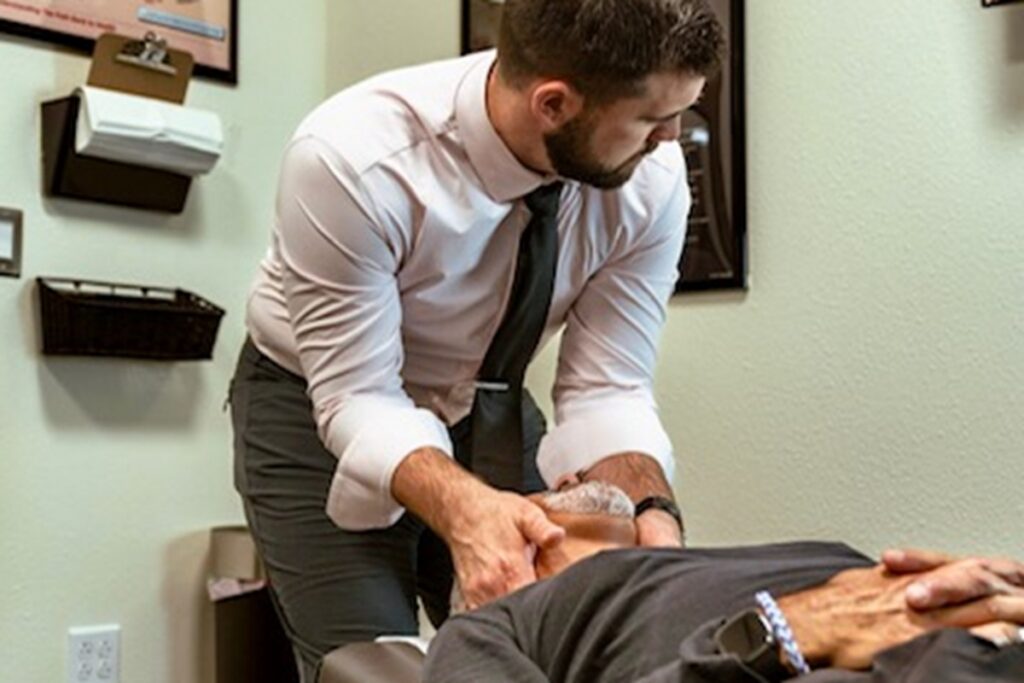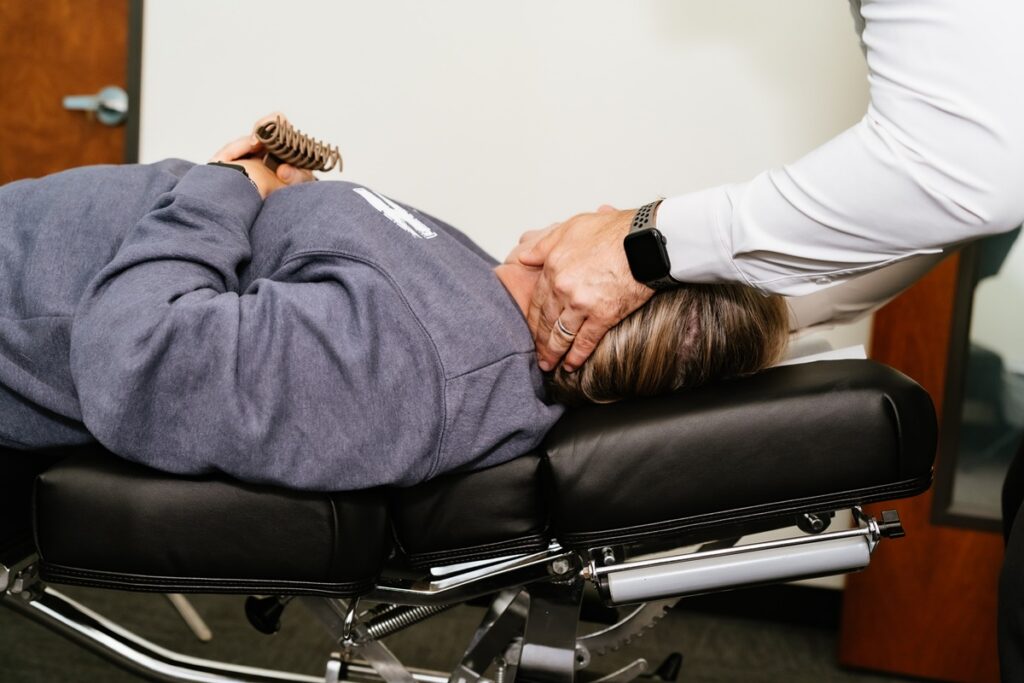

Maintaining a healthy back goes beyond just avoiding pain; it’s about enhancing your overall well-being and achieving optimal health. As a local chiropractor, I believe that small lifestyle adjustments can lead to significant improvements in your spinal health. From optimizing your workspace to incorporating regular exercise and stretching, each change contributes to better posture and mobility, helping you to feel your best every day.
Want to know how to support your back naturally? Here are some practical strategies that can transform your daily routine and promote wellness:
- Optimize Your Workspace: Ensure your desk and chair are set up to support good posture. Your computer screen should be at eye level, and your chair should provide lower back support. Consider using a chair that promotes a natural spinal curvature.
- Incorporate Regular Movement: Aim to take breaks every hour to stand, stretch, or walk around. Simple stretches can relieve tension and improve your flexibility, which is essential for a healthy spine.
- Stay Active: Engage in regular physical activity that strengthens your core muscles, as they play a crucial role in supporting your spine. Activities like walking, swimming, or yoga are excellent choices.
- Practice Good Posture: Whether sitting, standing, or lifting, always be mindful of your posture. Keep your shoulders back, and avoid slouching to protect your spine.
- Listen to Your Body: If you experience discomfort, don’t ignore it. Early intervention is key. Chiropractic care can help address misalignments and restore balance to your body, promoting natural healing.
- Stay Hydrated and Nourished: A healthy diet and proper hydration support overall wellness, including spinal health. Foods rich in omega-3 fatty acids, antioxidants, and calcium can contribute to stronger bones and a healthier back.
By implementing these strategies, you can support your back health and enhance your quality of life. Chiropractic care is an excellent choice for achieving pain relief and maintaining wellness naturally. If you have any questions or need guidance, feel free to reach out to your local chiropractor for personalized advice and support. Your back deserves the best care!
Key Takeaways
Lifestyle Adjustments for Better Back Health
- Posture Matters: One of the simplest ways to support your back is by maintaining proper posture. Keep your shoulders back, head aligned, and feet flat on the floor. This not only helps reduce strain on your back but also promotes better overall body mechanics, making you feel more comfortable throughout your day.
- Stretch It Out: Regular stretching is a fantastic way to improve your flexibility and relieve tension in your spine. Incorporate easy stretches like the Cat-Cow and Knee-to-Chest into your daily routine. These gentle movements can help keep your spine healthy and alleviate discomfort, paving the way for a more active lifestyle.
- Ergonomic Workspace: If you spend a lot of time at a desk, ensure your workspace is set up to support your spine. An ergonomic chair with good lumbar support, an appropriate desk height, and a monitor positioned at eye level can all contribute to maintaining natural spinal alignment. Remember, a well-set-up workspace can make a world of difference in preventing back pain.
- Stay Active: Engaging in at least 150 minutes of moderate aerobic activity each week can strengthen your muscles and support your back health. Activities like walking, swimming, or cycling are great options. Not only do they help keep your body fit, but they also enhance your overall well-being.
- Chiropractic Care: One of the best ways to maintain your spinal health is through regular chiropractic care. A chiropractor can help address misalignments in your spine, alleviate pain, and promote long-term wellness. By making chiropractic care a part of your routine, you can enjoy a natural pathway to relief and enhanced health without the need for medications or surgeries.
Incorporating these tips into your daily life can lead to significant improvements in your back health and overall quality of life. Remember, your spine deserves the best care, and chiropractic can be a key player in your journey to wellness!
Understanding the Importance of Back Health
Your back plays a vital role in your overall health, yet it’s often taken for granted. Understanding the importance of back health is crucial for maintaining your well-being. Your spine not only supports your entire body but also enables you to move freely and enjoy everyday activities. When back health is neglected, it can lead to pain, limited mobility, and even long-term injuries. This discomfort can spill over into other aspects of your life, affecting your mood, productivity, and overall quality of life.
As a chiropractor, I want to emphasize that simple lifestyle changes can have a big impact on your back health. For example, practicing good posture while sitting or standing helps evenly distribute weight along your spine, reducing unnecessary strain. It’s also important to engage and strengthen your core muscles, as they provide essential support for your back. Incorporating regular stretching into your routine can enhance flexibility and ward off stiffness, keeping your spine in optimal condition.
Chiropractic care is an excellent approach to maintaining back health and achieving natural wellness. Regular visits to a chiropractor can help align your spine, alleviate pain, and prevent future issues. Our goal is to empower you with knowledge and tools to take charge of your health. Remember, your well-being starts with a healthy spine!
Ergonomic Workspace Setup
Creating an ergonomic workspace is an essential step in supporting your back health and overall wellness. As a chiropractor, I want to share how simple adjustments can lead to substantial benefits for your spine and comfort.
Begin by adjusting your chair to ensure it provides proper lumbar support, which helps maintain the natural curve of your spine. Your feet should rest flat on the floor, as this promotes stability and reduces strain on your back. Your desk should be at a height where your elbows can form a comfortable 90-degree angle while typing, making it easier for your body to stay relaxed.
Next, position your monitor at eye level, approximately an arm’s length away. This setup helps prevent unnecessary neck strain, which can lead to discomfort and pain. If you use a laptop, I recommend investing in an external keyboard and a stand to elevate the screen to eye level.
Don’t overlook the placement of your mouse; keeping it close to your keyboard allows for easy access and helps maintain a natural arm position. It’s crucial to take breaks every hour to stand, stretch, and move around. This practice not only alleviates tension but also encourages better circulation, which is vital for your overall health.
Lastly, ensure your workspace is well-lit. Good lighting can help you avoid leaning forward or straining your eyes to see your screen better. By creating a workspace designed for comfort and support, you can significantly reduce your risk of back pain and promote a healthier lifestyle.
The Impact of Posture on Spinal Health
Good posture is essential for maintaining a healthy spine, and it greatly impacts how your body feels and functions every day. When you sit or stand correctly, your spine can naturally align, which helps to reduce strain on your muscles and ligaments. In contrast, poor posture can lead to pain and discomfort, making it harder to enjoy life.
As a chiropractor, I want to highlight the importance of posture in your overall wellness and how chiropractic care can help you achieve and maintain good posture. Here’s a quick comparison of good versus poor posture to help you recognize the difference:
| Good Posture | Poor Posture |
|---|---|
| Shoulders back and relaxed | Shoulders rounded and tense |
| Head aligned with the spine | Head jutting forward |
| Feet flat on the floor | Feet crossed or tucked |
| Lower back slightly arched | Lower back slouched |
| Hips aligned with knees | Knees bent inward |
Here are some simple tips to help you improve your posture and spinal health:
- Be Mindful: Regularly check in with your body throughout the day. Are your shoulders back? Is your head aligned with your spine? Taking a moment to adjust can make a big difference.
- Set Up Your Workspace: If you work at a desk, ensure your chair supports your lower back, and your computer screen is at eye level. Keep your feet flat on the ground to promote proper alignment.
- Strengthen Your Core: A strong core supports your spine. Engaging in exercises like planks or gentle yoga can help strengthen the muscles that support good posture.
- Take Breaks: If you sit for long periods, take regular breaks to stand, stretch, and walk around. This can relieve tension and promote better posture.
- Consult a Chiropractor: Regular chiropractic adjustments can help correct misalignments and improve your posture, leading to better overall health. A chiropractor can provide personalized advice and techniques that suit your needs.
Incorporating Regular Exercise Into Your Routine
Incorporating regular exercise into your routine is crucial for maintaining overall health and enhancing spinal wellness. As a chiropractor, I encourage you to aim for at least 150 minutes of moderate aerobic activity each week. This could include enjoyable activities like brisk walking, swimming, or cycling—whatever gets your heart pumping and keeps you active.
Focusing on strengthening your core is especially important for back health. Simple exercises such as planks or bridges can significantly support your spine and improve your posture. Additionally, incorporating functional movements that mimic daily activities—like squats or lunges—can help you develop the strength and stability needed for everyday tasks.
Don’t overlook the benefits of low-impact activities like yoga or tai chi. These practices can enhance flexibility, body awareness, and relaxation, all of which contribute to a healthy spine. The key to success is consistency, so make sure to find activities you genuinely enjoy and schedule them into your week.
Always listen to your body and adjust exercises as needed. Remember, chiropractic care is an excellent complement to your exercise routine, as it can help relieve pain, improve mobility, and enhance your overall well-being. By making regular exercise a part of your life, you’ll not only strengthen your back but also boost your energy levels and promote a healthier lifestyle. Take small steps today for a healthier tomorrow!
Stretching Techniques for a Healthy Back
To maintain a healthy back, incorporating a daily stretching routine is essential. As a chiropractor, I believe that focusing on targeted muscle groups through stretching not only improves flexibility but also significantly reduces tension in the spine. This natural approach to wellness is key to achieving and maintaining optimal health.
Let’s explore some effective stretching techniques that can keep your back feeling great and complement the benefits of chiropractic care.
- Cat-Cow Stretch: This gentle flow between two positions helps to increase flexibility in the spine while warming up the back. Start on your hands and knees, arch your back upwards like a cat, and then dip it downwards as you look up like a cow. Repeat this sequence several times to relieve tension.
- Child’s Pose: This restorative pose stretches the back and relaxes the body. Start on your hands and knees, then sit back onto your heels, stretching your arms forward. Hold this position for a few deep breaths to release any tightness.
- Knee-to-Chest Stretch: Lying on your back, pull one knee towards your chest while keeping the other leg extended. This stretch helps to alleviate lower back pain and promotes relaxation. Switch legs and repeat.
- Torso Twist: While sitting or standing, gently twist your torso to one side and hold for a few breaths before switching sides. This movement helps to maintain spinal mobility and can relieve stiffness.
In addition to these stretches, remember to take regular breaks throughout your day, especially if you sit for long periods. Simple adjustments, such as standing up, stretching, or even walking around for a few minutes, can significantly benefit your spine.
Chiropractic care is an excellent complement to your stretching routine. By addressing misalignments in the spine, a chiropractor can enhance the effectiveness of your stretches, promote better posture, and ultimately lead to a healthier back. Consider scheduling regular chiropractic adjustments to support your journey toward pain relief and overall wellness.
Incorporating these simple stretching techniques into your daily routine, along with regular chiropractic care, can help you achieve a stronger, healthier back, allowing you to enjoy life to the fullest. Remember, taking care of your spine is crucial for your overall well-being!
Daily Stretching Routine
Incorporating a daily stretching routine can greatly enhance your back health and overall flexibility, supporting your journey to natural wellness. As a chiropractor, I emphasize the importance of gentle stretches that target your spine and surrounding muscles to promote optimal health.
Start each day with movements like the cat-cow stretch. This simple exercise helps mobilize your back, improves posture, and prepares your spine for the day ahead. You might also find the seated forward bend beneficial; it stretches your lower back and hamstrings, relieving tension that can build up from daily activities.
When performing these stretches, aim to hold each position for about 15-30 seconds while focusing on deep, calming breaths. This technique not only enhances relaxation but also helps you become more in tune with your body. It’s crucial to listen to what your body is telling you—never push into pain, as that can lead to injury.
If you find yourself sitting for long periods, consider integrating stretches throughout your day. Simple movements can help alleviate discomfort and promote better mobility. By committing to this routine, you’ll likely experience improved comfort and ease in your daily activities.
Targeted Muscle Groups
Enhancing your back health is essential for overall well-being, and one of the most effective ways to do this is through targeted stretching techniques. As a chiropractor, I often emphasize the importance of focusing on specific muscle groups that can impact your spine. Tightness in your hamstrings, hip flexors, and glutes can lead to discomfort and contribute to back pain. By incorporating stretches for these areas into your routine, you can help promote better alignment and natural healing.
Start with hamstring stretches by sitting on the floor and gently reaching for your toes. This simple move can help alleviate tension in the back of your legs, which can often pull on your lower back. For hip flexors, consider a lunge position where you push your hips forward slightly to feel a comfortable stretch. This can be particularly beneficial if you spend a lot of time sitting.
Don’t overlook your glutes! A seated figure-four stretch is a great way to relieve tension in this area, which can also affect your lower back. Additionally, upper back stretches like the cat-cow pose can improve flexibility and alleviate stiffness, allowing for better spinal movement.
Aim to hold each stretch for 20-30 seconds while breathing deeply. This won’t only help you relax but also maximize the benefits of your stretches. Remember, consistency is key! By regularly targeting these muscle groups, you can foster better spinal alignment, reduce discomfort, and promote overall back health.
Incorporating these stretches into your daily routine can be a natural and effective way to support your body. And while stretching is important, regular chiropractic care is the best choice for addressing pain and enhancing your overall health. A chiropractor can help ensure that your spine is aligned properly, which can further support your stretching efforts and contribute to lasting wellness.
Make stretching and chiropractic care a part of your healthy lifestyle!
Choosing the Right Mattress and Pillow
While many people underestimate the significance of a good mattress and pillow, they’re crucial for maintaining a healthy spine and overall well-being. Choosing the right mattress is about supporting your spine’s natural alignment. A medium-firm mattress is often the best choice; it cradles your body while preventing sagging, ensuring your spine remains supported.
If you sleep on your back, consider placing a small pillow or a rolled towel under your knees to relieve pressure on your lower back. For side sleepers, a softer mattress can provide the necessary cushioning for your hips and shoulders, promoting better spinal alignment.
Your pillow is just as important as your mattress. It should help keep your neck aligned with your spine to prevent discomfort. If you sleep on your back, a thinner pillow can help avoid straining your neck. For side sleepers, a firmer, thicker pillow is usually best to fill the space between your head and shoulders, ensuring proper alignment.
Investing in a quality mattress and pillow that align with your sleeping style can significantly enhance your back health and overall comfort. Remember, comfort, support, and alignment are key to a restful night’s sleep. By prioritizing these factors and considering chiropractic care, you can promote natural healing and wellness.
Regular chiropractic adjustments can also help maintain spinal health and alleviate discomfort, making it an excellent complement to your sleep environment. Make these choices today for a healthier tomorrow!
Managing Stress for Better Back Health
Stress can significantly impact your back health, making it crucial to manage it effectively. As a chiropractor, I believe that maintaining a healthy spine is integral to overall wellness. One of the best ways to alleviate stress and promote back health is through chiropractic care. Regular adjustments can help align your spine, reduce tension, and enhance your body’s ability to cope with stress.
In addition to chiropractic treatments, practicing mindfulness and meditation techniques can greatly assist in relaxation. These methods allow you to calm your mind and reduce the stress that often manifests in physical tension throughout your back. Incorporating gentle physical activities, such as walking, yoga, or stretching, can also aid in releasing tension and supporting your spine.
Mindfulness and Meditation Techniques
As a local chiropractor, I want to share how mindfulness and meditation can play a vital role in enhancing your back health and overall well-being. Often overlooked, these techniques can significantly help manage stress, which is a common contributor to back pain.
When you practice mindfulness, you become more attuned to your body and its sensations. This awareness allows you to identify tension in your muscles before it intensifies into pain. Incorporating simple breathing exercises into your daily routine can help you release built-up stress, thereby alleviating discomfort in your back.
Setting aside just a few minutes each day for meditation can create a sense of calm that’s beneficial for your spine and overall health. Focus on your breath, visualize a peaceful scene, or repeat a soothing mantra. These practices not only reduce stress but also encourage relaxation, allowing your muscles to unwind and recover.
Here are some easy tips to get started with mindfulness and meditation:
- Breathing Exercises: Take a few deep breaths, inhaling through your nose and exhaling through your mouth. This simple practice can help lower your stress levels and promote relaxation.
- Daily Meditation: Try meditating for just 5-10 minutes each day. Find a quiet space, sit comfortably, and focus on your breath or a positive thought.
- Mindfulness in Movement: Pay attention to how your body feels during everyday activities like walking or stretching. This awareness can help you prevent strain and maintain good posture.
- Visualizations: Picture a serene place or a calming scene when you feel tension building in your back. This can help ease stress and promote a sense of well-being.
By incorporating mindfulness and meditation into your routine, you can support your back health while fostering a more balanced lifestyle. Remember, chiropractic care is an excellent choice for pain relief and natural wellness, complementing these techniques and helping you achieve optimal health.
If you have any questions or need guidance, don’t hesitate to reach out. Your journey to a healthier back starts here!
Physical Activity and Relaxation
How can physical activity and relaxation techniques work together to enhance your back health? As a local chiropractor, I believe that engaging in regular exercise is crucial for strengthening your muscles, improving flexibility, and promoting good posture—all of which are essential for supporting your spine.
Simple activities like walking, swimming, or practicing yoga can keep you active while also easing tension in your back.
In addition to exercise, incorporating relaxation techniques such as deep breathing, progressive muscle relaxation, or gentle stretching can help alleviate stress and release built-up tension. When you combine these two approaches—physical activity and relaxation—you not only enhance your physical strength but also foster a balanced state of mind.
This harmony is key to reducing the risk of back pain and effectively managing stress.
Remember, prioritizing both movement and relaxation is vital for achieving optimal back health and overall well-being. As you consider your wellness journey, think about visiting your chiropractor for personalized guidance and support.
Chiropractic care can help align your spine, improve your posture, and enhance your overall health naturally. By focusing on these holistic approaches, you can take steps toward a healthier, pain-free life.
Tips for Safe Lifting and Movement
When it comes to lifting and moving objects, using proper techniques is essential not only for preventing injuries but also for promoting a healthy spine. As a chiropractor, I want to share some simple yet effective tips to help you lift safely and maintain your back health.
Start by standing with your feet shoulder-width apart; this positioning provides a solid base of support. Instead of bending at your waist, which can strain your back, bend your knees while keeping your back straight. This technique allows you to engage your powerful leg muscles to do the heavy lifting. When you grab an object, hold it close to your body. This minimizes the strain on your spine and helps maintain proper alignment.
If you encounter a heavy or awkward item, don’t hesitate to ask for help or consider using equipment like a dolly. Remember, twisting your body while lifting can lead to injury. Instead, pivot your feet to turn, keeping your back in a neutral position. When it’s time to lower an object, bend your knees again to keep your back straight and protect your spine.
Additionally, if you’ll be moving for a long period, make sure to take breaks. Staying mindful of your body’s limits is crucial for preventing injuries. Consistently practicing these safe lifting techniques can enhance your overall well-being and keep your spine healthy.
Incorporating chiropractic care into your routine can also support your journey to optimal health. Regular adjustments can help maintain spinal alignment, alleviate discomfort, and promote natural healing. By prioritizing these lifting tips and considering chiropractic care, you can enjoy a healthier lifestyle and a pain-free back in the long run.
Conclusion
By embracing simple lifestyle adjustments, you can significantly enhance your back health and overall well-being. One of the first steps is to create an ergonomic workspace that supports your spine, ensuring that your chair and desk are set up in a way that promotes proper posture. Good posture is not just about sitting up straight; it’s about aligning your body to reduce strain on your back.
Incorporating regular exercise and stretching into your daily routine is crucial. Gentle movements like yoga or walking can strengthen your back muscles and improve flexibility. These activities can also complement chiropractic care, which focuses on aligning your spine and improving your overall function.
Don’t overlook the importance of a supportive mattress and pillow. A good night’s sleep on a well-suited mattress can make a world of difference for your back. When selecting your bedding, aim for options that keep your spine aligned while you rest.
Managing stress is also key to achieving spinal health. Stress can lead to muscle tension, which may exacerbate back pain. Techniques such as deep breathing, meditation, or even simple hobbies can help alleviate stress and promote relaxation.
When it comes to lifting heavy objects, practicing safe lifting techniques is essential. Bend your knees, keep the object close to your body, and engage your core muscles to protect your back.
Prioritizing these habits can significantly reduce the risk of pain and enhance your mobility. Remember, chiropractic care is an excellent way to support these lifestyle changes, helping you to achieve optimal health naturally. By working with a chiropractor, you can address any existing issues and maintain your spine’s health, ensuring a better quality of life.