
Chronic low back pain can be a frustrating and limiting condition, but there is hope! As a local chiropractor, I want to share how you can alleviate discomfort naturally and improve your quality of life through specific exercises. By focusing on core strength and flexibility, you can make significant strides towards recovery.
Chiropractic care is an excellent approach to managing low back pain, as it emphasizes natural healing and wellness. Alongside your chiropractic treatments, incorporating tailored exercises into your daily routine can enhance your results. Here are some effective strategies to help you tackle this common issue:
- Core Strengthening: Building a strong core is crucial for supporting your spine. Exercises like pelvic tilts, bridges, and planks can help strengthen the muscles that support your lower back. A strong core reduces strain on your spine and can alleviate pain.
- Stretching for Flexibility: Incorporating gentle stretches into your routine can help relieve tension and improve flexibility in your back. Try simple stretches like the cat-cow stretch, child’s pose, or knee-to-chest stretches. These can help increase your range of motion and promote relaxation.
- Posture Awareness: Maintaining good posture is vital for spinal health. Be mindful of your sitting and standing positions throughout the day. Consider using ergonomic furniture and take regular breaks to stand and stretch if you work at a desk.
- Regular Movement: Staying active is essential for managing chronic low back pain. Aim for low-impact activities such as walking, swimming, or cycling. These activities can enhance circulation and promote healing without putting excessive strain on your back.
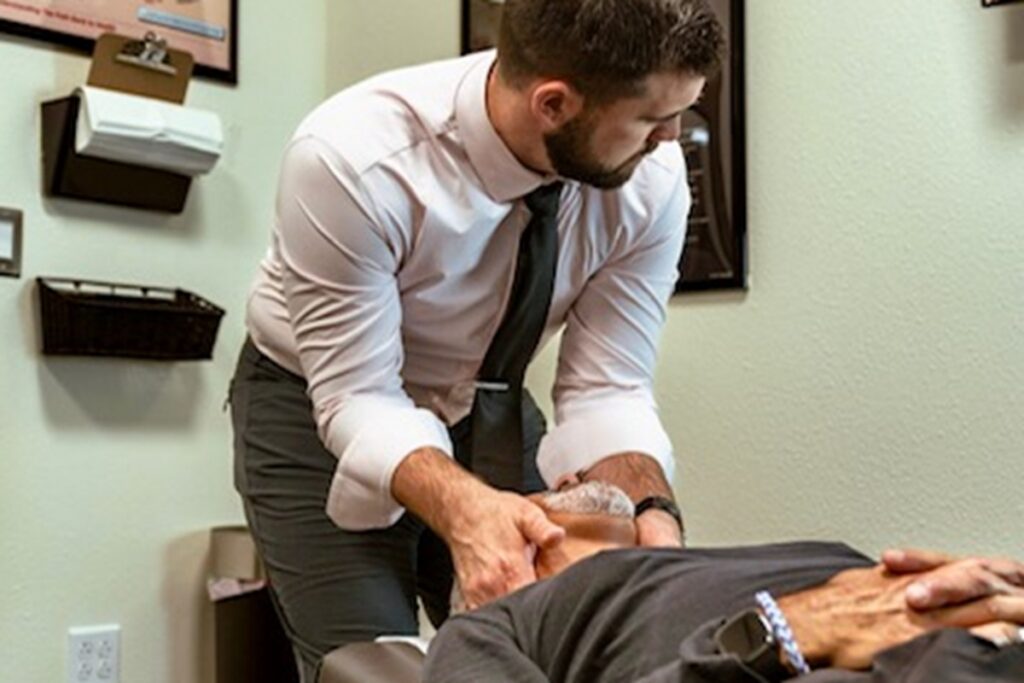
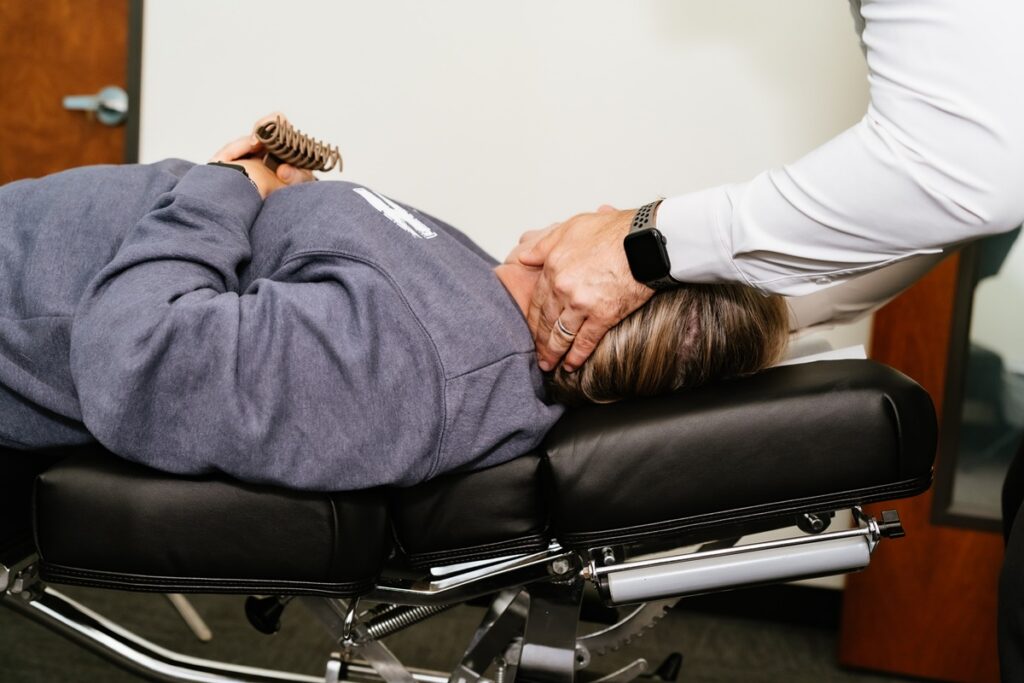
- Chiropractic Care: Regular visits to your chiropractor can provide you with personalized adjustments and advice tailored to your specific needs. Chiropractic care addresses the underlying issues causing your pain and helps restore proper alignment to your spine.
Remember, it’s important to listen to your body and consult with your chiropractor before starting any new exercise program. Incorporating these strategies into your daily routine can empower you to take control of your health and find relief from chronic low back pain naturally. Embrace the journey towards wellness, and take proactive steps to support your spine!
Key Takeaways
- To alleviate chronic low back pain, start incorporating core strengthening exercises like planks and bridges. These exercises help support spinal stability and can significantly reduce discomfort in your lower back.
- Try bird-dogs and pelvic tilts. These movements not only enhance core stability but also help to minimize strain on your lower back, making daily activities much more comfortable.
- Don’t forget the importance of gentle stretching routines! Regular stretching can improve your flexibility and relieve muscle tightness around the spine, contributing to overall back health.
- Always be mindful of your posture during exercises. Maintaining proper alignment protects your back and ensures that you’re effectively engaging your core.
- If you find that pain persists during your exercise routine, I highly recommend consulting with a chiropractor. Chiropractic care focuses on natural healing and spinal health, and can provide you with personalized guidance to ensure safe and effective practices tailored to your needs.
Remember, prioritizing your spinal health through chiropractic care is a natural path to achieving optimal wellness and pain relief.
Understanding Chronic Low Back Pain
When you experience chronic low back pain, it’s essential to understand what’s happening in your body and how chiropractic care can help.
Chronic low back pain lasts for more than three months and often comes from various sources, such as muscle strain, herniated discs, or conditions like arthritis. You may feel discomfort that varies in intensity, which can impact your daily activities and overall quality of life.
Your pain could be related to muscle imbalances, poor posture, or a lack of flexibility in the muscles and joints around your spine. It’s crucial to pay attention to how your body feels during different movements or positions. By recognizing what triggers your pain, you can take proactive steps to manage and alleviate it.
Chiropractic care focuses on restoring proper alignment and function to your spine, which can relieve pressure on nerves and reduce pain.
Regular chiropractic adjustments can improve your body’s mechanics, helping you move more freely and comfortably.
Here are some general tips to help you on your journey to recovery and wellness:
- Maintain Good Posture: Ensure that you sit and stand with proper posture to reduce strain on your back.
- Stay Active: Engage in gentle exercises and stretches that promote flexibility and strengthen your back muscles.
- Listen to Your Body: Pay attention to how different activities affect your pain and adjust accordingly.
- Stay Hydrated: Drinking plenty of water supports overall health and can keep your intervertebral discs hydrated.
- Consider Chiropractic Care: Regular visits to your chiropractor can help you manage your pain naturally and keep your spine in optimal condition.
Understanding your pain is the first step toward recovery. By becoming more aware of your body and taking steps to care for your spine, you can work towards a healthier, pain-free life.
Stay informed, listen to your body, and don’t hesitate to seek out the benefits of chiropractic care for lasting relief and wellness.
The Importance of Core Strength
Your core muscles are essential for providing stability and support to your entire body. When these muscles are strong, they not only help improve your balance but also play a crucial role in preventing injuries, particularly those that can lead to chronic low back pain. By focusing on strengthening your core, you can maintain a healthy back and enhance your overall movement, which is vital for your daily activities.
As a chiropractor, I want to emphasize the importance of core strength in conjunction with chiropractic care for achieving optimal health. By aligning your spine and ensuring proper function, chiropractic adjustments can enhance the effectiveness of your core exercises. This combination contributes to a more stable foundation for your body, reducing the risk of injury and discomfort.
Here are some simple tips to help you strengthen your core and support your spine:
- Incorporate Core Exercises: Simple exercises like planks, bridges, and abdominal crunches can effectively strengthen your core. Aim for a few minutes of these exercises several times a week.
- Focus on Good Posture: Maintaining good posture while sitting, standing, or moving can significantly reduce stress on your spine and core muscles. Be mindful of how you position your body throughout the day.
- Stay Active: Regular physical activity, including walking, swimming, or yoga, can help keep your core engaged and improve your overall strength and flexibility.
- Consider Chiropractic Care: Regular visits to your chiropractor can help ensure your spine is aligned, which supports your core strength efforts. Chiropractic adjustments can enhance your range of motion and reduce discomfort, making it easier for you to engage in strengthening exercises.
- Listen to Your Body: If you experience pain or discomfort while exercising, consult with your chiropractor. They can provide tailored advice and adjustments to help you safely strengthen your core.
Role of Core Muscles
Building core strength is vital for managing chronic low back pain, and chiropractic care can play an essential role in this process. Your core muscles—comprising the abdominal, back, and pelvic muscles—are fundamental in providing support to your spine. When these muscles are strong, they help you maintain proper posture and alignment, which reduces strain on your lower back.
If your core muscles are weak, it can lead to instability in your spine, making it more prone to injury and discomfort. That’s why focusing on core-strengthening exercises is important for enhancing your stability and overall performance in daily activities. Simple movements like planks, bridges, and bird-dogs are excellent ways to build core strength and can significantly help alleviate pain.
In addition to strengthening your core, regular chiropractic adjustments can ensure that your spine is aligned properly, allowing your muscles to function more effectively. A chiropractor can provide personalized exercises and tips to help you strengthen your core safely and effectively, tailored to your specific needs.
Stability and Support
Strengthening your core is crucial not just for looking good, but for providing essential stability and support to your entire body, particularly your lower back. A strong core plays a vital role in maintaining proper posture and balance, which helps reduce strain on your spine during everyday activities. When your core muscles are engaged, they act like a natural brace, stabilizing your pelvis and lower back as you move.
This stability enhances your overall strength, enabling you to perform various exercises with greater effectiveness. Including core-strengthening exercises in your routine can significantly alleviate discomfort and help prevent future issues.
As a chiropractor, I want to emphasize that a stable core is the foundation for a healthy back. By focusing on building core strength, you’re not only investing in your physical health but also paving the way for a more active lifestyle free from pain.
Here are some general tips to help you strengthen your core and support your spine naturally:
- Incorporate Simple Core Exercises: Start with exercises like planks, bridges, and abdominal crunches. These can be done at home with no special equipment.
- Focus on Your Posture: Be mindful of your posture throughout the day, whether sitting at a desk or standing. Good posture helps engage your core muscles.
- Stay Active: Engage in regular physical activity that promotes core strength, such as walking, swimming, or yoga.
- Listen to Your Body: If you experience discomfort while exercising, stop and consult with your chiropractor for personalized advice.
Injury Prevention Strategies
Incorporating core-strengthening exercises into your routine is a fantastic way to reduce the risk of injuries, particularly in the lower back. A strong core not only provides stability and support for your spine but also helps you maintain proper posture throughout your daily activities. When your core is weak, it can increase the likelihood of strains and sprains, especially when lifting or bending.
Consider focusing on simple exercises like planks, bridges, and pelvic tilts to enhance your core strength. These exercises can be easily done at home and require little to no equipment. The key to seeing results is consistency, so try to include these movements several times a week in your routine.
Additionally, be mindful of your body mechanics. Engaging your core while performing everyday tasks can significantly protect your lower back. This concept aligns with the principles of chiropractic care, which emphasizes the importance of proper alignment and body mechanics for overall wellness. By prioritizing core strength, not only can you lower your risk of injury, but you can also enhance your overall functional movement.
Stretching for Flexibility
To manage chronic low back pain effectively, improving your flexibility through stretching is a vital component of your wellness journey. As a chiropractor, I believe that enhancing your range of motion can significantly contribute to your overall back health. By incorporating safe and effective stretching techniques, you can’t only alleviate discomfort but also support your body’s natural healing process.
Let’s delve into why flexibility matters for your spine and how chiropractic care can help you achieve optimal health. When your muscles and joints are flexible, they can better support your spine, reducing the risk of injury and promoting better posture. Regular stretching can also improve circulation, allowing nutrients to flow more freely to your muscles and joints, which is crucial for recovery.
Here are some general tips to improve your flexibility safely:
- Start Slow: Begin with gentle stretches and gradually increase intensity as your body adapts. This will help prevent strain and injury.
- Consistency is Key: Aim to stretch regularly, ideally daily. Consistent practice helps your muscles become more pliable over time.
- Listen to Your Body: Pay attention to how your body feels during each stretch. If you experience pain, ease off. Stretching should feel good, not painful.
- Incorporate Breathing: Focus on your breath while stretching. Deep, even breaths can help you relax and improve your flexibility.
- Consider Chiropractic Care: Regular chiropractic adjustments can complement your stretching routine by ensuring your spine is aligned and functioning optimally. This can enhance your flexibility and overall well-being.
Importance of Flexibility
While many individuals prioritize strength training to combat chronic low back pain, it’s crucial to recognize that flexibility is equally important in maintaining a healthy spine. By integrating stretching into your daily routine, you can unlock a range of benefits that help ease discomfort and promote overall wellness.
Improved flexibility enables your muscles and joints to move more freely, which reduces tension and strain on your body. Additionally, better flexibility enhances blood circulation, supporting healing and recovery.
Here are some key advantages of incorporating flexibility into your life:
- Greater Range of Motion: Improved flexibility in your hips and spine allows for easier movement, making everyday activities more manageable.
- Reduced Injury Risk: When your body is flexible, you’re less likely to strain or injure yourself during daily tasks or exercise.
- Better Posture and Alignment: Stretching can help correct imbalances, leading to improved posture, which is essential for spinal health.
- Relief from Muscle Tightness: Regularly stretching can alleviate muscle tightness and stiffness, providing you with a greater sense of comfort.
- Enhanced Balance and Stability: Flexibility contributes to better balance, making you less prone to falls or injuries.
As a chiropractor, I encourage you to focus on flexibility as part of your holistic approach to health. Here are some simple tips to help you get started:
- Incorporate Stretching into Your Routine: Dedicate a few minutes each day to stretch major muscle groups, especially those in your back, hips, and legs.
- Practice Deep Breathing: Combine stretching with deep breathing exercises to promote relaxation and enhance the benefits of your stretches.
- Stay Consistent: Aim for regular stretching sessions throughout the week to maintain and improve your flexibility over time.
Effective Stretching Techniques
Incorporating effective stretching techniques into your daily routine can significantly enhance your flexibility and help alleviate chronic low back pain. As a local chiropractor, I want to share how simple stretches can complement your chiropractic care, promoting natural healing and better overall wellness.
Start with gentle stretches like the cat-cow pose. This movement warms up your spine and improves mobility, making it a great addition to your day. The seated forward bend is another excellent stretch that helps lengthen your hamstrings and lower back, relieving built-up tension. Don’t forget about the child’s pose; it’s perfect for stretching your back and hips while also encouraging relaxation.
When you perform these stretches, hold each position for about 15-30 seconds and remember to breathe deeply. This will help maximize the benefits of each stretch. It’s important to listen to your body—if you feel any pain, ease off and adjust your position.
Consistency is vital for seeing improvements, so try to incorporate stretching into your daily routine. With regular practice, you’ll likely notice increased flexibility, reduced stiffness, and an overall improvement in your comfort and mobility.
Safety Precautions to Consider
As a chiropractor, I want to ensure that you enjoy a safe and effective stretching routine that supports your overall health and wellness.
Stretching can be a wonderful way to enhance your flexibility, reduce pain, and promote a healthier spine. However, it’s essential to keep some safety precautions in mind to prevent injuries and make the most of your experience.
Here are some key tips to help you stretch safely while minimizing the risk of strain:
- Warm up first: Before you begin your stretching routine, take 5-10 minutes to engage in light cardio, like walking or cycling. This helps increase blood flow to your muscles and prepares them for stretching.
- Listen to your body: Pay attention to how your body feels during each stretch. If you experience any pain, stop immediately. Remember, stretching should create a sense of tension, not pain.
- Avoid bouncing: When stretching, use a steady and smooth motion. Bouncing can lead to muscle tears and injury, so take your time and aim for controlled movements.
- Stay hydrated: Keeping your body hydrated is crucial for muscle function. Drink water before and after stretching to help your muscles recover and stay healthy.
- Don’t push too hard: Aim for a gentle stretch. It’s important to respect your body’s limits. Stretching should feel good and help improve your flexibility over time without causing discomfort.
By incorporating these precautions into your stretching routine, you not only enhance your flexibility but also support your spinal health and overall wellness.
Remember, chiropractic care is an excellent option for achieving optimal health and addressing any pain you may experience.
If you’re looking for a natural way to relieve discomfort and improve your well-being, consider visiting a chiropractor for personalized guidance and support.
Your body deserves the best care!
Strengthening Exercises for the Back
Strengthening your back is vital for managing chronic low back pain and enhancing your overall mobility. At our chiropractic practice, we believe that incorporating specific exercises into your routine can effectively build muscle and provide the necessary support to your spine, promoting natural healing and wellness. Here are some simple but effective strengthening exercises you can try at home:
| Exercise | Reps/Duration |
|---|---|
| Bird Dog | 10-15 reps each side |
| Plank | 20-30 seconds |
| Cat-Cow Stretch | 10-15 reps |
| Bridge | 10-15 reps |
| Superman | 10-15 reps |
Start with a few sets of each exercise, and as you gain strength, gradually increase the number of reps or duration. It’s important to listen to your body; if you experience any pain, please stop and reach out to your chiropractor for guidance. Remember, consistency is key! Aim to incorporate these exercises into your routine at least three times a week to see the best results.
Strengthening your back through these exercises can lead to significant pain relief and a better ability to carry out your daily activities. As your chiropractor, I encourage you to prioritize your spinal health, as it plays a crucial role in your overall well-being. By focusing on natural, non-invasive methods like exercise and chiropractic care, you can achieve optimal health and a pain-free lifestyle.
Low-Impact Aerobic Activities
Managing chronic low back pain involves more than just building strength in your back; it’s essential to consider how your overall health and wellness can play a role in pain relief. Low-impact aerobic activities are a fantastic way to enhance your fitness without putting additional strain on your back, and they can be particularly beneficial when combined with chiropractic care. These exercises help improve circulation, elevate your mood, and promote better sleep, all of which can aid in managing pain naturally. Here are some excellent low-impact options to consider:
- Walking on a flat surface or treadmill
- Swimming or water aerobics
- Cycling on a stationary bike
- Using an elliptical machine
- Dancing or participating in low-impact fitness classes
Incorporating these activities into your routine can significantly improve your day-to-day well-being. Aim for at least 150 minutes of moderate aerobic activity each week. It’s crucial to listen to your body and choose activities that feel right for you. Remember, chiropractic care can help ensure that your spine is aligned, which can enhance your ability to engage in these activities comfortably and safely.
As you explore these low-impact exercises, consider the following tips:
- Start Slow: If you’re new to exercise, begin with shorter sessions and gradually increase your duration and intensity.
- Stay Hydrated: Drinking plenty of water before, during, and after exercise can help keep your muscles hydrated and reduce soreness.
- Warm-Up and Cool Down: Always include a gentle warm-up before and a cool-down after your workouts to prevent injury.
- Focus on Your Posture: Pay attention to your body alignment during exercises to reduce the risk of strain on your back.
- Schedule Regular Chiropractic Visits: Regular adjustments can help maintain spinal health and improve your overall physical function, making it easier to stay active.
Consistency is key to reaping the benefits of these activities and improving your health. By integrating low-impact exercises with chiropractic care, you can pave the way toward a healthier, pain-free life!
Posture Correction Techniques
As your local chiropractor, I want to share some important insights about posture and its impact on your health. You mightn’t realize it, but poor posture is a significant contributor to chronic low back pain. The good news is that you can take steps to correct your posture and alleviate discomfort naturally.
Start by assessing your sitting and standing habits. When you’re sitting, make sure your feet are flat on the floor and your back is firmly against the chair. If you find it hard to maintain this position, consider using a lumbar roll for extra support. For standing, distribute your weight evenly on both feet and engage your core muscles. This simple adjustment can help you feel more stable and reduce strain on your back.
It’s also essential to incorporate regular breaks throughout your day, especially if you find yourself sitting for long periods. Every hour, take a moment to stand up, stretch, and walk around. This not only helps relieve tension but also promotes better circulation.
To further support your posture, try exercises like shoulder blade squeezes and chin tucks. These movements strengthen your back and neck muscles, helping to retrain your body for a healthier posture. It’s amazing how these small efforts can lead to significant improvements in your comfort and overall well-being.
Lastly, consider investing in ergonomic furniture and tools designed to promote proper alignment. These can make a big difference in your daily routine and support your journey towards better health.
Incorporating Mindfulness and Relaxation
Incorporating mindfulness and relaxation techniques into your daily routine can significantly enhance your ability to manage chronic low back pain, and when combined with chiropractic care, can lead to optimal health.
By tuning into your body and practicing mindfulness, you create a sense of calm that helps reduce tension and discomfort, complementing the benefits of chiropractic adjustments. Here are some effective methods to consider:
- Deep Breathing: Focus on your breath. Inhale deeply through your nose, allowing your abdomen to expand, and exhale slowly through your mouth. This practice not only calms your mind but also helps to alleviate tension in your back.
- Guided Meditation: Utilize apps or online videos that offer guided sessions specifically designed for pain relief. This can enhance your awareness of your body and promote relaxation, making your chiropractic sessions even more effective.
- Progressive Muscle Relaxation: This technique involves tensing and then relaxing each muscle group, starting from your toes and moving up to your head. It helps to release built-up tension, making it easier for your chiropractor to work on your spine.
- Gentle Yoga: Engage in restorative yoga poses that are designed to stretch and strengthen your back while promoting relaxation. Yoga can enhance the benefits of chiropractic care by improving your flexibility and overall spinal health.
- Visualization Techniques: Picture a peaceful place or scenario in your mind. This mental escape can help distract you from physical discomfort and make your chiropractic adjustments more enjoyable.
By incorporating these mindfulness practices into your routine, you empower yourself to take control of your pain relief journey.
Creating a Consistent Routine
Establishing a consistent routine is essential for effectively managing chronic low back pain, and chiropractic care can play a significant role in your journey to wellness. By incorporating specific exercises and stretches into your daily life, you can strengthen your back and enhance flexibility, which is crucial for maintaining a healthy spine.
Start by dedicating a specific time each day, whether it’s in the morning or evening, to focus on your routine. Consistency is key; try to stick to the same time daily to help build this healthy habit. Remember, chiropractic care can complement your routine by addressing spinal alignment and enhancing your overall health.
Begin with gentle stretches that are designed to relieve tension in your back. As you become more comfortable, gradually incorporate strengthening exercises that support your spine. Always pay attention to your body; if certain movements increase your discomfort, don’t hesitate to modify them or take a break. Listening to your body is a vital part of the healing process.
In addition to your physical routine, integrating mindfulness techniques, such as deep breathing, can help you stay relaxed and focused during your exercises. This mindfulness can enhance your overall experience and promote a deeper connection with your body.
Keeping a journal to track your progress can also be incredibly beneficial. Not only will this keep you motivated, but it will also help you identify which exercises provide the most relief for your back pain. Sharing this information with your chiropractor can further tailor your care plan to suit your needs.
When to Seek Professional Help
Knowing when to seek professional help for chronic low back pain is crucial for your recovery and overall wellness. If you’re dealing with ongoing discomfort, don’t hesitate to reach out to a chiropractor.
Here are some signs that it’s time to consider professional advice:
- If your pain lingers for more than a few weeks, even after trying some self-care methods like gentle stretching or heat therapy.
- If you experience intense pain that doesn’t get better with rest or basic home remedies.
- If you notice any numbness, tingling, or weakness in your legs, as these can be signs of nerve involvement.
- If your pain comes with other concerning symptoms like unexplained weight loss or fever, which can indicate a need for a thorough assessment.
- If everyday tasks become difficult due to the intensity of your pain, it’s time to seek help.
Recognizing these signs can help you avoid further complications and support your healing journey. Chiropractic care focuses on addressing the root cause of your pain, promoting natural healing, and restoring balance to your body.
Early intervention can lead to more effective treatments, helping you return to your daily activities more quickly.
Listen to your body—it’s sending you important signals. By seeking chiropractic care, you’re choosing a natural, holistic approach to pain relief and wellness.
Conclusion
Incorporating gentle exercises and stretches into your daily routine can significantly alleviate chronic low back pain. Focusing on core strength, maintaining good posture, and engaging in low-impact activities are essential steps in promoting healing and enhancing your mobility. As a chiropractor, I emphasize the importance of a healthy spine, as it plays a critical role in your overall well-being.
Integrating mindfulness and relaxation techniques can further support your journey to wellness. Simple practices like deep breathing or gentle yoga can help reduce tension and improve your body’s response to pain. Consistency is key; making these practices a regular part of your life can lead to lasting improvements.
If your pain persists or worsens, don’t hesitate to seek the guidance of a chiropractic professional. Chiropractic care is a natural and effective way to address the root causes of pain, providing you with personalized treatments that focus on your specific needs. Remember, your back deserves the best care, and with the right approach, you can achieve optimal health and a more active lifestyle.