
Chronic low back pain can be a real challenge, but incorporating specific exercises into your daily routine can make a world of difference. As a local chiropractor, I want to emphasize how essential gentle movements are for strengthening your core and improving flexibility. These exercises not only help alleviate discomfort but also support your spine, paving the way for better overall health.
It’s important to understand which types of activities are most effective for easing your pain and promoting a healthier back. Here are some exercises that I recommend to my patients:
- Pelvic Tilts: This simple movement helps strengthen your lower back and abdominal muscles. Lie on your back with your knees bent and feet flat on the floor. Gently tilt your pelvis upward, flattening your lower back against the floor. Hold for a few seconds, then release. Repeat several times.
- Cat-Cow Stretch: This yoga-inspired exercise promotes flexibility and reduces tension in the spine. Start on your hands and knees. Inhale as you arch your back (the “cow” position), then exhale as you round your back (the “cat” position). Repeat this flow for several breaths.
- Child’s Pose: This restorative pose helps stretch the back and relax the body. Kneel on the floor, sit back on your heels, and then reach your arms forward on the ground while lowering your head. Hold this position for a minute or two, breathing deeply.
- Knee-to-Chest Stretch: This stretch can ease tension in your lower back. Lie on your back and pull one knee towards your chest, holding it with your hands. Hold for 15-30 seconds, and switch to the other leg.
- Bridges: Strengthening your glutes and lower back can provide significant relief. Lie on your back with knees bent and feet flat on the floor. Lift your hips toward the ceiling, squeezing your glutes at the top, then lower back down. Repeat several times.
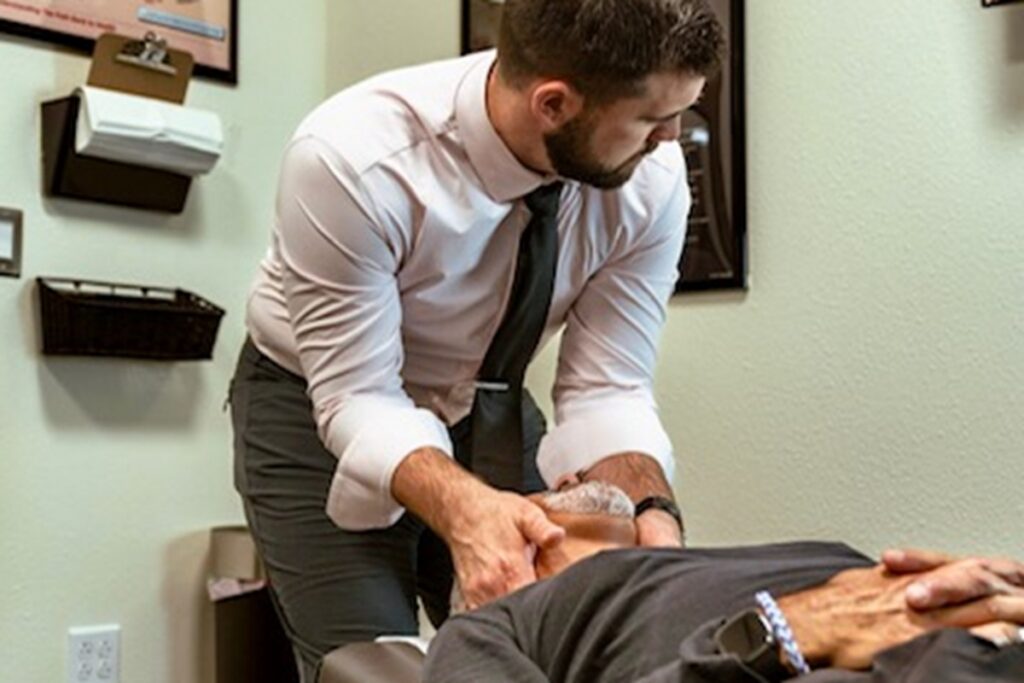
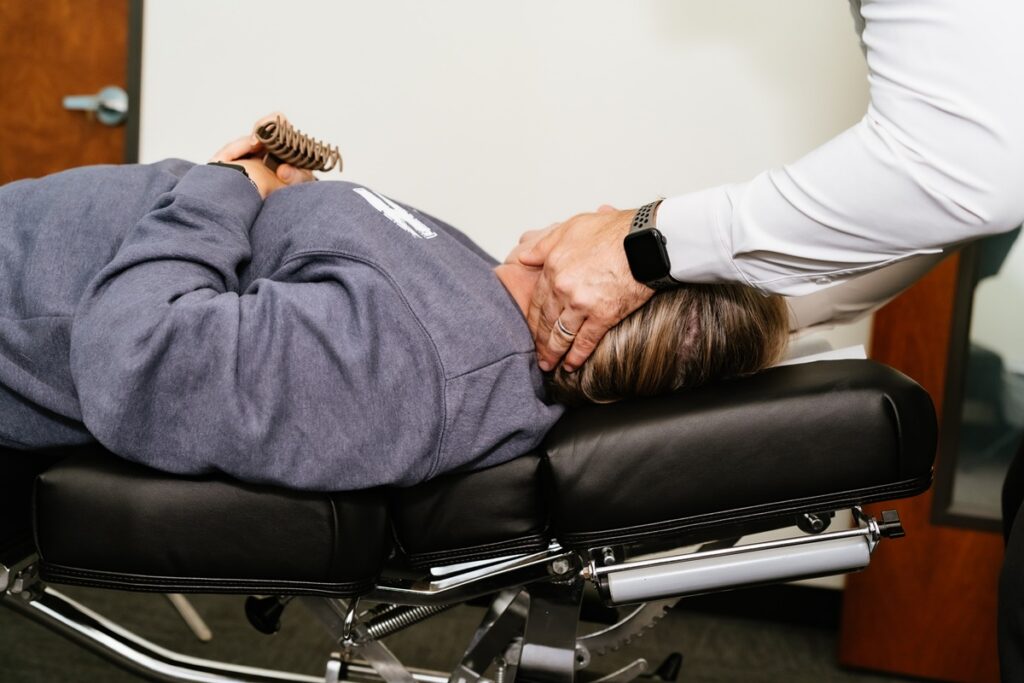
Beyond these exercises, remember that regular chiropractic care is a crucial component of maintaining spinal health and overall wellness. A chiropractor can help assess your specific condition and provide personalized adjustments to ensure your spine is aligned and functioning optimally.
Incorporating these gentle exercises into your routine, along with regular visits to your chiropractor, can lead to a healthier back and a more active lifestyle. Always listen to your body and consult with your chiropractor before starting any new exercise program. Together, we can work towards alleviating your pain and enhancing your well-being naturally!
Key Takeaways
- Start incorporating core strengthening exercises into your daily routine, such as planks and bridges. These movements not only help stabilize your spine but also relieve pressure on your lower back, making daily activities easier and more comfortable.
- Consider adding low-impact aerobic activities to your life, like walking, swimming, or cycling. These exercises are gentle on your joints and can boost circulation, which is key to reducing back pain and promoting overall wellness.
- Don’t underestimate the power of stretching! Regularly practicing stretches like the Cat-Cow stretch and Seated Forward Bend can increase your flexibility and help alleviate stiffness in your back. This can lead to a more relaxed spine and less discomfort throughout your day.
- Pay attention to your posture when sitting or standing. Maintaining proper alignment helps distribute your body weight evenly and reduces strain on your spine, preventing pain before it starts.
- Remember, it’s important to gradually increase the intensity of your exercises. If you find that your pain persists or worsens during physical activity, don’t hesitate to reach out for chiropractic care. A chiropractor can provide personalized guidance and adjustments to support your healing journey and help you achieve optimal health naturally.
Overall, embracing a holistic approach to your well-being through chiropractic care can make a significant difference in your life, allowing you to enjoy pain-free movement and a healthier lifestyle.
Understanding Chronic Low Back Pain
Dealing with chronic low back pain can feel overwhelming, especially when it lingers for months or even years. This type of pain often arises from various factors like injuries, poor posture, or underlying health conditions. You may notice that the pain can fluctuate, sometimes easing up for a bit, only to return stronger than before.
Understanding your pain is a crucial step towards relief. It’s typically categorized as either specific or nonspecific. Specific pain arises from identifiable issues—like herniated discs—while nonspecific pain doesn’t have a clear cause. This can make finding effective treatment challenging, but understanding your pain type can help you manage it better.
Remember, you’re not alone in this struggle; millions of people experience chronic low back pain. Educating yourself about its potential causes and effects is an important first step toward reclaiming your quality of life.
As a chiropractor, I believe that chiropractic care is the best way to achieve optimal health and natural relief from low back pain. Chiropractic adjustments target the root cause of your discomfort, helping to restore proper spinal alignment and function. This not only alleviates pain but also promotes overall wellness by enhancing your body’s ability to heal itself.
Here are some general tips to help you manage your low back pain at home:
- Practice Good Posture: Be mindful of your posture when sitting, standing, or lifting heavy objects. Proper alignment can significantly reduce strain on your back.
- Stay Active: Gentle exercises, such as walking or stretching, can help keep your back muscles strong and flexible. Your chiropractor can recommend specific exercises tailored to your needs.
- Use Heat and Cold Therapy: Applying heat or cold to the affected area can provide temporary relief. Heat helps relax tight muscles, while cold can reduce inflammation.
- Listen to Your Body: Pay attention to what activities trigger your pain and modify your routine accordingly. Avoiding movements that exacerbate your discomfort is key.
- Consider Chiropractic Care: Regular visits to your chiropractor can help you stay on top of your pain management. They can provide personalized adjustments and treatments that promote healing and prevent future issues.
The Importance of Exercise for Back Health
Exercise is essential for maintaining a healthy back and overall well-being. As a local chiropractor, I can’t stress enough how important it’s to strengthen your core muscles, improve your flexibility, and enhance your posture. These factors play a significant role in preventing back pain and promoting spinal health.
Incorporating specific exercises into your daily routine can help you achieve a stronger and healthier spine. Here are some easy tips to get you started:
- Focus on Core Strength: Your core muscles support your spine. Simple exercises like planks and bridges can build strength without putting too much strain on your back.
- Stretch Regularly: Flexibility is key to preventing stiffness and tension in your back. Incorporate gentle stretches into your day, such as reaching for your toes or doing gentle twists. These movements can help you maintain a full range of motion.
- Practice Good Posture: Whether you’re sitting at your desk or standing in line, pay attention to your posture. Keep your shoulders back and your spine straight. This simple adjustment can reduce stress on your back.
- Stay Active: Regular physical activity is crucial for back health. Aim for at least 30 minutes of moderate exercise most days of the week. Activities like walking, swimming, or yoga can be particularly beneficial.
- Listen to Your Body: If you experience any discomfort during exercise, it’s important to stop and assess how you feel. A chiropractor can help guide you on safe movements and provide adjustments to support your spine.
Remember, chiropractic care is a natural and effective way to achieve optimal health and relief from pain. Regular visits to a chiropractor can help ensure your spine remains aligned, reducing the risk of injury and promoting long-term wellness.
Prioritizing exercise and chiropractic care together can lead to a healthier, pain-free life.
Strengthening Core Muscles
Strengthening your core muscles is vital for maintaining a healthy spine and preventing discomfort. Your core acts as a support system for your back, helping to stabilize your body during everyday activities. When your core is strong, it takes pressure off your lower back, which can help ease pain and prevent injuries.
Incorporating exercises like planks, bridges, and pelvic tilts into your routine can effectively target these important muscles. It’s essential to take a balanced approach, focusing on all areas of your core, including your abdominals, obliques, and lower back. Start at a pace that feels comfortable for you, gradually increasing the intensity as your strength improves.
Remember, consistency is key! Making core strengthening a regular part of your exercise routine will provide long-term benefits for your back health. Additionally, consider visiting your local chiropractor to discuss how chiropractic care can complement your core strengthening efforts. Chiropractors can help ensure your spine is aligned and functioning optimally, enhancing your overall well-being.
For daily tips, focus on maintaining good posture whether you’re sitting, standing, or lifting, as this can greatly reduce strain on your back. Staying active and incorporating short bursts of movement throughout your day can also keep your core engaged and support spinal health. By prioritizing both core strength and chiropractic care, you’re on the path to a healthier, pain-free life.
Improving Flexibility and Mobility
As a chiropractor, I want to emphasize the importance of not only building core strength for your back health but also improving flexibility and mobility. These elements play a crucial role in preventing discomfort and enhancing your overall function. By incorporating simple stretching and mobility exercises into your daily routine, you can significantly increase your range of motion, reduce stiffness, and help your muscles and joints work more efficiently. This, in turn, provides better support for your spine.
Here’s a list of key exercises that can help improve your flexibility and mobility:
| Exercise | Duration/Reps |
|---|---|
| Cat-Cow Stretch | 5-10 reps |
| Seated Forward Bend | Hold for 20-30 secs |
| Hip Flexor Stretch | Hold for 20-30 secs |
| Child’s Pose | Hold for 30 secs |
| Torso Twist | 5-10 reps each side |
Incorporating these exercises into your routine regularly can yield maximum benefits for your spinal health. Remember, chiropractic care is an excellent choice for achieving optimal health, as it focuses on natural healing and wellness without the need for medications or surgeries.
Here are some general tips to keep in mind:
- Consistency is Key: Aim to perform these exercises a few times a week to see and feel the benefits.
- Listen to Your Body: If something doesn’t feel right, don’t push through the pain. Instead, consult your chiropractor for personalized guidance.
- Stay Hydrated: Proper hydration supports muscle function and joint lubrication, making your stretching more effective.
- Warm Up: Always take a few minutes to warm up your body before diving into stretches to prevent injury.
Enhancing Posture and Alignment
To maintain a healthy back, enhancing your posture and alignment is crucial, as poor habits can lead to discomfort and injury. Proper posture helps distribute your body’s weight evenly, reducing strain on your spine and muscles. As a chiropractor, I want to emphasize the importance of maintaining good posture throughout your daily activities.
Start by being mindful of how you sit and stand. Keep your shoulders back and your head aligned over your spine to support your natural posture. When sitting, choose a chair that supports your lower back while allowing you to keep your feet flat on the floor. This simple adjustment can make a big difference in how your back feels.
Incorporating exercises that strengthen your core and back muscles can also significantly improve your posture. I recommend adding planks, bridges, and wall angels to your routine. These exercises help build the strength needed to support your spine effectively.
Additionally, don’t underestimate the power of stretching. Regular stretching not only enhances flexibility but also encourages better alignment.
Stretching Exercises for Flexibility
When it comes to managing low back pain, incorporating stretching exercises for flexibility is essential for your recovery and overall comfort. Stretching can help relieve tension in tight muscles, improve mobility, and enhance blood flow to the affected area—key components of natural healing that align perfectly with chiropractic care.
Begin with gentle stretches, such as the cat-cow stretch. This simple movement allows you to alternate between arching and rounding your back, promoting flexibility in your spine. Next, try the seated forward bend; this stretch targets your hamstrings and lower back, providing relief and enhancing your range of motion. Hold each stretch for 15-30 seconds, and remember to breathe deeply to encourage relaxation.
Another excellent option is the child’s pose, which gently elongates your spine and offers a calming effect. Always listen to your body—never push yourself into a stretch, and ease into each position. Consistently practicing these stretches can lead to improved flexibility and reduced pain, allowing you to move more freely throughout your day.
In addition to these stretches, consider regular chiropractic adjustments as a vital part of your wellness routine. Chiropractic care not only addresses pain but also helps maintain spinal health, promoting overall well-being. By combining stretching with chiropractic adjustments, you can achieve optimal health naturally, without the need for medications or surgeries.
Strengthening Exercises for Core Support
Strengthening your core is a vital step in supporting your lower back and preventing discomfort. A strong core stabilizes your spine, which can alleviate stress on your back muscles and improve your overall well-being. As a chiropractor, I encourage you to incorporate simple core-strengthening exercises into your routine for optimal health.
Start with the plank exercise. Lie face down, then elevate your body on your forearms and toes. Aim to hold this position for 20-30 seconds. As your strength improves, gradually increase your hold time. This exercise not only strengthens your core but also enhances your spinal stability.
Next, let’s try bridges. Lie on your back with your knees bent and feet flat on the floor. Lift your hips toward the ceiling, squeezing your glutes at the top, and hold for a few seconds before lowering back down. Repeat this movement 10-15 times. Bridges are excellent for reinforcing your lower back and pelvis, promoting better posture.
Another effective exercise is the bird-dog. Start on all fours, then extend one arm forward while stretching the opposite leg back. Focus on maintaining balance as you hold this position for a moment before switching sides. This exercise improves coordination and strengthens your core while supporting spinal alignment.
Incorporating these exercises into your daily routine can greatly enhance your core strength, which is crucial for supporting your lower back and alleviating discomfort. Remember, chiropractic care is an excellent complement to these exercises, promoting natural healing and optimal health.
Always consult with a chiropractor for personalized advice and to ensure you’re on the right path to wellness. By prioritizing core strength and chiropractic care, you’re taking significant steps toward a healthier, pain-free life.
Low-Impact Aerobic Activities
Low-impact aerobic activities can be an excellent way to enhance your overall fitness while protecting your spine. Here at our chiropractic practice, we emphasize the importance of engaging in enjoyable exercises like walking, swimming, and cycling, as they not only help maintain your physical health but also support your recovery process.
When starting any new activity, remember that it’s crucial to listen to your body and choose movements that feel comfortable. Here are some recommended activities and safety tips to help you get started on the right path to wellness:
- Walking: This is one of the simplest and most accessible forms of exercise. Aim for a brisk pace that elevates your heart rate without causing discomfort. Consider walking on soft surfaces like grass or dirt trails to reduce impact on your joints.
- Swimming: The buoyancy of water supports your body and alleviates stress on your spine. Swimming or even gentle water aerobics can be a fantastic way to improve cardiovascular health while minimizing pain.
- Cycling: Whether on a stationary bike or out on the road, cycling is a low-impact exercise that can strengthen your legs and improve your stamina. Adjust your bike to ensure proper posture, which is vital for spinal health.
Safety Tips:
- Always warm up before starting any exercise to prepare your muscles and joints.
- Stay hydrated and listen to your body’s signals; don’t push through pain.
- Consult with your chiropractor to tailor a routine that suits your individual needs and ensure proper technique.
Remember, chiropractic care plays a pivotal role in achieving and maintaining optimal health. Regular adjustments can help align your spine, reduce pain, and enhance your body’s overall function, making it easier for you to engage in these low-impact activities.
Benefits of Low-Impact Aerobics
Engaging in low-impact aerobics can provide significant relief for those struggling with low back pain. Activities such as walking or swimming offer a gentle workout that elevates your heart rate while minimizing stress on your spine. By incorporating these exercises into your routine, you can enhance your cardiovascular fitness, which increases blood flow to your muscles, fostering healing and alleviating stiffness.
Maintaining a healthy weight is crucial for reducing the strain on your back, and low-impact aerobics can be an excellent tool for weight management. These exercises also work wonders in enhancing your flexibility and strength, which are vital for supporting your spine effectively. Plus, many patients report a boost in mood and energy levels when they stay active.
While low-impact aerobics are beneficial, it’s important to remember that chiropractic care is a powerful partner in your journey towards optimal health. Regular chiropractic adjustments can help align your spine, improve mobility, and relieve pain, making your low-impact workouts even more effective.
Here are some tips to consider:
- Start slowly and gradually increase your workout intensity.
- Always listen to your body; if something feels uncomfortable, consult with your chiropractor.
- Pair your exercise routine with proper hydration and nutrition to support overall wellness.
- Stay consistent with both your exercise and chiropractic care for the best results.
Recommended Activities to Try
Finding the right activities to incorporate into your routine can greatly enhance your ability to manage low back pain naturally. As a chiropractor, I want to emphasize the importance of low-impact aerobic activities that not only support your spine but also contribute to overall wellness.
Walking at a comfortable pace is one of the simplest yet most effective exercises. It’s gentle on your joints, helps strengthen your back, and can be easily integrated into your daily routine. Aim for short, brisk walks throughout the week to promote circulation and mobility.
Swimming is another excellent choice. The buoyancy of water supports your body, allowing you to move freely while minimizing strain on your spine. This makes it a fantastic way to build strength and flexibility without the impact that can accompany other forms of exercise.
Cycling, whether on a stationary bike or outdoors, is also beneficial. It provides a great cardiovascular workout while keeping your spine stable and supported. Start with shorter sessions and gradually increase the duration as you feel more comfortable.
Consider exploring dance or group fitness classes that focus on low-impact movements. These activities not only promote physical health but also elevate your mood and foster social connections, which are key components of overall well-being.
In addition to these activities, remember to listen to your body. Consistency is key, so find what you enjoy and make it a regular part of your life. Alongside these exercises, chiropractic care can play a vital role in ensuring your spine is aligned and functioning optimally, which is essential for pain relief and maintaining a healthy lifestyle.
Safety Tips for Beginners
When embarking on a new exercise routine, particularly low-impact aerobic activities, prioritizing safety is crucial, especially for beginners. It’s important to start slowly; don’t rush into intense workouts right away. Begin with a warm-up of at least five minutes to gently prepare your muscles and joints, which is essential for preventing injuries.
Choosing a comfortable surface, such as a mat or a soft floor, can significantly reduce the impact on your back, helping to maintain spinal health. Supportive footwear is also vital; it can help prevent slips and injuries while providing the necessary support for your body.
As you engage in your exercises, keep your movements controlled. Avoid any sudden or jerky motions, as these can strain your back and potentially lead to discomfort. Always listen to your body; if something feels off or painful, it’s important to stop immediately.
As you build strength and confidence, gradually increase your activity level. Remember, consistency is key for improving your fitness safely while managing low back pain. Chiropractic care can be an excellent resource for ensuring your spine remains healthy and aligned throughout your fitness journey. Regular chiropractic adjustments can help relieve pain, improve mobility, and support your overall wellness.
Incorporating these tips into your routine can help you achieve better health naturally. Prioritize your spinal health, and consider chiropractic care as a supportive partner in your journey toward optimal wellness.
Posture and Alignment Techniques
Proper posture and alignment are essential for managing low back pain and achieving overall wellness. As a chiropractor, I often emphasize that maintaining good alignment while sitting, standing, or moving can significantly reduce strain on your back. Here are some simple tips to help you improve your posture and alleviate discomfort naturally.
When you sit, ensure your shoulders are relaxed and aligned over your hips. It’s important to keep your feet flat on the floor with your knees at a right angle. Choose a chair that offers support for your lower back to promote healthy spinal alignment.
While standing, distribute your weight evenly on both feet and avoid locking your knees. Engaging your core muscles will provide extra support for your spine. Remember, when lifting objects, bend at your knees and keep the item close to your body; use the strength of your legs to lift rather than straining your back.
Make it a habit to check your posture throughout the day, especially if you find yourself sitting for extended periods. Small adjustments can lead to significant improvements in your comfort and spinal health over time.
Chiropractic care is a fantastic way to support your journey towards optimal health. Regular adjustments can help align your spine, improve your posture, and alleviate pain naturally. By incorporating these posture tips into your daily routine and visiting your chiropractor, you can take proactive steps towards a healthier, pain-free life.
When to Seek Professional Help
Recognizing when it’s time to seek professional help is crucial for your overall health and well-being—just like maintaining good posture and spinal alignment. If your low back pain lingers for more than a few weeks despite trying self-care methods like gentle stretching or applying heat, it’s a strong signal to consult a chiropractor.
Pay attention to any changes in your symptoms. If your pain intensifies or you experience additional issues such as numbness, tingling, or weakness in your legs, it’s essential to reach out for professional care. Difficulty standing or walking, along with bowel or bladder concerns, are serious signs that shouldn’t be ignored. These could indicate underlying issues that chiropractic care can help address effectively.
If your pain stems from an injury or trauma, don’t hesitate to seek a chiropractor’s expertise. They can provide natural healing methods tailored to your needs and help you regain your mobility. Remember, early intervention through chiropractic care can prevent further complications and facilitate a quicker return to your daily activities.
Prioritizing your health is vital, so trust your instincts. If something feels off, it’s always better to get checked out. Alongside seeking professional help, consider incorporating gentle exercises, staying hydrated, and being mindful of your posture in daily activities to support your spine and overall wellness. Chiropractic care is a natural and effective way to achieve optimal health, so make it your go-to choice for pain relief and a healthier lifestyle!
Conclusion
Incorporating gentle exercises into your daily routine can significantly alleviate chronic low back pain and enhance your overall well-being. As a chiropractor, I emphasize the importance of focusing on flexibility, core strength, and proper posture to create a supportive foundation for your spine.
Start by integrating simple movements that promote spinal health. Gentle stretches can help increase flexibility, while core-strengthening exercises are vital for providing stability to your back. Pay attention to your posture throughout the day; small adjustments can make a big difference in reducing strain on your spine.
It’s important to listen to your body and progress at your own pace. If you experience any discomfort, modify the exercises as needed. Remember, the key is consistent practice and awareness of your body’s signals.
In addition to exercises, consider regular chiropractic care as part of your wellness journey. Chiropractic adjustments can help restore proper alignment, enhance mobility, and support your body’s natural healing processes. If your pain persists or worsens, don’t hesitate to consult a chiropractor for personalized guidance and care.
Your path to a healthier back starts with these simple yet effective movements. Embrace this opportunity to invest in your spinal health and overall wellness today!