
If you’re dealing with low back pain, you may be surprised to discover that your posture plays a crucial role in your overall comfort and well-being. When your spine is out of alignment, it can create unnecessary strain on your muscles and ligaments, making your discomfort worse. The good news is that by making a few simple adjustments to how you sit, stand, and move, you can significantly reduce that tension and enhance your quality of life.
Here are some straightforward tips to help you improve your posture and alleviate low back pain:
- Sit Smart: When sitting, make sure your feet are flat on the floor, and your knees are at a right angle. Use a chair that supports your lower back to maintain a natural curve in your spine.
- Stand Tall: Keep your shoulders back and your head aligned over your spine. Imagine a string pulling the top of your head towards the ceiling to help maintain an upright position.
- Move Mindfully: Whether you’re lifting something, bending over, or even just walking, be mindful of your movements. Engage your core muscles and use your legs for support when lifting.
- Take Breaks: If you sit for long periods, stand up and stretch every 30 minutes. Simple stretches can help relieve tension and keep your spine healthy.
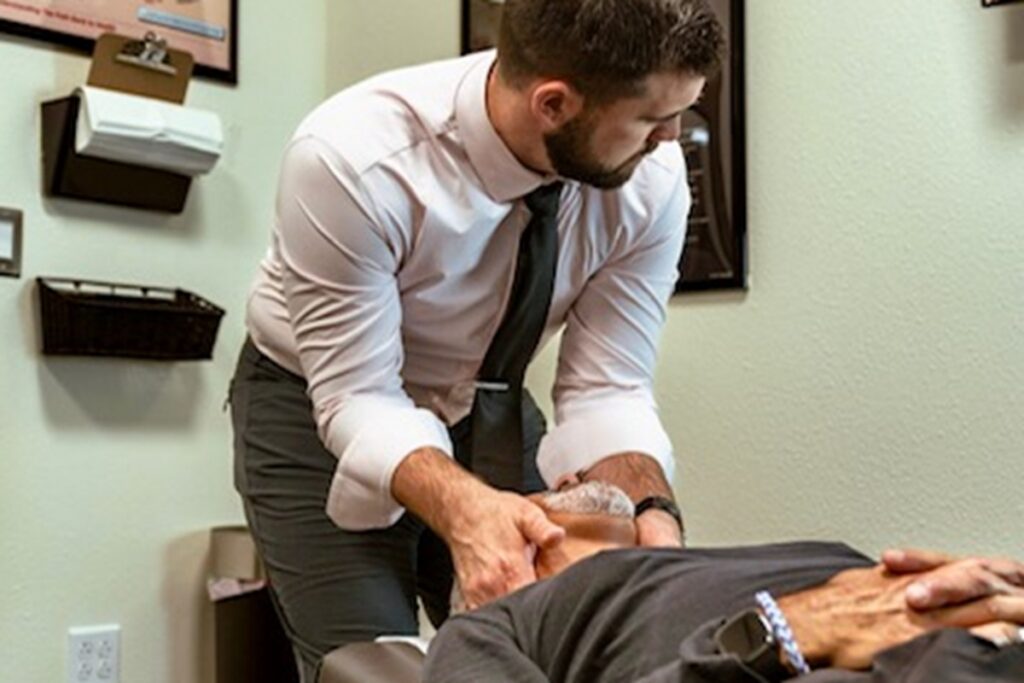
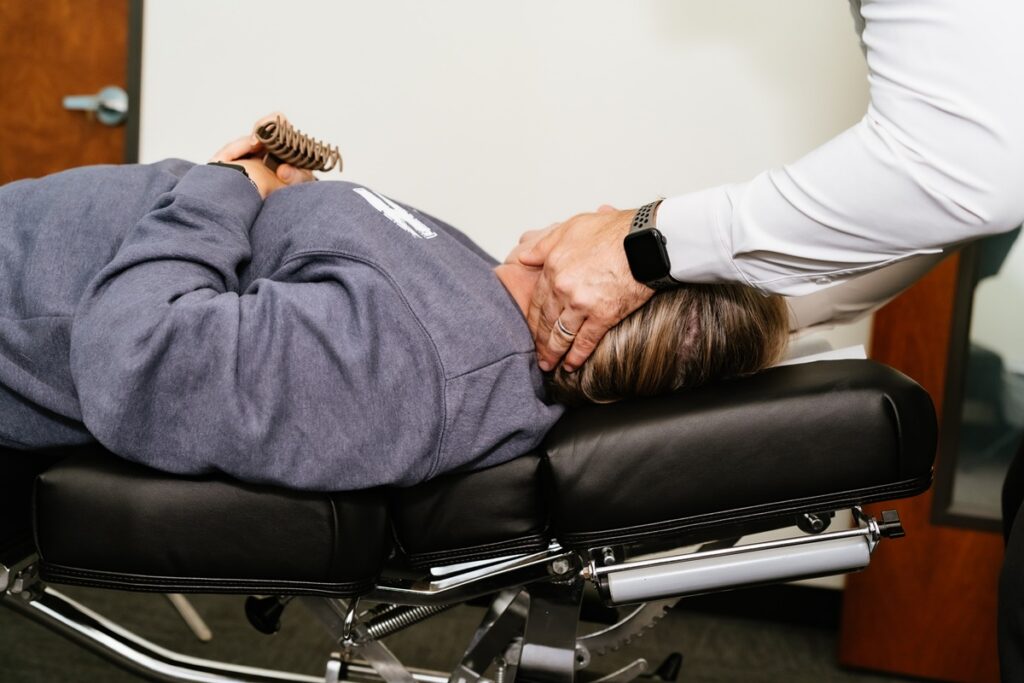
- Visit Your Chiropractor: Regular chiropractic adjustments can help ensure your spine is aligned correctly, which is key to maintaining good posture and reducing pain. A chiropractor can provide personalized advice and treatment tailored to your specific needs.
Understanding the connection between posture and pain is essential for finding relief. By focusing on proper alignment and incorporating these tips into your daily routine, you can take proactive steps toward a healthier, pain-free life. Remember, chiropractic care is a natural and effective way to achieve optimal health and wellness. Your journey to better posture and less pain starts here!
Key Takeaways
- Improving your posture can significantly reduce strain on your muscles and ligaments, which can help relieve discomfort in your lower back.
- By maintaining a neutral spine and engaging your core muscles, you can better balance your body weight, which minimizes strain on your lower back.
- Slouching and poor alignment can disrupt your body mechanics, leading to increased pain over time. That’s why it’s so important to focus on how you sit, stand, and move throughout your day.
- Regular chiropractic assessments are a fantastic way to identify any posture-related issues. A chiropractor can help enhance your recovery and prevent future problems by guiding you toward better alignment.
- By incorporating ergonomic practices—like adjusting your workspace to support good posture—and including stretching into your daily routines, you can support your spinal health and overall well-being.
- Remember, small changes can lead to significant improvements in how you feel. Simple adjustments to your posture and regular chiropractic care can be your best allies in achieving optimal health and natural pain relief. Embrace these tips for a healthier, pain-free life!
Understanding the Link Between Posture and Low Back Pain
When you slouch or sit incorrectly, it may surprise you to learn just how much it can impact your low back. Poor posture puts unnecessary strain on the muscles and ligaments that support your spine, leading to discomfort and pain. Each time you lean forward or hunch over, you’re increasing pressure on your lower back. Over time, this tension can accumulate, making it more challenging for your body to heal and feel its best.
Improper alignment can also disrupt your body mechanics, affecting how you move throughout your day. If you’re compensating for discomfort, you may inadvertently worsen the issue. By prioritizing a neutral spine and actively engaging your core muscles, you can help balance your body weight and lessen the strain on your lower back.
Being mindful of your posture—whether you’re sitting, standing, or walking—is crucial. Simple adjustments can lead to significant improvements in your overall comfort and well-being. Chiropractic care is an excellent way to support your spine and promote natural healing. Regular chiropractic adjustments can help align your spine, reduce tension, and enhance your body’s ability to function optimally.
Here are some practical tips for maintaining good posture and supporting your spinal health:
- Sit Smart: Keep your feet flat on the ground, your back straight, and your shoulders relaxed. Consider using a chair that supports your lower back.
- Stand Tall: Distribute your weight evenly on both feet, slightly bend your knees, and keep your shoulders back.
- Move Mindfully: When lifting something heavy, bend at the knees and keep the object close to your body to protect your back.
- Take Breaks: If you sit for long periods, take regular breaks to stand up, stretch, and walk around.
- Stay Active: Engage in exercises that strengthen your core muscles and promote flexibility; this can help support your spine.
Common Posture Problems That Contribute to Back Pain
Poor posture can lead to significant discomfort and back pain, but understanding the common issues can help you take proactive steps toward relief. One prevalent problem is slouching, particularly when sitting for extended periods. This rounded shoulder position compresses your spine, leading to discomfort. To combat this, try to maintain a neutral spine position by keeping your shoulders relaxed and your back straight.
Another common issue is forward head posture, where your head juts forward, straining your neck and upper back muscles. To alleviate this, practice chin tucks—gently pulling your chin back toward your neck to help realign your head over your shoulders.
If you find yourself frequently leaning to one side, this can create muscle imbalances and contribute to pain. Make a conscious effort to sit and stand evenly on both feet. Additionally, standing with locked knees can tighten your lower back, causing tension. Instead, keep a slight bend in your knees to promote better posture and reduce strain.
Improper lifting techniques can also lead to back strain, especially if you’re twisting while carrying heavy objects. Always bend at your knees and keep the object close to your body when lifting.
Practical Tips for Improving Your Posture
To improve your posture and support your spinal health, it’s essential to be mindful of how you sit, stand, and move throughout your day. When sitting, aim to keep your back straight, relax your shoulders, and ensure your feet are flat on the floor. An ergonomic chair can be a great investment, as it provides support to your lower back, helping to maintain the natural curve of your spine.
While standing, distribute your weight evenly between both feet and engage your core muscles to provide stability. Avoid locking your knees, as this can lead to discomfort and misalignment, and focus on keeping your shoulders relaxed and down.
When you’re working at a computer, make sure to position your screen at eye level to prevent slouching. This simple adjustment can significantly benefit your neck and back. Remember to take breaks every hour to stretch and reset your posture. Incorporating exercises that strengthen your core and back muscles into your routine—like planks or bridges—can enhance your posture and overall spinal health.
Additionally, be conscious of your posture while walking. Keep your head up and shoulders back to promote a healthy spinal alignment. Small adjustments in your daily habits can lead to significant improvements in your posture, so be patient and consistent as you develop these better habits.
Chiropractic care can play a vital role in achieving and maintaining optimal posture. Regular adjustments can help align your spine, reduce tension, and improve your overall well-being. By focusing on natural healing and healthier living, chiropractic care can be a powerful ally in your journey to better posture and pain relief. Remember, your spine is the foundation of your health—taking care of it’s key to feeling your best!
The Benefits of Maintaining Good Posture
Maintaining good posture is not just about looking confident and poised; it’s a key factor in achieving optimal health and wellness. As a chiropractor, I want to emphasize how proper posture can significantly impact your overall well-being. When you maintain a straight and aligned position while sitting or standing, your body functions more efficiently, minimizing strain on your muscles and joints. This reduction in strain can lead to less discomfort, especially in the back area, which is a common complaint for many.
Here are some invaluable benefits of maintaining good posture, along with tips on how chiropractic care can help:
| Benefit | Description | Impact |
|---|---|---|
| Reduced Pain | Good posture minimizes strain on your spine and muscles | Experience less discomfort overall |
| Improved Circulation | Proper alignment enhances blood flow throughout your body | Feel more energized and alert |
| Enhanced Focus | Straight posture aids in concentration and mental clarity | Boosts productivity and creativity |
Tips for Maintaining Good Posture:
- Be Mindful of Your Sitting Position: When sitting, keep your feet flat on the floor, your knees at a right angle, and your back straight against the chair. Consider using a small cushion for lower back support.
- Stand Tall: When standing, distribute your weight evenly on both feet, and keep your shoulders relaxed and back. Engaging your core muscles can also help maintain stability.
- Regular Chiropractic Adjustments: Regular visits to a chiropractor can help ensure your spine is aligned and functioning properly. This can alleviate discomfort and prevent future pain.
- Stretch Frequently: Incorporate simple stretching exercises into your daily routine. This can help relieve tension and promote flexibility, which is essential for maintaining good posture.
- Take Breaks: If you work at a desk for long periods, make it a point to take breaks every hour. Stand up, stretch, and walk around to relieve any accumulated tension.
When to Seek Professional Help for Posture-Related Pain
Good posture is essential for overall well-being, but sometimes, despite our best efforts to maintain it, discomfort can linger. If you’re dealing with chronic low back pain that doesn’t improve even after making adjustments to your posture, it’s time to consider professional help, particularly from a chiropractor. Ignoring persistent pain can lead to more significant issues over time.
If you’re experiencing sharp pain, numbness, or weakness in your legs, these could be signs of conditions like herniated discs or nerve compression. These symptoms shouldn’t be overlooked, as they can hinder your daily activities and quality of sleep. A chiropractor specializes in spinal health and can provide the care you need to address these concerns naturally.
Visiting a chiropractor can help you assess your posture and develop a personalized plan that includes gentle adjustments and specific exercises designed to alleviate pain and prevent future problems. They focus on natural healing methods that align your spine, empowering your body to heal itself.
In addition to seeing a chiropractor, there are simple tips you can incorporate into your daily routine to support your posture and overall health. Remember to take breaks from sitting, stretch regularly, and ensure your workspace is ergonomically designed to support your spine. Prioritizing your health and seeking help early can significantly enhance your recovery journey and help you achieve optimal wellness.
Conclusion
Improving your posture is a powerful way to alleviate low back pain by reducing unnecessary strain on your muscles and ligaments. As a local chiropractor, I want to emphasize the importance of proper spinal alignment for your overall health. Simple ergonomic adjustments in your workspace, taking regular breaks to stretch, and incorporating core-strengthening exercises can significantly enhance your comfort and promote a healthier spine.
Consider making small changes, like ensuring your chair supports your lower back, keeping your feet flat on the ground, and using a screen at eye level to avoid hunching. These adjustments can make a big difference! Additionally, engaging in exercises that strengthen your core, such as planks or gentle yoga, can provide the support your back needs.
Remember, if your low back pain continues or gets worse, it’s essential to seek professional help. Chiropractic care focuses on natural healing and is dedicated to restoring your body’s balance without the need for surgeries or medications. By prioritizing your posture and visiting your chiropractor, you’re taking a significant step toward not just easing discomfort, but also promoting long-term health. Start making these changes today for a pain-free tomorrow and embrace the journey to optimal wellness!